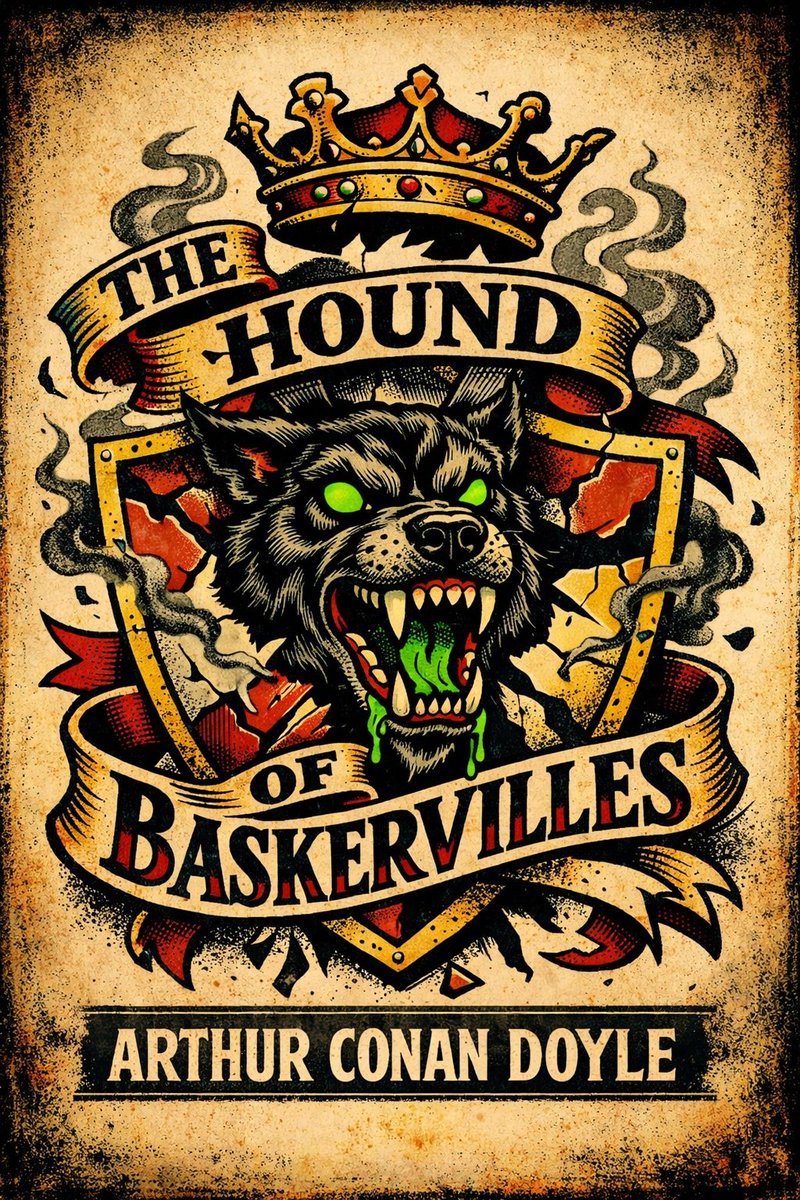
Reading has always been an act of imagination. Every reader sees differently. Every passage carries more than one form.
For centuries, only a few of those visions were ever rendered — not because others didn't exist, but because they couldn't easily be expressed.
Now they can.
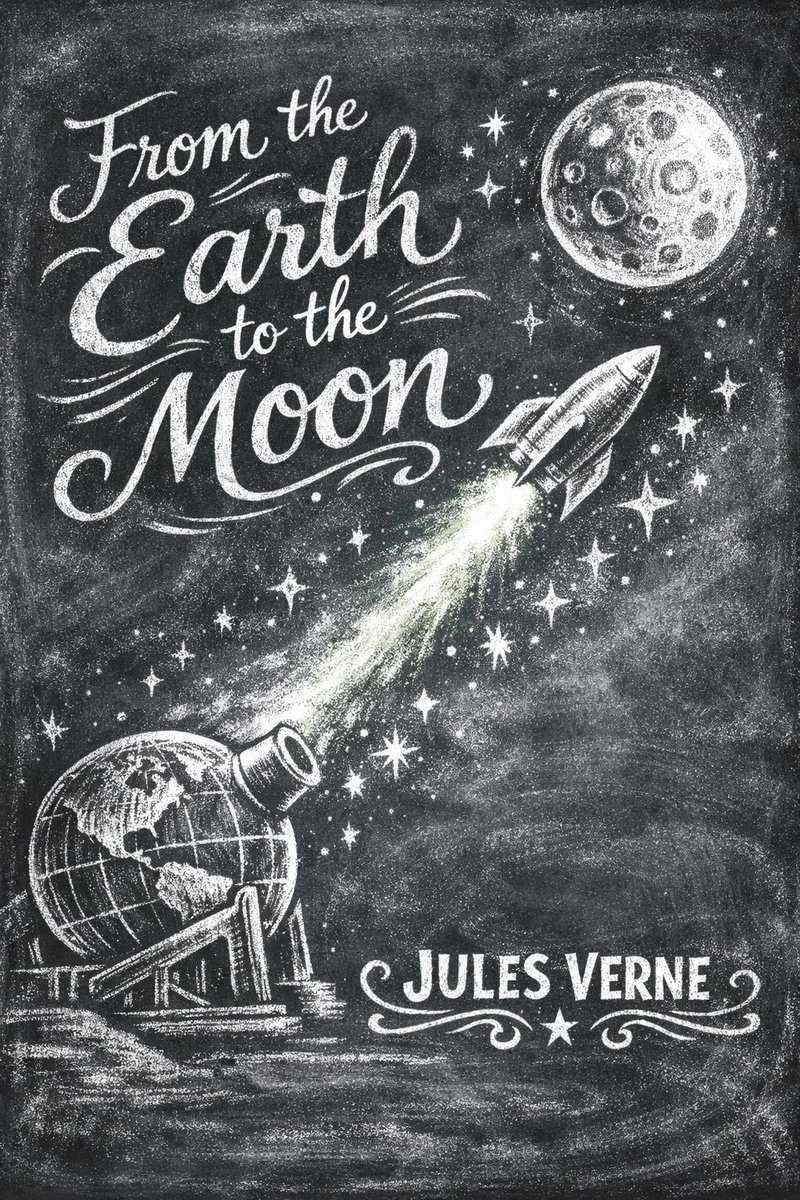
Classic books, 100+ art style lenses. Your imagination, given a surface.
Closed alpha → https://t.co/d4t52DB3Is
@ivanburazin The best consumer products are built on top of a small creator layer. Spotify has millions of listeners and thousands of artists. Libraries have millions of readers and a few thousand authors. The ratio isn't a failure. It's the architecture.
@realAtlasPress Most people quote it for the telepathy. What stays with me is the hand reaching out, because the best kind of reading has always felt less like thought than touch.
@abakcus Kandinsky published his color theory before most of his famous paintings. The language was already documented. Guasco learned it and spoke it.
@SketchesbyBoze One panel devotional, one panel people throwing pies. They held the sacred and the absurd in the same manuscript without embarrassment.
@Dostoevskyquot Barthes. The Death of the Author never leaves. The idea that every reader completes the text differently, that interpretation belongs to the reader not the writer, gets more interesting the more you sit with it.
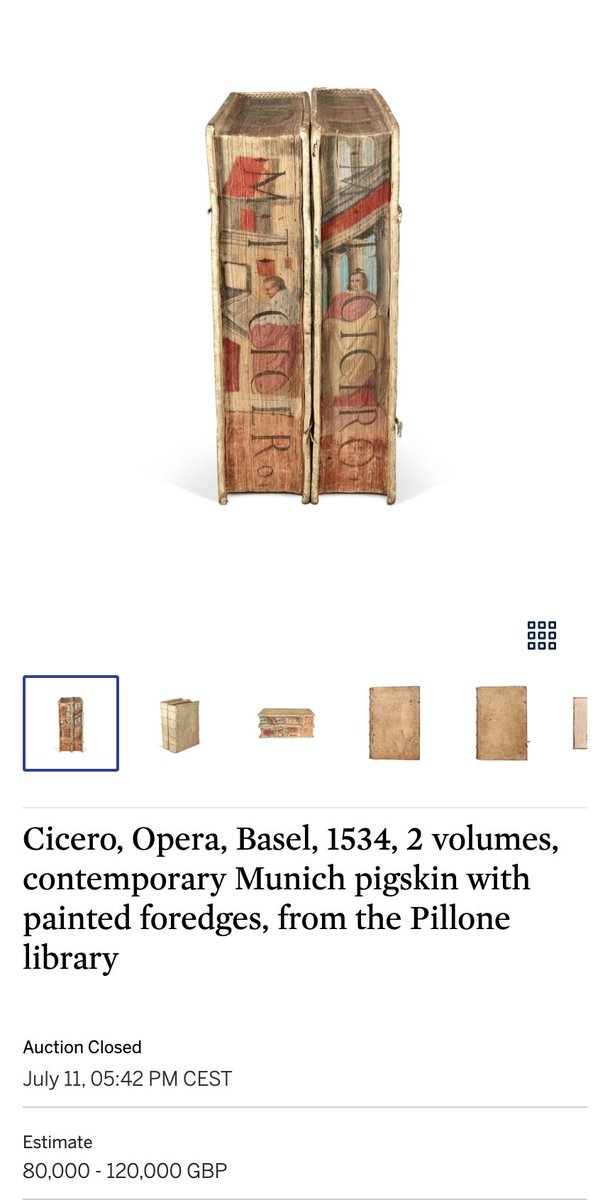
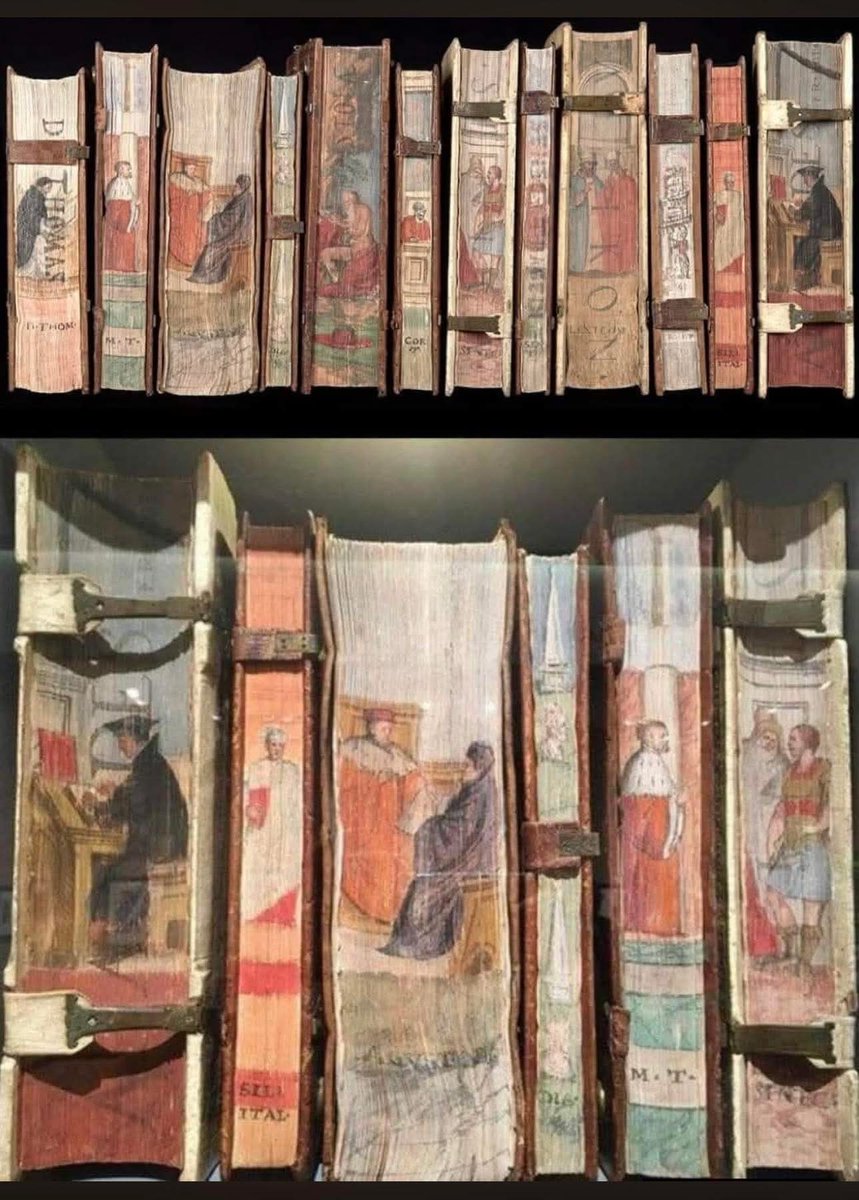
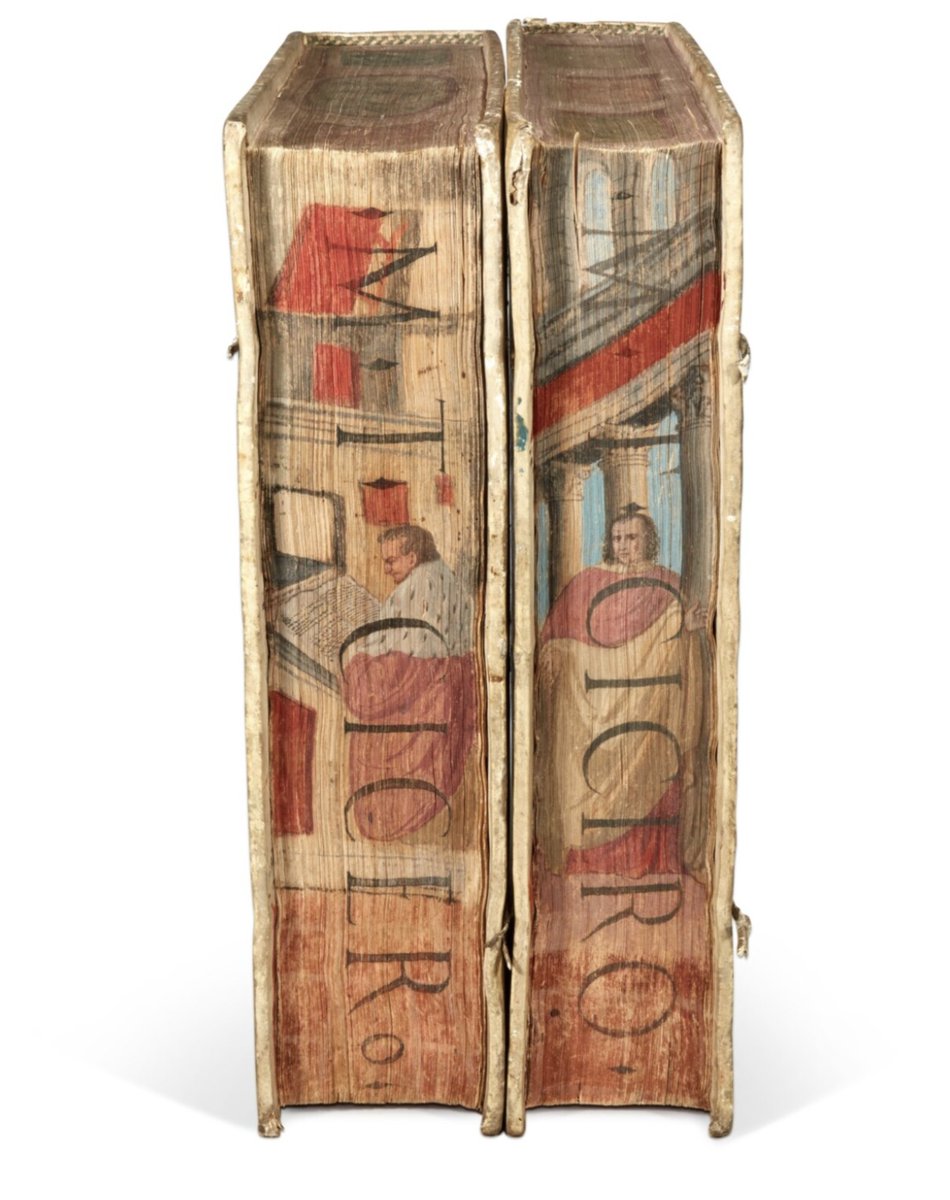
In the 16th century, the Venetian lawyer Odorico Pillone owned an extensive library, amassed on his family estate near Venice. In the 1580s, he decided to further enhance his collection by decorating sections of pages with various artistic illustrations, books at that time were often simply kept on shelves. The Italian graphic designer and painter Cesare Vecellio (1521–1601), a cousin of Titian, was chosen as the artist. In total, he illustrated 172 volumes. The themes of the illustrations were related to the content of the books themselves (which was convenient, as it made it easy to find a specific topic). According to Pillone, the painted pages transformed the library into a unique art gallery.
@Pergament_F The ambition of that is remarkable. He was describing a second layer of meaning that lived alongside the text. That instinct to make reading visible keeps returning in every generation.
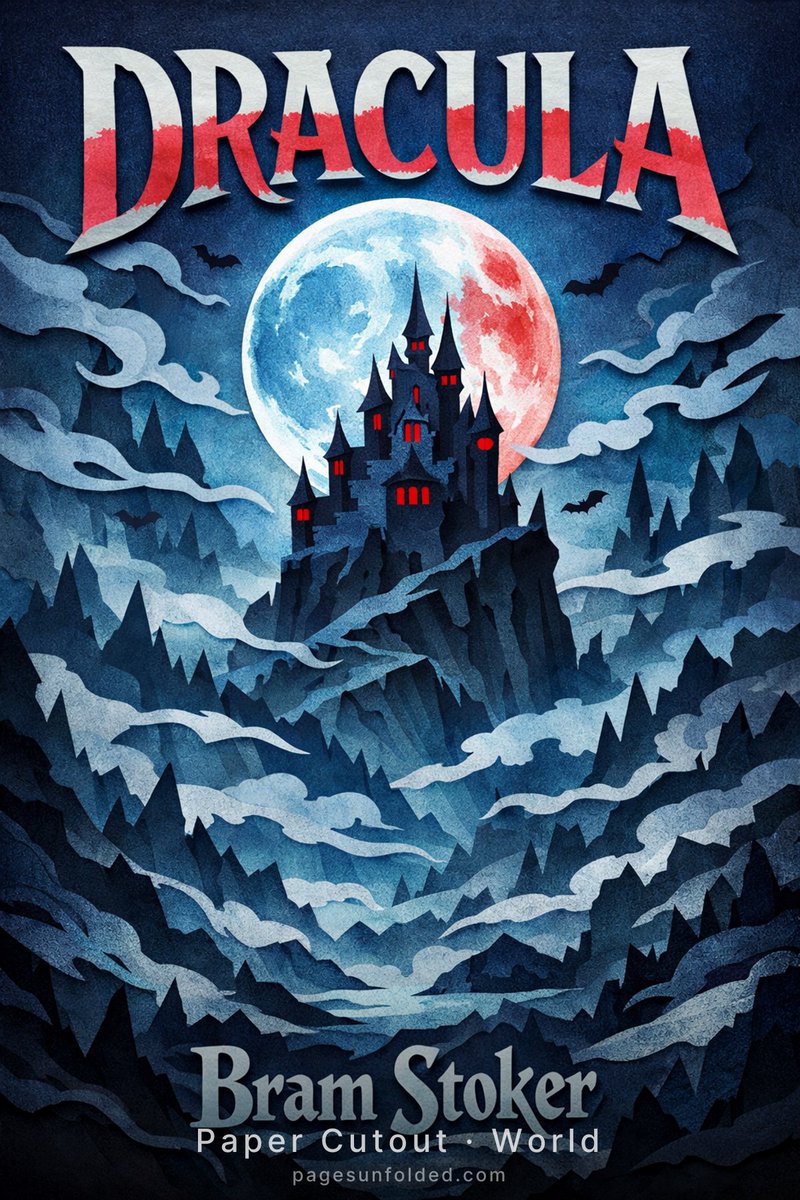
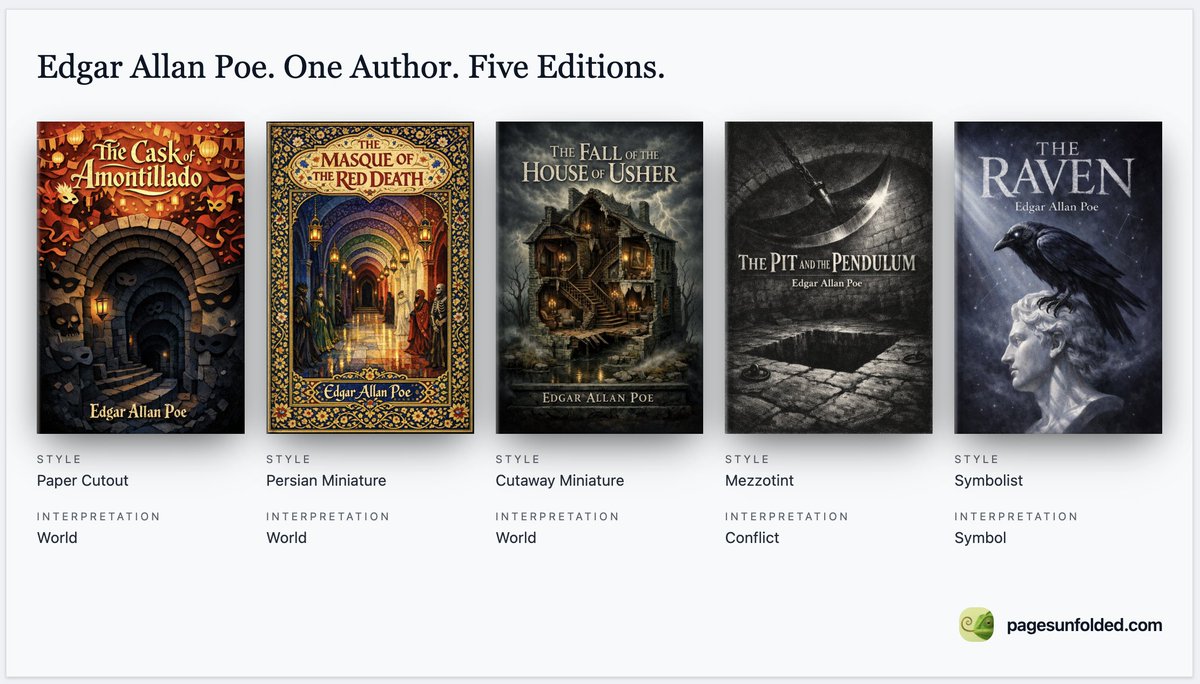
We’re building a library of visual editions for classic literature.
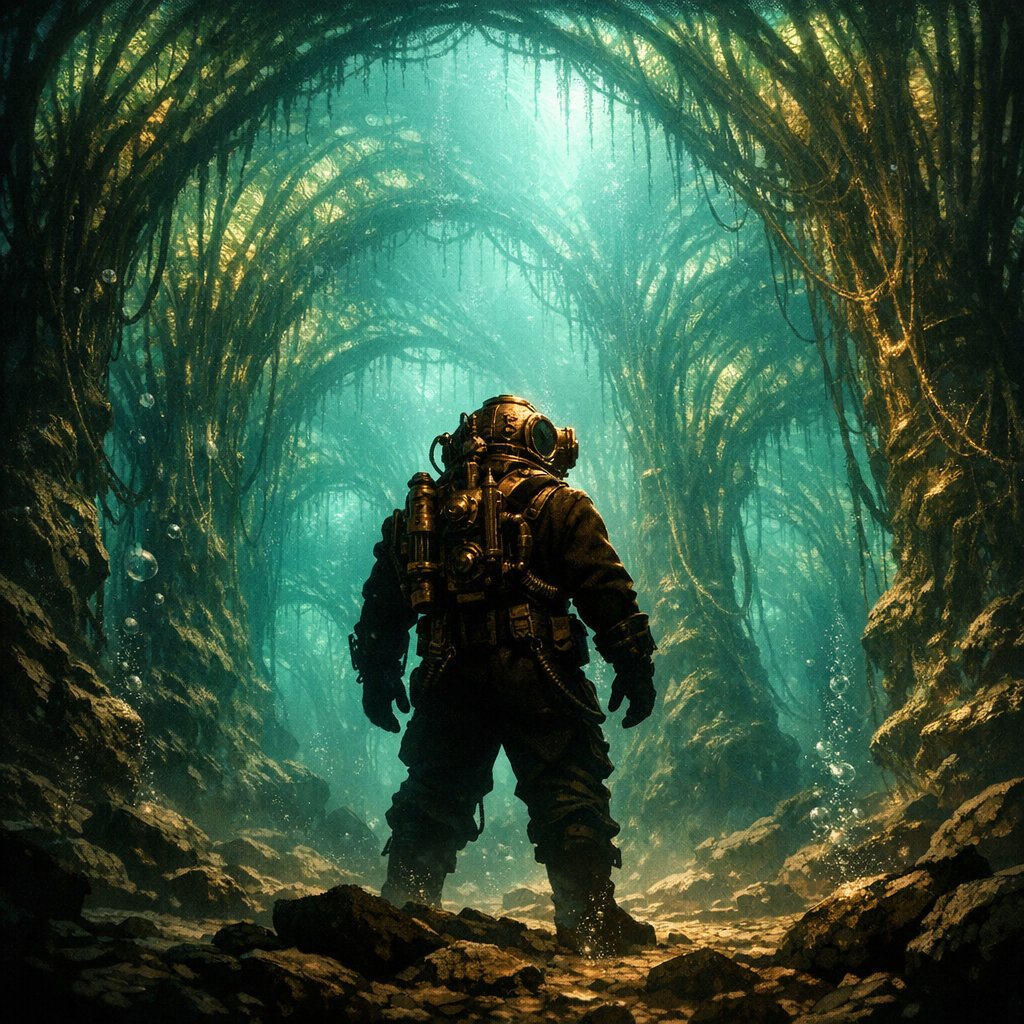
Poe Week, complete.
Five stories, each seen through a different visual lens.
Which author should come next, and what kind of edition would you want to see?
POE WEEK — 5/5
One word. He asked it once. Then couldn't stop.
Poe Week:
1/5 — The Cask of Amontillado [out]
2/5 — The Masque of the Red Death [out]
3/5 — The Fall of the House of Usher [out]
4/5 — The Pit and the Pendulum [out]
5/5 — The Raven [out]
All five now live.
Today's poem:
The Raven — Edgar Allan Poe, 1845
A man alone at midnight, mourning Lenore. A raven lands on his chamber door and speaks one word: nevermore. He knows it means nothing. He asks again anyway. He cannot stop.
Symbolist × Symbol — the raven as pure allegory. Not a bird. The shape grief takes.
POE WEEK — 4/5
The blade was patient. He was not.
Poe Week:
1/5 — The Cask of Amontillado [out]
2/5 — The Masque of the Red Death [out]
3/5 — The Fall of the House of Usher [out]
4/5 — The Pit and the Pendulum [out]
5/5 — The Raven
Follow for all five.
Today's story:
The Pit and the Pendulum — Edgar Allan Poe, 1842
A man condemned by the Spanish Inquisition. He wakes in total darkness, strapped down. Above him: a pendulum with a razor blade, swinging lower with each pass. Below him: a pit. The walls are heating up and closing in.
Mezzotint × Conflict — a technique that starts from pure black. The pendulum gleaming against void. Both instruments of doom in the same frame.
POE WEEK — 3/5
"I shall perish," said Roderick Usher. He was not wrong.
Poe Week:
1/5 — The Cask of Amontillado ✓
2/5 — The Masque of the Red Death ✓
3/5 — The Fall of the House of Usher ✓
4/5 — The Pit and the Pendulum
5/5 — The Raven
Follow for all five.
Today's story:
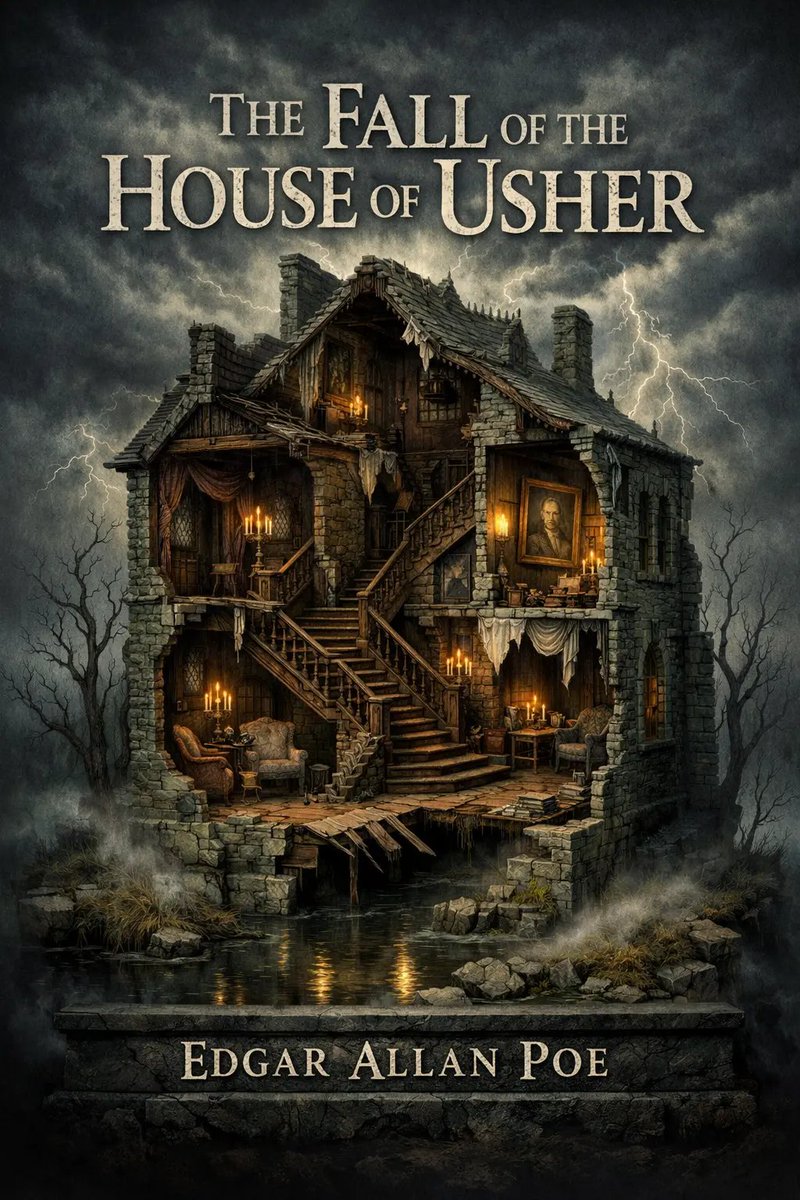
The Fall of the House of Usher — Edgar Allan Poe, 1839
A narrator visits his childhood friend. The house is rotting. So is the family. Madeline is sealed in the vault below. The crack in the facade runs from roof to tarn.
Cutaway Miniature × World — the house in cross-section: inhabited rooms above, sealed vault below. The architecture is the horror.






![PagesUnfoldedX's tweet photo. POE WEEK — 5/5
One word. He asked it once. Then couldn't stop.
Poe Week:
1/5 — The Cask of Amontillado [out]
2/5 — The Masque of the Red Death [out]
3/5 — The Fall of the House of Usher [out]
4/5 — The Pit and the Pendulum [out]
5/5 — The Raven [out]
All five now live.
Today's poem:
The Raven — Edgar Allan Poe, 1845
A man alone at midnight, mourning Lenore. A raven lands on his chamber door and speaks one word: nevermore. He knows it means nothing. He asks again anyway. He cannot stop.
Symbolist × Symbol — the raven as pure allegory. Not a bird. The shape grief takes.](https://pbs.twimg.com/media/HEBedZDaQAExvph.jpg)
![PagesUnfoldedX's tweet photo. POE WEEK — 4/5
The blade was patient. He was not.
Poe Week:
1/5 — The Cask of Amontillado [out]
2/5 — The Masque of the Red Death [out]
3/5 — The Fall of the House of Usher [out]
4/5 — The Pit and the Pendulum [out]
5/5 — The Raven
Follow for all five.
Today's story:
The Pit and the Pendulum — Edgar Allan Poe, 1842
A man condemned by the Spanish Inquisition. He wakes in total darkness, strapped down. Above him: a pendulum with a razor blade, swinging lower with each pass. Below him: a pit. The walls are heating up and closing in.
Mezzotint × Conflict — a technique that starts from pure black. The pendulum gleaming against void. Both instruments of doom in the same frame.](https://pbs.twimg.com/media/HD3tGxmWUAADn3j.jpg)
![PagesUnfoldedX's tweet photo. POE WEEK — 4/5
The blade was patient. He was not.
Poe Week:
1/5 — The Cask of Amontillado [out]
2/5 — The Masque of the Red Death [out]
3/5 — The Fall of the House of Usher [out]
4/5 — The Pit and the Pendulum [out]
5/5 — The Raven
Follow for all five.
Today's story:
The Pit and the Pendulum — Edgar Allan Poe, 1842
A man condemned by the Spanish Inquisition. He wakes in total darkness, strapped down. Above him: a pendulum with a razor blade, swinging lower with each pass. Below him: a pit. The walls are heating up and closing in.
Mezzotint × Conflict — a technique that starts from pure black. The pendulum gleaming against void. Both instruments of doom in the same frame.](https://pbs.twimg.com/media/HD3tE5OacAAozVx.jpg)






![PagesUnfoldedX's tweet photo. POE WEEK — 5/5
One word. He asked it once. Then couldn't stop.
Poe Week:
1/5 — The Cask of Amontillado [out]
2/5 — The Masque of the Red Death [out]
3/5 — The Fall of the House of Usher [out]
4/5 — The Pit and the Pendulum [out]
5/5 — The Raven [out]
All five now live.
Today's poem:
The Raven — Edgar Allan Poe, 1845
A man alone at midnight, mourning Lenore. A raven lands on his chamber door and speaks one word: nevermore. He knows it means nothing. He asks again anyway. He cannot stop.
Symbolist × Symbol — the raven as pure allegory. Not a bird. The shape grief takes.](https://pbs.twimg.com/media/HEBeggPaUAA0kZB.jpg)
![PagesUnfoldedX's tweet photo. POE WEEK — 4/5
The blade was patient. He was not.
Poe Week:
1/5 — The Cask of Amontillado [out]
2/5 — The Masque of the Red Death [out]
3/5 — The Fall of the House of Usher [out]
4/5 — The Pit and the Pendulum [out]
5/5 — The Raven
Follow for all five.
Today's story:
The Pit and the Pendulum — Edgar Allan Poe, 1842
A man condemned by the Spanish Inquisition. He wakes in total darkness, strapped down. Above him: a pendulum with a razor blade, swinging lower with each pass. Below him: a pit. The walls are heating up and closing in.
Mezzotint × Conflict — a technique that starts from pure black. The pendulum gleaming against void. Both instruments of doom in the same frame.](https://pbs.twimg.com/media/HD3tJXDWoAETHEj.jpg)