When you support IPS-USA, you help sustain independent research, publishing, and documentation-- and ensure Palestinian voices reach millions around the world. Donate today: https://t.co/tQSEHfORQr
In this poem, Mariam Mohammed Khateeb, fleeing the genocide to Japan, reflects on encountering other Palestinians from colonized historic Palestine and the absurdity of settler-colonial displacement and fragmentation.
Khateeb reflects on travel and memory, and on the concept of home, describing how places remain alive in human consciousness long after their destruction and regardless of physical distance.
Read the full poem on the Journal of Palestine Studies.
https://t.co/Sh0o3YlUcL
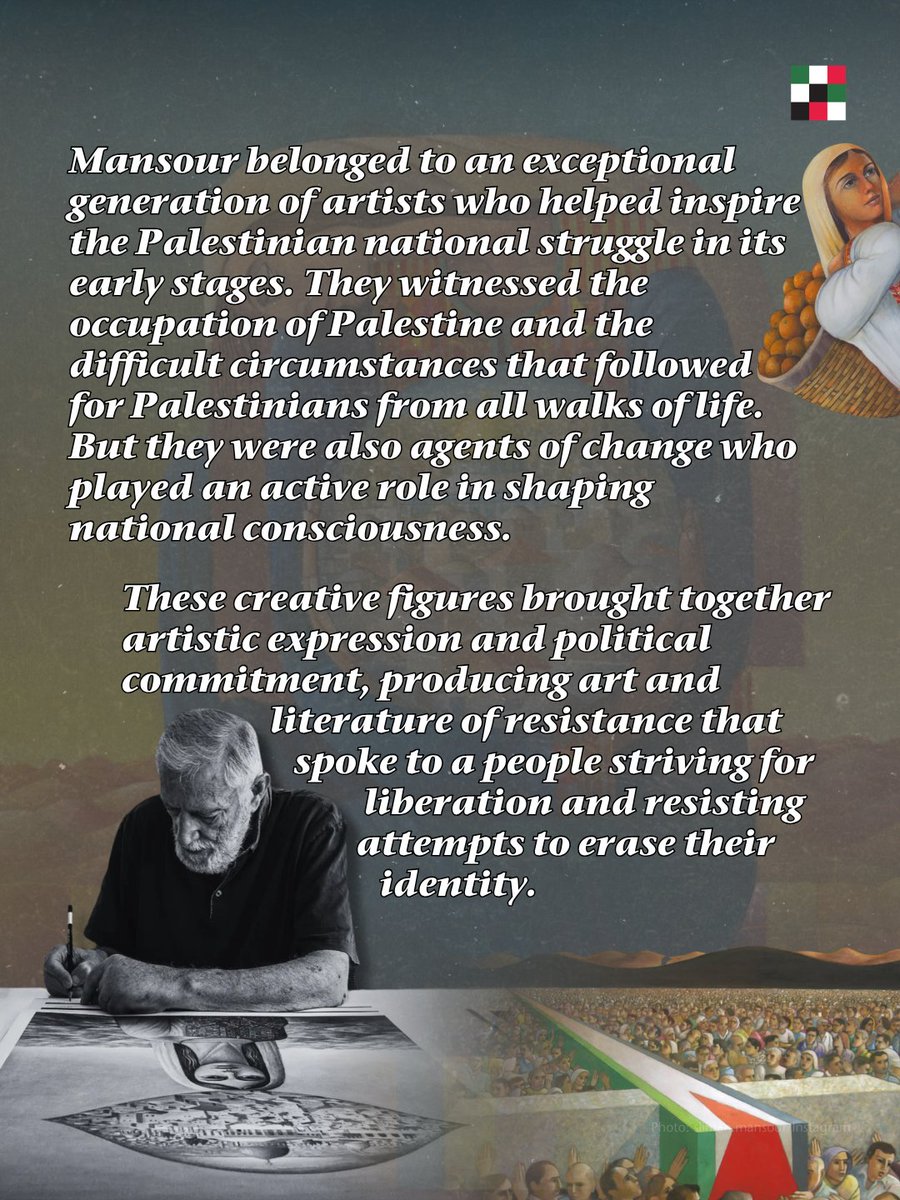
Rana Anani explores the life and work of the late Palestinian artist Sliman Mansour in "On the Path of the Ghoul: The Memoirs of Sliman Mansour", tracing how his art reflects Palestine’s landscape, heritage, and ongoing struggle.
Excerpts taken from the introduction of the English translation of the book. Read the full text at the link below: https://t.co/xvQYrWdAlz
This #PalQuest Highlight traces these processes alongside the emergence of Palestinian national consciousness and resistance, from the late Ottoman period through the Nakba and into the present: https://t.co/cSu0RnlcSh
🧵Palestine was transformed not only through colonization and dispossession, but also through efforts to reshape how the land was imagined, mapped, and represented: https://t.co/cSu0RnlKHP
From the late nineteenth century, the Zionist movement developed narratives portraying Palestine as a neglected land awaiting redemption, accompanied by efforts including tree planting, mapmaking, and archaeological excavation to construct a vision of the land as an ancient Hebrew space.🧵
This chapter by Arees Bishara, from IPS' Arabic flagship reference work "The General Survey of Israel," examines the origins and development of Israel’s technology industries, exploring their ties to military institutions, the systems of surveillance and control imposed on Palestinians, and the broader colonial structures that shape technological innovation and its global expansion.
Read the English translation of this chapter from the fifth edition of the General Survey of Israel, originally published in Arabic by the Institute for Palestine Studies, at the link below:
https://t.co/9NJ05yFjHX
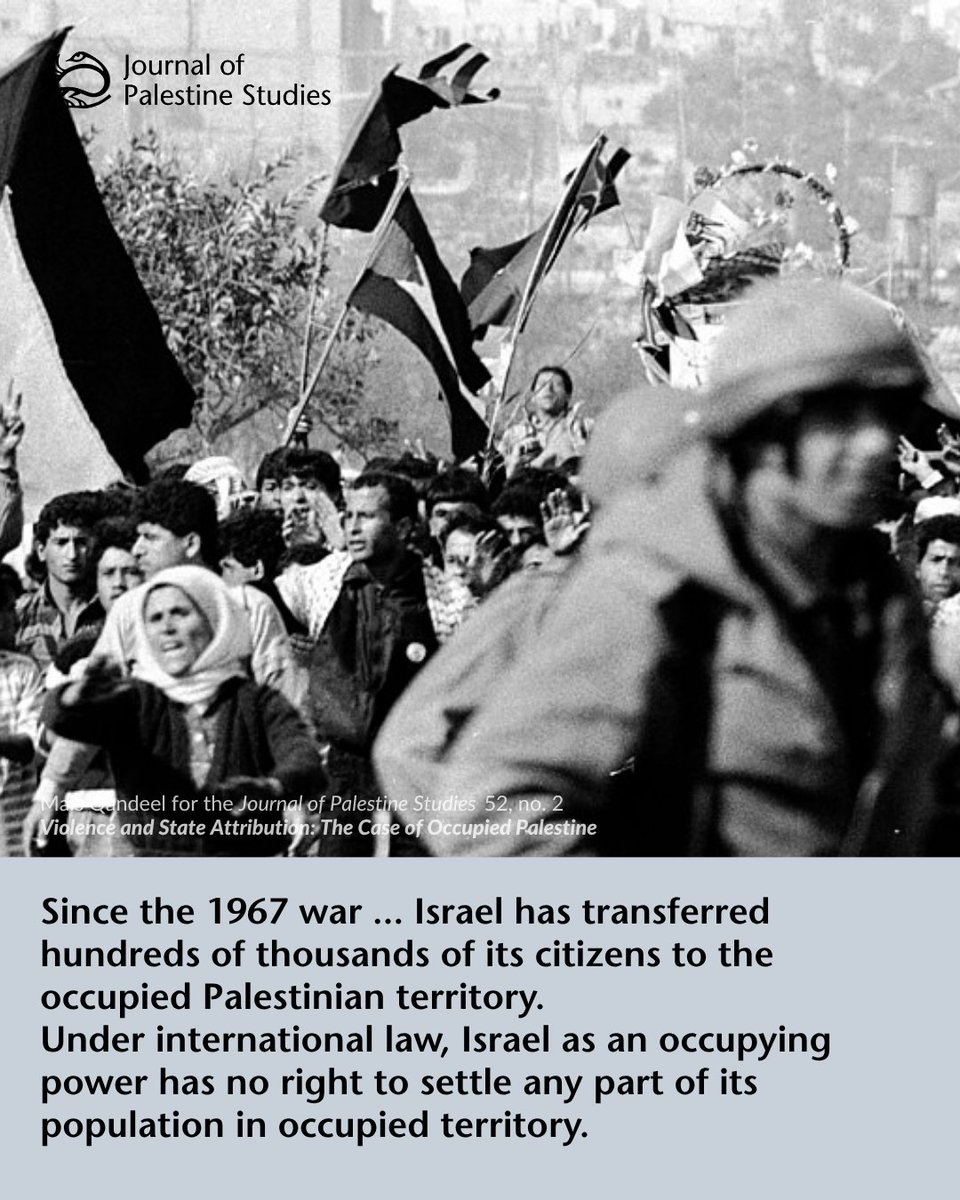
Israel, as an occupying power, has the obligation to protect Palestinians against all acts of violence. In her article for the Journal of Palestine Studies, Mais Qandeel examines Israeli settler violence from the lens of this obligation and of the law of state responsibility.
Settler violence against Palestinians, which is often lethal and always injurious, is not and has never been a matter of domestic law enforcement.
Read the article via the Journal of Palestine Studies: https://t.co/kjJKj40Nb8
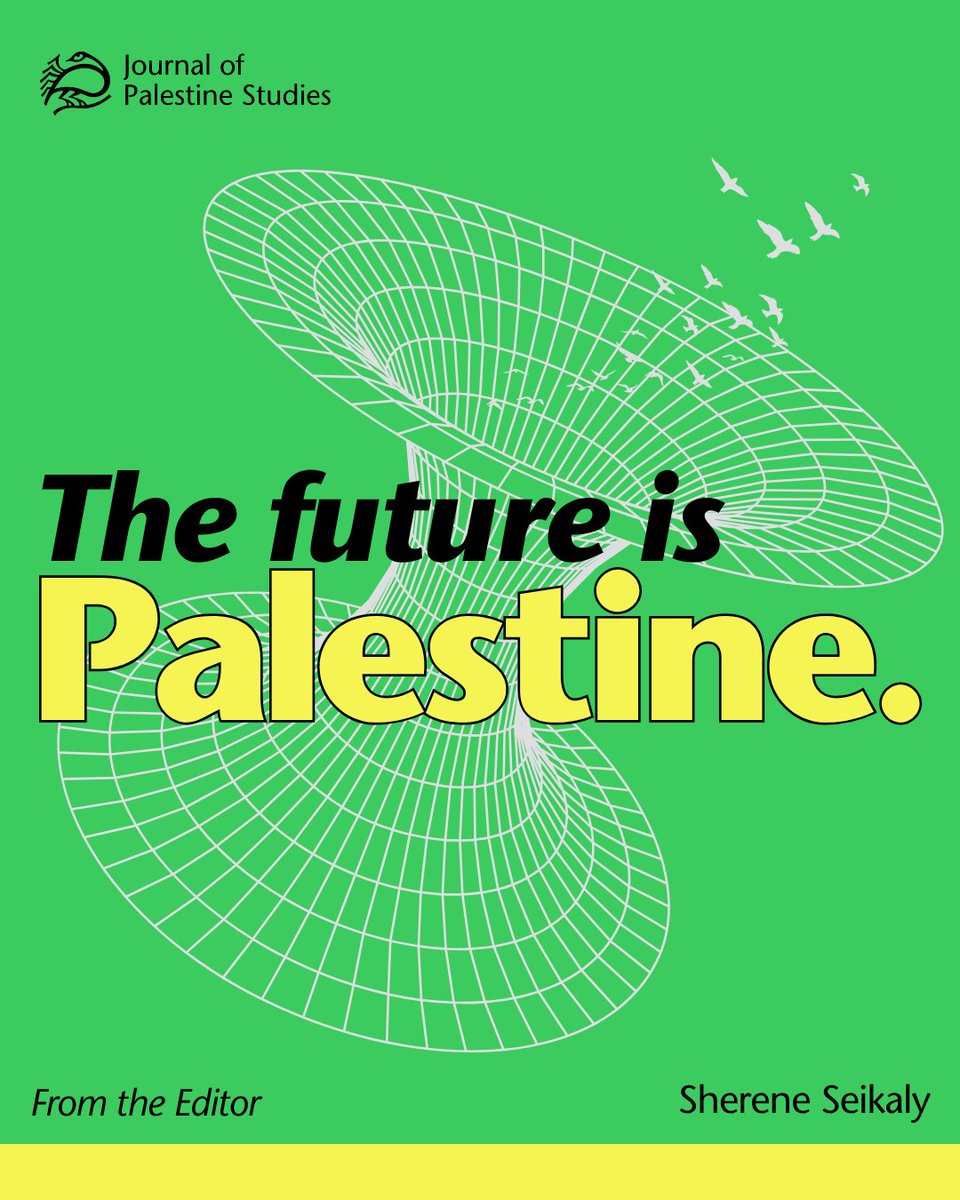
“Amid the ongoing loss, the perpetual deferral of mourning, the endless bereavement of space, of heritage, of beloveds, Palestinians live time and space differently. They carry the memories of all that is now rubble. They take the long view. They recognize how narration works. They understand that 'the passive voice and the targeting system … both leave the object, the body, the home, the family, hung alone in the sentence.' They return to their destroyed lands, tend to the vines that survived, harvest fruit. They recover rare manuscripts, handwritten documents, copies of the Quran and historical works from the devastated Omari Mosque library.
And they know the truth.” @shereneseikaly
From the latest issue of the Journal of Palestine Studies, coming soon.
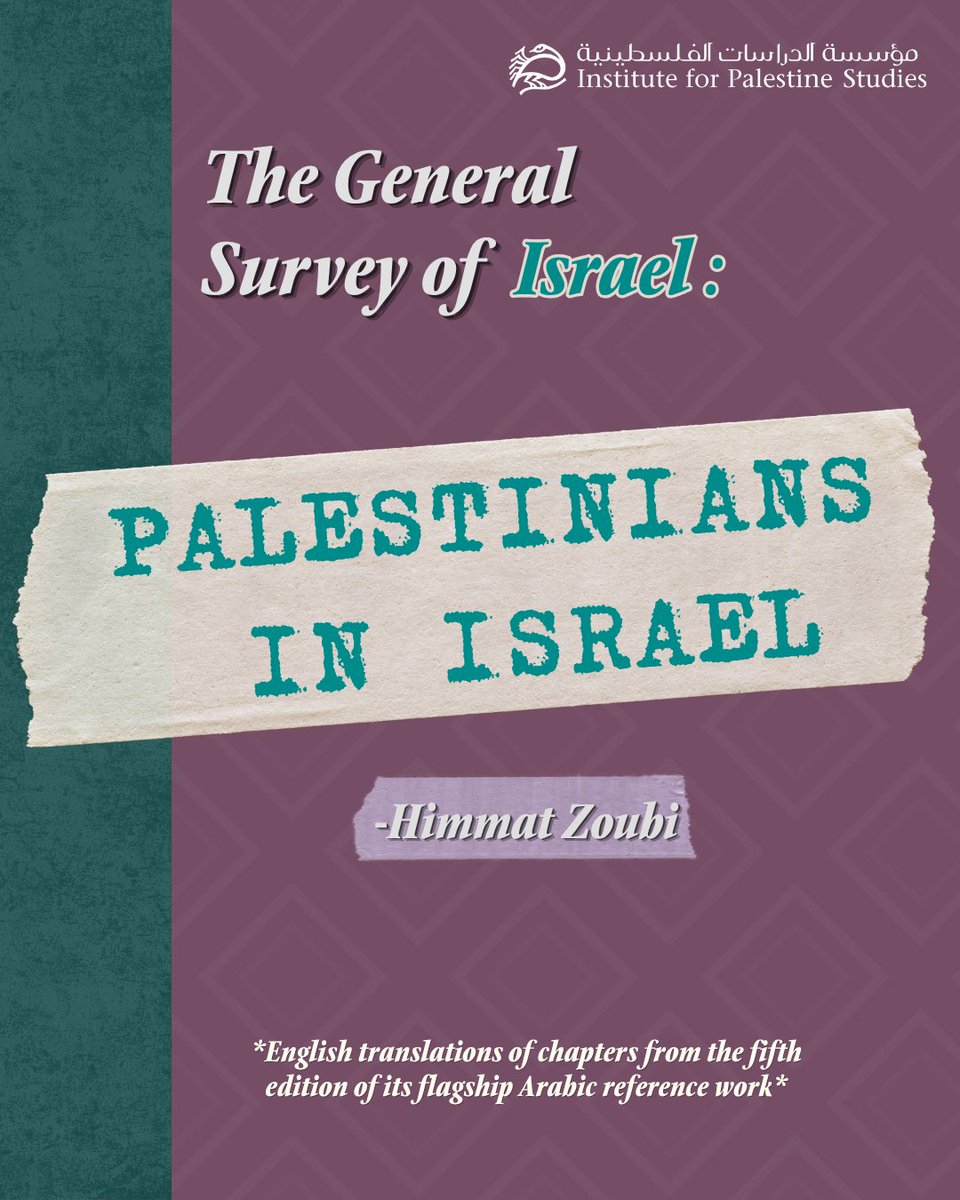
This chapter by Himmat Zoubi, from IPS' Arabic flagship reference work "The General Survey of Israel," examines the history, lived realities, and ongoing struggles of Palestinians, exploring the systems of discrimination and control they face, as well as their continued resistance and efforts to sustain collective identity.
Read the English translation of this chapter from the fifth edition of the General Survey of Israel, originally published in Arabic by the Institute for Palestine Studies, at the link below:
https://t.co/K7AjpdfOql
Neha Madhira examines the role of AI-assisted warfare in Israel’s ongoing assault on Gaza and the corporations helping enable it.
Read the full analysis on Palestine Square at the link below:
https://t.co/w4rkEOVMEG
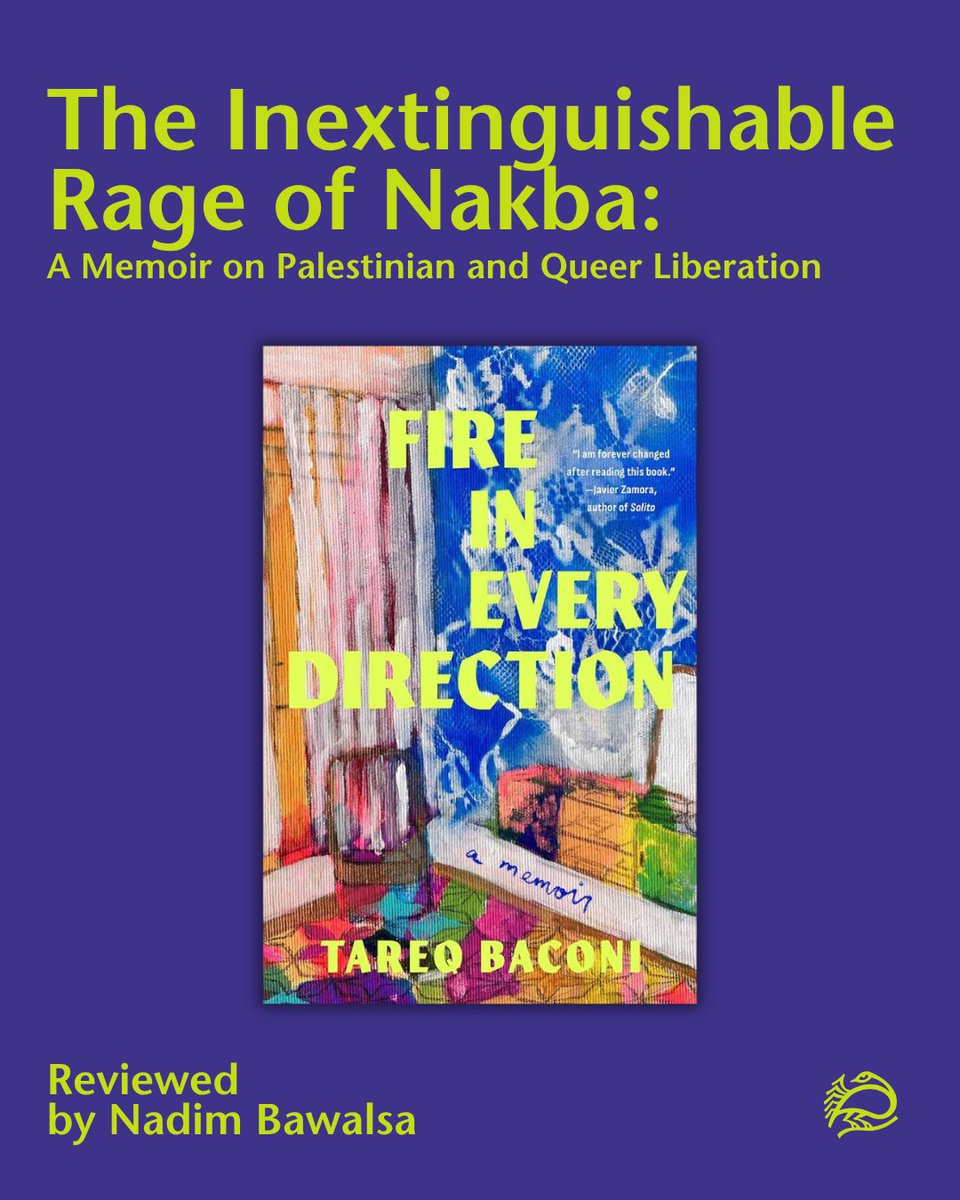
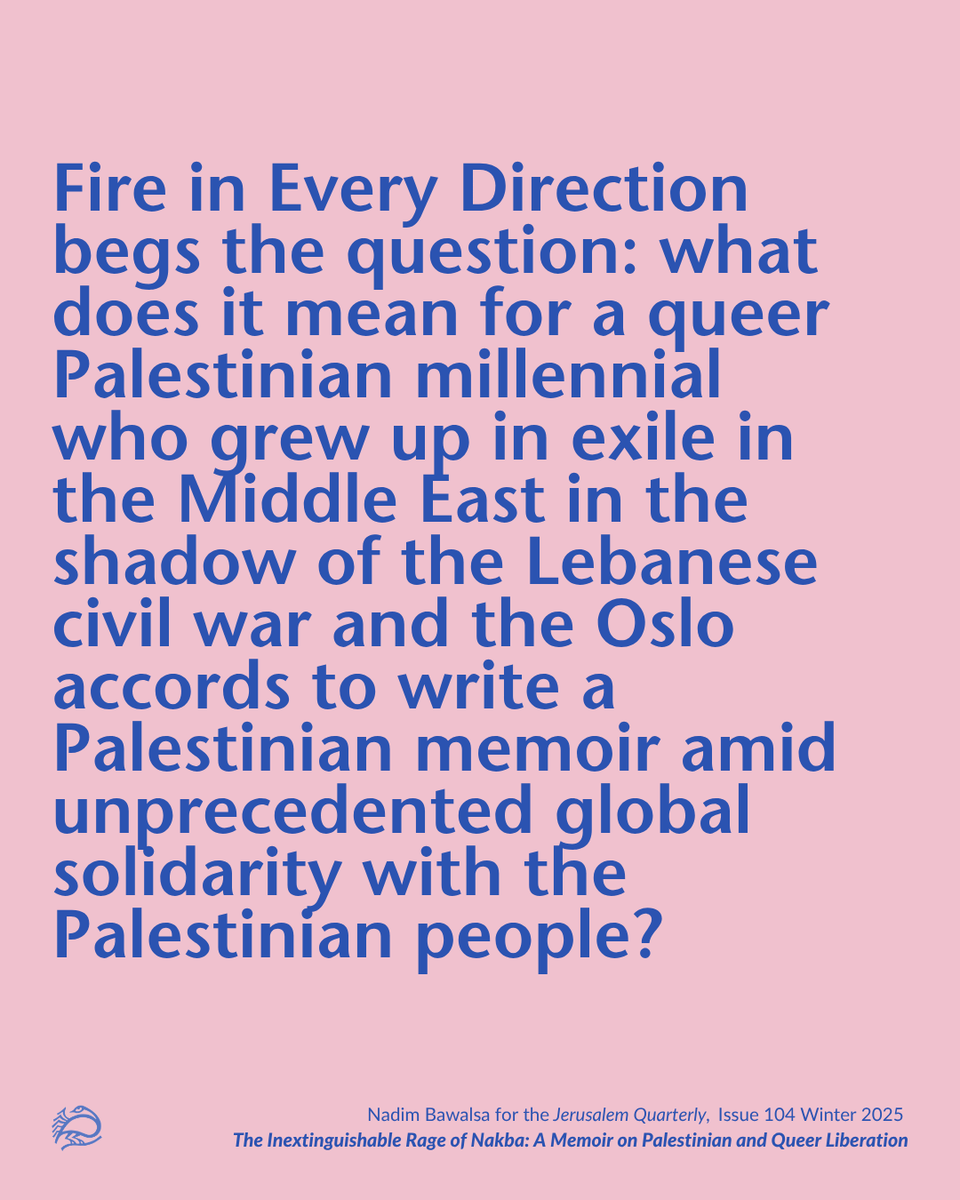
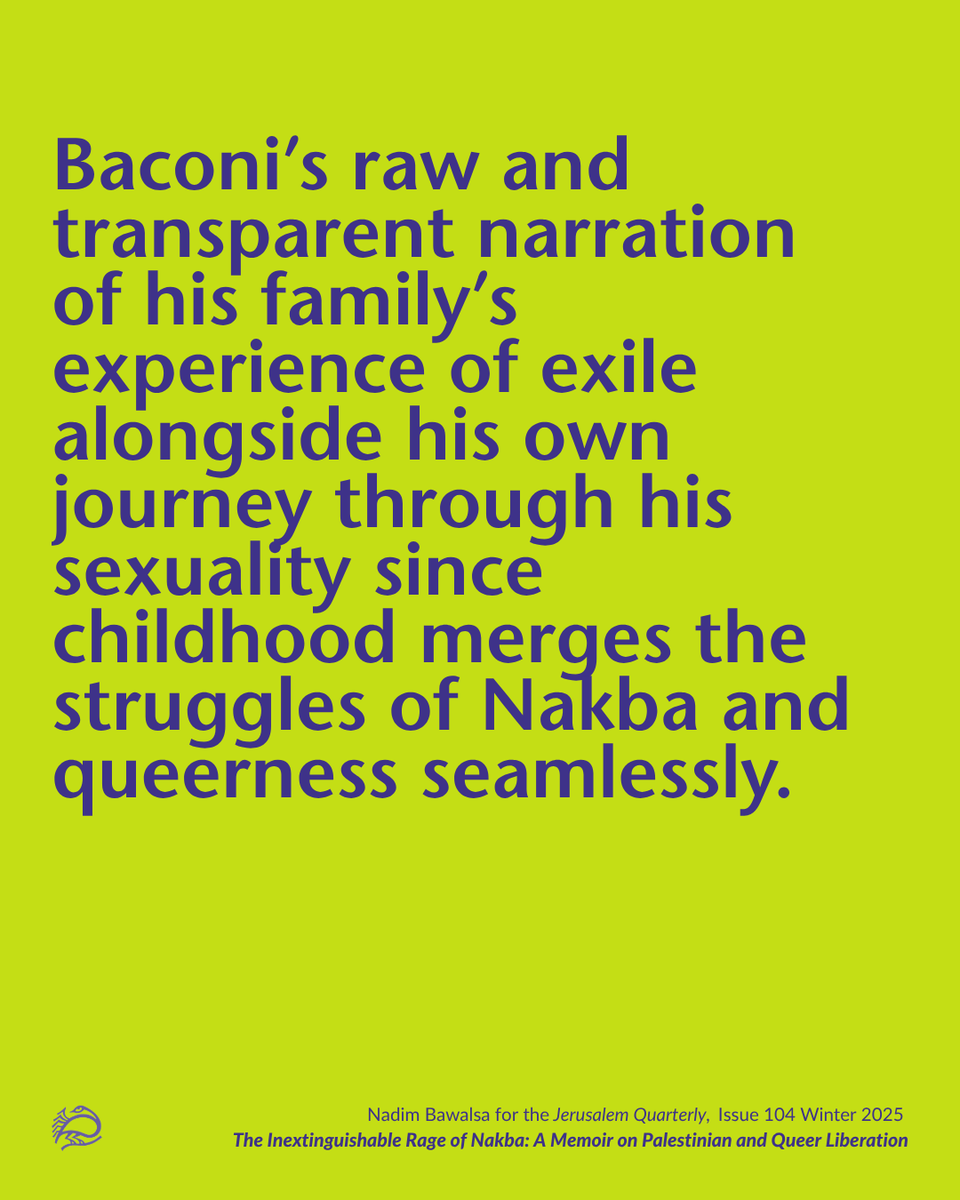
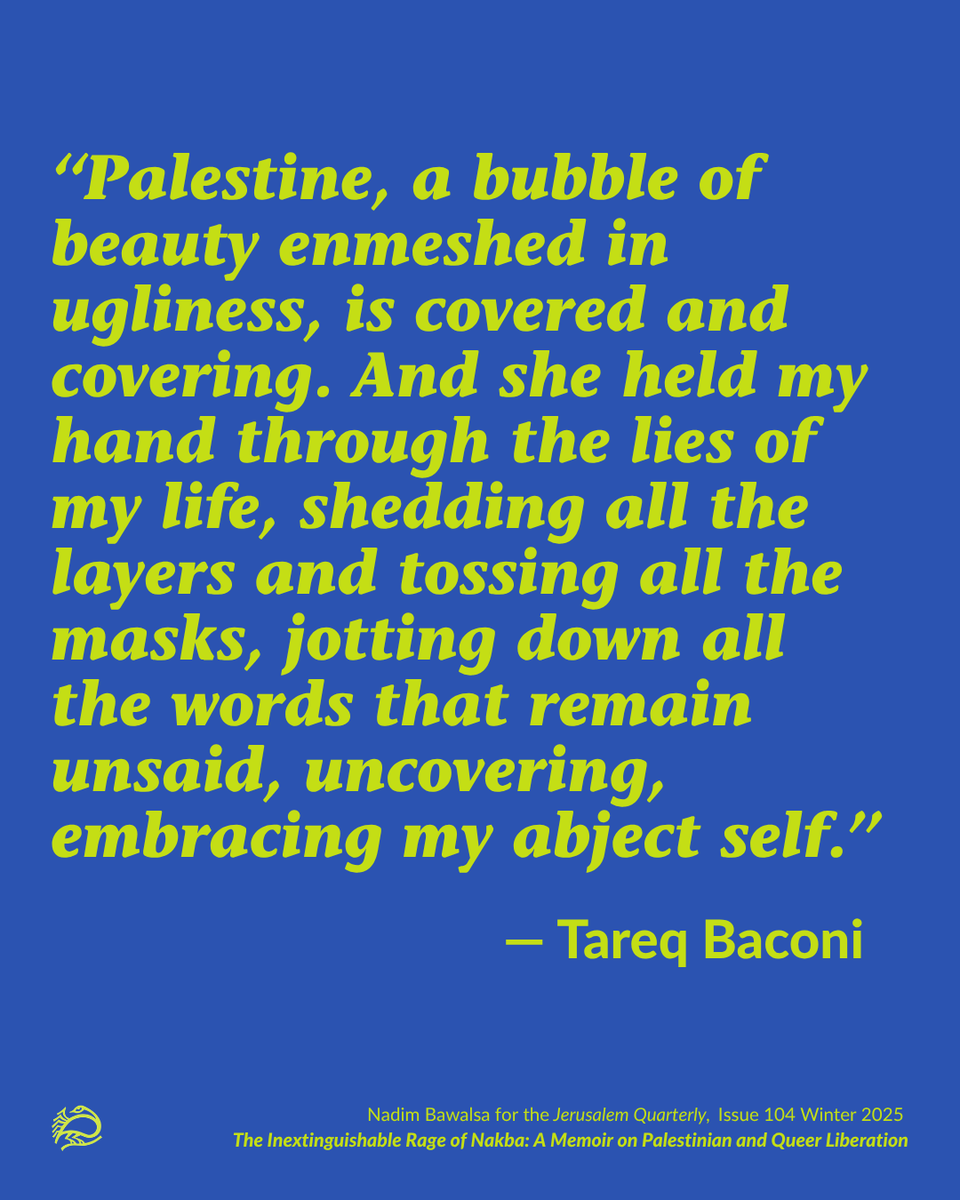
In this review of Tareq Baconi's memoir, Nadim Bawalsa describes Baconi's striking alignment of his experience as a Palestinian in exile with his journey to queer liberation.
Fire in Every Direction, Bawalsa argues, is a tribute to the queer Arab, to anguished millennials, to Amman, and to every Palestinian struggling with the rage of injustice. Palestinian exile, as Baconi vividly shows, is ongoing Nakba and, until liberation, it is fire in every direction.
Read it on our latest issue of the Jerusalem Quarterly.
https://t.co/M75jEDRfEE
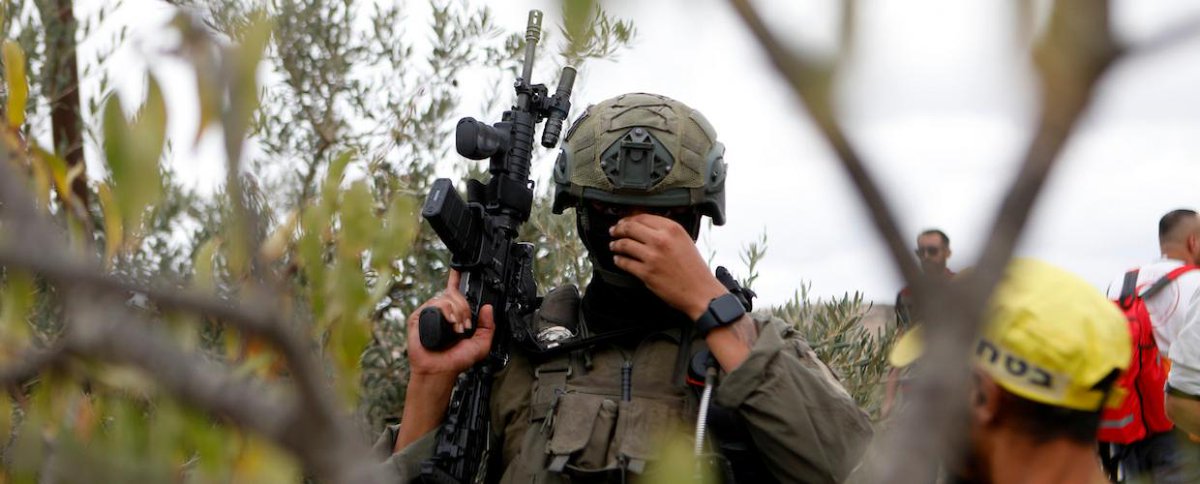
Palestinian farmers are being driven from their olive groves by settler violence.
At a Crisis Action briefing last week, Palestinian farmers’ representatives and humanitarian workers warned that settlement expansion and escalating settler violence are threatening livelihoods, displacing communities, and eroding a tradition central to Palestinian life.
Laila Alqaddumi reports: https://t.co/3KfxPVnvV7
Translated into English for the first time by one of the greatest living translators from Arabic to English, Tarif Khalidi, Kanafani offers one of the sharpest social and political analyses of life in Palestine in this early period of occupation.
Order the book: https://t.co/PfWTPDZgt3
Join Rashid Khalidi, @IbtisamAzem, & @BashirAbuManneh to launch the first English translation of Ghassan Kanafani's "Palestinian Resistance Literature Under Occupation, 1948-68" in New York on Wednesday!
RSVP for free now: https://t.co/NkHRenWNSQ
I was interviewed by @PalStudies’ Palestine Square blog about Terms of Servitude. I give a breakdown about the term digital settler colonialism and the actionable potential of analytical categorization: https://t.co/2F9WHmTlKm
Special thanks to @annarajagopal
Eighty-five years ago, May Ziadeh passed away in Cairo, leaving behind a remarkable legacy as a pioneering feminist, public intellectual, and one of the great figures of the Arab Nahda, or Arab cultural renaissance of the late nineteenth and early twentieth centuries. Read her Biography on #PalQuest: https://t.co/uWr4u04MQi
🧵In October 2021, Israeli authorities demolished parts of al-Yusufiya Cemetery in occupied Jerusalem to make way for what was described as a “Biblical Park.” The cemetery, located near the Old City and the Haram al-Sharif compound, contains graves dating back centuries, including those of Palestinians: https://t.co/F34FM9Hg2s
Five years later, plans for a biblical heritage park in Silwan continue to be linked to demolition and displacement pressures in al-Bustan, while settler-led tourism and archaeological projects in the area continue to expand. 🧵