One silver lining in this whole LFP cell saga is that we have Ola electric that has developed LFP and NMC cells inhouse and they're on the verge of entering mass production. Exide avoided export control by early mover advantage. Smaller players and startups are the only
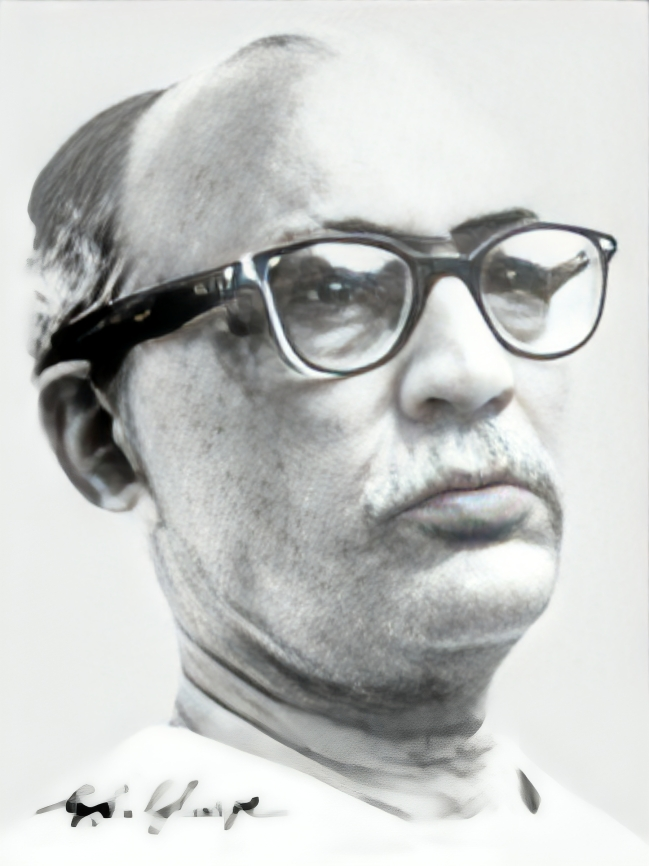
The father of Indian sociology, GS Ghurye, lamented at the inescapable fact that the politicization of caste was a conscious design by the British that seemingly could not be stopped.
He traced colonial policies encouraging caste division as a deliberate project to smother the fires of nationalism.
Even more despondent was the fact that so many anti-Brahmin or caste movements quickly spiraled into fealty towards the British & rank anti-nationalism. He suggested that the British were so unusually receptive to caste mongers compared to other more pertinent & dire Indian causes precisely because they knew such movements hurt India's freedom struggle.
Prophetically, he pointed out how caste quotas, reservations, and policies would simply invigor the spirit of caste rather than snuff it out.
Having met a decent number of innovators and tech folks in India, I can confidently say that if you give good engineers enough resources, time, and freedom, they can solve most complex problems.
LFP is not some holy grail. The difficult part of CELL today isn't that India doesn't have capable cell engineers. The bigger gap is that we don't have enough machine makers who can build precise machines at scale, and we don't have enough large businesses willing to take the risk of building technology in India.
The problem with Reliance, Adani, Jindal and many other large groups is that they largely don't want to build technology. They either want to trade products or acquire companies that have already built the technology.
As long as large companies prefer trading technology over building it, SMEs and startups will struggle to build products. They can use their supply-chain, capital and distribution muscle to capture the market before smaller companies get enough time to prove and scale their technology.
Kaveri Dry Engine has completed key evaluation milestones and is now progressing toward CEMILAC certification. If cleared, India could achieve an important milestone in indigenous military engine development.
Indian corporates think technology acquisition works like some bhandara where they will come in brokering “market access” to India, and global tech / IP owners will fall over themselves to hand them cutting edge technology in jet engines, drones, semiconductors and energy storage.
A small cabal of sold out dalaals has been pushing this fiction and driving India to erect trade barriers without undertaking sufficient domestic reforms - they cheer when some corporate does a JV as if that JV will yield IP transfer, presuming foreign IP owners are foolish.
Nothing could be further from reality, and this deep delusion is reinforced for business owners by systems and cultures of their own making. They should know and do better.
Nobody is going to hand over technology. You can only own it if you build it. That requires R&D investment and a change in internal culture.
Wake up and smell the coffee ☕️
Indian corporates need to change and evolve - reset how organizations are structured, invest more in research.
Good, creative people will not work with lala outfits. Shape up, or be prepared to be shipped out.
@_tyler_durdn_@brickandmorta11 Dehatis dont want socialism they just want free things , ask them to distribute their land to their poorer neighbour and see their real face .