The PANTROP research project aims to understand & predict the resilience of tropical forests to human impact. Led by @PoorterLourens and funded by @ERC_Research
PANTROP is a scientific pantropical project which advances our understanding of how human-driven climate change, landscape degradation, and biodiversity loss affect forest recovery. Interested in #tropicalforests#biodiversity#forestresilience#forestrecovery? Follow us!
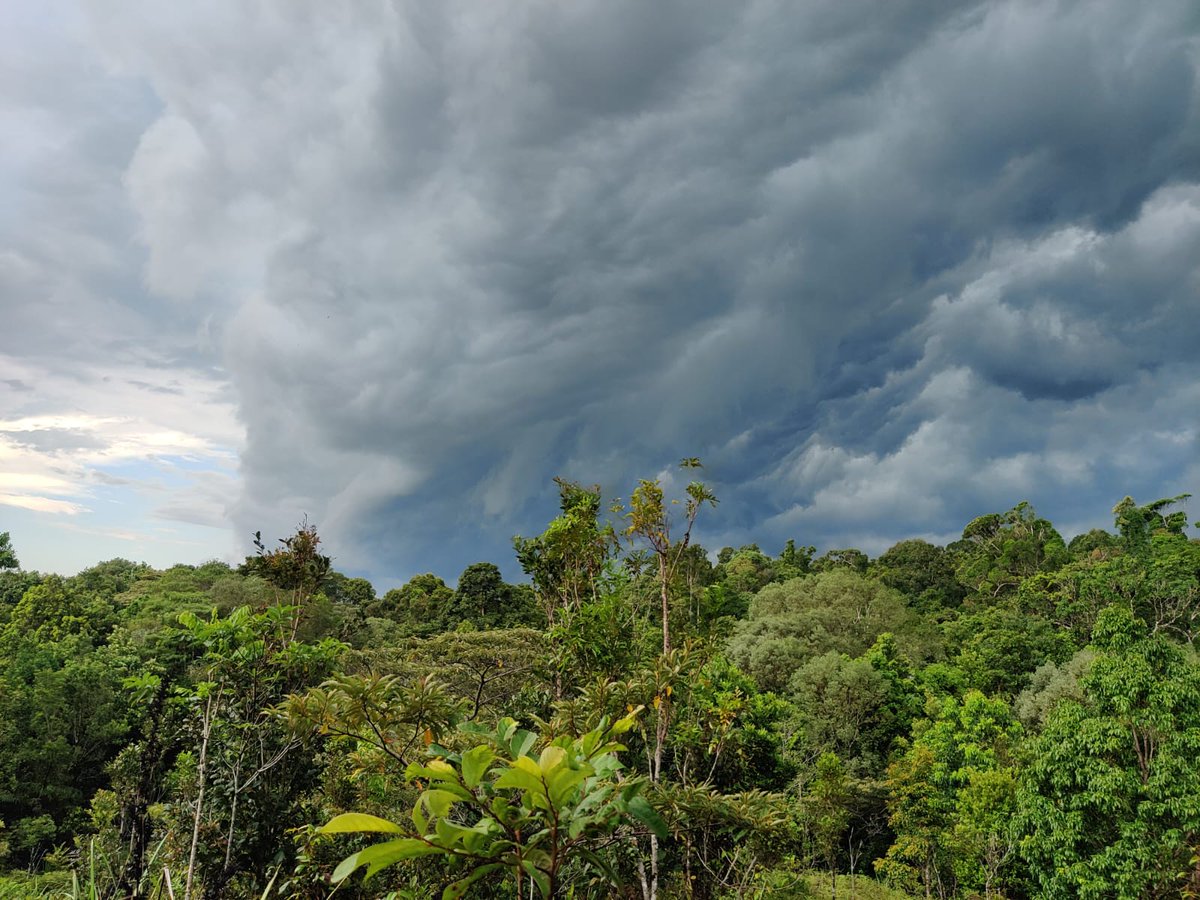
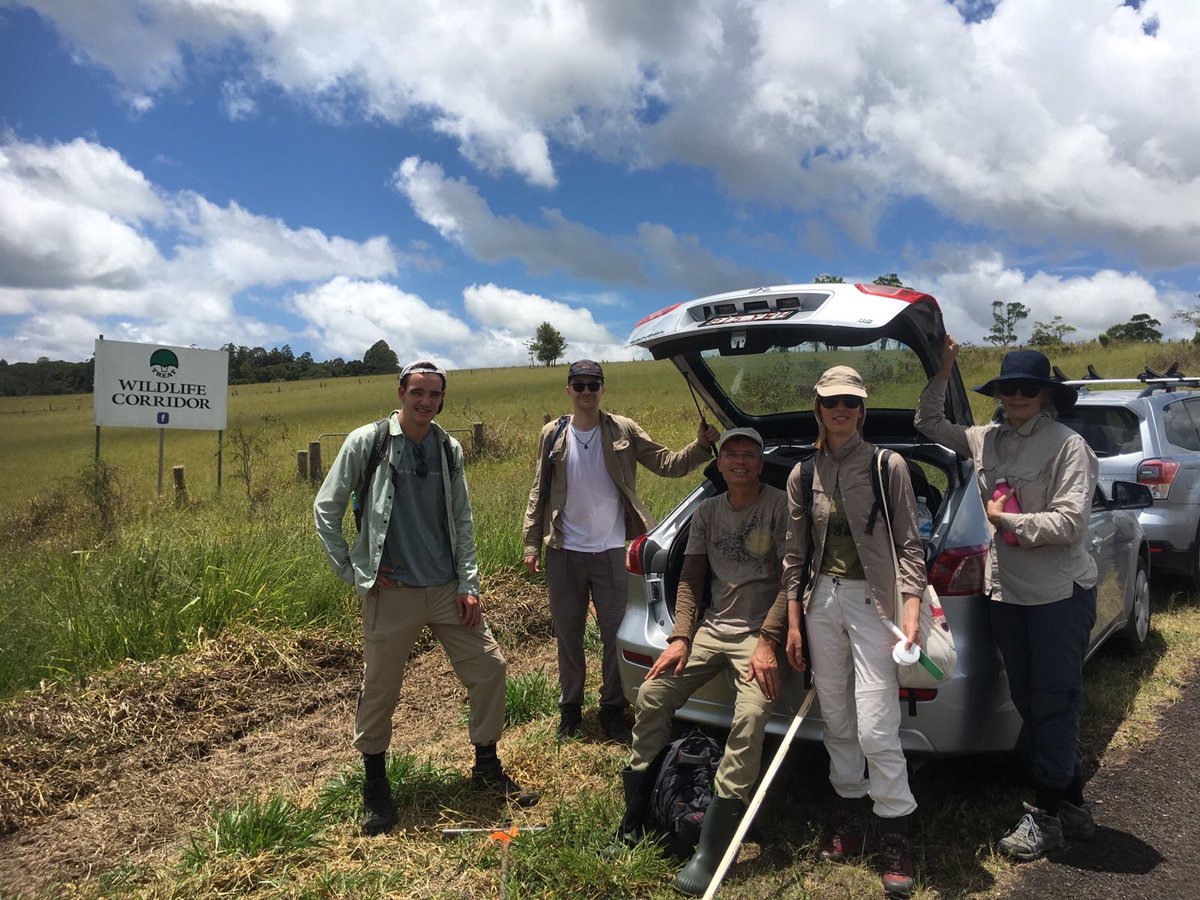
Wondering what happened in the next few minutes? Well, we had to leave the plot and walk fast to the car to not get too wet. But the pre-storm sky was beautiful! Picture credits: Reinoud van Giersbergen
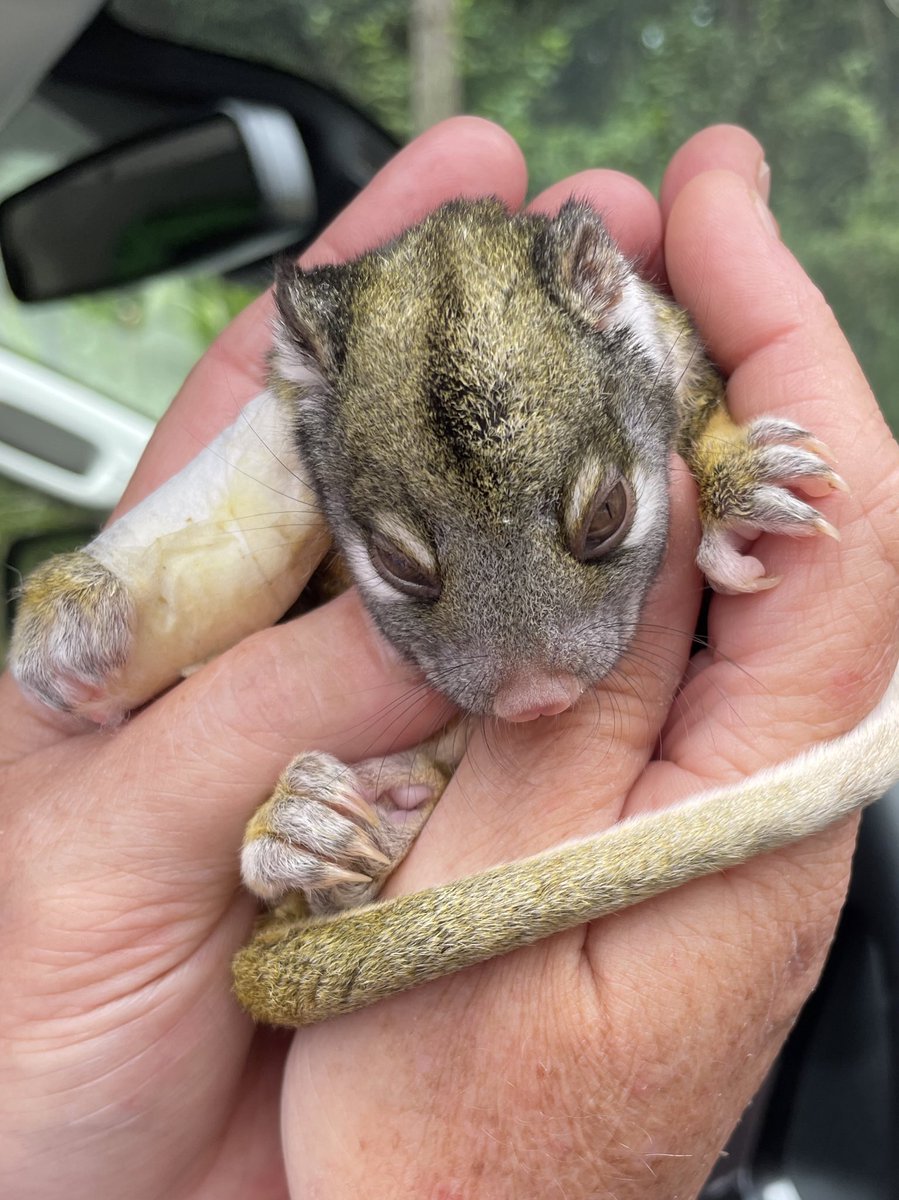
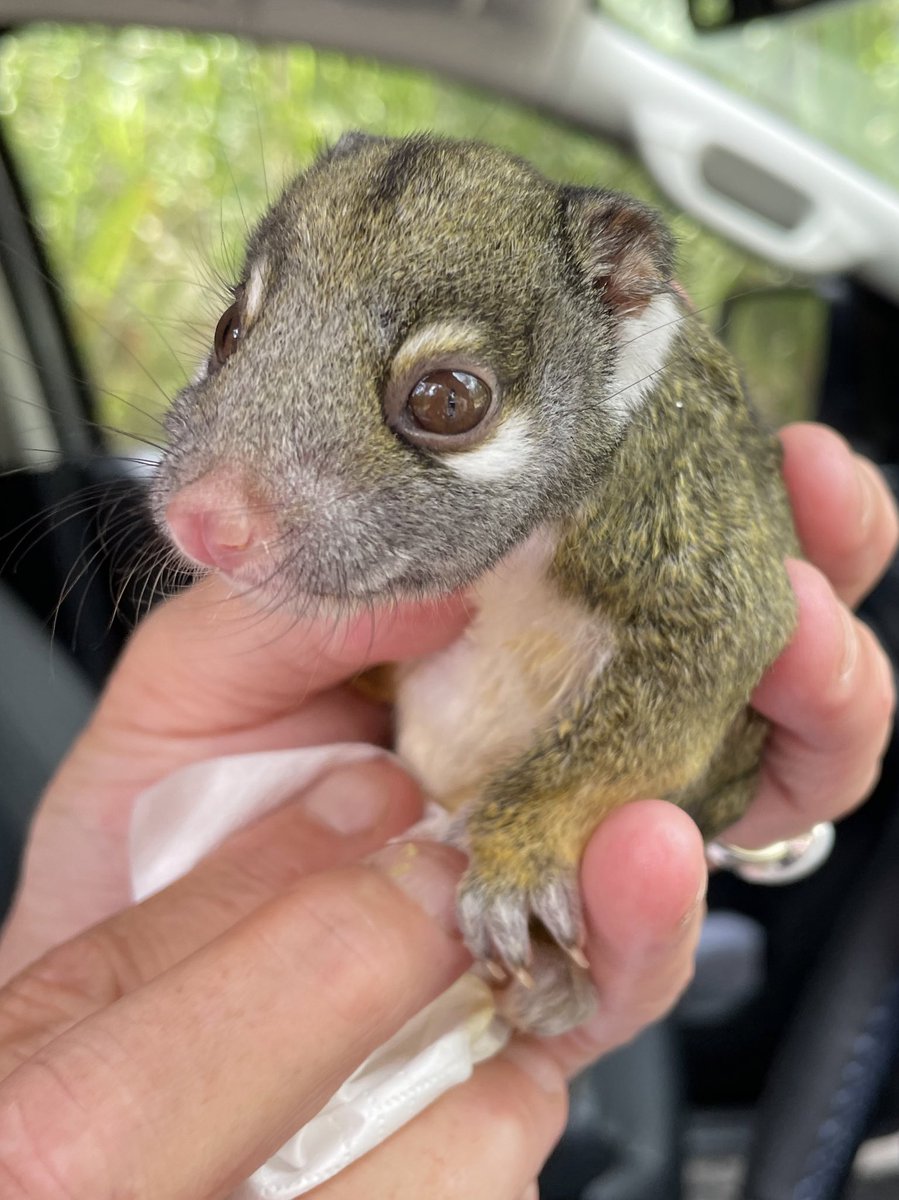
While looking for field sites for our tropical forest successional study @PantropEu, a land owner showed me this little cutey & I was convinced it fitted our selection criteria 😀
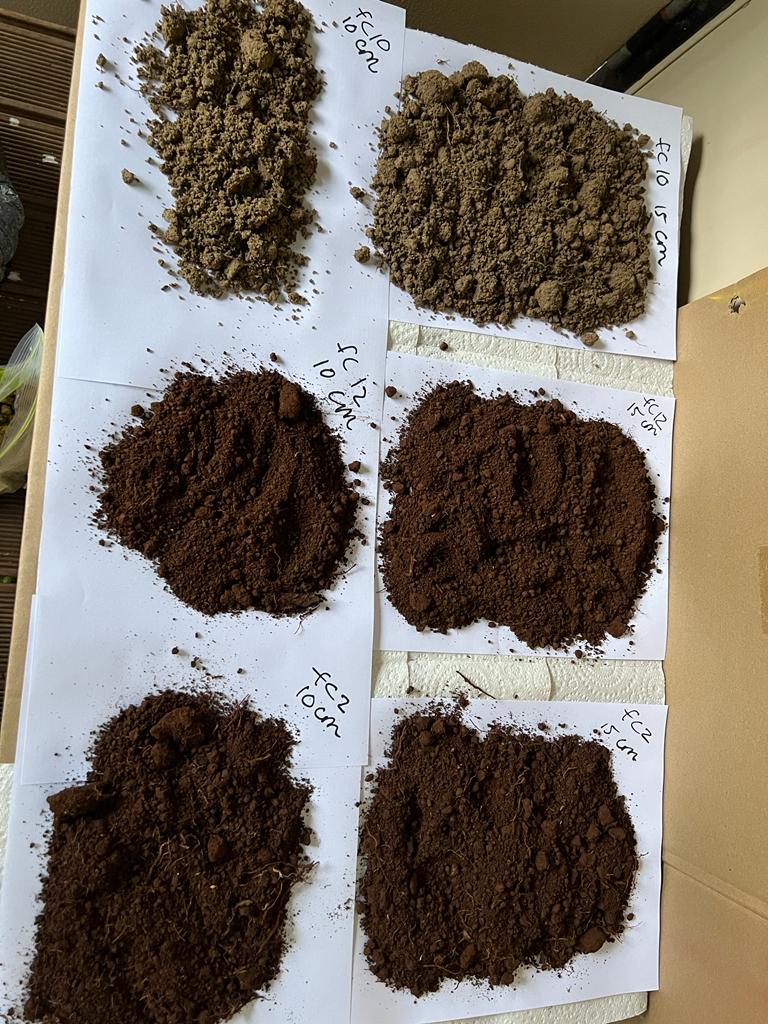
Look at all these different soil colours and textures! They are all taken in the Atherton tablelands area in Australia, but show very different properties and characteristics.
The PANTROP team @PoorterLourens @hordijk_iris has the opportunity again to work in Australia! Thanks to @SusanGWLaurance we found all the already established plots and many new plots to measure. Living the Australian PANTROP dream✨
Did you ever consider the effect of past land-use for the recovery of forests? @CataJakovac et al reviewed the literature and found that land-use history plays a central role in driving successional pathways within human-modified landscapes https://t.co/nYOep21tBG
Tree species richness recovers faster than tree species composition. Secondary forests take a median of 5 decades to recover species richness of old-growth forest (80% recovery after 20 yrs). Recovery of species composition takes centuries (only 34% recovery after 20 yrs).
Do you know how fast secondary tropical forests reach biomass values comparable to old growth forests?@PoorterLourens et al found that it took a median of 66 years before Neotropical secondary forests recovered 90% of old-growth values.That's pretty fast! https://t.co/i2TYqWTzcw
Our PhD student Tomonari Matsuo wrote a blog titled "The important lesson during my fieldwork". It's about finding a balance between managing large teams in the Ghanaian forest and measuring trees yourself. Check it out here! https://t.co/Ellz1sC0m2
There are also many master students involved in the PANTROP project! Check out our webpage for an overview https://t.co/AbaYmCs8vN Are you currently doing your MSc studies @WUR and are you looking for an internship or thesis subject? Contact us!
What are you doing these months? Before our holidays we gathered (live and online) at the #atbc2022 and shared our research on tropical forests. @rodrigomaviles gave such a good talk that he received the Alwyn Gentry award, congratulations!
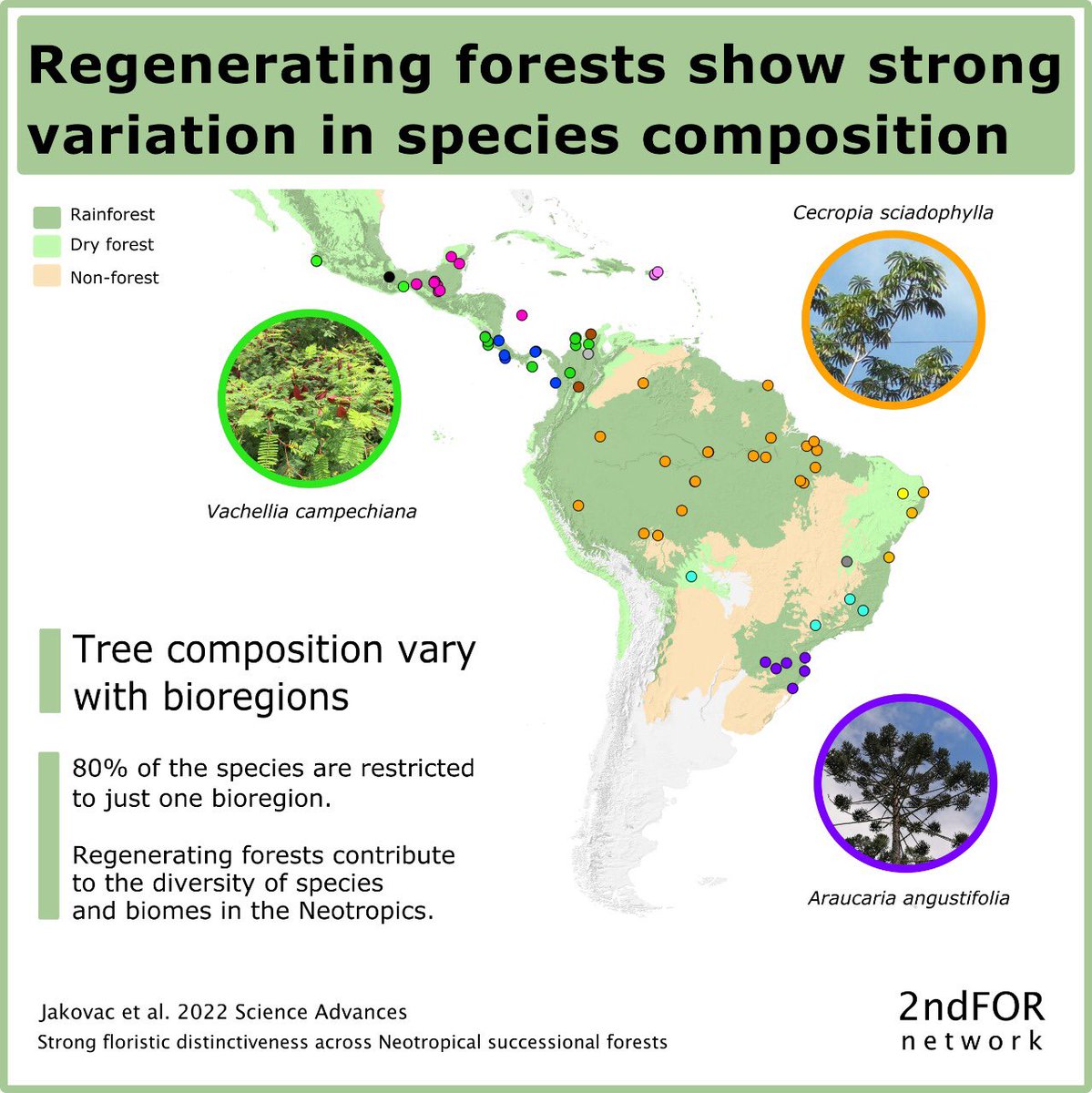
Young #secondary#forests show strong floristic variation across the #Neotropics, with 14 regions differing in #species composition. This is surprising, as it was thought they would be dominated by a few widespread pioneer species.Jakovac @2ndFOR1 in ScAdv https://t.co/dzuGEx3c42
This is something we have long be waiting for: some initial results to share! In the dry forest in Mexico we find that the the number of newly measured trees are mainly resprouts in the first year, while the percentage of resprouts decreases in the second year.
As biologists we are always curious what flies, flaps, slides and walks around us in the forest. One night we caught two nectarivorous bats with @fernandoguals! Watch the video and look at those tongues (and super cute noses).
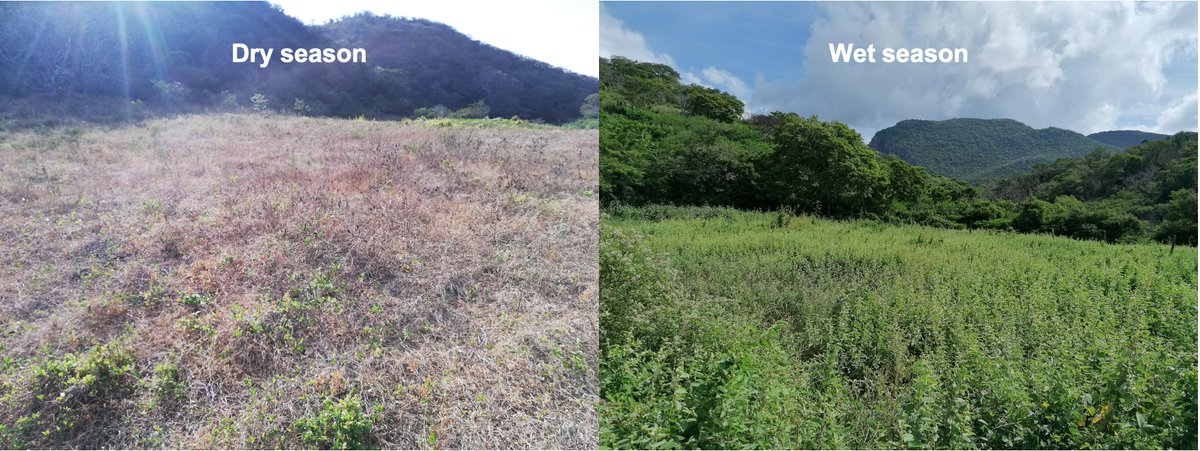
Our driest PANTROP site is the dry forest in Mexico. Look at the tremendous difference in vegetation during the dry and wet season! During the dry season the non-woody vegetation dries out and dies, while in the wet season (June-Oct) everything comes alive again!
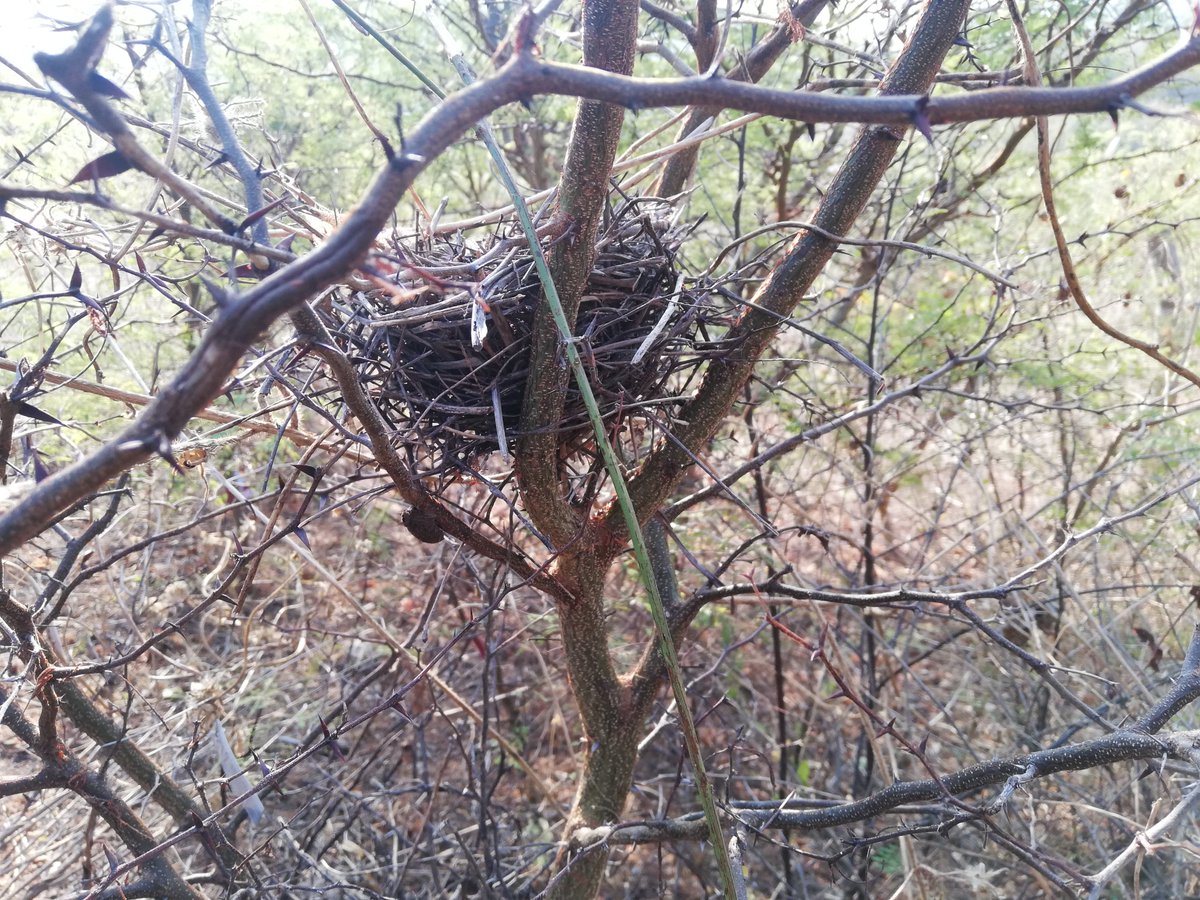
Looks what we have found in our two year old secondary forest in Mexico! We are not only facilitating tree regeneration at our research sites, but also creating a habitat for animals🦜