When I was a child of ten I went down on my bare knees by my bedside one night and promised God that I should devote my life to an effort to free my country.
I have kept that promise. As a boy and as a man I have worked for Irish freedom, first among all earthly things. I have helped to organise, to arm, to train, and to discipline my fellow-countrymen to the sole end that, when the time came, they might fight for Irish freedom. The time, as it seemed to me, did come, and we went into the fight. I am glad we did.
We seem to have lost.
We have not lost.
To refuse to fight would have been to lose; to fight is to win. We have kept faith with the past, and handed on a tradition to the future.
- Irish freedom fighter Pádraig Pearse, May 2 1916
He said that aul ones would allow them to take old chairs, tables, random bits of wood etc away for their bonfire when asked (which allowed for some last minute spring cleaning)
I was talking to an aul buck earlier today who mused on his memories of robbing other 'gangs' timber to add to their own bonfires. 'Stand in the city tonight and watch the smoke rise like indian codes.'
@ParishGold@32contae Apparently back in the day there was killings at or over these, lads would steal another towns bonfire, or even May bush and there'd be reprisals
Young working-class lads of Luimneach in tracksuits, lighting mighty bonfires to honour Lá Bealtaine, carry the flame of ancient Gaelic tradition twelvefold more than the new-agers with their painted faces and pseudo-pagan carnivals today.
Ask the high rising spears, of our aspirations Bring witness the swords, did we lose hope We are a band, honor halts our souls Of beginning with harm, those who won't harm us White are our deeds, black are our battles, Green are our fields, red are our swords.
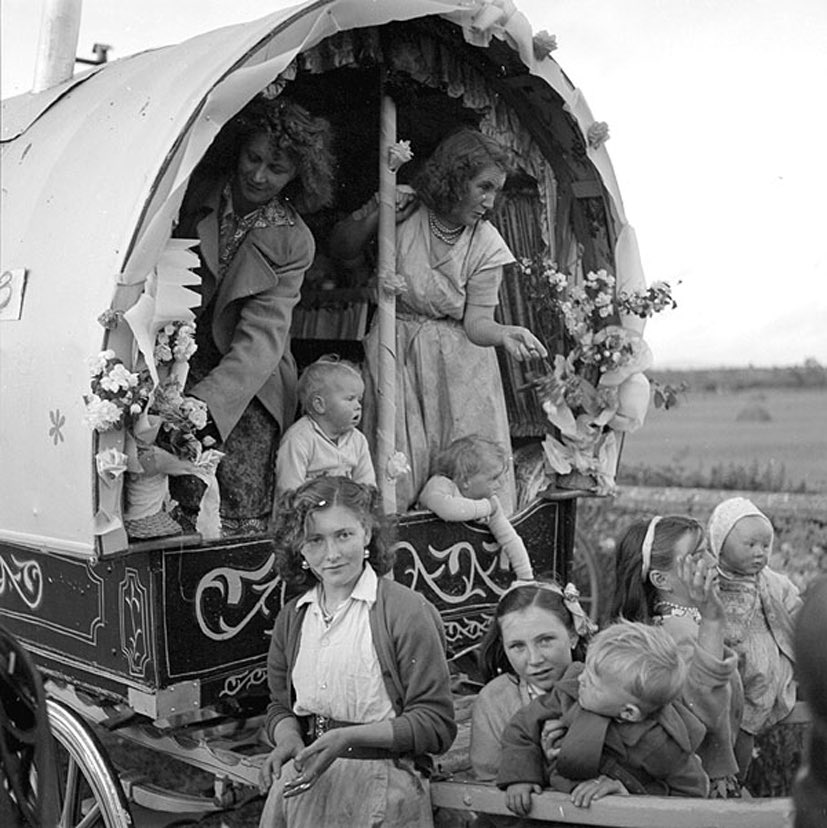
This raises the question of the origin of the Mincéirí. Are they descendants of a different mythological race to the Tuatha Dé — did they come from the Otherworld?