Can neutrality survive as conflict drags on in the Middle East?
Oman offers a fascinating case study.
Parley Policy's Frank Filler examines Oman’s longstanding policy of neutrality and quiet diplomacy as the Gulf state faces growing pressure from regional conflict, Iranian...
...attacks, and shifting geopolitical alliances.
Drawing on personal insights from a recent research trip, this dispatch explores Oman’s role as a mediator between rival powers, the economic and strategic challenges threatening its neutrality, and future prospects for...
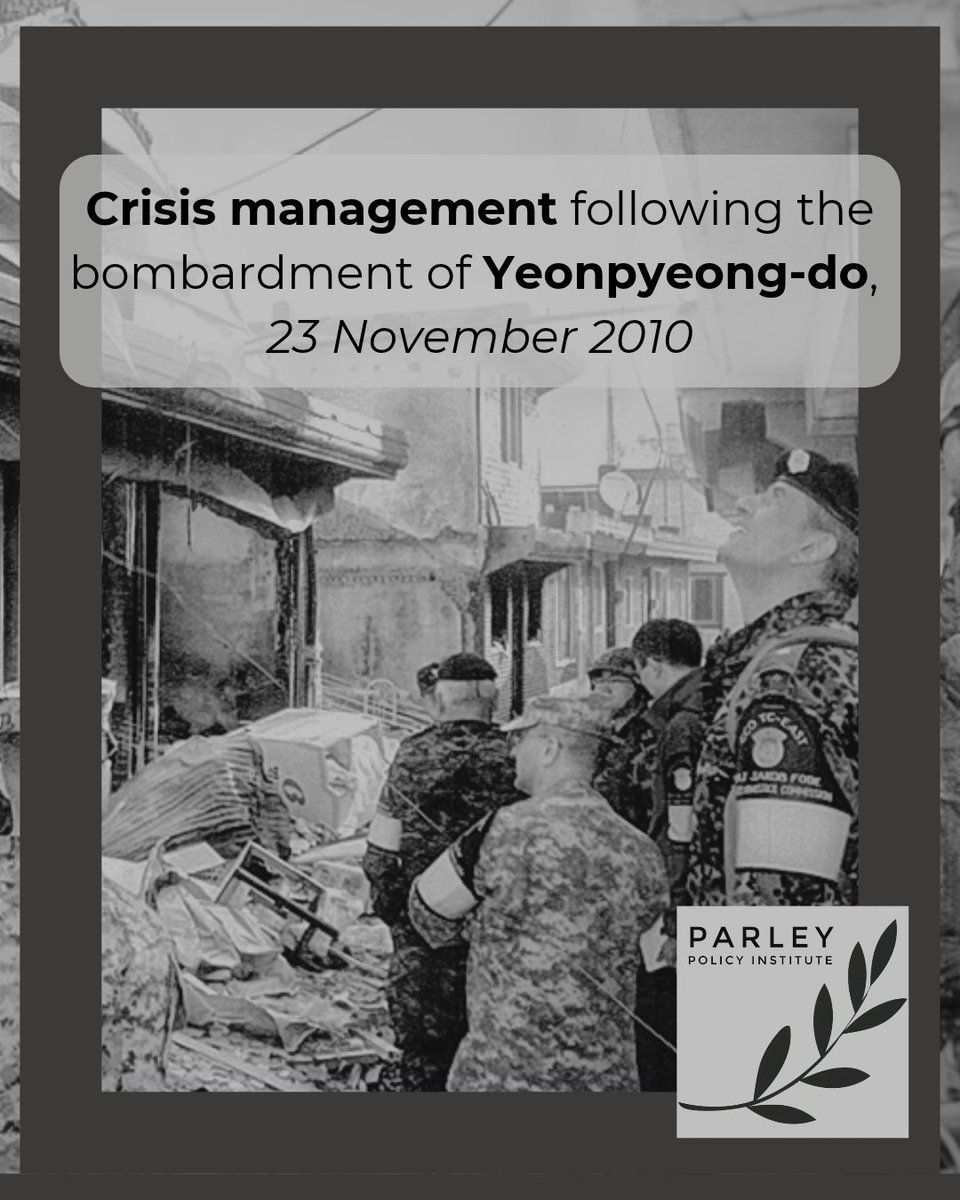
Many people have heard the story of the bombardment of Yeonpyeong-do on 23 November 2010. Fewer know the crisis management actions that followed to mitigate an outbreak of hostilities between North Korea and South Korea.
Through its examination of the Yeonpyeong-do...
...incident, "Order, Options, and Costs: Understanding the Practical Utility of Peace Agreements" offers a comprehensive analysis of how properly designed peace-related agreements can offer mechanisms for disrupting escalation cycles and preventing renewed conflict.
El Salvador's military intervention in Haiti has drawn both praise and consternation for its swift and violent action against local gangs.
Parley Policy goes beyond the headlines to examine the operation and its broader implications.
Link to the full cable below:
The Chinese readout indicated that two sides reviewed the 2026 implementation of rules of behavior related to air and maritime encounters while agreeing upon the agenda for 2027 meetings.
This past week, U.S. military and Chinese People's Liberation Army-Navy officials convened in Shanghai from 18-20 November for a multiday meeting of the Military Maritime Consultative Agreement Working Group.
There was not a joint readout from the series of meetings; rather...
The China side elaborated that the meetings "aimed to deliver on the important consensus reached by the two heads of state and promote the sound, stable and sustainable development of the relationship between the two militaries."
4. The affirmation that a nuclear war cannot be won and must never be fought, adding that the three countries will conduct a dialogue on reducing nuclear risks and preventing the proliferation of nuclear weapons.
At their trilateral summit in Shenzhen, Presidents Xi Jinping, Vladimir Putin, and Donald Trump adopted a joint declaration, the "Declaration toward Peace."
In it, they highlighted four key points:
1. The need to reform the UN.
...
2. The plan to increase production and supply of refined petroleum products.
3. The principle of state consent and respect for immunities of State officials, noting that the ICC and other similar bodies must not abuse their jurisdiction.
...
El Salvador's military intervention in Haiti has drawn both praise and consternation for its swift and violent action against local gangs.
The latest Parley Policy Cable goes beyond the headlines to examine the operation & its broader implications.
Read more here (link below):
...to convene in the near future."
The two had a conversation with Kremlin aide Yury Ushakov on 17 November to "discuss the progress we have made and the next steps in the peace process."
Ukrainian armed forces have brought down a section of the Crimean bridge--the main road and rail route linking mainland Russia to the Crimean Peninsula.
The strike comes as the Kremlin has refused to accept Kyiv's repeated proposals for reciprocal de-escalation.
...
..."Ukraine Defense Contact Group" (aka "Ramstein meeting") to discuss aid for Ukraine.
Meanwhile, Jared Kushner claims that he and U.S. Special Envoy Steve Witkoff have begun "preparing the agenda for the next multilateral meeting, which we are working...