WAKE UP MEKU. 🟠
MEKU SI | TODAY’S PROGRESS
Today, we took another major step toward building the Human Cloud.
✅ Launched our public GitHub developer headquarters.
💻 GitHub: https://t.co/vzviZZNB6y
✅ Built and tested local AI-to-human workflow simulations.
✅ Published MCP integration guides for AI developers.
✅ Launched the Human Cloud Protocol Challenge.
✅ Sent 18 professional outreach emails to AI developers, researchers, and technology media.
✅ Scheduled 8 X quote posts.
✅ Built a system to track development, testing, and adoption.
This is bigger than a token.
We’re building infrastructure where AI agents can request real-world assistance, humans decide whether to accept, and approved work can be paid in MEKU SI.
Our tools and documentation are now public. We’re inviting independent developers to test what we’ve built.
AI requests work. Humans choose. Humans get paid.
🌐 Website: https://t.co/FXd7E8M9dB
💻 GitHub: https://t.co/vzviZZNB6y
🔌 MCP: https://t.co/7wpQx30oyV
The code is public. The challenge is open.
WAKE UP MEKU. 🟠
One of the hardest habits to kick when the weathers this good.
The remedy: Don't Start.
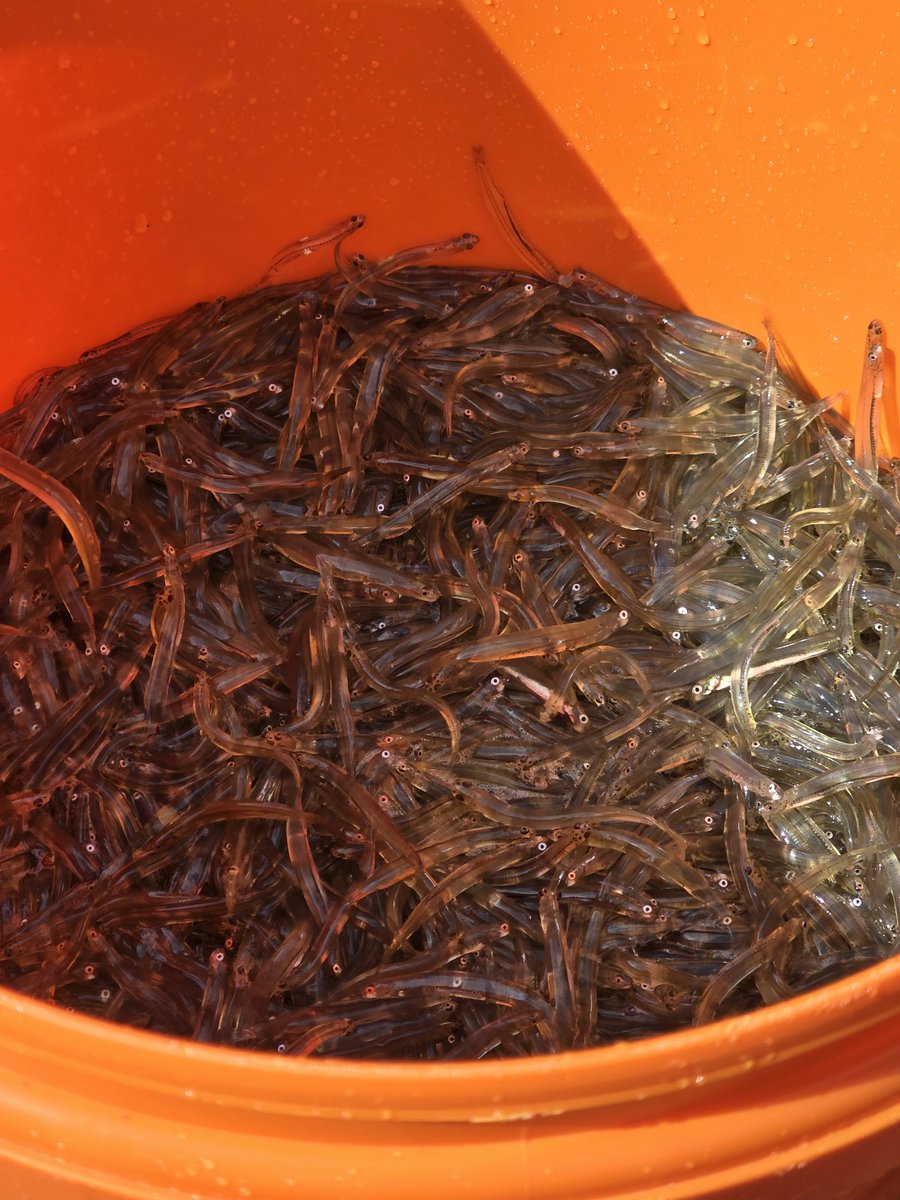
Hardly a whitebait in sight this morning.
The dogs aren't worried one single bit and this wood pigeon doesn't gaf neither.
🦭 SEAL SCROLL GIVEAWAY!
I’m giving away a MAX NFT to one lucky SEAL Scroll buyer!
🎟️ Buy a SEAL Scroll NFT after this post and send me your transaction hash to enter!
🏆 Winner will be randomly drawn once the SEAL Scroll floor price breaks 150 XRP!
Good luck! 🦭
@sealonxrp@Maxthedog77
INTRODUCING MEKU SEEK. 🟠
Today, MEKU SI took its biggest step forward yet.
Let me explain what we’ve built in the simplest way possible.
Artificial intelligence is getting smarter every day. It can write code, analyze information, make plans, and solve complicated problems.
But AI has one problem. It doesn’t have hands.
It cannot walk into a store, photograph a building, deliver a package, or physically interact with the world.
That’s where you come in.
We built MEKU Human Cloud to connect artificial intelligence with real people who can complete real-world tasks and get paid.
And today, we introduced something that brings the whole idea together.
MEKU SEEK.
Think of SEEK as a radar for opportunity.
With one button, SEEK searches for AI tools, projects, potential partners, available missions, and people connected to the Human Cloud.
Instead of waiting for opportunities to find us, we’re building a system that actively looks for them.
But we didn’t stop there.
We also introduced MEKU BEACON.
BEACON gives AI developers a way to discover what our Human Cloud can do and submit requests for real-world human assistance.
Imagine an AI needs someone to photograph a storefront in another country.
It can request that work through MEKU. We review the request, and if it becomes a properly funded mission, an eligible human can choose whether to accept it.
Humans get paid. AI gets things done.
We also brought the MEKU SI buying experience into our website and app, making the ecosystem easier to navigate. Wallet transactions still require confirmation, and we’re continuing to refine that experience.
So here’s what we’ve brought together:
MEKU SEEK: Finds intelligence, projects, and potential opportunities.
MEKU BEACON: Helps AI systems discover and request human capabilities.
MEKU HUMAN CLOUD: Connects real people with real-world missions.
MEKU SI: The native currency designed for transactions within the ecosystem.
MEKU APP: A place to access MEKU, SEEK, and the growing Human Cloud.
And here’s the most important part.
You don’t have to understand artificial intelligence to participate.
You don’t have to write code.
You don’t have to build a robot.
You just have to be human.
Register, explore the Human Cloud, and make yourself available for future opportunities. When suitable funded missions become available, you may have the chance to earn by completing them.
We’re not promising everyone instant income. We’re building the infrastructure that can make those opportunities possible.
For years, people have been asking what happens when AI starts doing human jobs.
We’re asking a different question.
What happens when AI starts creating jobs for humans?
That’s what we’re building.
And today, the pieces are beginning to come together.
MEKU SI. THE HUMAN CLOUD.
Find the intelligence. Find the opportunity.
🌐 https://t.co/FXd7E8M9dB
WAKE UP MEKU.
MEKU SI | MAJOR UPDATE INCOMING
Within the next 24 hours, we’re preparing to introduce something revolutionary to the MEKU SI ecosystem.
A major step forward for both the website and the MEKU app.
We’re building more than a cryptocurrency. We’re building a Human Cloud where artificial intelligence can coordinate real-world tasks, and humans get paid.
The Human Cloud is only the beginning.
@NoahAINetwork@TryNoahAI — I’m reaching out to both teams because I believe there’s a real opportunity for us to build something meaningful together.
I’ve spent three years working toward this. The foundation is taking shape, but I can’t build everything alone.
I’d genuinely welcome a conversation about collaboration, integration, or a long-term partnership.
Let’s connect our technologies and build something that matters.
BREAKING: Israeli spyware is confirmed on our phones. This should be headline news but none of our mainstream media is covering it, of course. So we will.
An Israeli ad company called Discover-Tech used ordinary online ads to plant spyware on people’s devices, and nobody had to click anything. The ad just had to load on a website or inside an app for you to be infected.
Citizen Lab and the ad security firm Confiant published the findings yesterday. Researchers went through roughly 4 billion ad-bidding records and found Discover-Tech ads running on more than 120,000 websites and 70,000 apps between March and June of this year. Confiant says the company was serving at least 10 million ads a day.
The platform was called Controlium. According to Citizen Lab, it let spyware companies use ad auctions to profile and unmask users, then send an infected ad to the one person they wanted to hack. The ads were also pulling cookies and login tokens from the sites they ran on. Israeli corporate records list Dekel Boni as the company’s founding director and sole shareholder.
The main spyware customer was Candiru, the Israeli firm the U.S. government blacklisted in 2021, which now goes by Integrity Labs. Five years after that blacklisting, it was still reaching devices through ad inventory on Google, Comcast-owned Beeswax and Russia’s Yandex. Google had Discover-Tech on its approved vendor list from 2020 until this week.
At least 45 Al Jazeera devices were targeted in 2024 and 2025. Candiru’s 2021 shareholder filings reportedly listed a minority investor described as a proxy for Qatar’s sovereign wealth fund, and Qatar also funds Al Jazeera. If that holds up, Qatari state money was sitting inside the company whose spyware was later aimed at Qatar’s own news network.
The heaviest targeting was in the Palestinian territories, where Discover-Tech served almost 2% of all digital ads and about 10% on April 7. Traffic also reached the Armenian prime minister’s office, courts, universities and defense organizations.
Google and the other ad platforms cut Discover-Tech off after the report came out. What nobody has answered yet is who paid for the ad buys, and how a company working with a U.S.-blacklisted spyware vendor passed vendor review for six years.
I am going to look into this today to see if we can figure out who was buying the ads. Interesting timing considering my article yesterday....
Here's what to do to protect yourself:
(1) Use an ad blocker. Citizen Lab calls ad-blocking a cybersecurity best practice and says there is no consistently safe way to be exposed to targeted ads. On iPhone, add a Safari content blocker. On Android, use Brave or Firefox with uBlock Origin. Ad blockers only work in your browser, not inside apps, so it also helps to delete free ad-supported apps you don’t need.
Kill your advertising ID.
(2) iPhone: Settings > Privacy & Security > Tracking, and turn off “Allow Apps to Request to Track.” Then Settings > Privacy & Security > Apple Advertising, and turn Personalized Ads off.
(2) Android 12 or later: Settings > Privacy > Ads > Delete Advertising ID. Then in Settings > Google > All Services > Privacy & security > Ads > Ads privacy, turn off Ad topics and Ad measurement.
(3) Windows 11: Settings > Privacy & Security > General, and turn off personalized ads using your advertising ID.
(4) Update your phone and restart it often. Many zero-click exploits don’t survive a reboot, so a daily restart forces attackers to reinfect you.
Stay tuned!