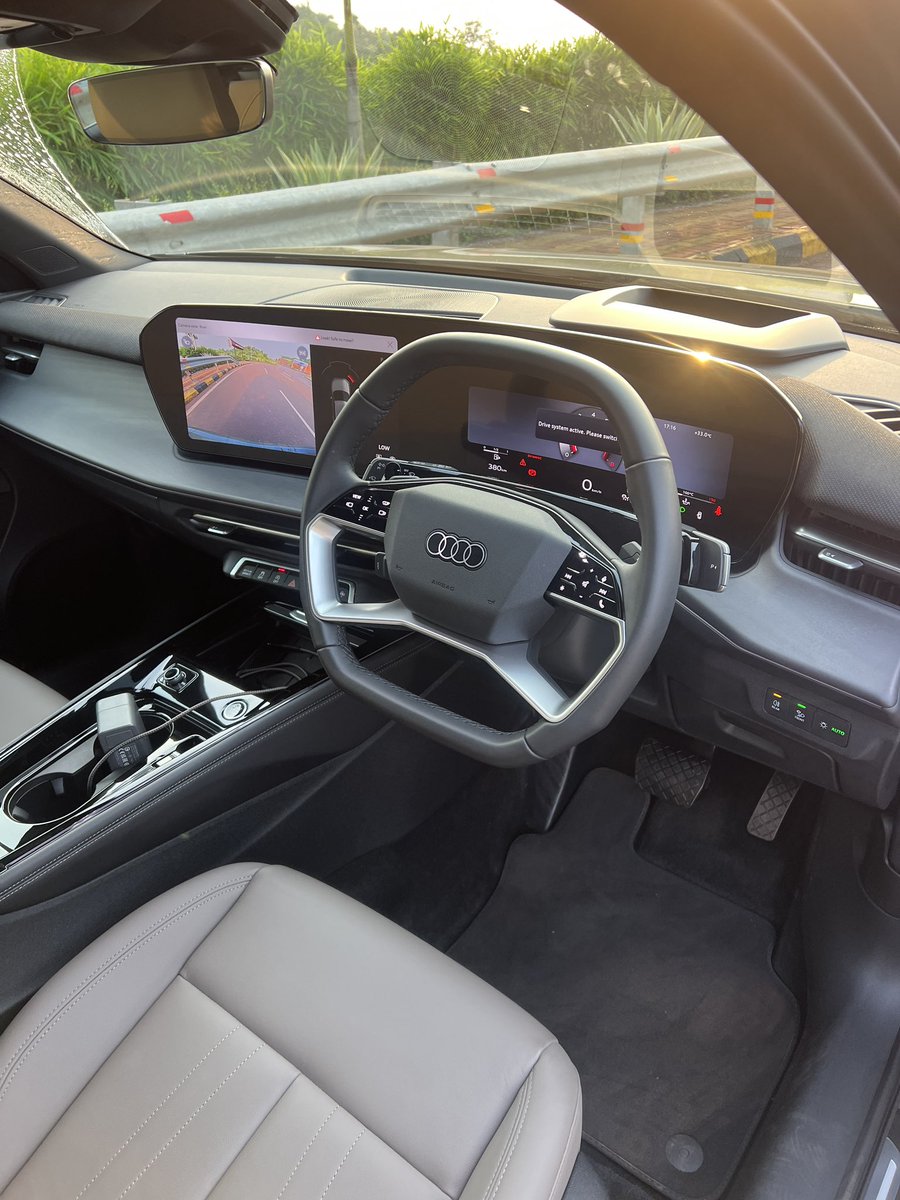
The 2026 Audi Q3 is here and it’s better than ever!
Having driven all three generations of the Q3 extensively, it’s interesting to see how this SUV has evolved over the years. The first generation was a huge success with both petrol and diesel engines, while the second and now the third generation are petrol-only affairs.
The new Q3 gets a 2.0-litre, four-cylinder TSI engine producing 200 HP and 320 Nm. It’s a fantastic engine with great performance and refinement, paired with a smooth DSG gearbox. That said, I do wish Audi had offered a higher state of tune, considering the same output is available in the Skoda Kodiaq and Volkswagen Tayron. The gearbox can occasionally feel confused at low speeds, but it’s quick and smooth otherwise.
What really stands out is the way the Q3 drives. The suspension can feel a little stiff and jittery at low speeds, but the ride gets fabulous as you pick up pace. The handling is excellent by SUV standards, and the steering offers great feel and feedback. This is an SUV that genuinely puts the driver first!
The interiors feel premium, the seats are comfortable, and the design looks fantastic. Plus, its four-cylinder petrol engine is something you won’t find in its direct rivals. However, the absence of ventilated seats, a 360-degree camera, ADAS, TPMS and a full-size spare wheel is disappointing. And yes, the diesel engine is still missing.
Overall, the new Q3 is a very well-rounded package and one of the better driver-focused luxury SUVs in its segment. It has plenty going for it, and I expect it to do well for Audi India.
Prices will be announced on 16th October. The big question is: will Audi price it right?
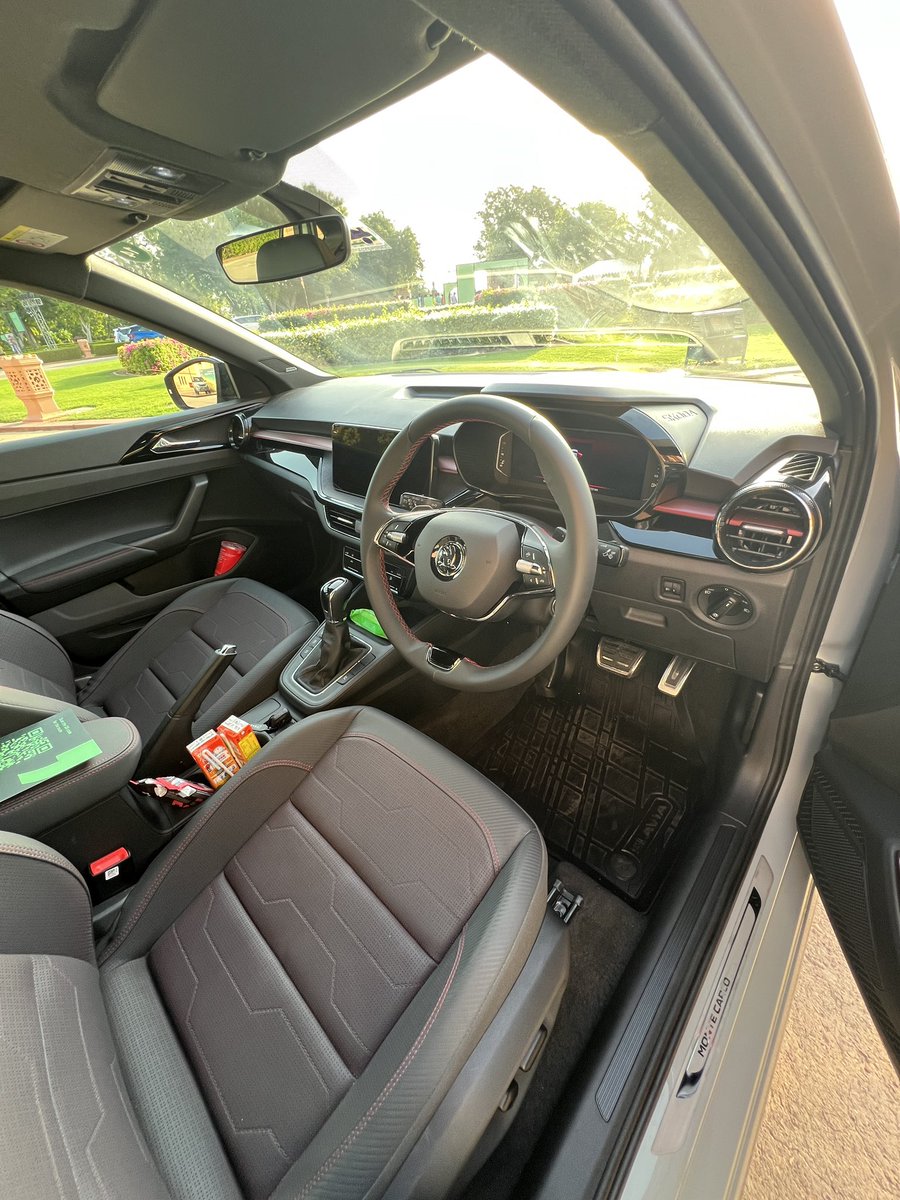
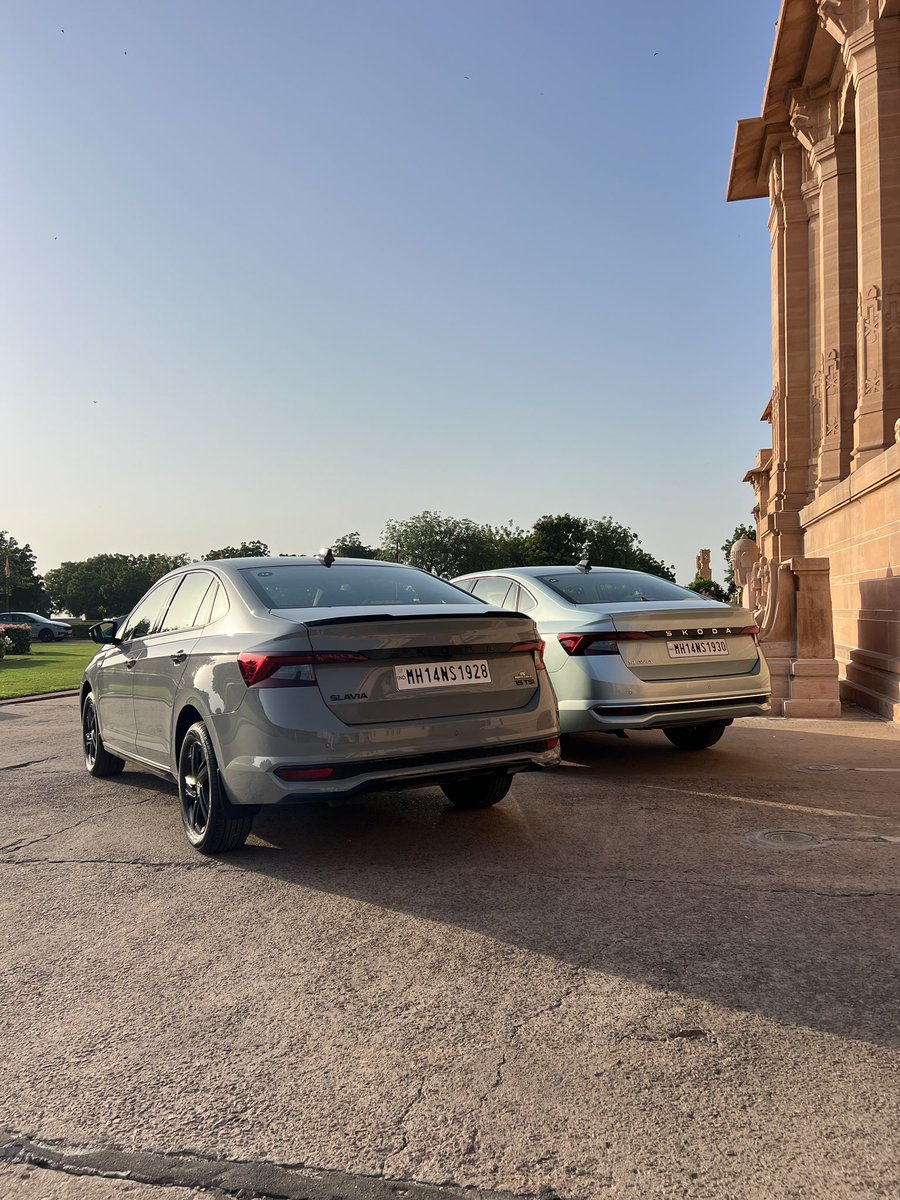
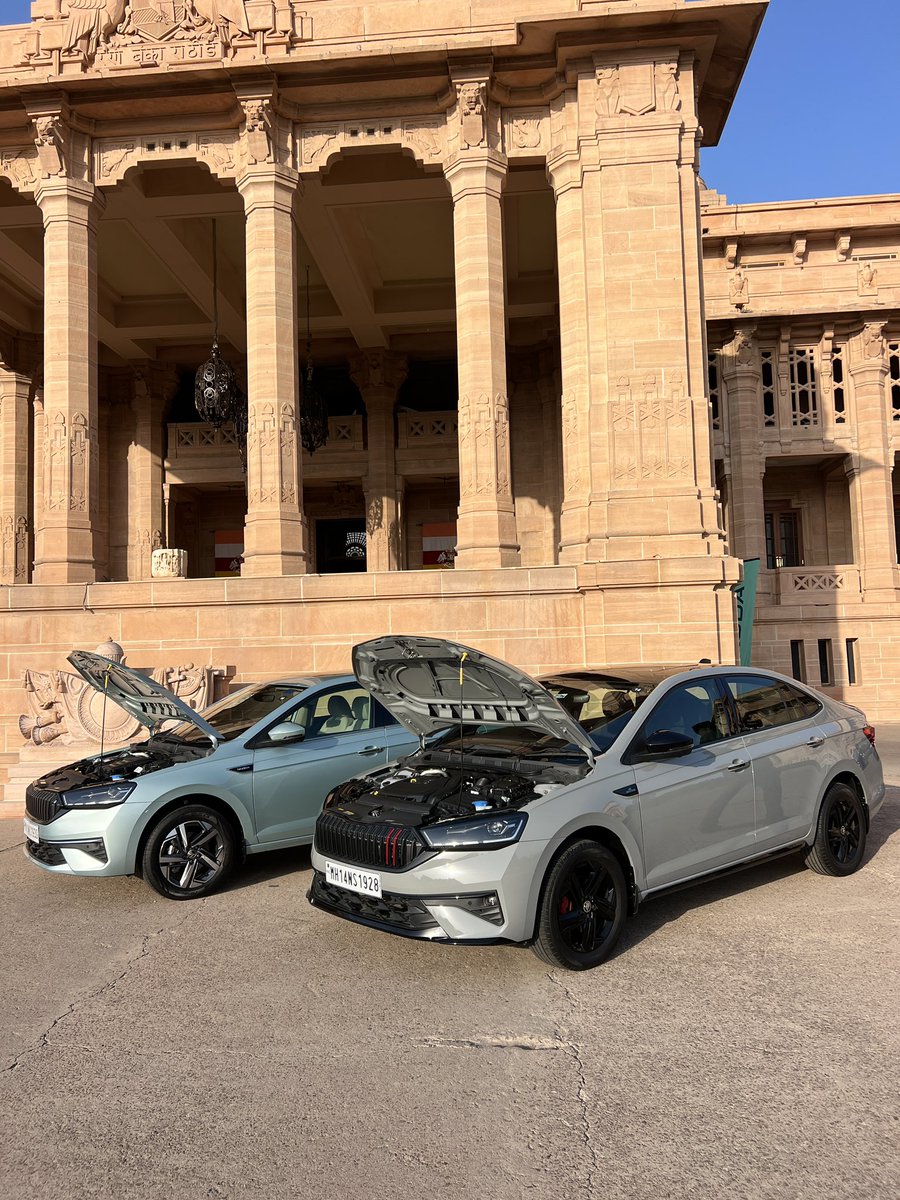
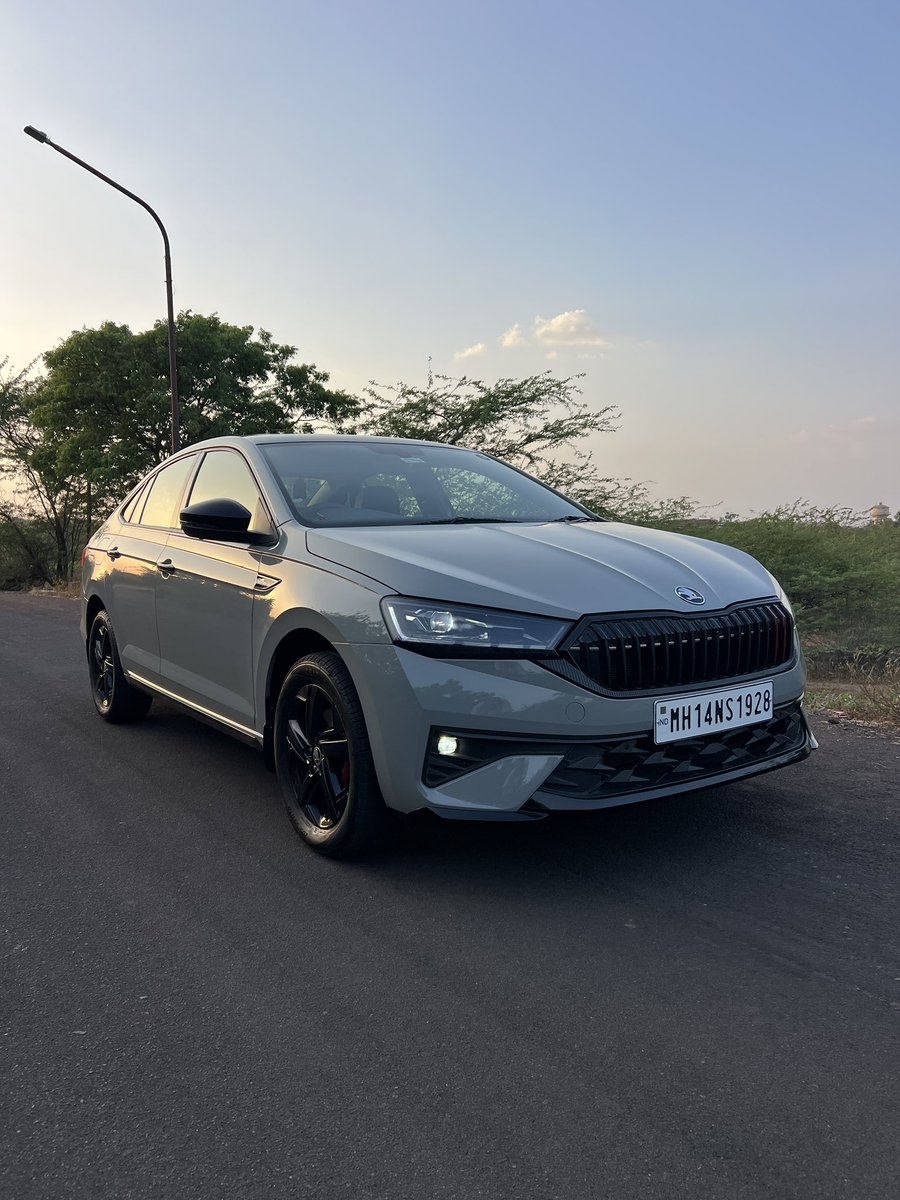
Skoda Slavia facelift has arrived, and while there aren’t any major mechanical changes, there’s one update that makes a big difference - the 1.0 TSI now gets a new 8-speed torque converter automatic, replacing the older 6-speed unit.
The new gearbox makes the Slavia smoother to drive, especially in the city. At highway speeds, the engine runs at much lower RPMs, which should also help efficiency. Even the creep mode feels smoother and less aggressive than before. And honestly, the 1.0 TSI still has enough performance to keep things fun. It definitely doesn’t feel underpowered.
Then there’s the 1.5 TSI. It continues with the 7-speed DSG and gives you considerably more performance. Being a four-cylinder, it is also more refined and quieter than the 1.0 TSI. Sadly, there’s no manual option with the 1.5, so if you want a manual, the 1.0 TSI is the one to go for.
Both engines have their own appeal. If you want more power, the 1.5 TSI is an easy choice. But if you want a fun-to-drive sedan without spending more, the 1.0 TSI is still a very good option.
There are a few other updates too, including a 360-degree camera, rear-seat massage function and some cosmetic changes. The cabin is largely familiar, but these additions make it feel more complete.
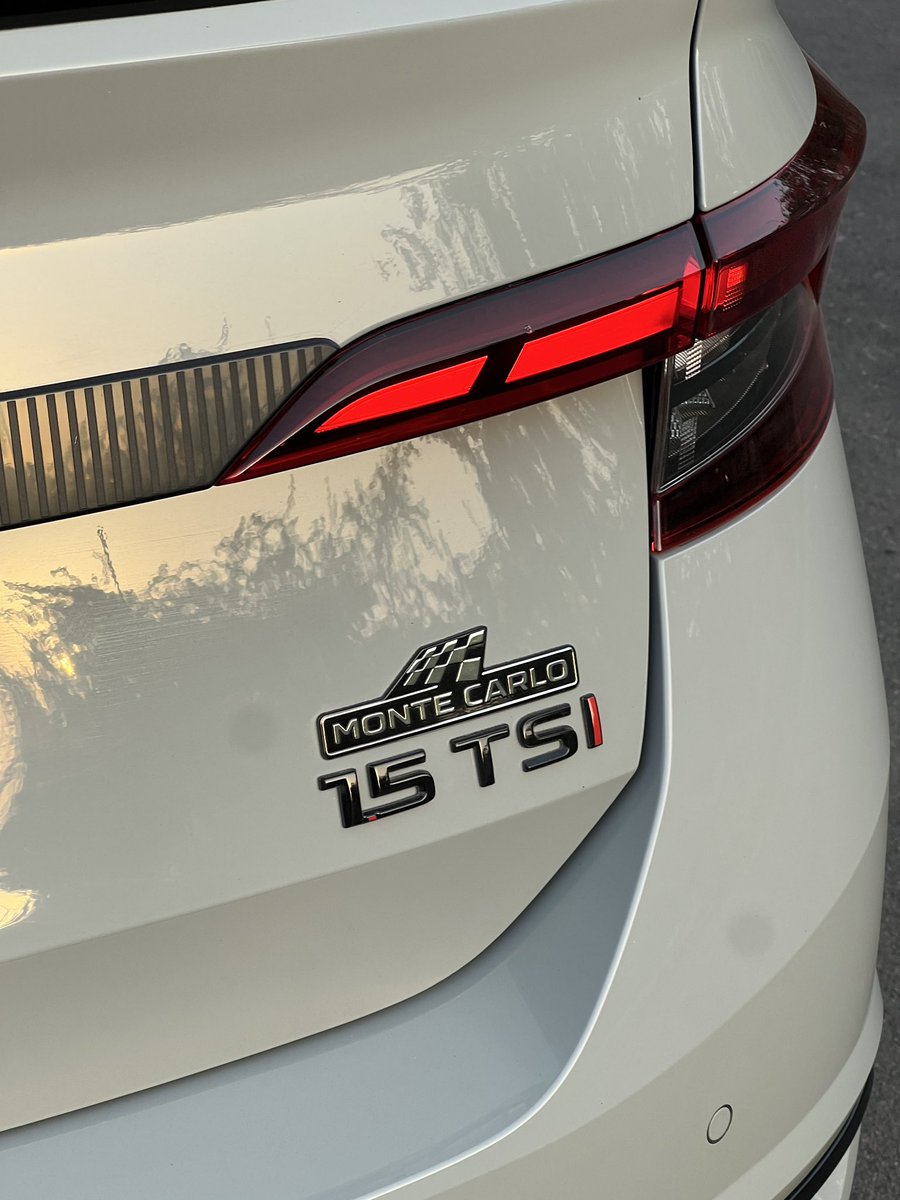
And the Monte Carlo? I really like it. The Steel Grey colour, sporty details and premium feel give it a very classy look.
The ride though firm at low speeds feels quite balanced otherwise and the 179 mm generous ground clearance is a big reason why the Slavia can be considered over compact SUVs.
With the sedan segment shrinking in India, the Slavia continues to be a strong contender for anyone who still wants a proper, fun-to-drive sedan.
Kia Sorento has genuinely impressed me.
I drove both the diesel automatic AWD and hybrid AWD versions, and both powertrains are extremely well sorted. The diesel returned upwards of 15 km/l in realistic driving conditions, while the hybrid is even more efficient and noticeably quicker. What stands out is how refined both engines are. Even the diesel is quiet, smooth and has very little noticeable clatter.
The AWD system is capable, but I’m not sure how many buyers in this segment will actually need it. If you don’t, the 2WD version makes a lot more sense and can save you upwards of ₹4 lakh.
But where the Sorento really shines is ride quality. The suspension is extremely plush and pliant, making it a fantastic SUV for Indian roads. It isn’t as sporty to drive as something like the Volkswagen Tayron or Skoda Kodiaq, but the Sorento prioritises comfort, and does that exceptionally well.
The interiors are another strong point. Fit, finish and material quality are consistent throughout, while the second row gets plenty of thoughtful touches including Type-C ports, storage spaces, AC vents, sunshades and more.
The third row is usable for kids and mid-sized adults, but tall passengers will find it tight, and getting in and out isn’t the easiest. This is one area where the Toyota Innova Hycross has an advantage.
But perhaps the biggest talking point is the fact that the Sorento is locally manufactured in India, rather than being brought in as a CKD. Kia has invested in local sourcing and manufacturing, and that shows in the very attractive starting price of ₹28 lakh. Tayron and Kodiaq have higher entry points.
With multiple variants and powertrains to choose from, there’s a Sorento for different kinds of buyers. And after driving it, I genuinely feel it has what it takes to be a winner in this segment.
Kia might just have another big success on its hands.
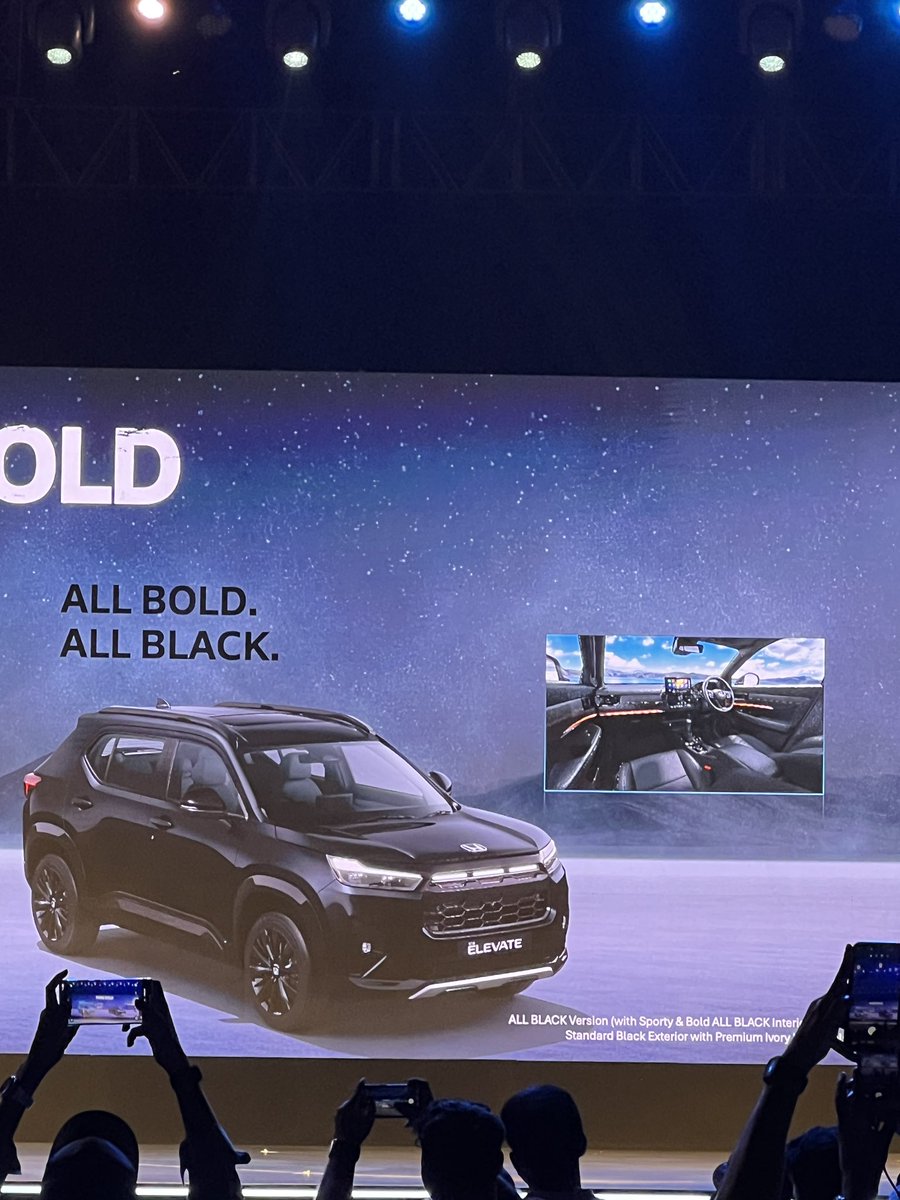
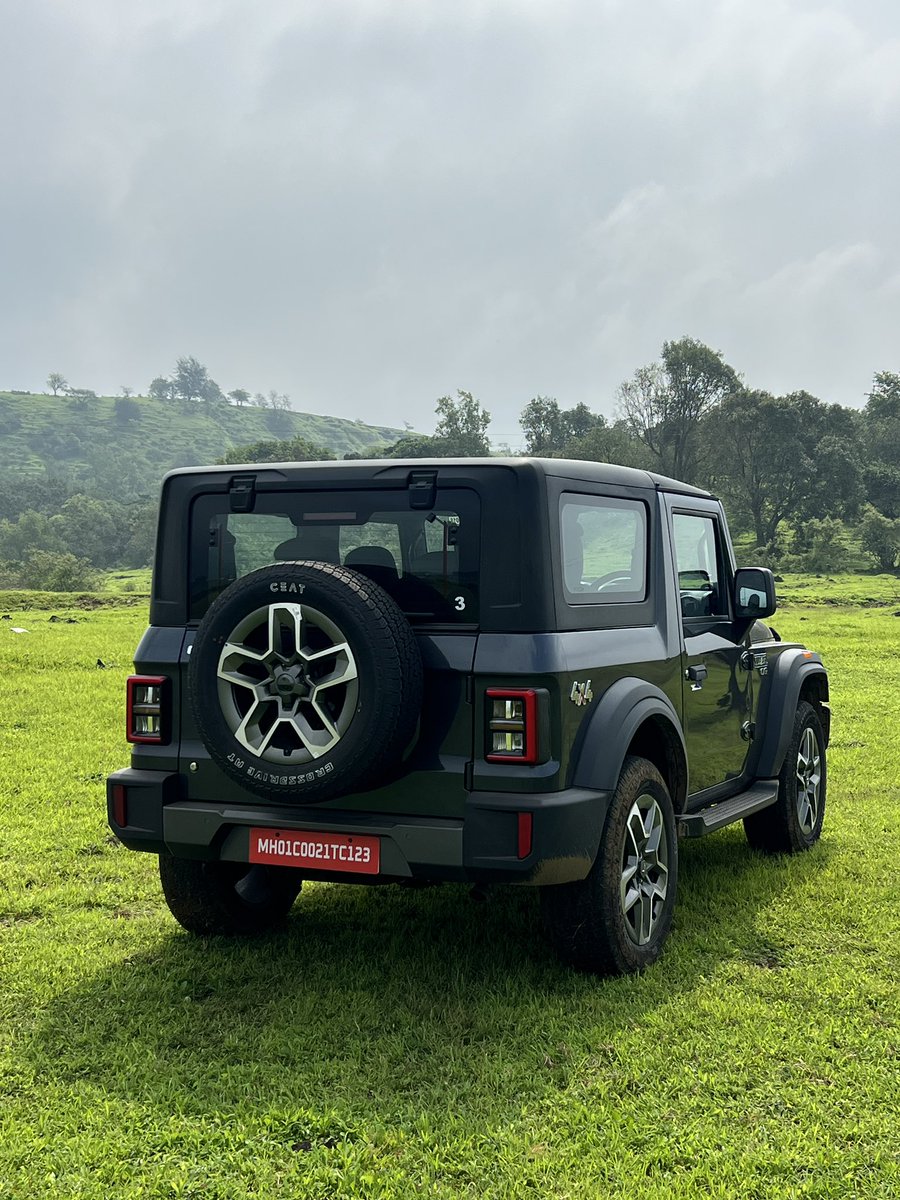
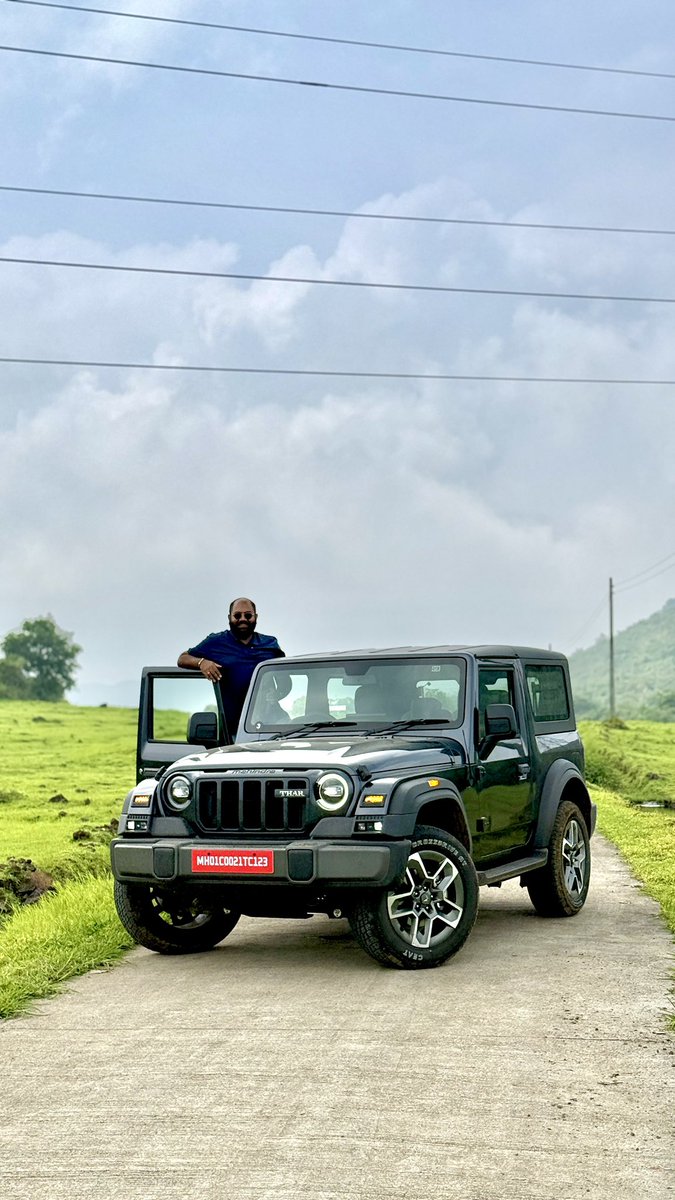
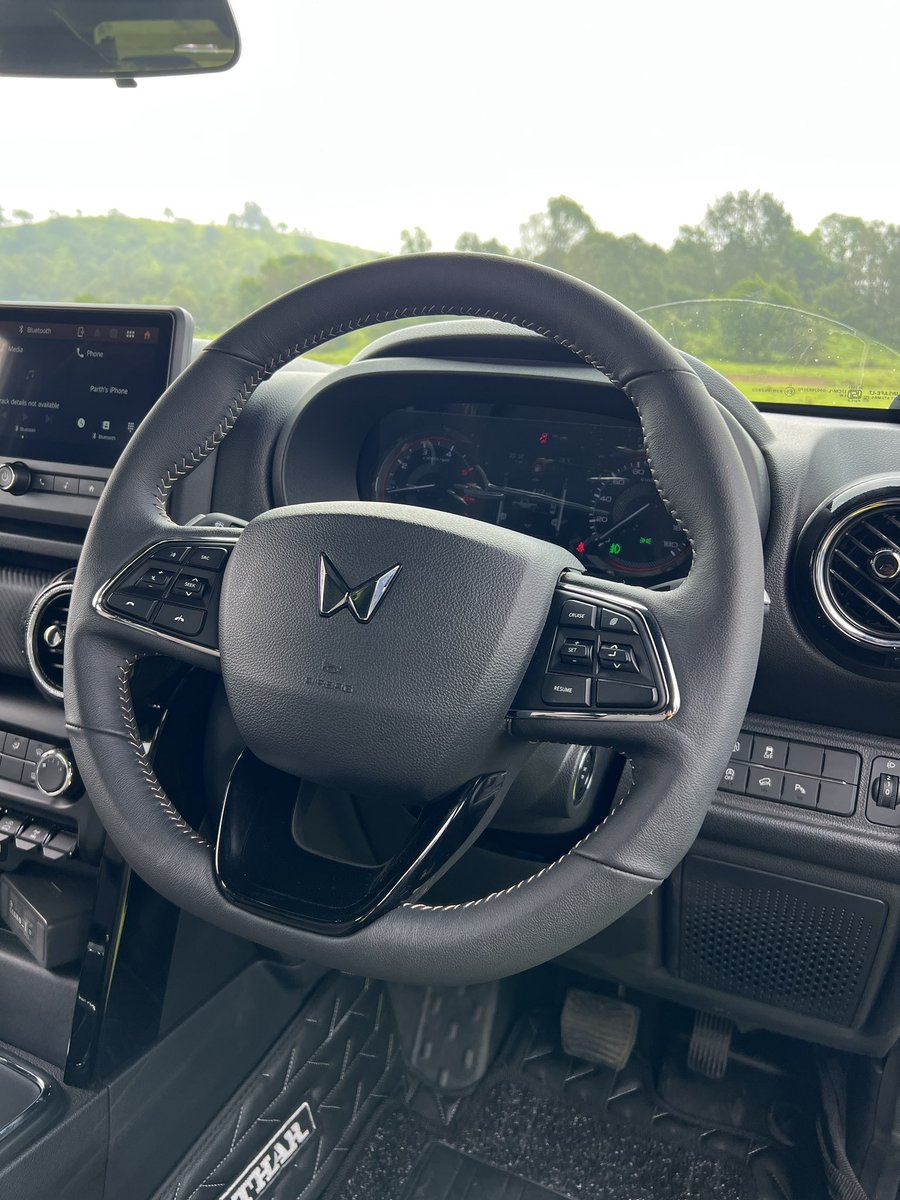
The Mahindra Thar OG (that’s what it is called now) has just got a whole lot better.
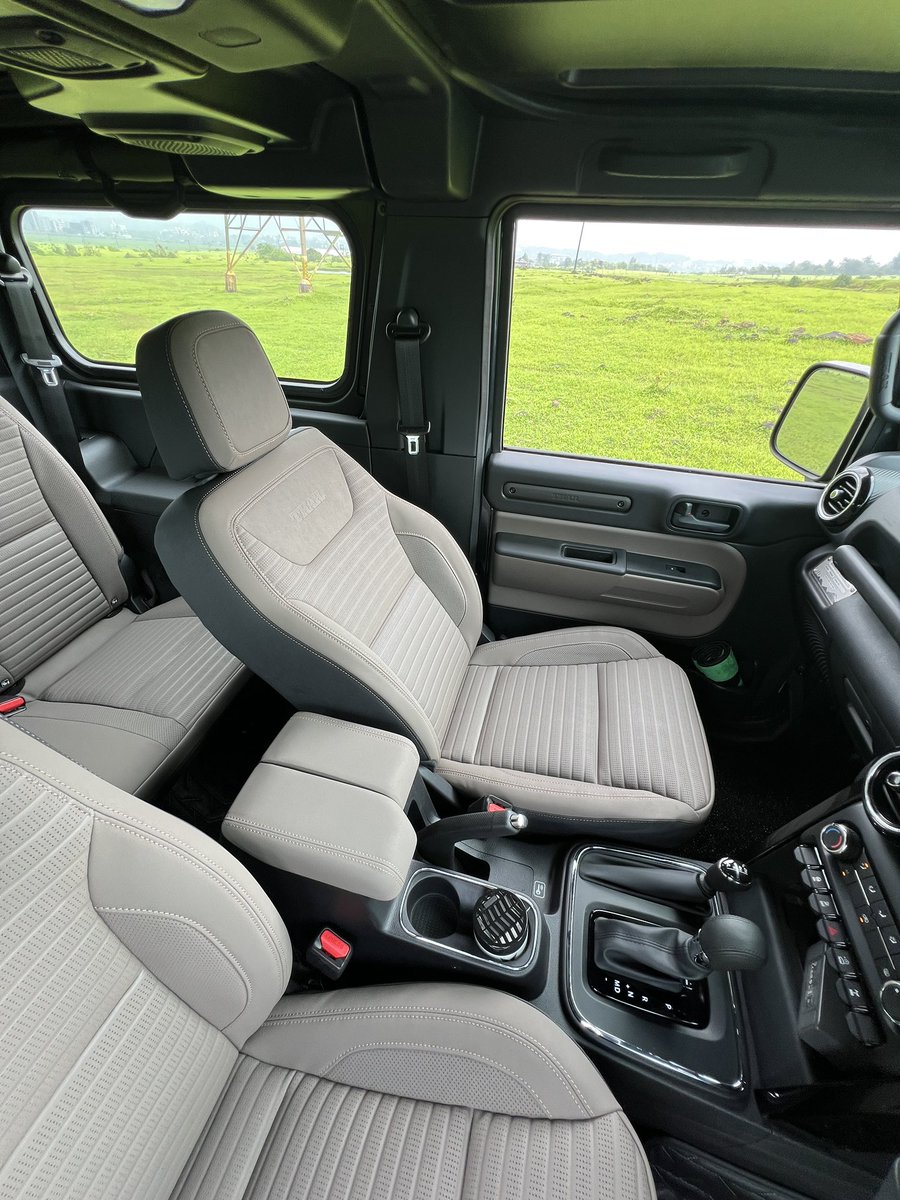
I drove the diesel automatic 4x4 ZXT extensively, and the biggest change is how much more comfortable and easy to live with it has become.
The ride quality is significantly better than before. It is less bumpy and feels more settled on bad roads. Yes, it is still a body-on-frame off-roader, so there is some horizontal movement and it isn’t as plush as a monocoque SUV, but the improvement is massive. It feels much more practical for everyday use now.
The steering is also much lighter, similar to the Thar Roxx and Scorpio N, making the Thar much easier to drive in the city.
The 2.2-litre diesel continues to impress with strong performance, good efficiency and, of course, the Thar’s legendary off-road ability.
The longer feature list is welcome too, while the cosmetic changes give it a fresher look. The new grille looks great and the LED headlamps are a nice addition.
I do wish Mahindra had added a few more features, especially ventilated seats and an auto-dimming IRVM.
The Thar OG has always had the character. Now, it has become a lot more livable too.
I drove the diesel automatic 4x4 ZXT, which costs around ₹23 lakh on-road in Mumbai
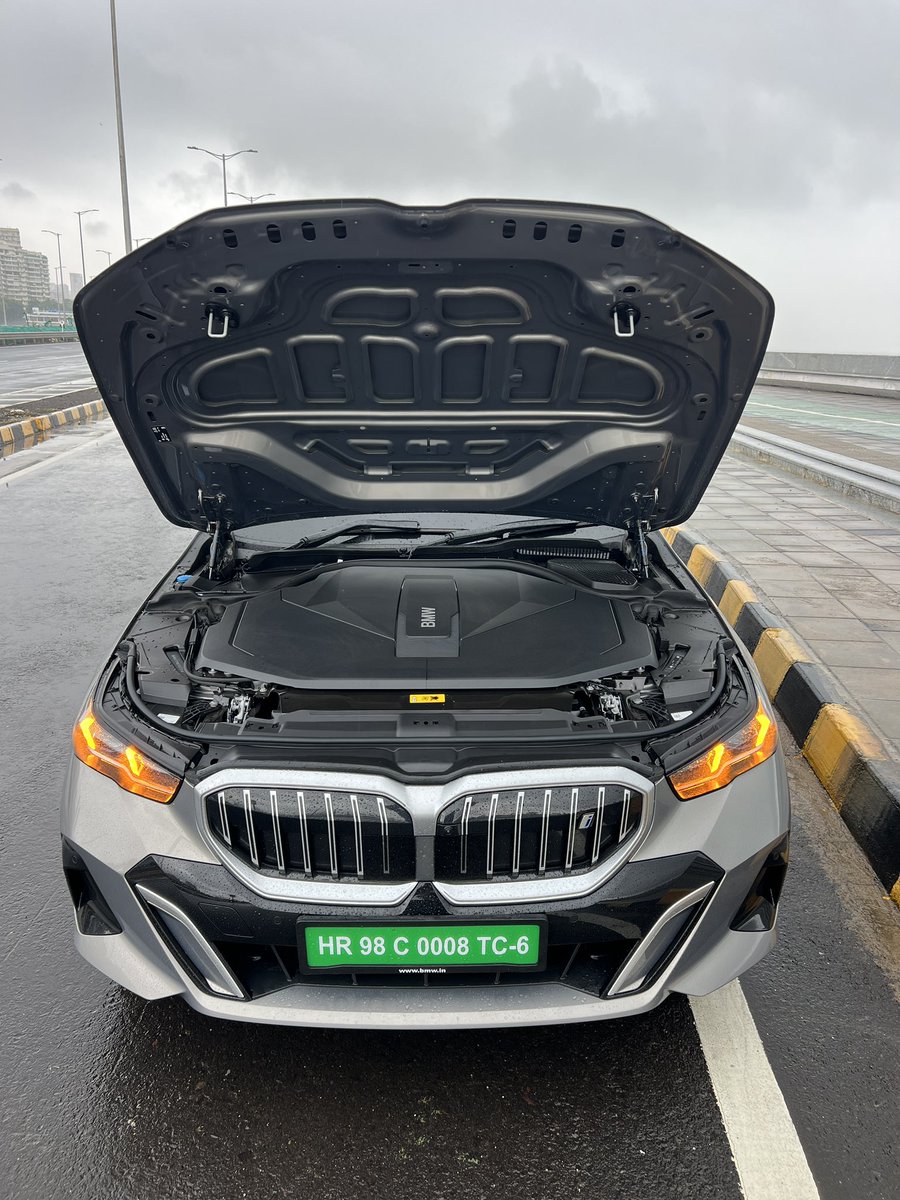
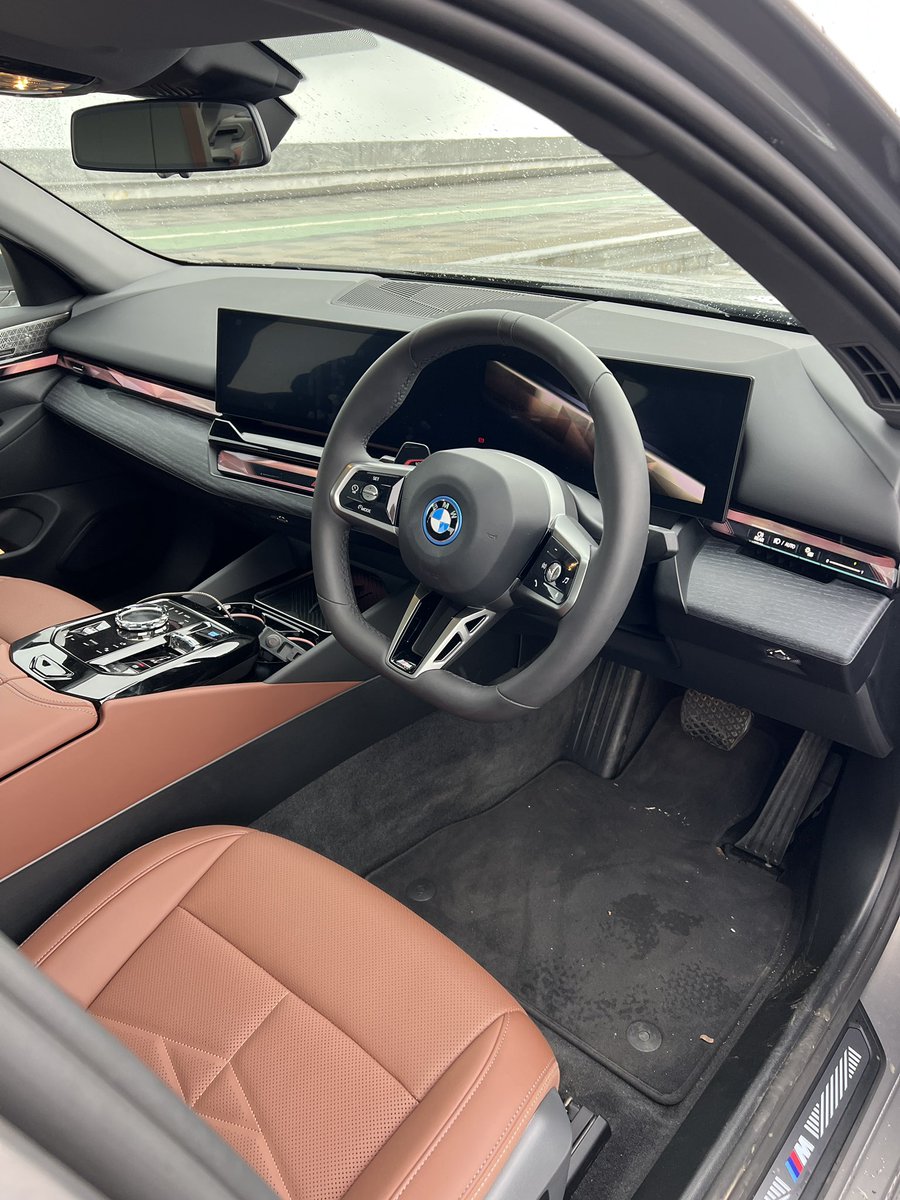
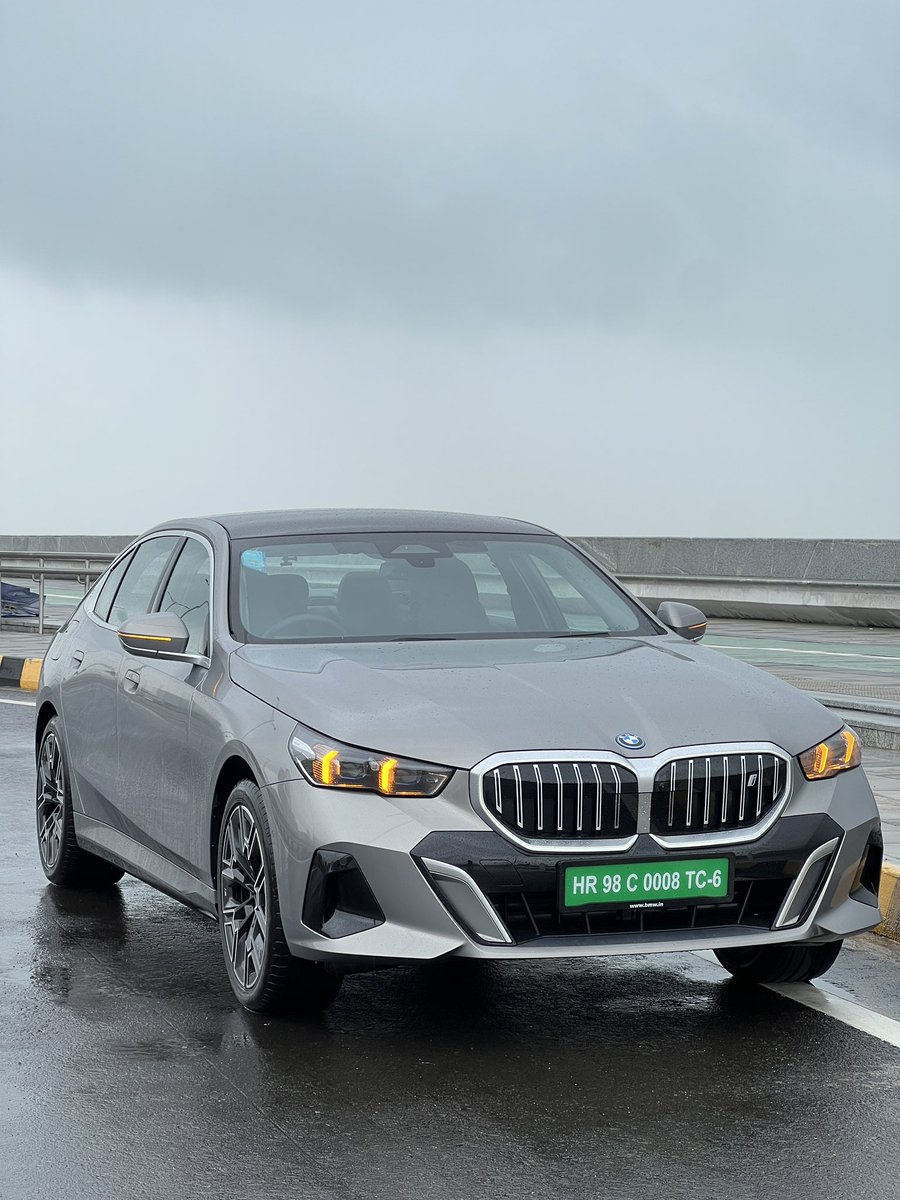
Spent a few days driving the new BMW i5 LWB. What a package. It’s great to drive, has an excellent cabin, lots of space and even the suspension is tuned really well for Indian roads. At Rs. 84 Lakh, On-Road Mumbai, it’s going to find a lot of takers. BMW is killing it with their EVs.