Experimental evidence suggests people delegate decisions to AI in “no-win” situations to avoid responsibility for unsatisfactory outcomes. https://t.co/QejQU1hmzi
LLMs are devices of collective memory. They bring a little of us into the future. But are you in the weights of the most famous LLMs?
https://t.co/EqpmZmAGkU
Is a fun little website that provides an estimate of your signal.
Proud of the policy roadmap @OpenAI published today. If advanced AI creates enormous value, the goal can’t just be more growth in the abstract. We need *broader* prosperity — and that's going to require new public policy, both for how funds are raised and how they are spent.
https://t.co/NS2lctONBr
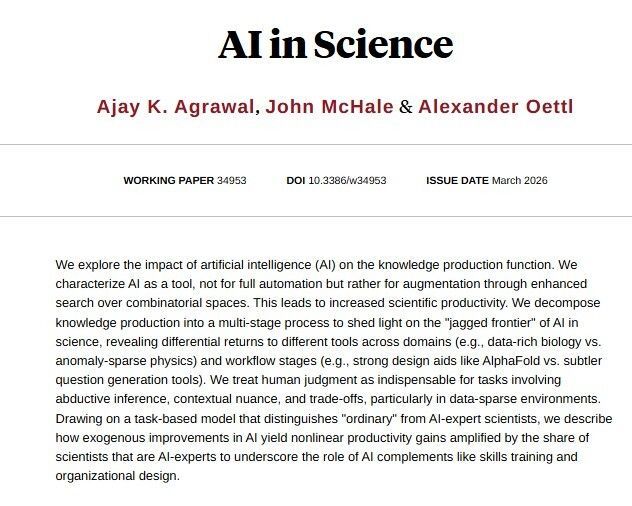
Studying where AI actually helps in science by modeling four stages of research. AI excels at screening vast possibilities, but human judgment remains key for new ideas, from @professor_ajay, John McHale, and Alexander Oettl https://t.co/ZQ7VdpdCoj
📢 New Policy Paper
Excited to share our latest policy paper, The Algorithmic Hand: Artificial Intelligence, Democracy, and Collective Action at Scale, authored by Tiago C. Peixoto.
👉 Read the full paper here: https://t.co/zSqnDAfwG9
#Policy#Research#Democracy#AI
An initiative for more taxes on the super wealthy is not a radical idea but a response to radical inequality in the world, says José Gilberto Scandiucci, Brazil’s Minister-Counsellor to the UN at the #FFD4.
https://t.co/rloMGktlqf
🤖 🏛️ What does AI mean for government, beyond a few chatbots and a lot of hype?
I’ve put some of the ideas bouncing around my head into a vision paper, laying out what “the agentic state” might look like. 🧵
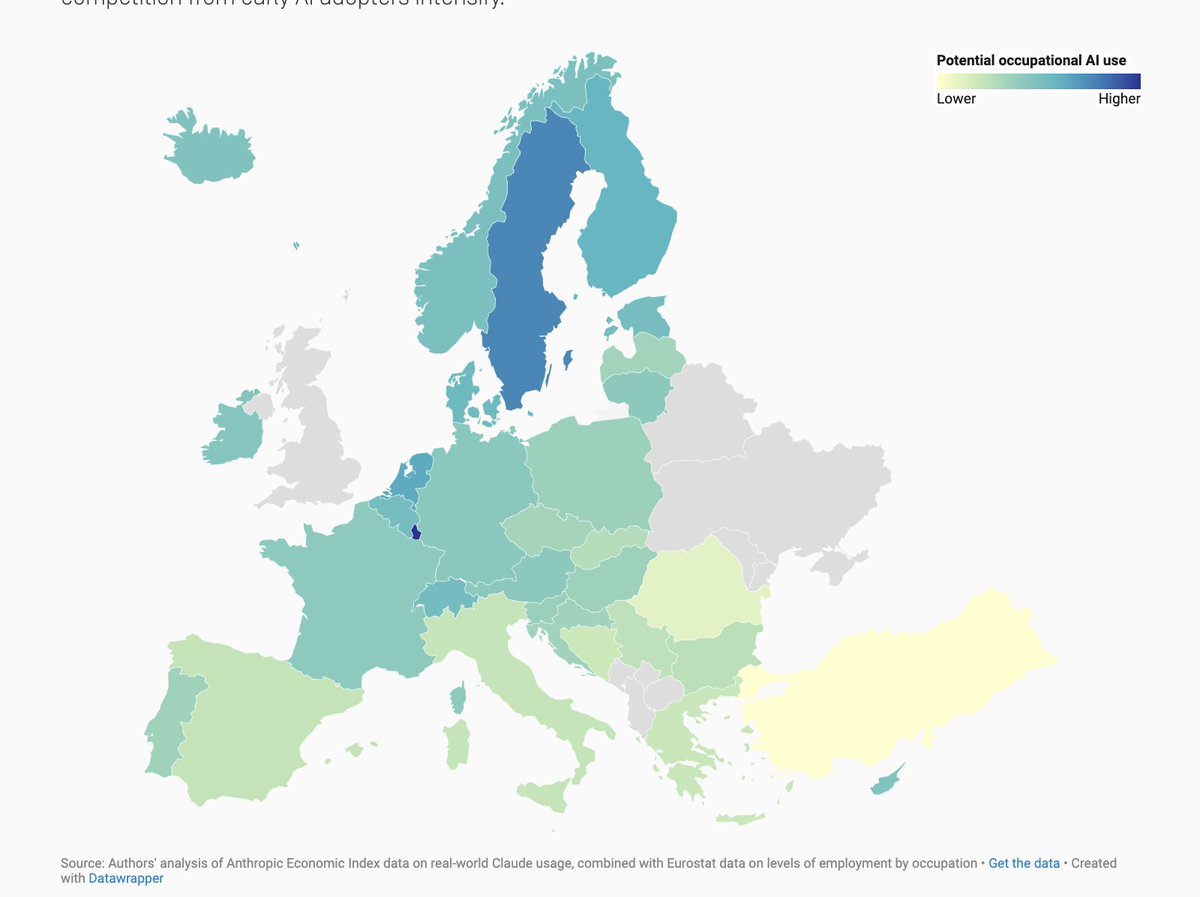
that's from "The Geography of AI Adoption: New Usage Data Offers a Glimpse on Which Economies May See Greater Impact" by @lukesjordan@participatory@darkgreener https://t.co/RFYYepy602
🚨New research out today - The Geography of #GenAI Adoption: New @AnthropicAI Usage Data Offers a Glimpse on Which Economies May See Greater Impact https://t.co/HmWNDucTy9
[Hmmm] "Traditionally constrained by limited corruption data—often available only through infrequent and expensive audits—scholars now can generate synthetic corruption measures at scale" https://t.co/UGDeKzi6p1 @participatory@Dzinnbauer
We're constantly told how countries are run by the elites.
However, mapping the economic elite has been incredibly tough to do.
But now, a new dataset compiled by 70+ researchers provides data on over 3,500 elites in 16 countries:
Going #digital. Transforming government through smart procurement. I have always believed that agile #procurement is a key policy policy lever to modernise #government. Great @wbg_gov post by @participatory on Romania's digital ecosystem.
https://t.co/YvLFJAjIwd