'If absolute certainty were required that the remission of sins properly pertains to all who are baptized, then Philip did wrong in baptizing Simon Magus (Acts 8), as did all who baptize hidden hypocrites - which nevertheless is often done, and rightly so, by God's command.
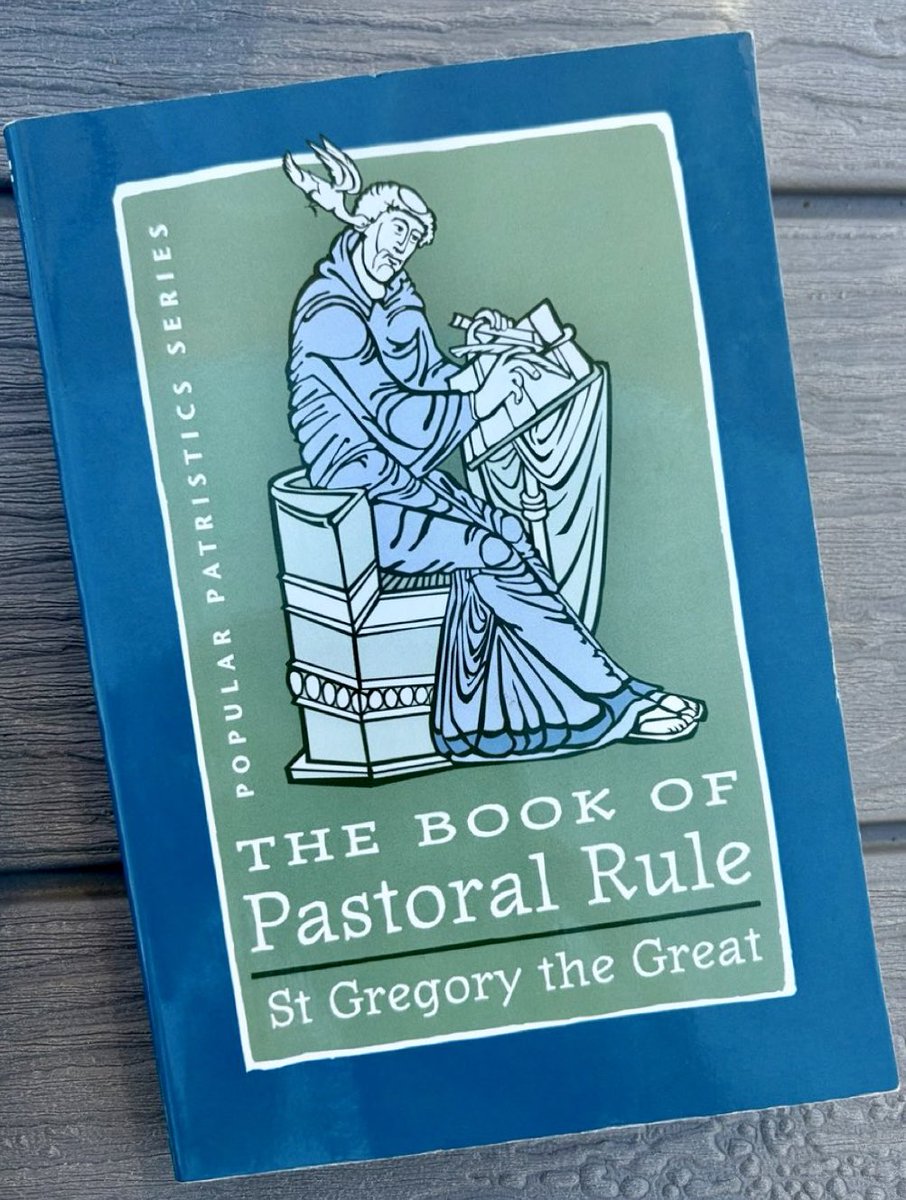
“It is for this reason, then, that the office of the [bishop, overseer] is defined as a ‘good work’ [1 Tim 3:1].
Therefore, he who seeks not the good work of the ministry, but only the glory of honor, testifies against himself that he does not desire the office of a bishop.
For a man does not love the sacred office, nor does he even understand it, if by craving a position of spiritual leadership he is nourished by the thought of subordinating others, rejoices at being praised, elates his heart by honor, or exalts in the abundance of his affluence.
Truly, it is worldly gain that masks itself under that type of honor, when in fact, worldly gain should be destroyed. And when the mind thinks to appropriate the pinnacle of humility for its own benefit, it inwardly changes what it outwardly desires.”
- Gregory the Great
Second London Baptist Confession of Faith 17.1-3 (blessed hope):
'1. Those whom God hath accepted in the beloved, effectually called and sanctified by his Spirit, and given the precious faith of his elect unto, can neither totally nor finally fall from the state of grace, but shall certainly persevere therein to the end, and be eternally saved, seeing the gifts and callings of God are without repentance, whence he still begets and nourisheth in them faith, repentance, love, joy, hope, and all the graces of the Spirit unto immortality; and though many storms and floods arise and beat against them, yet they shall never be able to take them off that foundation and rock which by faith they are fastened upon; notwithstanding, through unbelief and the temptations of Satan, the sensible sight of the light and love of God may for a time be clouded and obscured from them, yet he is still the same, and they shall be sure to be kept by the power of God unto salvation, where they shall enjoy their purchased possession, they being engraven upon the palm of his hands, and their names having been written in the book of life from all eternity.
Psalm 89:31,32; Malachi 3:6; John 10:28,29; Philippians 1:6; 2 Timothy 2:19; 1 Corinthians 11:32; 1 John 2:19.
2. This perseverance of the saints depends not upon their own free will, but upon the immutability of the decree of election, flowing from the free and unchangeable love of God the Father, upon the efficacy of the merit and intercession of Jesus Christ and union with him, the oath of God, the abiding of his Spirit, and the seed of God within them, and the nature of the covenant of grace; from all which ariseth also the certainty and infallibility thereof.
Jeremiah 32:40; John 14:19; Romans 5:9,10; Romans 8:30; Romans 9:11,16; Hebrews 6:17,18; 1 John 3:9.
3. And though they may, through the temptation of Satan and of the world, the prevalency of corruption remaining in them, and the neglect of means of their preservation, fall into grievous sins, and for a time continue therein, whereby they incur God’s displeasure and grieve his Holy Spirit, come to have their graces and comforts impaired, have their hearts hardened, and their consciences wounded, hurt and scandalize others, and bring temporal judgments upon themselves, yet shall they renew their repentance and be preserved through faith in Christ Jesus to the end.
2 Samuel 12:14; Psalm 32:3,4; Psalm 51:10,12; Isaiah 64:5,9; Matthew 26:70,72,74; Luke 22:32,61,62; Ephesians 4:30.'
For any given sin or event that may disqualify a pastor, there are actually 6 views:
Occurred
-before his regeneration
-after regeneration before ordination
-after ordination
Repentance
-allows future pastoring
-does not allow future pastoring
3x2=6
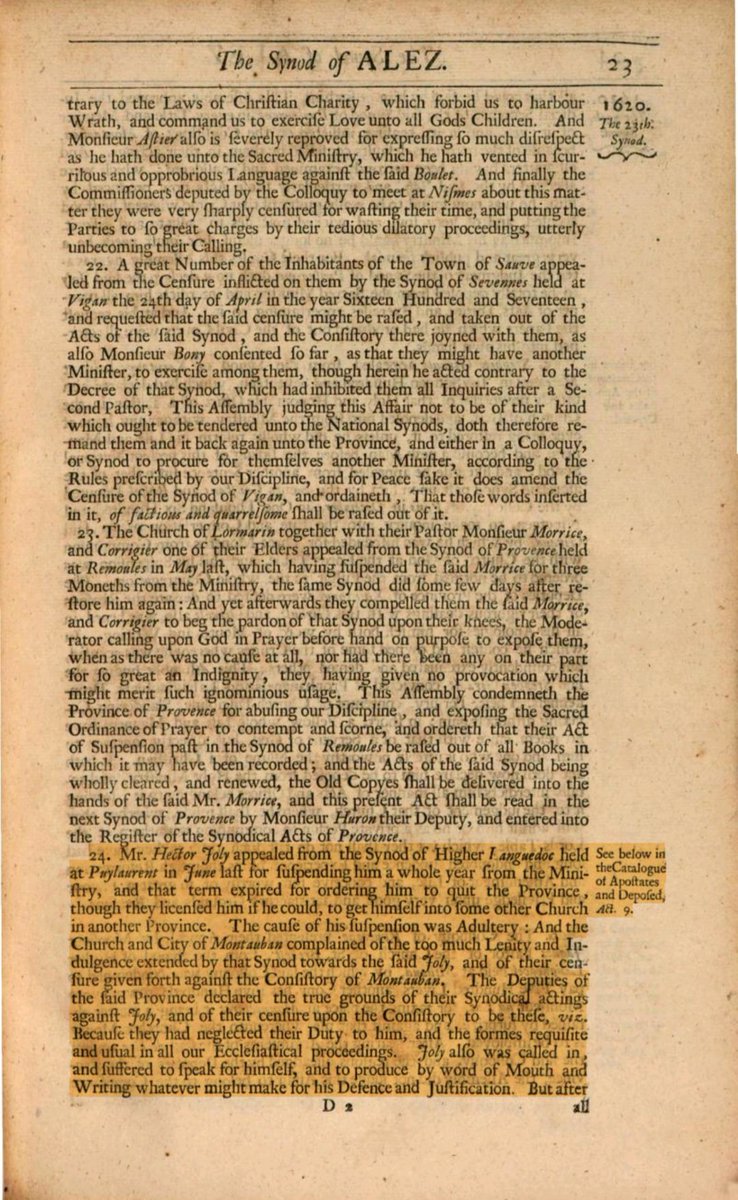
The Reformed Churches of France seems to have taken the question of restoration to the ministry deposition due to fornication, adultery, or the attempt to commit adultery on a case by case basis.
The Acts of the Synods of the French Reformed Churches is an interesting window into how church discipline was practiced in their churches.
https://t.co/pXn6q225AV
@covapologetics@gracerealist This is an interesting account of a minister of the French Reformed churches being restored to the ministry after a period of penitence and credible testimony to the sincerity of his repentance, after being found guilty of attempting to commit adultery.
https://t.co/V0JytvONnJ
If you peruse the acts it seems that the Synods of the French Reformed Churches treated the issue on a case by case basis. They always deposed the ministers, in cases stating that there was no hope of their return to the ministry.
Here is a case of one by the name of Joly, who was suspended by the provincial synod for adultery, and was then deposed by the national synod. However, at a later national synod, he made an appeal to be restored to the ministry, which was supported by his provincial synod giving evidence of his godly conversation since his deposition, and attestation was given by the provincial deputies and consistory of his church. The national synod granted that he may be restored to the ministry again, but chose to defer it until the next synod, so that they could properly trial his repentance and conversion.
@covapologetics@gracerealist This is an interesting account of a minister of the French Reformed churches being restored to the ministry after a period of penitence and credible testimony to the sincerity of his repentance, after being found guilty of attempting to commit adultery.
https://t.co/V0JytvONnJ
🚨 £20,000 REWARD OFFERED FOLLOWING FATAL SHOOTING OF AUGUSTE-MARIE BILE-AKA AMOA IN CLAPHAM – POLICE BELIEVE BUS DRIVER WAS AN INNOCENT BYSTANDER, CAUGHT IN THE WRONG PLACE AT THE WRONG TIME, AND NOT THE INTENDED TARGET. NEW CCTV RELEASED SHOWING SUSPECTS ON MOPED.
@CrimeLdn@ScarcityStudios@999London@uknip247@obbsie@dwaynamics@totalcrime
'Moreover, man having brought himself under the curse of the law by his fall, it pleased the Lord to make a covenant of grace, wherein he freely offereth unto sinners life and salvation by Jesus Christ, requiring of them faith in him, that they may be saved; and promising to give unto all those that are ordained unto eternal life, his Holy Spirit, to make them willing and able to believe.
Genesis 2:17; Psalm 110:3; Ezekiel 36:26,27; Mark 16:15,16; John 3:1 6; John 6:44,45; Romans 3:20,21; Romans 8:3; Galatians 3:10.'
- Second London Baptist Confession of Faith, 7.2
'Although the gospel be the only 𝙤𝙪𝙩𝙬𝙖𝙧𝙙 𝙢𝙚𝙖𝙣𝙨 of revealing Christ and saving grace, 𝙖𝙣𝙙 𝙞𝙨, 𝙖𝙨 𝙨𝙪𝙘𝙝, 𝙖𝙗𝙪𝙣𝙙𝙖𝙣𝙩𝙡𝙮 𝙨𝙪𝙛𝙛𝙞𝙘𝙞𝙚𝙣𝙩 𝙩𝙝𝙚𝙧𝙚𝙪𝙣𝙩𝙤; yet that men who are dead in trespasses may be born again, quickened or regenerated, 𝙩𝙝𝙚𝙧𝙚 𝙞𝙨 𝙢𝙤𝙧𝙚𝙤𝙫𝙚𝙧 𝙣𝙚𝙘𝙚𝙨𝙨𝙖𝙧𝙮 𝙖𝙣 𝙚𝙛𝙛𝙚𝙘𝙩𝙪𝙖𝙡 𝙞𝙣𝙨𝙪𝙥𝙚𝙧𝙖𝙗𝙡𝙚 𝙬𝙤𝙧𝙠 𝙤𝙛 𝙩𝙝𝙚 𝙃𝙤𝙡𝙮 𝙎𝙥𝙞𝙧𝙞𝙩 𝙪𝙥𝙤𝙣 𝙩𝙝𝙚 𝙬𝙝𝙤𝙡𝙚 𝙨𝙤𝙪𝙡, 𝙛𝙤𝙧 𝙩𝙝𝙚 𝙥𝙧𝙤𝙙𝙪𝙘𝙞𝙣𝙜 𝙞𝙣 𝙩𝙝𝙚𝙢 𝙖 𝙣𝙚𝙬 𝙨𝙥𝙞𝙧𝙞𝙩𝙪𝙖𝙡 𝙡𝙞𝙛𝙚; without which no other means will effect their conversion unto God.
Psalm 110:3; John 6:44; 1 Corinthians 2:14; 2 Corinthians 4:4,6; Ephesians 1:19,20.'
- Second London Baptist Confession of Faith, 20.4
This is the way one Orthodox High Calvinist understood the offer of the gospel. Note the absence of those elements which the Hypothetical Universalists make essential to the offer.
John Beart (1673-1716) says:
'I would shew, (1.) What is not, (2.) What is intended by offering Christ to sinners.
(1.) For the Negative.
1. That the Heart of the Offerer, viz. God and Christ, is equally affected towards the many to whom the Offer is made; this is not intended. Amongst Men, when something is equally offered unto many, it seems to intimate that the Heart of the Offerer stands equally affected towards all to whom the Offer is made. But here it is for the Elect's sake that the indefinite Offer is made. God's Heart is towards them in a way of special Love.
2. That the Offer is properly conditional, and the Thing offered not absolutely a Gift, is not intended neither. In earthly Things, where something is offered to many, but some Act to be done is to determine the Possession or Enjoyment to one of those many, the Offer is conditional, and the Thing offered not a free Gift. Our Acceptance (which is all that God calls for) is not the Condition determining the Enjoyment to one, rather than to another; but his Will determines it, whose Grace, Power, and free Gift, enables some to accept. And tho' this required Acceptance has the true suspending Nature of a Condition to the Non-Elect; yet it shall not be a Suspension as to the Elect; for God comes and gives the Gift of Christ, and gives the accepting Heart, even the Gift of Faith; and his Gift is before our receiving Act, and is the Cause of it.
3. That the Persons to whom the Offer is made have Power of themselves to accept, and that it is of their own Will that they do so, is not the Meaning of offering Christ neither. An Offer of any thing made among Men ordinarily supposeth this.
If these Things which I have denied were intended by Offers of Christ, the first would bring in Universal Grace; the second a Covenant of Works; and the third would introduce Free-Will. And what needs an Arminian desire more?
4. The Essence of the Gospel doth not lie in an Offer of Christ. I only say it includes an Offer; but the Essence thereof is free Promise, free Grace, and free Gift. God does not stand, Wilt thou? Wilt thou? and there leave it, by an Offer to the Creature's Will. But positively gives Christ, and works the Will by his Spirit. Men may carry this Offering Doctrine too far: as if they insist altogether upon the Offer; or intimate that the Offer prevails with Souls (whereas it is the Gift of God, and the Work of the Holy Spirit doth that); or neglect the peremptory Terms of the Covenant, I will, and ye shall. When there is therefore an Offer only to others' Wills, and they are left to that, there is more than an Offer as to the Elect; but when there is more, it does not follow that there is not this; nor yet that the Spirit of God doth not work by this.
(2.) For the Positive.
What is this Gospel-Offer of Christ to Souls? I am to define it, as it is common to the Elect with others where the Gospel comes.
Answer: It is the proposing and setting forth of Jesus Christ for Acceptance. He that denies the Gospel to contain an Offer of Christ, shall be forced to deny this. But will any Minister of Christ deny it? Again, he that owns this, shall be forced to own the preaching of the Gospel to be an offering of Christ.
What tho' none of those Things denied before are necessarily supposed, nor are at all included herein? The Gospel may hold forth an Offer of Christ notwithstanding, and doth so, according to this Account of it, a proposing of Christ for Acceptance.
Here is,
(1.) A Declaration concerning Christ in his Person, Office, and Performances.
(2.) A publishing of God's revealed Will to be, that Men should believe on him, or accept of him.
(3.) That they may freely so do.
(4.) That they who do so shall be saved by him.
Here is the Offer of Salvation.'
Truly he will not be Jesus a Saviour to any but only to those to whom he is Christ a Lord. For the very truth is wheresoever he is Jesus a Saviour He is also Christ a Lord; and therefore I beseech you examine yourself whether he be so to you or no.
The Marrow of Modern Divinity
Some Hypothetical Universalists spend so much time reading Hypothetical Universalists to the point that they can't recognise orthodox, standard, and common High Calvinist views, condemning them as Hyper Calvinist or as being so repulsive that they have a "hyperist" tinge.
A common orthodox Reformed view on God's objective regarding the external call in reference to the reprobate (Wilhemus à Brakel, The Christian's Reasonable Service, 2.30, Pg. 207):
'Those who imagine that man, upon the proclamation of the gospel, has sufficient ability to repent and to believe in Christ (a matter which we shall discuss shortly), object to this. In their view nothing more is necessary than that the gospel be preached. They insist that by allowing the gospel to be preached God has as His objective and intent to save all—and if sinners do not come and believe, this is contrary to God's objective. God thus does not accomplish what He has purposed; this, however, we have just refuted. They support their proposition as follows:
Objection #1: God would act deceitfully if He were to call someone to salvation, and yet were not sincere in doing so.
Answer: 𝙂𝙤𝙙 𝙘𝙖𝙡𝙡𝙨 𝙖𝙡𝙡 𝙬𝙝𝙤 𝙝𝙚𝙖𝙧 𝙩𝙝𝙚 𝙜𝙤𝙨𝙥𝙚𝙡 𝙪𝙣𝙩𝙤 𝙨𝙖𝙡𝙫𝙖𝙩𝙞𝙤𝙣, 𝙖𝙣𝙙 𝙞𝙩 𝙞𝙨 𝙃𝙞𝙨 𝙤𝙗𝙟𝙚𝙘𝙩𝙞𝙫𝙚 𝙖𝙣𝙙 𝙞𝙣𝙩𝙚𝙣𝙩 𝙩𝙤 𝙜𝙞𝙫𝙚 𝙨𝙖𝙡𝙫𝙖𝙩𝙞𝙤𝙣 𝙩𝙤 𝙖𝙡𝙡 𝙬𝙝𝙤 𝙩𝙧𝙪𝙡𝙮 𝙗𝙚𝙡𝙞𝙚𝙫𝙚. Faith and true repentance are, however, singular gifts of God's grace, which He gives to all whom He wills to save. Others, however, God leaves to themselves who, being unwilling—and due to their wickedness, blindness, and unwillingness, are unable— do not fulfil this condition, and thus will not be saved. Since God has prior knowledge of this and has decreed not to give them the gifts of grace, and since He cannot be thwarted in the achievement of His purpose, 𝙃𝙚 𝙩𝙝𝙚𝙧𝙚𝙛𝙤𝙧𝙚 𝙖𝙡𝙨𝙤 𝙘𝙖𝙣𝙣𝙤𝙩 𝙝𝙖𝙫𝙚 𝙩𝙝𝙚𝙞𝙧 𝙨𝙖𝙡𝙫𝙖𝙩𝙞𝙤𝙣 𝙞𝙣 𝙫𝙞𝙚𝙬. God nevertheless does not deal deceitfully by making the way of salvation known to them, in obligating them by way of many arguments to enter upon this way, promising to save them upon repentance and faith in Christ. God sincerely and truly has all this in view. 𝙄𝙣 𝙖𝙡𝙡 𝙩𝙝𝙞𝙨 𝙃𝙚 𝙝𝙖𝙨 𝙞𝙣 𝙫𝙞𝙚𝙬 𝙩𝙝𝙖𝙩 𝙩𝙝𝙚 𝙪𝙣𝙘𝙤𝙣𝙫𝙚𝙧𝙩𝙚𝙙 𝙗𝙚 𝙘𝙤𝙣𝙫𝙞𝙣𝙘𝙚𝙙 𝙤𝙛 𝙃𝙞𝙨 𝙜𝙤𝙤𝙙𝙣𝙚𝙨𝙨, 𝙩𝙝𝙚𝙞𝙧 𝙬𝙞𝙘𝙠𝙚𝙙𝙣𝙚𝙨𝙨, 𝙖𝙣𝙙 𝙃𝙞𝙨 𝙟𝙪𝙨𝙩𝙞𝙘𝙚—𝙖𝙣𝙙 𝙩𝙤 𝙥𝙪𝙣𝙞𝙨𝙝 𝙩𝙝𝙚𝙢 𝙞𝙣 𝙘𝙤𝙣𝙨𝙚𝙦𝙪𝙚𝙣𝙘𝙚 𝙤𝙛 𝙩𝙝𝙞𝙨. The fact that man is not able to repent and believe is not God's fault, but man is to be blamed. 𝙂𝙤𝙙 𝙙𝙞𝙙 𝙥𝙪𝙧𝙥𝙤𝙨𝙚 𝙩𝙤 𝙥𝙧𝙤𝙫𝙞𝙙𝙚 𝙩𝙝𝙚𝙢 𝙬𝙞𝙩𝙝 𝙖𝙡𝙡 𝙩𝙝𝙚 𝙢𝙚𝙖𝙣𝙨 𝙪𝙣𝙩𝙤 𝙨𝙖𝙡𝙫𝙖𝙩𝙞𝙤𝙣, 𝙬𝙞𝙩𝙝𝙝𝙤𝙡𝙙 𝙖𝙙𝙙𝙞𝙩𝙞𝙤𝙣𝙖𝙡 𝙜𝙧𝙖𝙘𝙚 𝙛𝙧𝙤𝙢 𝙩𝙝𝙚𝙢, 𝙡𝙚𝙖𝙫𝙚 𝙩𝙝𝙚𝙢 𝙤𝙫𝙚𝙧 𝙩𝙤 𝙩𝙝𝙚𝙢𝙨𝙚𝙡𝙫𝙚𝙨, 𝙖𝙣𝙙 𝙘𝙤𝙣𝙙𝙚𝙢𝙣 𝙩𝙝𝙚𝙢 𝙛𝙤𝙧 𝙩𝙝𝙚𝙞𝙧 𝙛𝙖𝙞𝙡𝙪𝙧𝙚 𝙩𝙤 𝙧𝙚𝙥𝙚𝙣𝙩 𝙖𝙣𝙙 𝙛𝙤𝙧 𝙩𝙝𝙚𝙞𝙧 𝙬𝙞𝙘𝙠𝙚𝙙𝙣𝙚𝙨𝙨; 𝙝𝙤𝙬𝙚𝙫𝙚𝙧, 𝙃𝙚 𝙙𝙞𝙙 𝙣𝙤𝙩 𝙥𝙪𝙧𝙥𝙤𝙨𝙚 𝙩𝙤 𝙨𝙖𝙫𝙚 𝙩𝙝𝙚𝙢. One matter may relate to various purposes, and thus by purposing or not purposing one thing, one cannot conclude the purposing or not purposing of something else. Here the objective relates to the means and not to the ultimate end of salvation. The gospel is an able and sufficient way unto salvation.'
... as the infinite evil of sin arises from the majesty, and the excellence of Him against whom it is committed; so the merit of our Surety’s obedience and sufferings must be equal to the dignity of his Person.
#AbrahamBooth
This is a continuation of A Brakel's quote for those who are interested:
'It is, however, neither God's purpose and objective to give to them His Holy Spirit nor to save them. This is evident for the following reasons:
First, it would be contradictory to the omniscience of God. God knows those who are His. He knows that the reprobate will not be saved, and it cannot be His purpose or objective to save them. Man knows that a dead person will not arise; it therefore cannot be his objective to make him alive by calling him. God also knows this concerning the unconverted and the spiritually dead; this therefore cannot be His objective.
Secondly, it would be contradictory to eternal election. God has eternally chosen certain individuals by name and has appointed them to be the recipients of eternal salvation. This is in contrast to others whom He has not chosen, but concerning whom He wills that they remain in their sins and be condemned for their sins. Since He has decreed to condemn them righteously for their sins, it could not have been His objective to save them in having the gospel proclaimed to them. He had different objectives, however, which we have stated in the foregoing.
Thirdly, God cannot be thwarted in the achievement of His objective. He must of necessity accomplish what He has purposed, since He is omniscient, all-wise, and omnipotent. “My counsel shall stand, and I will do all My pleasure” (Isa 46:10); “For the Lord of hosts hath purposed, and who shall disannul it” (Isa 14:27). If God had purposed to save them, they of necessity would most certainly be saved. They are not saved, however, and God therefore also did not have their salvation in view.'
(The Christian's Reasonable Service, 2.30, Pg. 206-207)
There is nothing to be reworked. I do not take the position that the Gospel in itself is a cure to the elect and poison to the reprobate. The distinction I used between 1) the work of the Gospel and 2) the work of God by way of the Gospel is an orthodox distinction (Read Wilhemus àBrakel).
Regarding the former, I clearly said the work of the former is to save, which is to say that in and of itself, the gospel is good news to all who hear it, and none who hear it have any justified reason to despair (unless you believe people know of their election or reprobation before hand). Regarding the latter (i.e the work of God by way of the Gospel), it serves as the occasion by which the sinner, who in this case is reprobate, in rejecting the gospel (good news) and the way of salvation proposed to them, is brought to condemnation.
Wilhemus àBrakel:
'God’s Objective in Calling Men
This begets another question: In calling the sinner to Christ, does God aim for the salvation of all? In calling all who are under the ministry of the gospel, is it God's objective that all would become partakers of salvation?
Answer: No, for God cannot fail to achieve His objective. Then all who are called would, of necessity, have to be saved.
In order to understand this matter correctly, we should consider the following:
(1) 𝙏𝙝𝙚 𝙘𝙖𝙡𝙡𝙞𝙣𝙜 𝙞𝙨 𝙛𝙞𝙧𝙨𝙩 𝙖𝙣𝙙 𝙛𝙤𝙧𝙚𝙢𝙤𝙨𝙩 𝙞𝙣𝙩𝙚𝙣𝙙𝙚𝙙 𝙩𝙤 𝙜𝙖𝙩𝙝𝙚𝙧 𝙞𝙣 𝙩𝙝𝙚 𝙚𝙡𝙚𝙘𝙩. “And he gave some ... pastors and teachers; for the perfecting of the saints, for the work of the ministry, for the edifying of the body of Christ” (Eph 4:11-12). God does not send the gospel to those geographical regions where there are no elect to be found. Furthermore, when the elect in a certain region are gathered in, God generally removes the gospel from that area. Since the elect are in the world, however, and are intermingled with others, the calling comes to all; that is, to all the elect and also to others. By means of the calling, that is, by means of the proclamation of the gospel, God grants repentance and faith to His elect—which He withholds from others.
(2) 𝙒𝙚 𝙢𝙪𝙨𝙩 𝙢𝙖𝙠𝙚 𝙖 𝙙𝙞𝙨𝙩𝙞𝙣𝙘𝙩𝙞𝙤𝙣 𝙗𝙚𝙩𝙬𝙚𝙚𝙣 𝙩𝙝𝙚 𝙤𝙗𝙟𝙚𝙘𝙩𝙞𝙫𝙚 𝙤𝙛 𝙂𝙤𝙙—𝙃𝙚 𝙬𝙝𝙤 𝙬𝙤𝙧𝙠𝙨—𝙖𝙣𝙙 𝙩𝙝𝙚 𝙤𝙗𝙟𝙚𝙘𝙩𝙞𝙫𝙚 𝙤𝙛 𝙃𝙞𝙨 𝙬𝙤𝙧𝙠: 𝙩𝙝𝙚 𝙜𝙤𝙨𝙥𝙚𝙡. The very nature of the gospel is suited to lead man unto salvation, as it sufficiently reveals to him the way unto salvation and stirs him to be persuaded to believe. The gospel is not to be blamed when all who hear it are not saved; rather, man himself is the guilty one. He is to be blamed if he does not desire to be taught and led. Such is the objective of the gospel.
𝙂𝙤𝙙'𝙨 𝙤𝙗𝙟𝙚𝙘𝙩𝙞𝙫𝙚 𝙞𝙣 𝙘𝙖𝙪𝙨𝙞𝙣𝙜 𝙩𝙝𝙚 𝙜𝙤𝙨𝙥𝙚𝙡 𝙩𝙤 𝙗𝙚 𝙥𝙧𝙤𝙘𝙡𝙖𝙞𝙢𝙚𝙙 𝙩𝙤 𝙩𝙝𝙚 𝙣𝙤𝙣𝙚𝙡𝙚𝙘𝙩 𝙞𝙨 to proclaim and acquaint man with the way of salvation, to command man to enter this way, and to display His goodness, presenting all the reasons to him for doing so and promising him salvation upon repentance and true faith in Christ. The Lord would indeed do this upon man fulfilling the condition for which He holds him accountable, and which the human nature, having been created holy in Adam had been capable of doing. If he does not accomplish this, it is not because God hinders him or deprives him of the ability to do so, but because man wills not; and thus man himself is to be blamed, for it is the goodness of God which should lead him to repentance. 𝙄𝙩 𝙞𝙨 𝙖𝙡𝙨𝙤 𝙂𝙤𝙙'𝙨 𝙤𝙗𝙟𝙚𝙘𝙩𝙞𝙫𝙚 𝙩𝙤 𝙘𝙤𝙣𝙫𝙞𝙘𝙩 𝙢𝙖𝙣 𝙤𝙛 𝙝𝙞𝙨 𝙬𝙞𝙘𝙠𝙚𝙙𝙣𝙚𝙨𝙨 𝙞𝙣 𝙝𝙞𝙨 𝙧𝙚𝙛𝙪𝙨𝙖𝙡 𝙩𝙤 𝙘𝙤𝙢𝙚 𝙪𝙥𝙤𝙣 𝙨𝙪𝙘𝙝 𝙖 𝙛𝙧𝙞𝙚𝙣𝙙𝙡𝙮 𝙞𝙣𝙫𝙞𝙩𝙖𝙩𝙞𝙤𝙣, 𝙖𝙨 𝙬𝙚𝙡𝙡 𝙖𝙨 𝙤𝙛 𝙩𝙝𝙚 𝙧𝙞𝙜𝙝𝙩𝙚𝙤𝙪𝙨𝙣𝙚𝙨𝙨 𝙤𝙛 𝙂𝙤𝙙 𝙞𝙣 𝙥𝙪𝙣𝙞𝙨𝙝𝙞𝙣𝙜 𝙨𝙪𝙘𝙝 𝙧𝙚𝙟𝙚𝙘𝙩𝙚𝙧𝙨 𝙤𝙛 𝙩𝙝𝙞𝙨 𝙤𝙛𝙛𝙚𝙧𝙚𝙙 𝙨𝙖𝙡𝙫𝙖𝙩𝙞𝙤𝙣 (𝙅𝙤𝙝𝙣 15:20). Such is God‟s purpose and objective in allowing the gospel to be proclaimed to the unconverted.'
'My contention is that Scripture nowhere grounds the inclusion of sinners in the gospel call in their being indistinguishable from the elect.'
I'm assuming you meant "reprobate" here and not "sinners".
Turretin does not 𝙜𝙧𝙤𝙪𝙣𝙙 the inclusion of the reprobate in the gospel call in their being indistinguishable from the elect. He grounds the inclusion of the reprobate in the indiscriminatory call of the Gospel in God's intention and decree as it relates to the reprobate (see quote below).
Rather, in the quote you have provided he *explains* the secondary and indirect extension of the Gospel to the reprobate, in one and the same external call, and how the indiscriminate call subserves that order of extension in relation to minister's work in the indiscriminate call.
This is the how Turretin grounds the inclusion of the reprobate in the indiscriminate call:
'XVIII. '𝘛𝘩𝘦 𝘸𝘰𝘳𝘥 𝘰𝘧 𝘦𝘹𝘵𝘦𝘳𝘯𝘢𝘭 𝘤𝘢𝘭𝘭𝘪𝘯𝘨 𝘰𝘶𝘨𝘩𝘵 𝘵𝘰 𝘣𝘦 𝘵𝘩𝘦 𝘴𝘪𝘨𝘯 𝘰𝘧 𝘴𝘰𝘮𝘦 𝘥𝘦𝘤𝘳𝘦𝘦 𝘶𝘱𝘰𝘯 𝘸𝘩𝘪𝘤𝘩 𝘪𝘵 𝘪𝘴 𝘧𝘰𝘶𝘯𝘥𝘦𝘥; 𝘣𝘶𝘵 𝘯𝘰𝘵 𝘧𝘰𝘳𝘵𝘩𝘸𝘪𝘵𝘩 𝘰𝘧 𝘢 𝘥𝘦𝘤𝘳𝘦𝘦 𝘤𝘰𝘯𝘤𝘦𝘳𝘯𝘪𝘯𝘨 𝘵𝘩𝘦 𝘴𝘢𝘷𝘪𝘯𝘨 𝘰𝘧 𝘪𝘯𝘥𝘪𝘷𝘪𝘥𝘶𝘢𝘭𝘴, 𝘣𝘶𝘵 𝘤𝘰𝘯𝘤𝘦𝘳𝘯𝘪𝘯𝘨 𝘵𝘩𝘦 𝘮𝘦𝘢𝘯𝘴 𝘢𝘯𝘥 𝘵𝘩𝘦𝘪𝘳 𝘤𝘰𝘯𝘯𝘦𝘤𝘵𝘪𝘰𝘯 𝘸𝘪𝘵𝘩 𝘴𝘢𝘭𝘷𝘢𝘵𝘪𝘰𝘯. 𝙏𝙝𝙚 𝙛𝙤𝙪𝙣𝙙𝙖𝙩𝙞𝙤𝙣 𝙤𝙛 𝙘𝙖𝙡𝙡𝙞𝙣𝙜 𝙞𝙣 𝙜𝙚𝙣𝙚𝙧𝙖𝙡 (𝙞𝙣𝙖𝙨𝙢𝙪𝙘𝙝 𝙖𝙨 𝙞𝙩 𝙞𝙨 𝙙𝙞𝙧𝙚𝙘𝙩𝙚𝙙 𝙞𝙣𝙙𝙞𝙨𝙘𝙧𝙞𝙢𝙞𝙣𝙖𝙩𝙚𝙡𝙮 𝙩𝙤 𝙢𝙚𝙣) 𝙞𝙨 𝙩𝙝𝙚 𝙙𝙚𝙘𝙧𝙚𝙚 𝙘𝙤𝙣𝙘𝙚𝙧𝙣𝙞𝙣𝙜 𝙩𝙝𝙚 𝙘𝙤𝙡𝙡𝙚𝙘𝙩𝙞𝙣𝙜 𝙤𝙛 𝙖 𝙘𝙝𝙪𝙧𝙘𝙝 𝙗𝙮 𝙩𝙝𝙚 𝙬𝙤𝙧𝙙. The foundation of calling with respect to the elect is the special decree concerning the bestowal of the salvation acquired for them by Christ upon some certain persons. 𝙏𝙝𝙚 𝙛𝙤𝙪𝙣𝙙𝙖𝙩𝙞𝙤𝙣 [𝙤𝙛 𝙘𝙖𝙡𝙡𝙞𝙣𝙜] 𝙬𝙞𝙩𝙝 𝙧𝙚𝙨𝙥𝙚𝙘𝙩 𝙩𝙤 𝙧𝙚𝙥𝙧𝙤𝙗𝙖𝙩𝙚𝙨 𝙞𝙨 𝙩𝙝𝙚 𝙙𝙚𝙘𝙧𝙚𝙚 𝙘𝙤𝙣𝙘𝙚𝙧𝙣𝙞𝙣𝙜 𝙩𝙝𝙚 𝙤𝙧𝙙𝙚𝙧 𝙖𝙣𝙙 𝙘𝙤𝙣𝙣𝙚𝙘𝙩𝙞𝙤𝙣 𝙤𝙛 𝙩𝙝𝙚 𝙢𝙚𝙖𝙣𝙨 𝙤𝙛 𝙨𝙖𝙡𝙫𝙖𝙩𝙞𝙤𝙣 𝙖𝙣𝙙 𝙘𝙤𝙣𝙘𝙚𝙧𝙣𝙞𝙣𝙜 𝙩𝙝𝙚 𝙥𝙧𝙤𝙥𝙤𝙨𝙖𝙡 𝙖𝙣𝙙 𝙚𝙣𝙟𝙤𝙞𝙣𝙞𝙣𝙜 𝙤𝙛 𝙩𝙝𝙚𝙨𝙚 𝙢𝙚𝙖𝙣𝙨 𝙪𝙥𝙤𝙣 𝙢𝙚𝙣. Therefore the word of calling is the sign of that decree by which he made an indissoluble connection between faith and salvation (which because the word proposes, no simulation can be ascribed to God, since he proposes nothing which is not most true).'
Again you have not understood Turretin properly, which is why you continuously misrepresent him. There is a primacy as it relates to the elect, and secondary intent as it relates to the reprobate.
You can have the last word.
“Is there present in God an antecedent and consequent will? Arminians affirm this position.”
“to the Arminians, antecedent will is a desire natural to God, devoid of efficacy.”