Patent Brewing is devoted to continuous improvement of beer and brewing. We are a new brewery in MD - discover the history, science, and art of brewing with us.
We have a website!
This is the place where you can find out more information about us, order some merch, or ask us a question about brewing science. Check it out!
https://t.co/qGDpwnyHPP
Or
https://t.co/ys7Pdk9lLe
It’s #SmallBusinessSaturday! We hope you support some small businesses + breweries in your community today. And if you’d like to support our small biz, we have merch + yeasts for sale on our website! We’re offering 15% off everything through Monday! (Discount applied at checkout)
It’s American #CraftBeer Week! 🍻
We know that local breweries make communities better. We love drinking local and supporting our brewery friends (see our #DrinkLocal posts). Helping local breweries is part of our mission. Where are you drinking local this week? 🍺 #BeerTwitter
NEW MERCH!
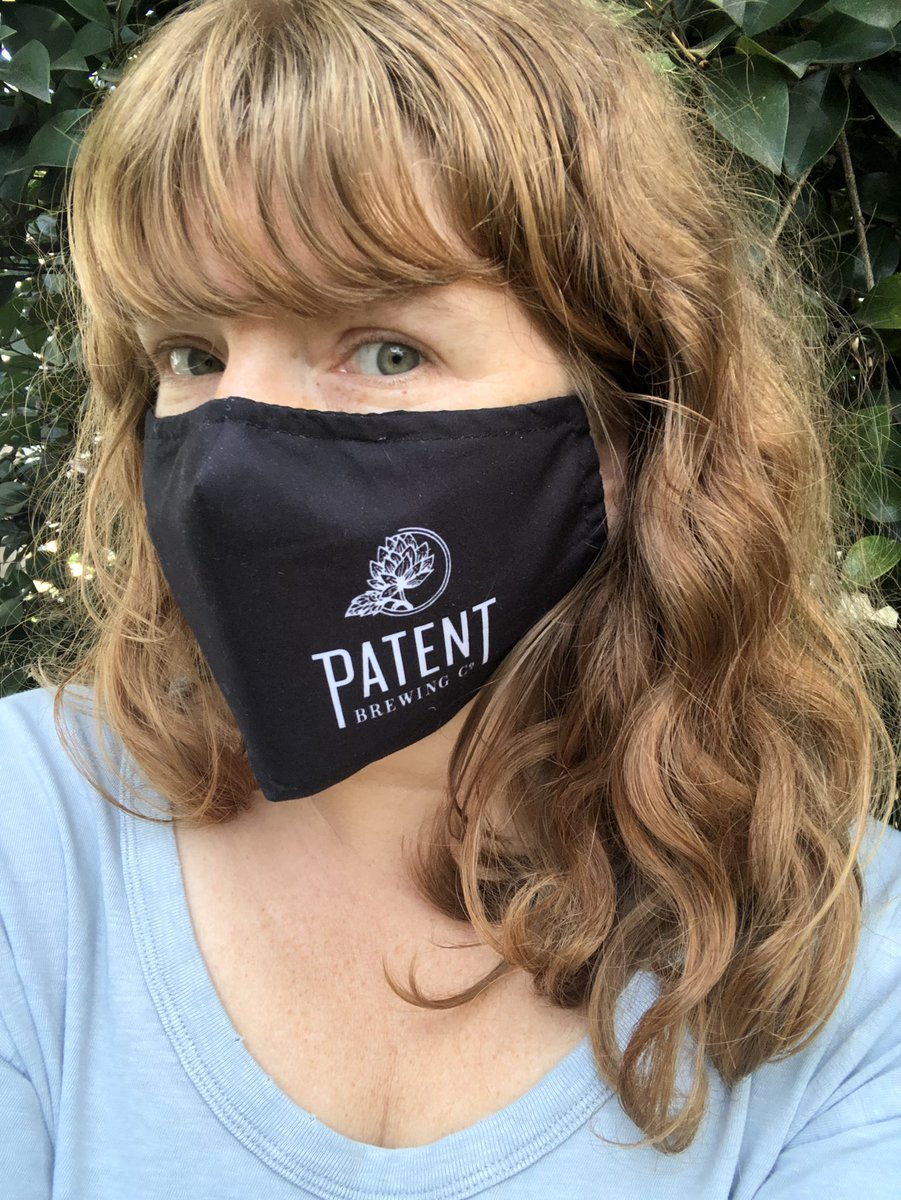
Want to support your favorite brewery while keeping yourself and others safe during the pandemic? We now have Patent Brewing Co. reusable face masks available on our website. The masks feature a filter pocket, nose wire and adjustable elastic straps. #wearamask#mdbeer
Welcome to the second post in our series about brewing microbiology called #cellfies. In these posts we talk about an organism used in the making of our favorite beverage while looking at it through a microscope.
Today we are talking about the bacterial genus Lactobacillus.
The drop in pH represents an increase in acid concentration in the solution. The increase in acid was due to the production of the lactic acid from the fermentation of sugars.
The species in the photo below is Lactobacillus brevis,
We are doing a Facebook Live event on Tuesday September 29, at 8 PM Eastern time. The event is a demonstration of a sulfate meter. Yes, that’s right. All your questions about sulfate and water chemistry are about to be answered. Link below.
https://t.co/tn19LOOFf7
Welcome to a new series of posts called #cellfies. We will post photos of a fermentative organism taken under a microscope.
We start this series with one of the workhorses of brewing, Saccharomyces cerevisiae.
healthy living cells. The random shaped blue blobs are dye artifacts, not cells. If two cells are touching, they might be a mother and daughter cell. This yeast reproduces through budding where a smaller cell is pinched off of the mother cell.