In Alagille syndrome, patients develop cholestatic cirrhosis because they lose bile ducts. Curiously, despite the cirrhosis and biliary metaplasia of hepatocytes on CK7, there is no ductular reaction!
The topic is reviewed here - https://t.co/oX0FU4fYbg
New in #HumPathol: Clinicopathologic characteristics of gastric adenocarcinoma in autoimmune gastritis: Impact of Helicobacter pylori infection and diagnostic implications of multifocal disease. https://t.co/DRYALTR6K5 #pathology#PathTwitter#PathX#GIpath
Grading colorectal adenocarcinoma: interobserver agreement between AJCC and WHO criteria and revisiting diagnostic challenges. Pathologists must grade colorectal carcinoma, but what is the best approach? This study provides useful data. #GIpath#Xpath https://t.co/nbxS9Hr8IN
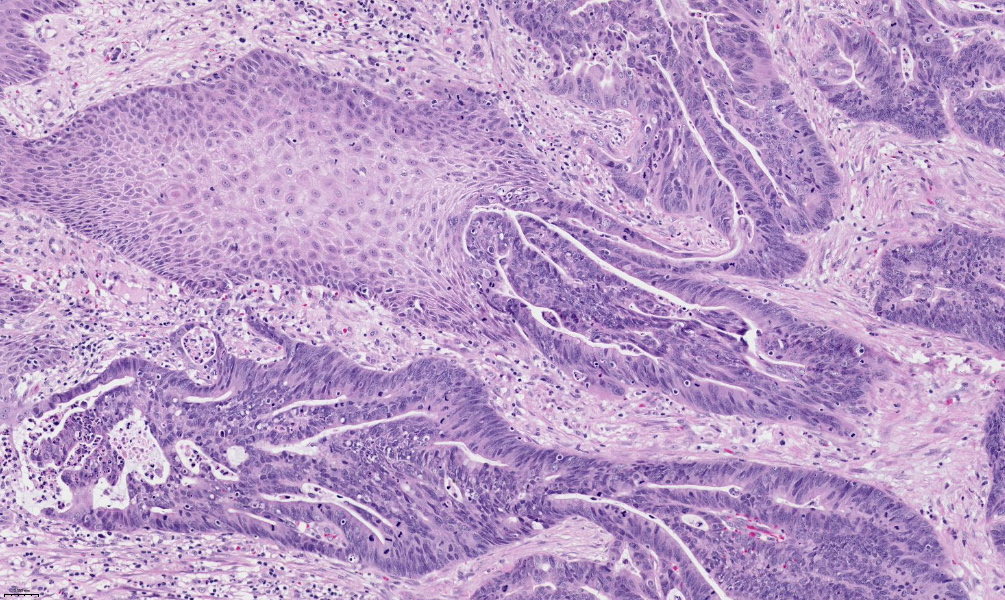
Primary perianal adenocarcinoma with pagetoid intra-epithelial extension - these look a bit like HPV-associated lesions, lack HPV transcripts, and have TP53, ERBB2, and MYC abnormalities, without typical rectal adenocarcinoma mutations (APC, KRAS, BRAF). https://t.co/ajb2kPFkBI
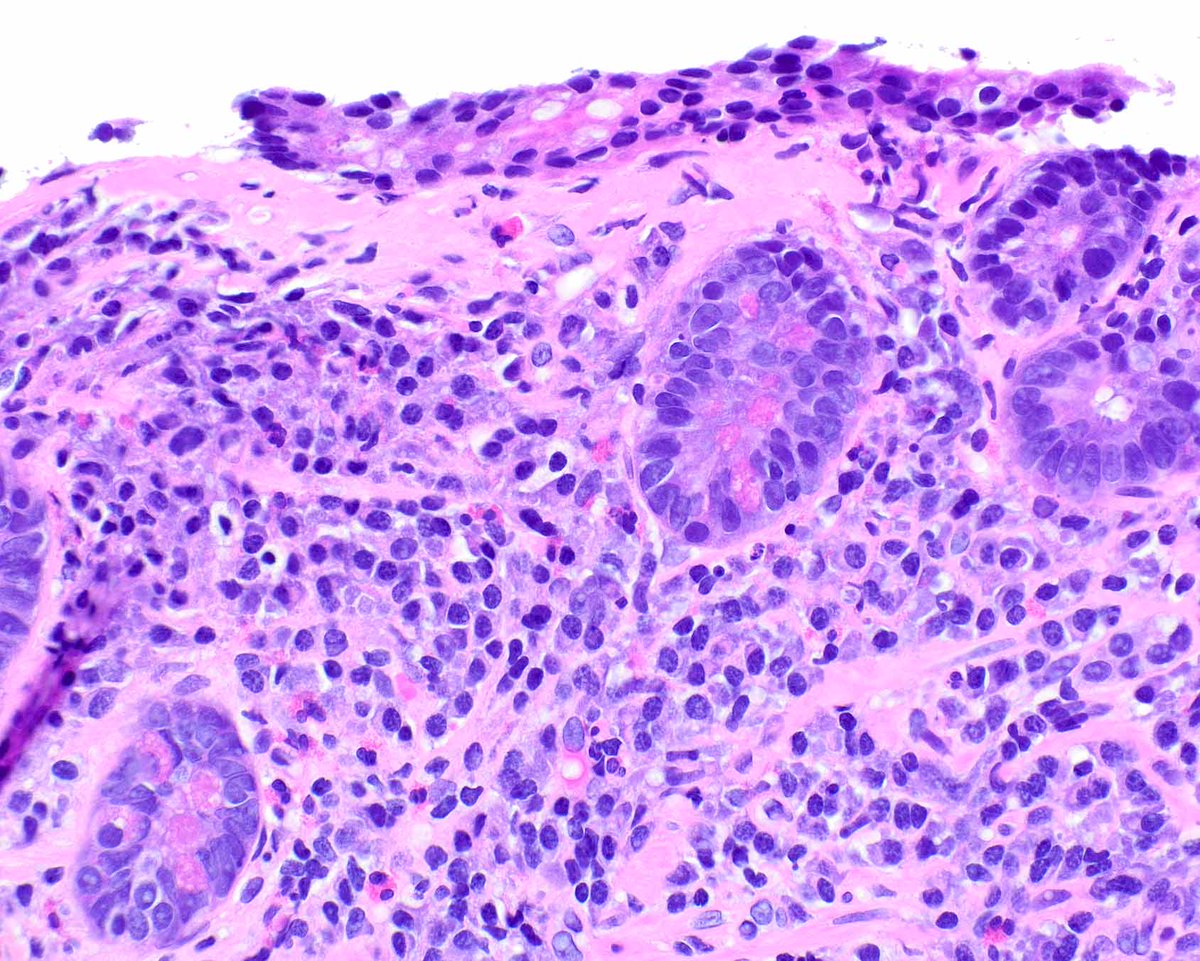
This pattern of esophageal injury is often associated with medications (immunotherapy frequently) or various other immunologic conditions, but this patient had a history of esophageal lichen planus. Apoptotic bodies are indicated.
https://t.co/KctUX85qSk
https://t.co/GKkBB7p0aa
🔬 When polarity turns upside down…
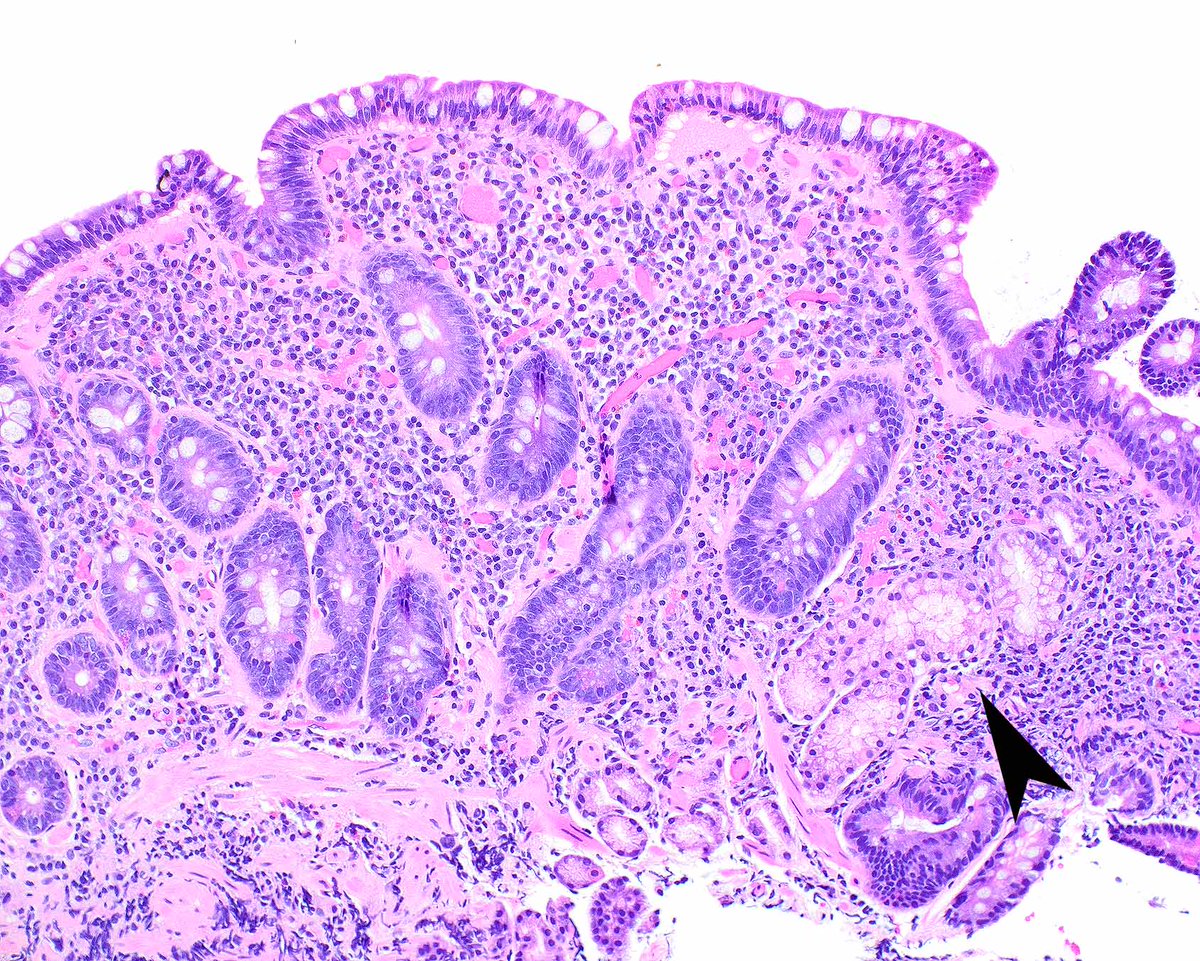
A fascinating and apparently novel morphological finding in Crohn’s disease: reverse polarity in pseudopyloric metaplasia.
Reverse polarity is well described in several neoplasms and a few non-neoplastic disorders—but its occurrence in pseudopyloric metaplasia in Crohn’s disease appears to be previously undescribed.
✨ A reminder that morphology still has the power to surprise us.
For pathologists, sometimes the most interesting discoveries are hiding in the orientation of a nucleus.
📖 Gupta S, Bojanapu S, Pai SA. Reverse polarity in pseudopyloric metaplasia in Crohn’s disease. J Clin Pathol. 2025;78:651–652.
Link to the paper: https://t.co/keIuoV3wJ6
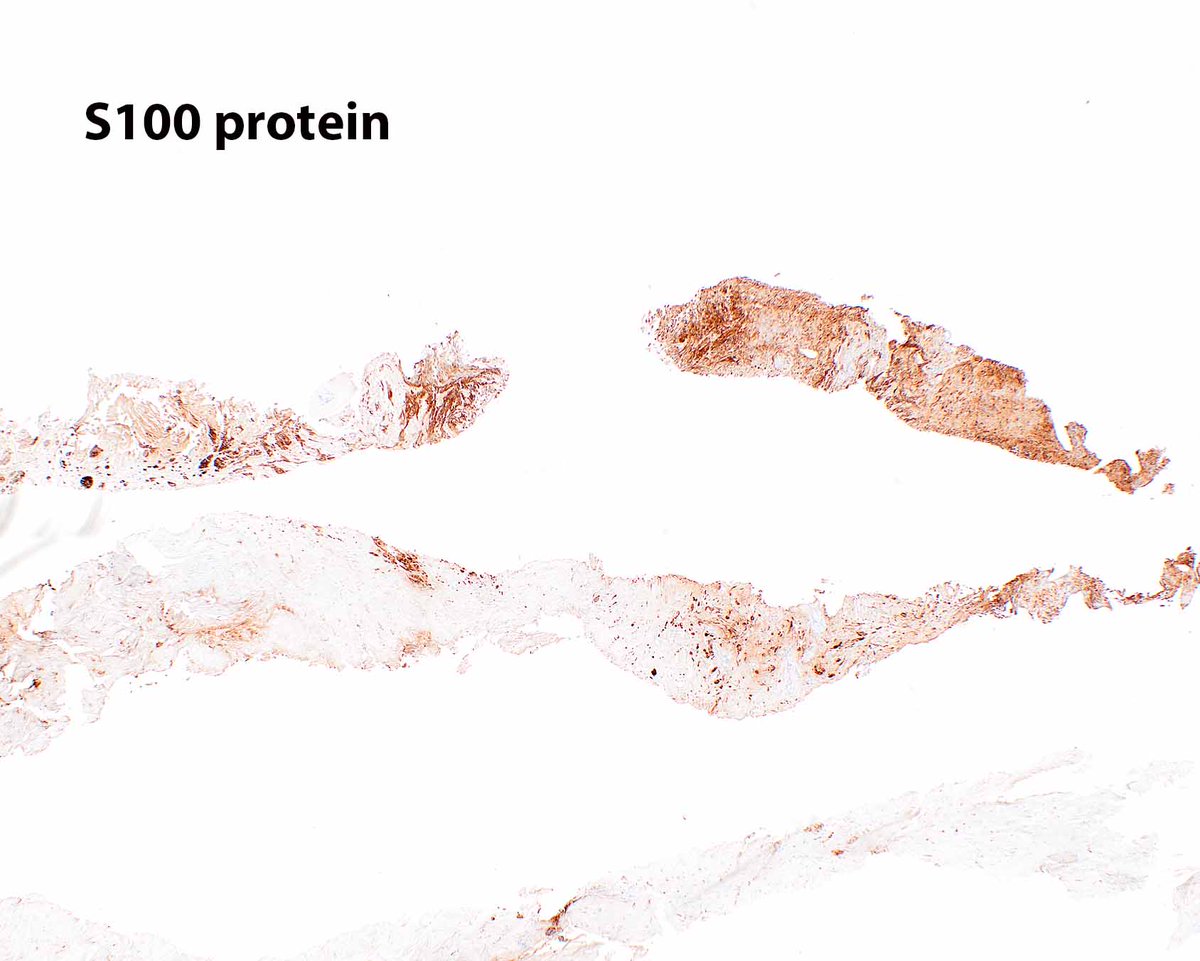
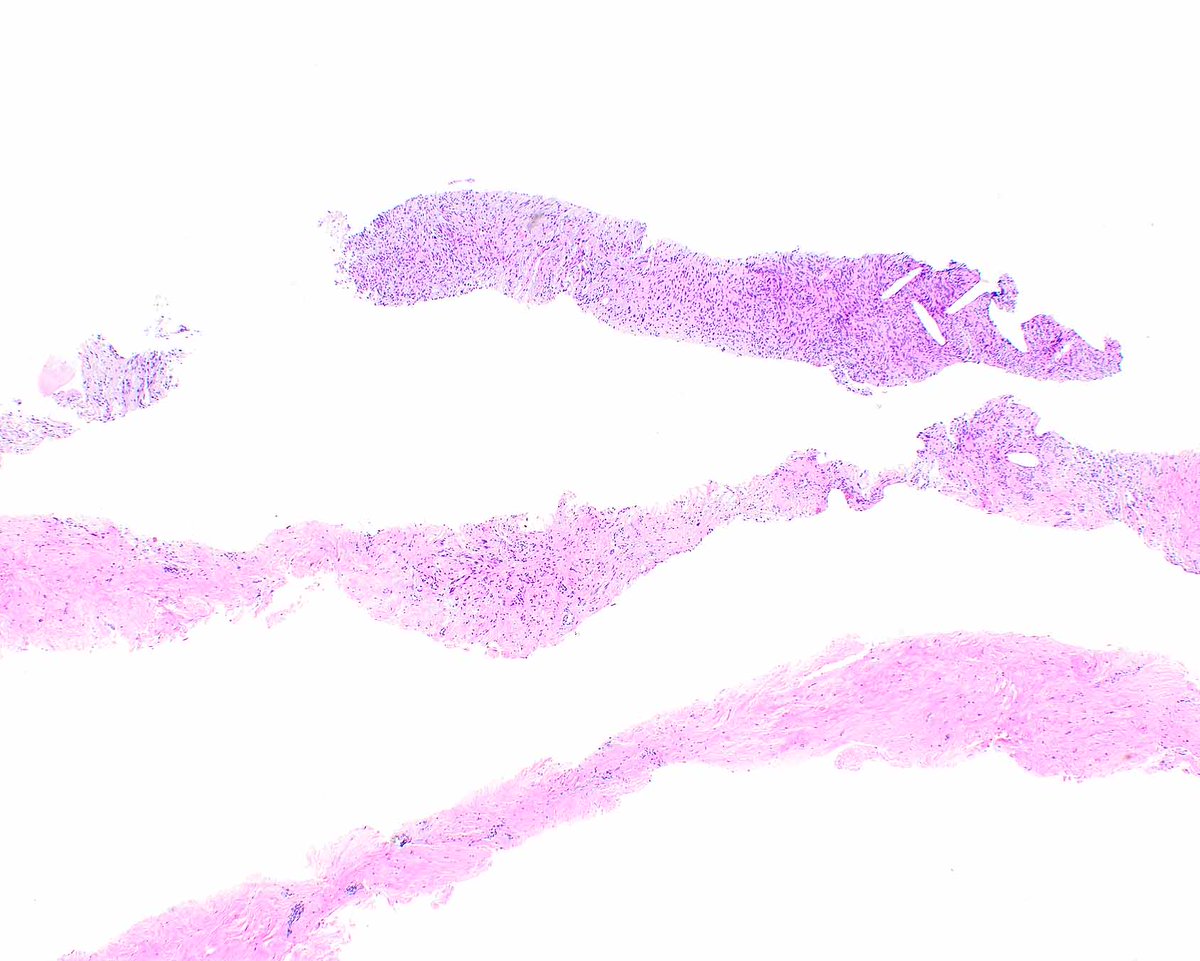
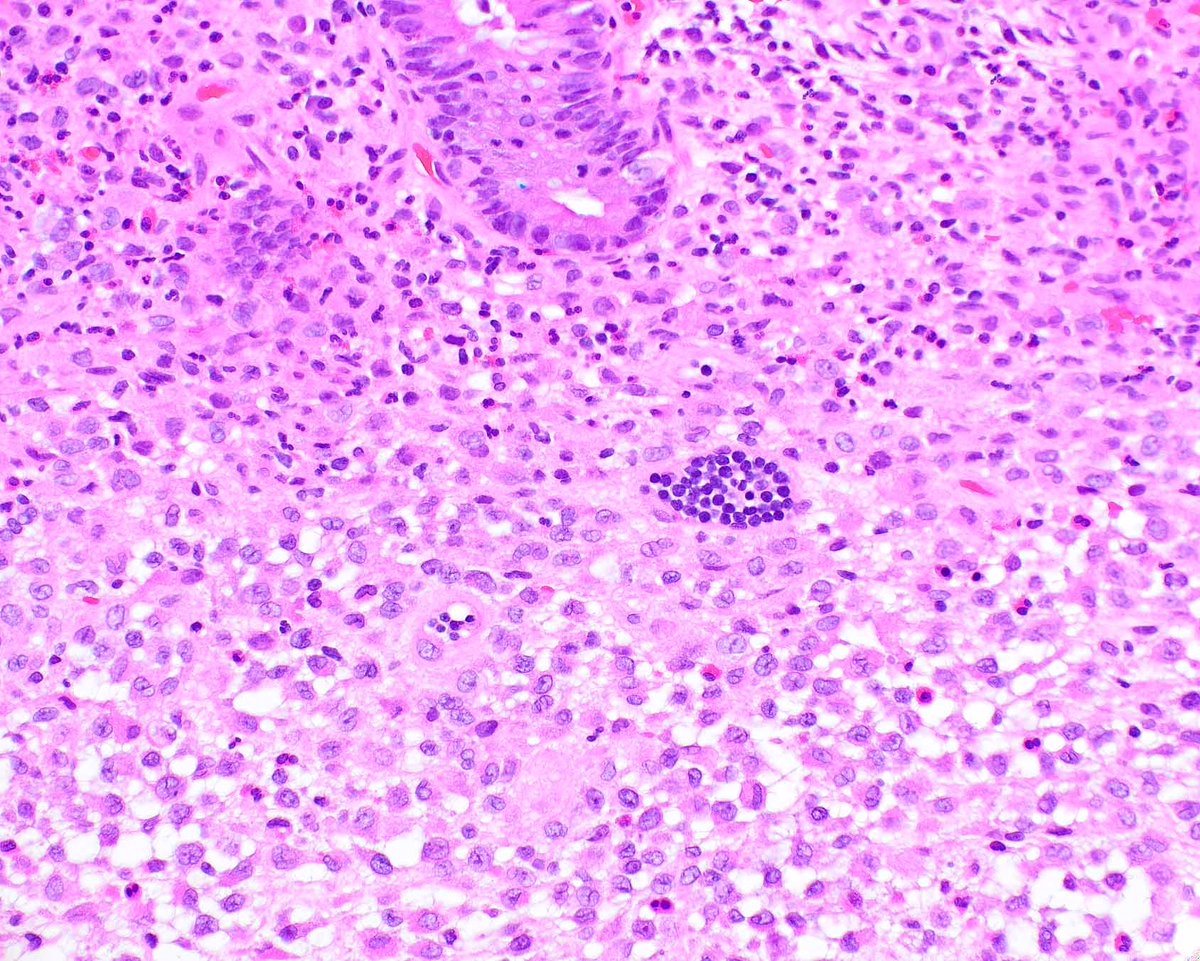
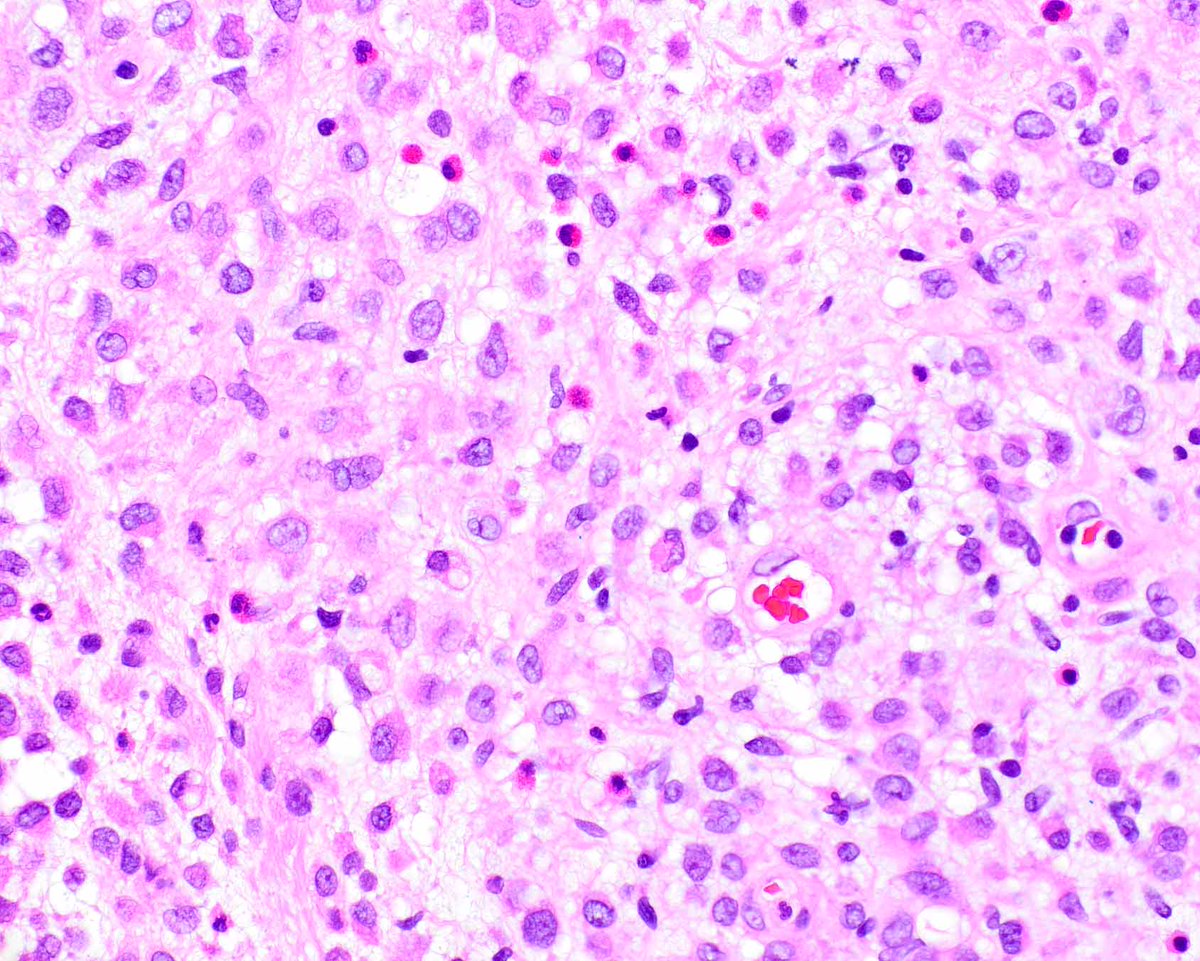
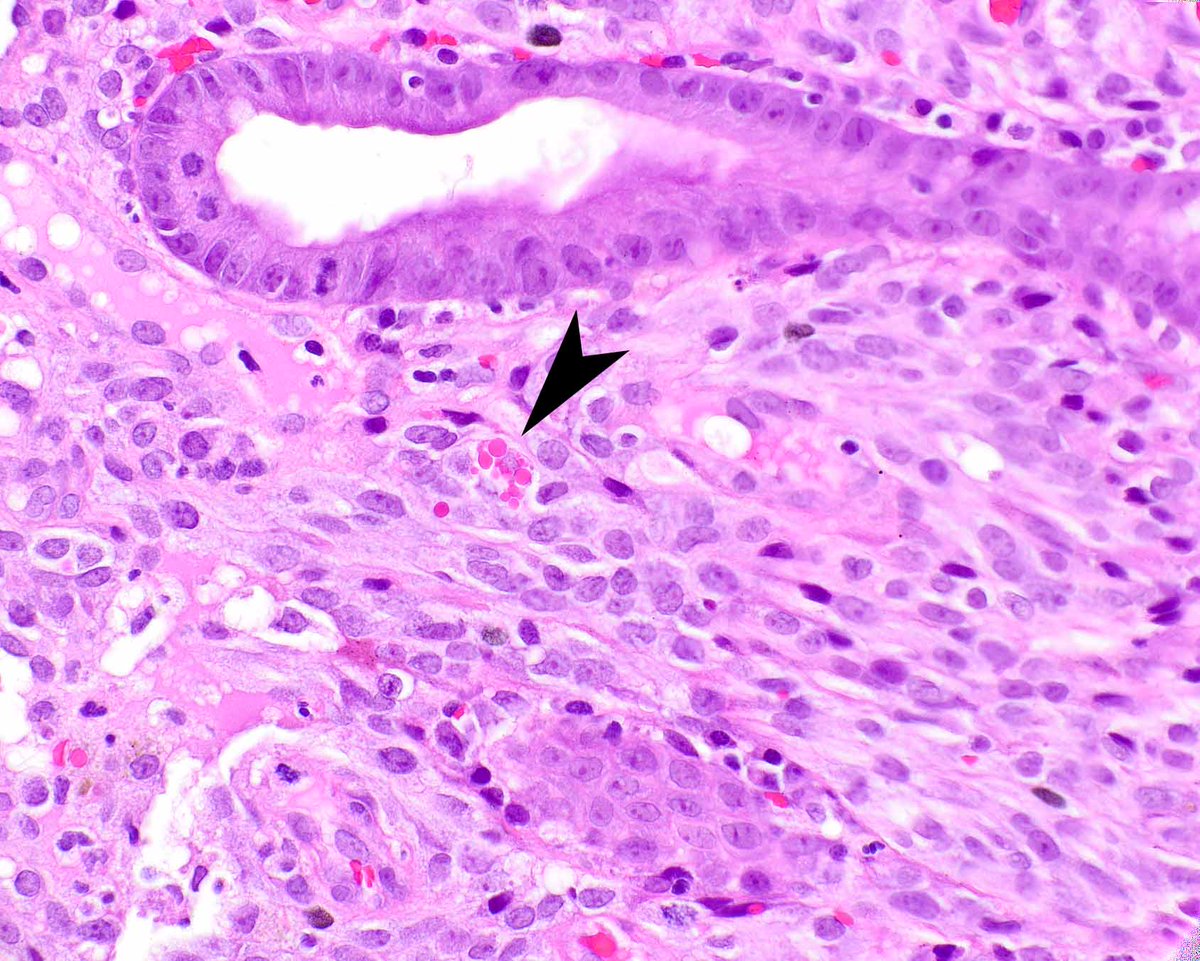
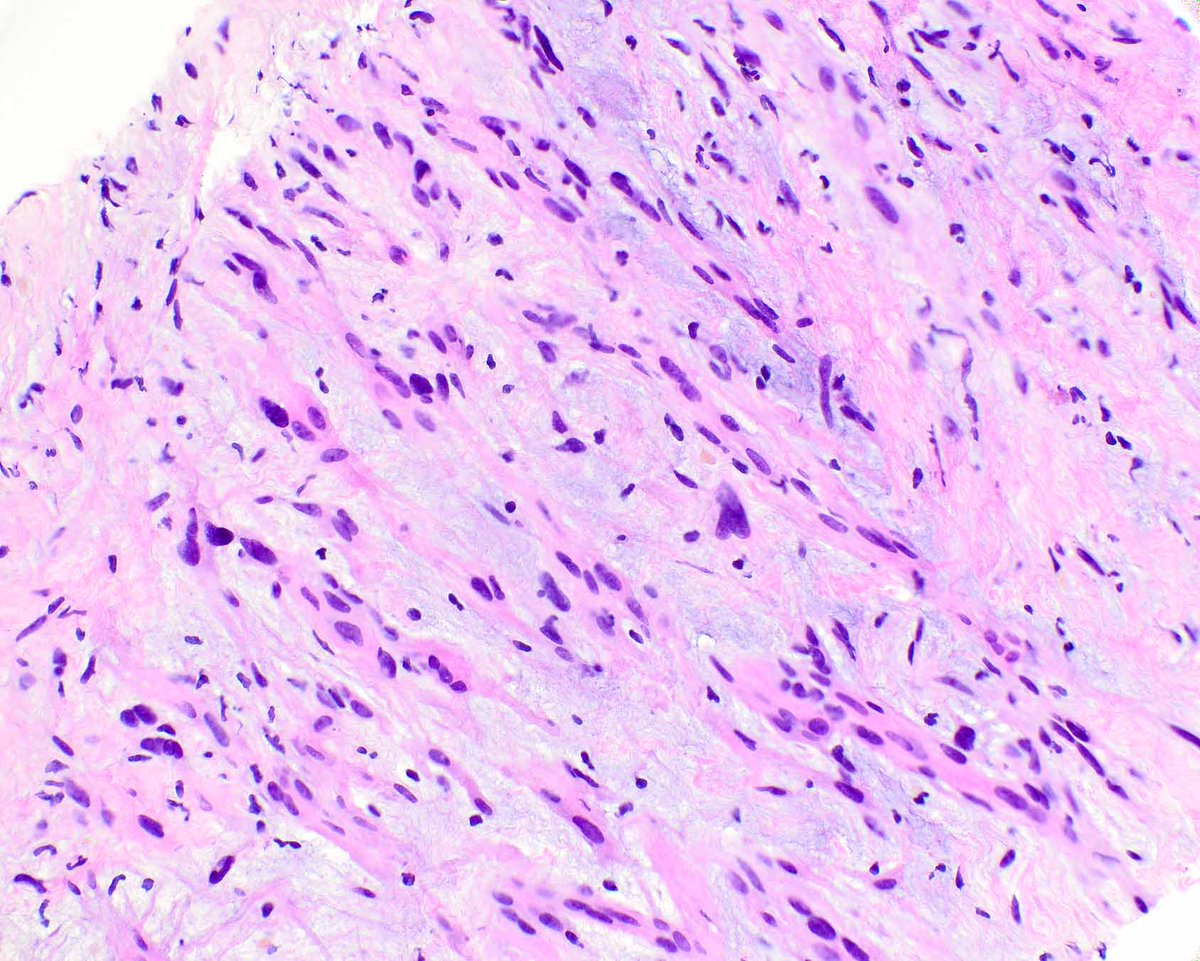
Extra-nodal Rosai Dorfman disease shows overlapping features with IgG4-related fibrosclerosing disease - storiform fibrosis and inflammation. The S100 stain highlights emperipolesis with nuclear (short arrows) and cytoplasmic staining; engulfed cells are negative (long arrows).
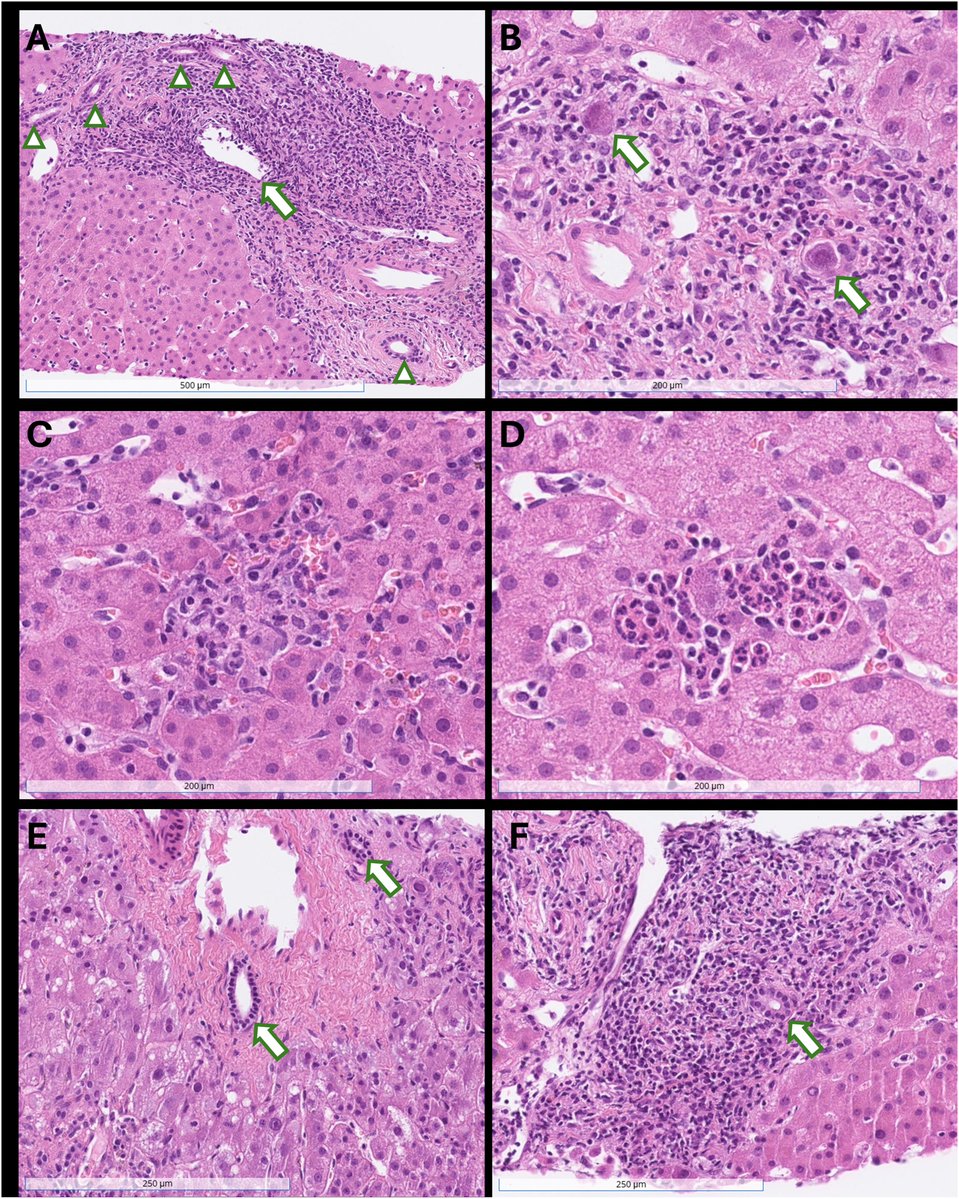
Histologic features favoring CMV hepatitis in liver allograft biopsies with overlapping rejection-type injury
➡️Microgranulomas
➡️Neutrophilic microabscesses
Difficult topic, covered by IJSP. Read more here 👉🏼 https://t.co/Nz0Ofdy4W9
#PathTwitter#GIPath#MedicalLiverPath
Just a bread and butter case: with better control of HIV disease it is easy to forget about Kaposi sarcoma - this example with hyaline globules. (erythrophagolysosomes).
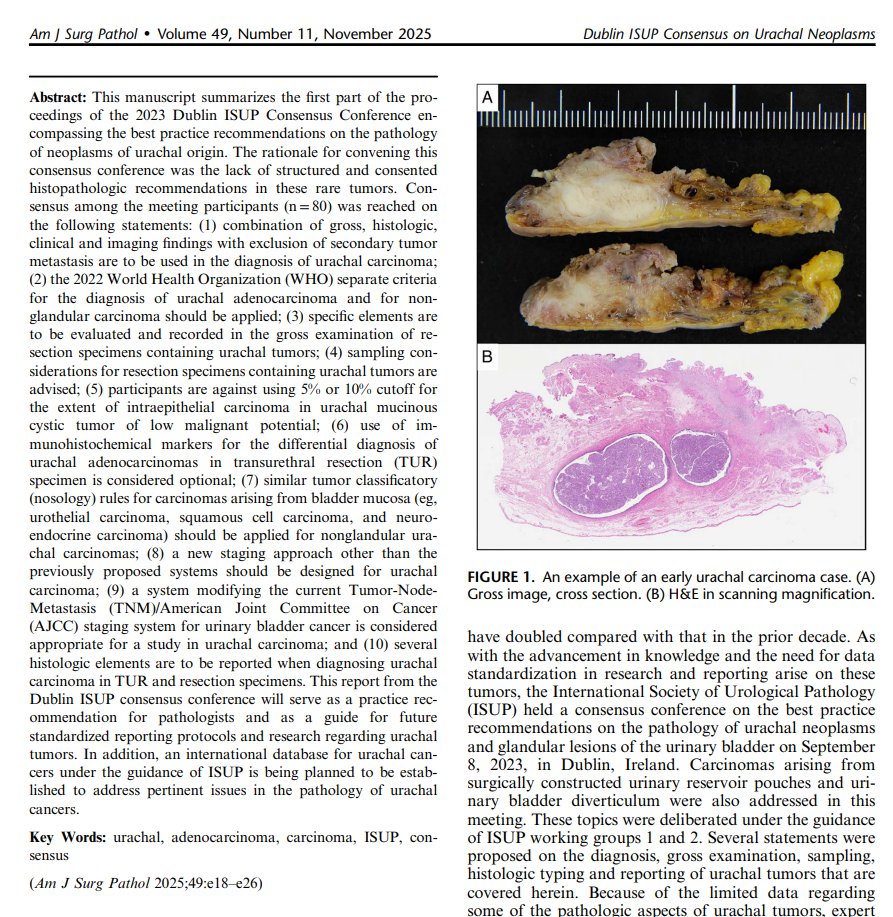
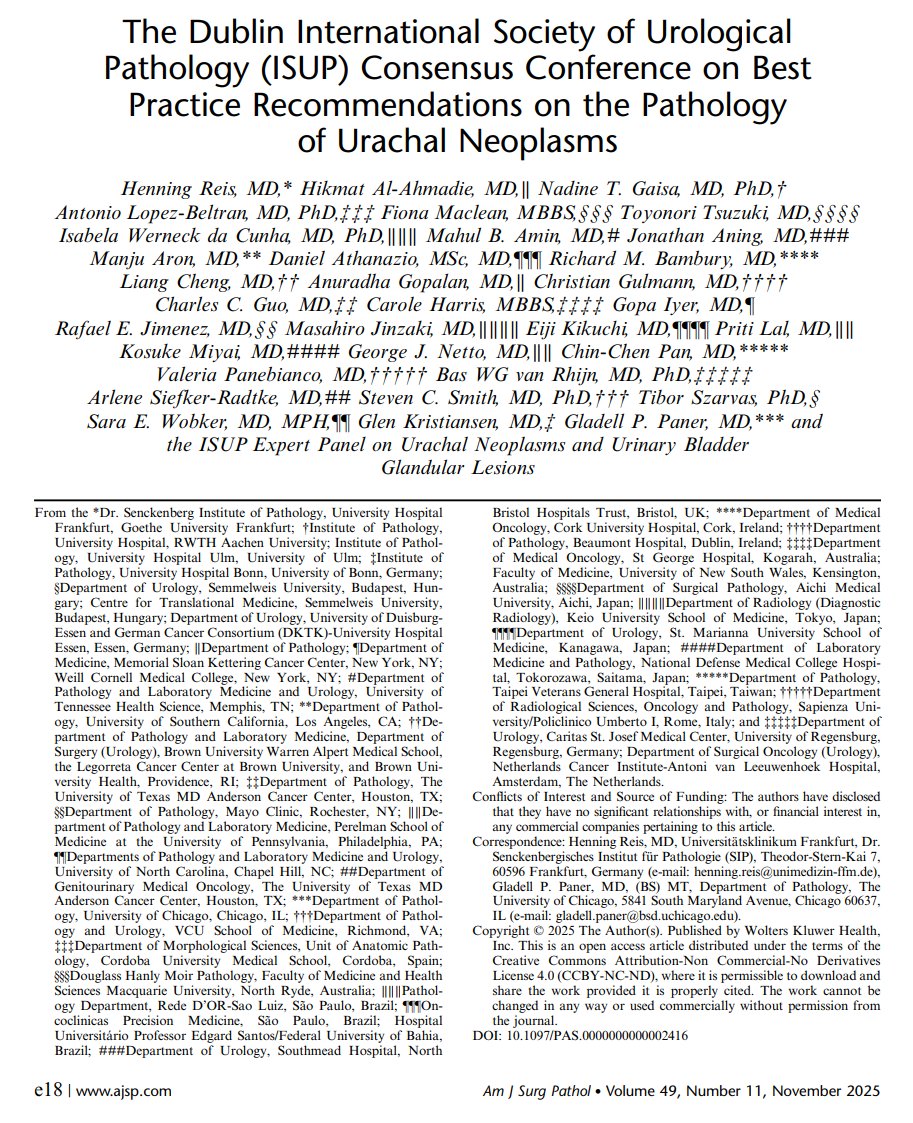
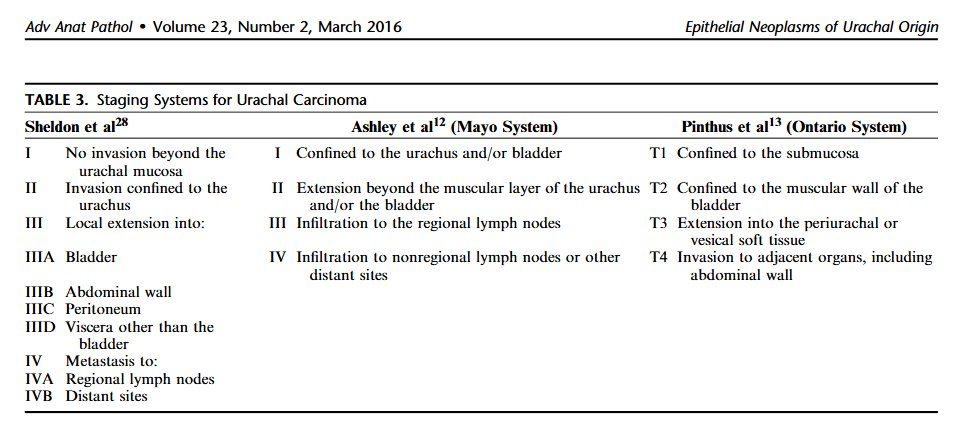
nice recent @IntSocUropath consensus on urachal neoplasms
staging these is still a challenge!
(I typically include both Sheldon and Mayo in my reports)
Check out the peculiar vacuolated cell change in this banal fundic gland polyp. This change, possibly related to proton pump inhibitors, sometimes results in concern for in situ signet ring cell carcinoma, which appears different (the high magnification image).
🔬 When polarity turns upside down…
A fascinating and apparently novel morphological finding in Crohn’s disease: reverse polarity in pseudopyloric metaplasia.
Reverse polarity is well described in several neoplasms and a few non-neoplastic disorders—but its occurrence in pseudopyloric metaplasia in Crohn’s disease appears to be previously undescribed.
✨ A reminder that morphology still has the power to surprise us.
For pathologists, sometimes the most interesting discoveries are hiding in the orientation of a nucleus.
📖 Gupta S, Bojanapu S, Pai SA. Reverse polarity in pseudopyloric metaplasia in Crohn’s disease. J Clin Pathol. 2025;78:651–652.
Link to the paper: https://t.co/keIuoV3wJ6
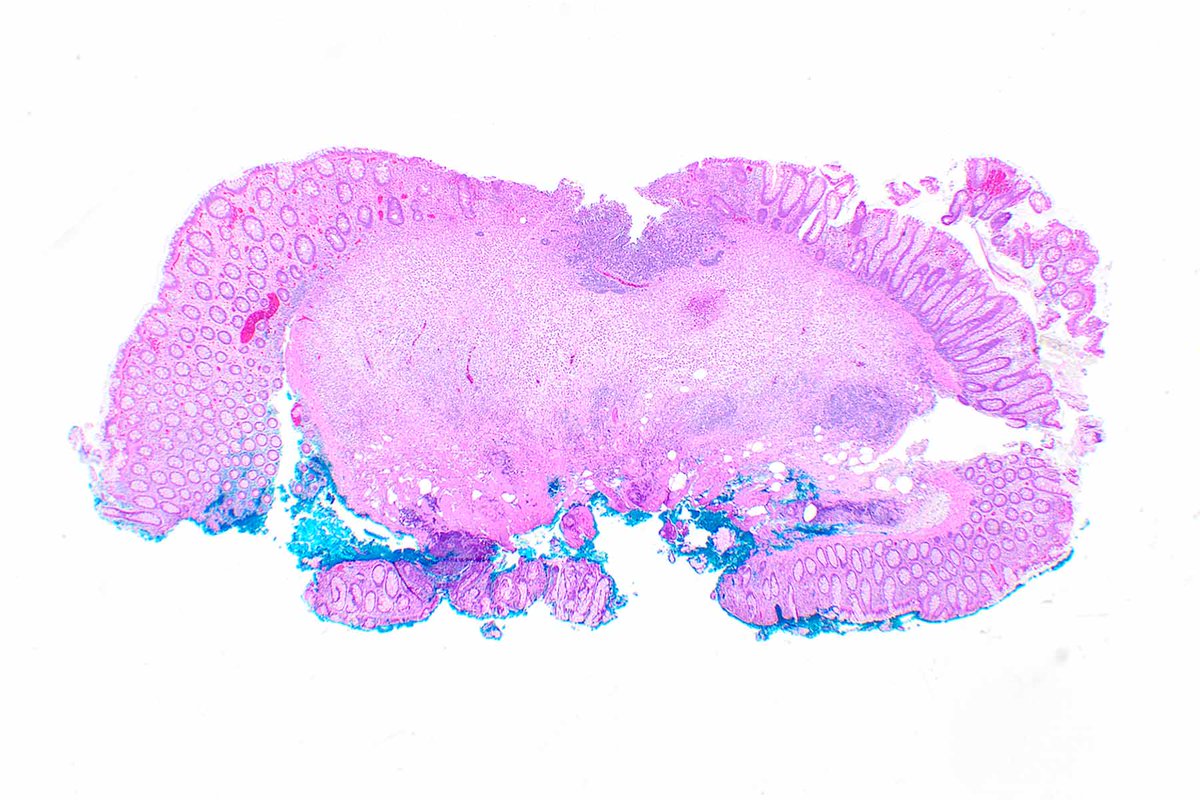
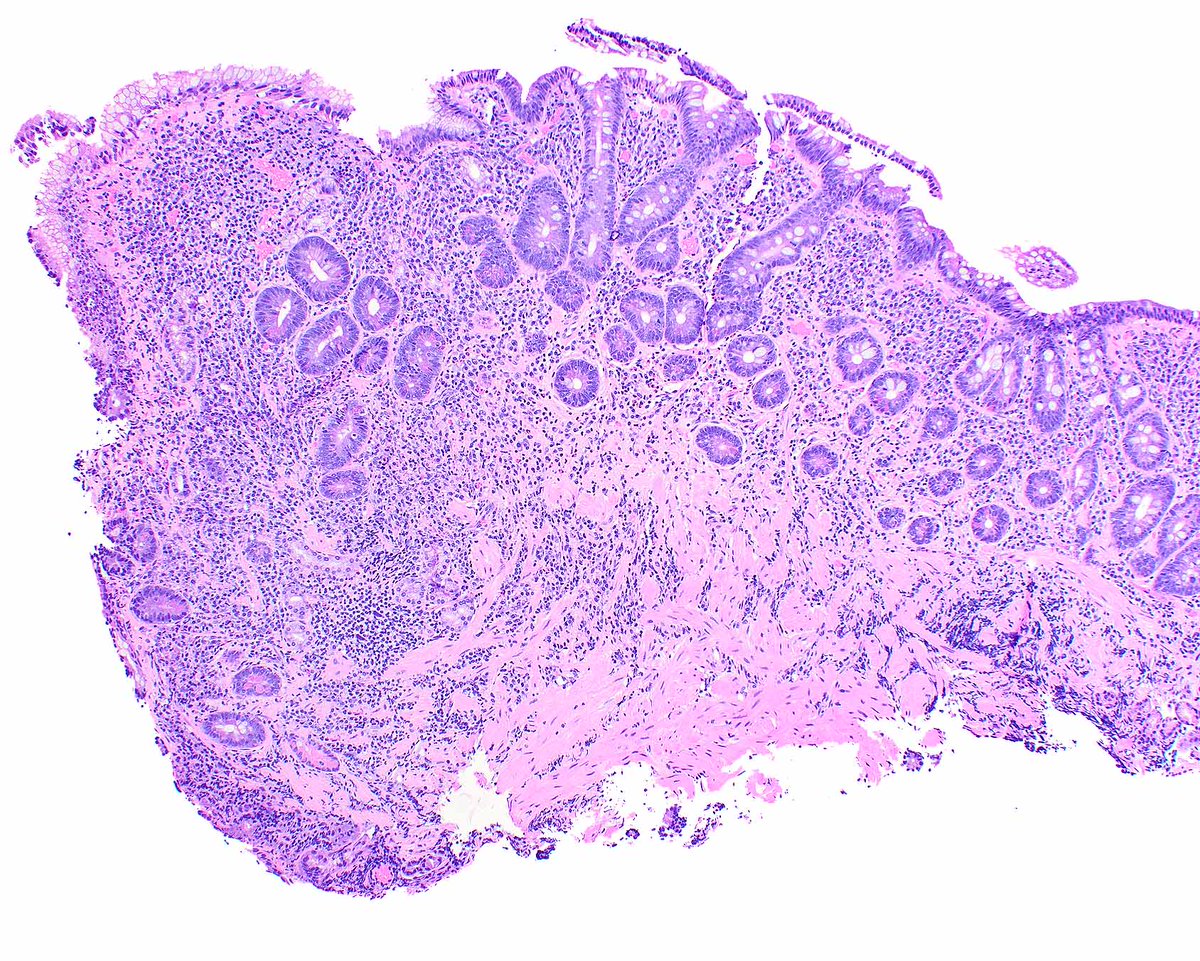
Langerhans cell histiocytosis (LCH) can present as colorectal polyps in adults and is generally indolent - analogous to to eosinophilic granuloma. Pediatric gastrointestinal LCH, in contrast, is often devastating.
https://t.co/6biwBF7EfC
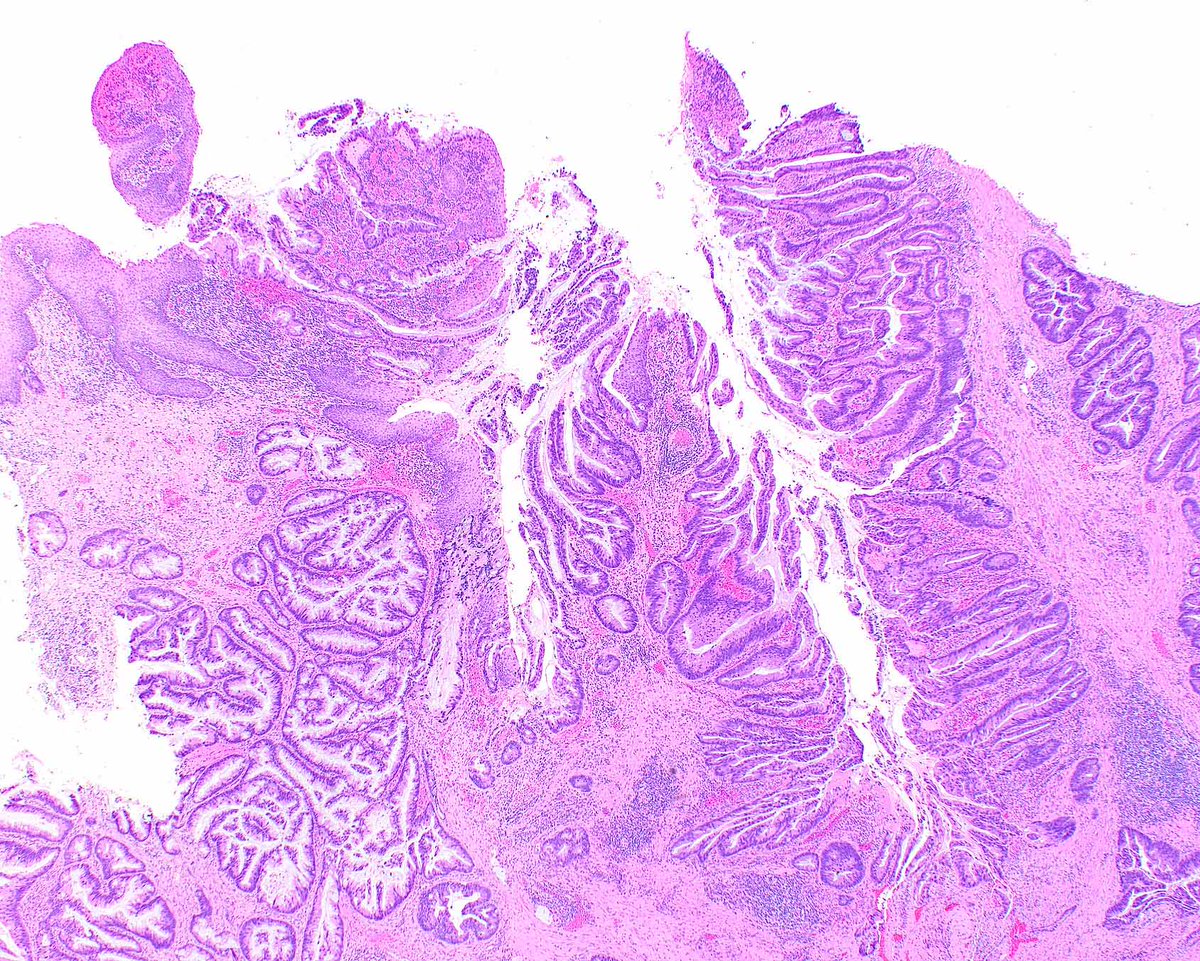
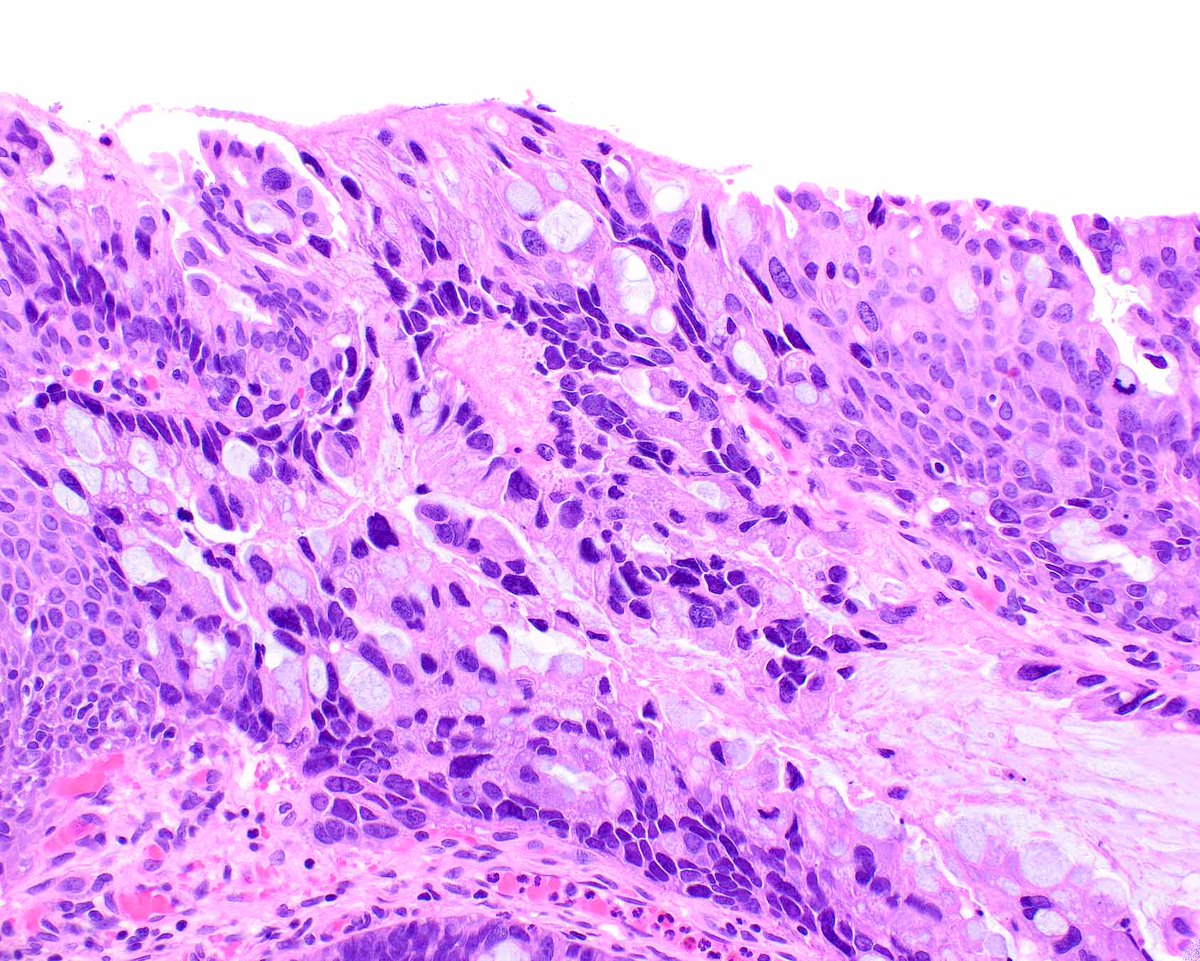
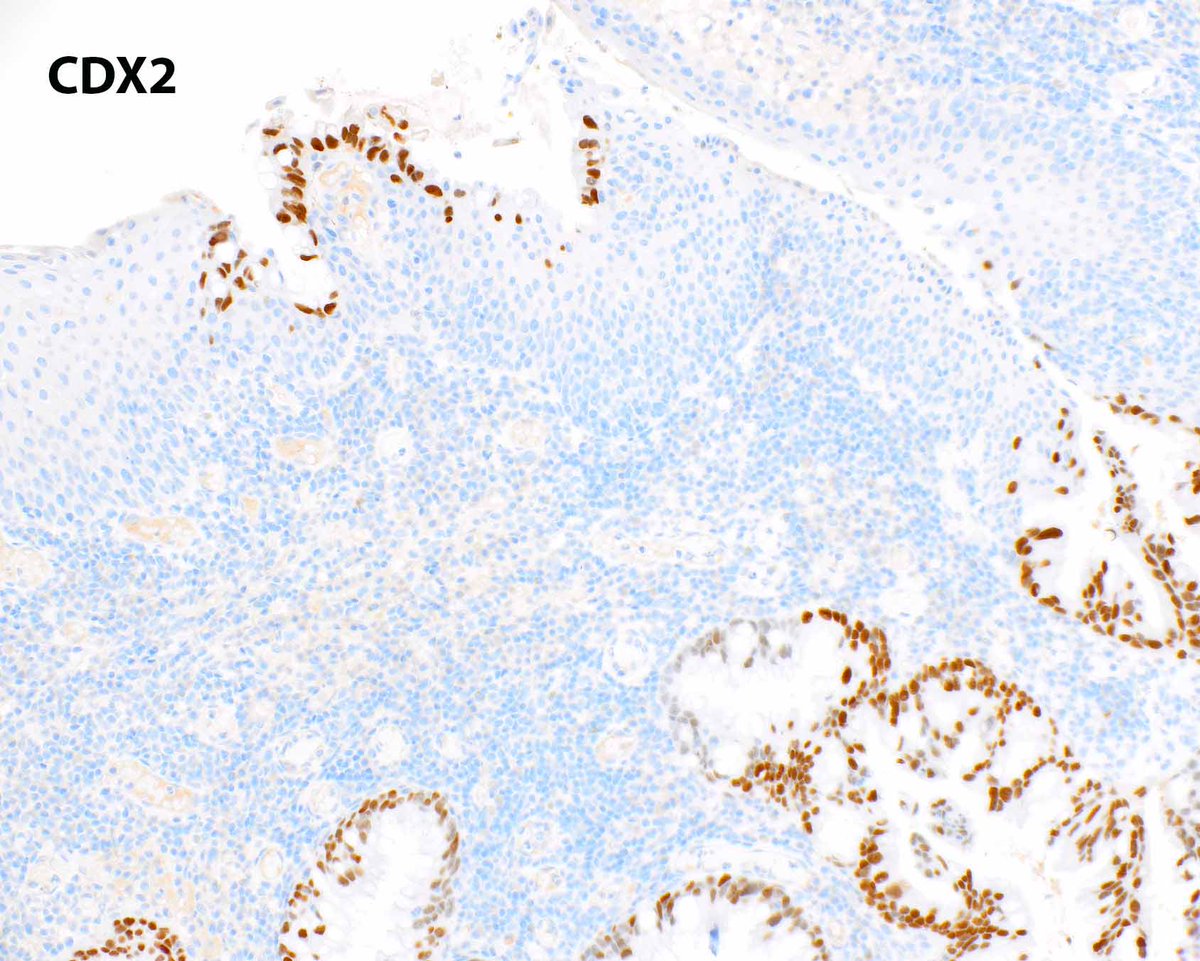
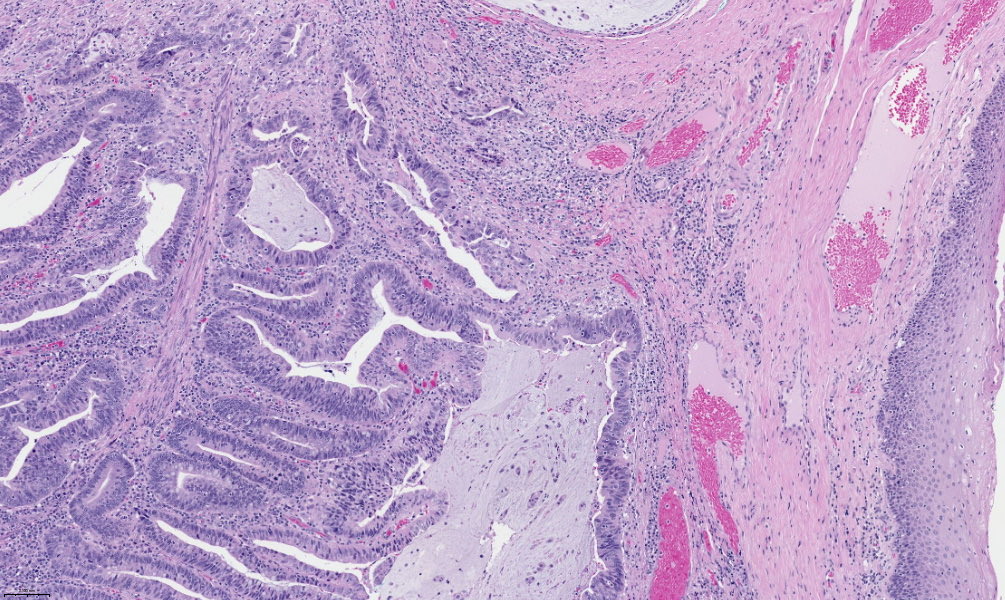
1/3. Primary anal canal adenocarcinoma in an elderly man. Modern classifications recognise 4 subtypes: mucosal, extramucosal anal gland, extramucosal fistula-associated, and extramucosal non-anal gland/non-fistula-associated adenocarcinoma. What subtype do you favour here?
A large population-based study showing that tumour deposits (TD) in colorectal carcinoma have inependent prognostic significance. The authors suggest that TD may represent a distinct metastatic phenotype. #GIPath#Xpath#Openaccess
https://t.co/3rb0mG4xDT
Gastropathy associated with losartan with parietal cell loss mimics autoimmune gastritis but there is no enterochromaffin-like cell hyperplasia. There is only mild antral inflammation. This case has a collagenous gastritis pattern of injury. Note the pseudopyloric metaplasia.