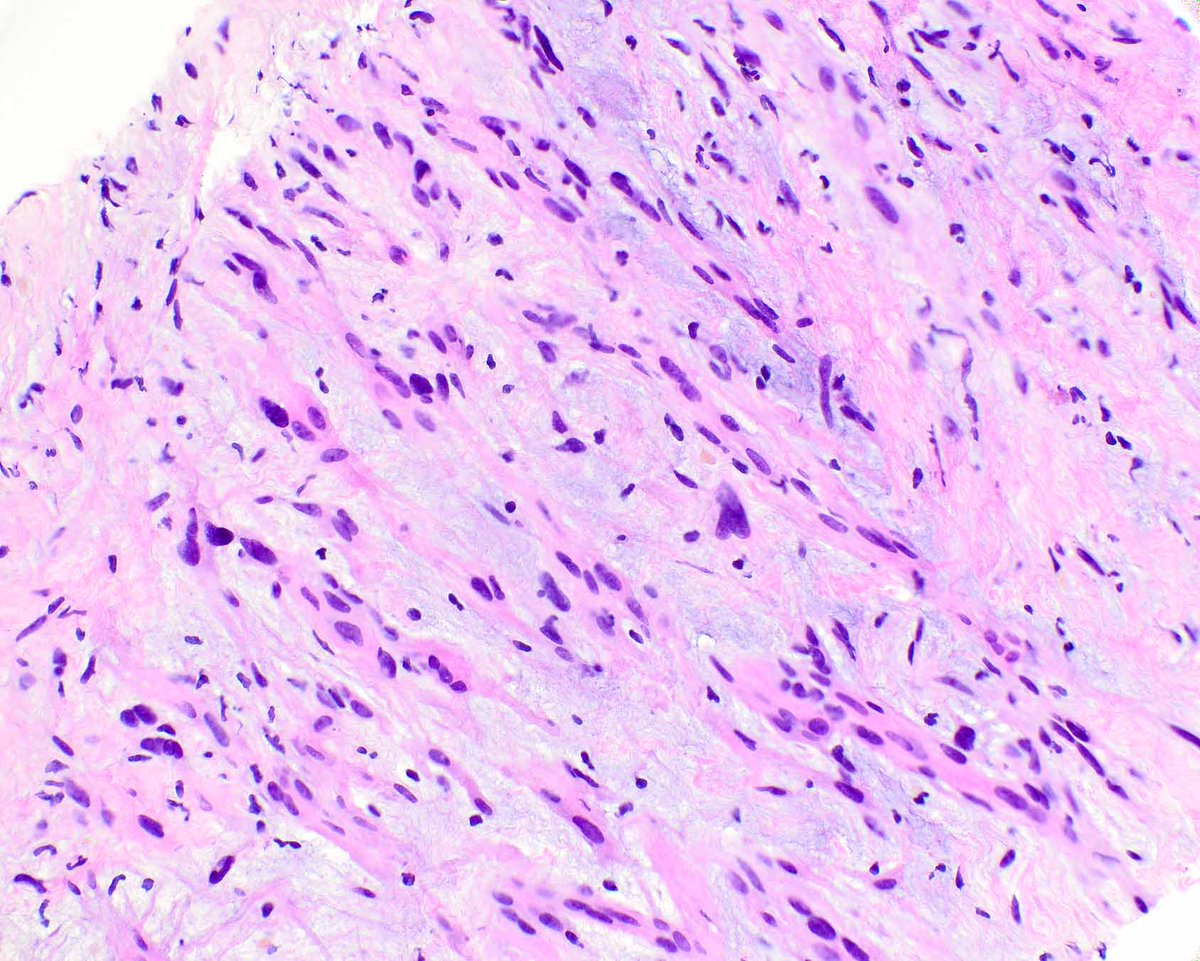
Deciphering Benign and Malignant Perineuriomas: A Comparative Epigenomic and Genomic Study With Hybrid and Malignant Peripheral Nerve Tumors
@ModernPathology
Read More: https://t.co/WYIewLkYcI
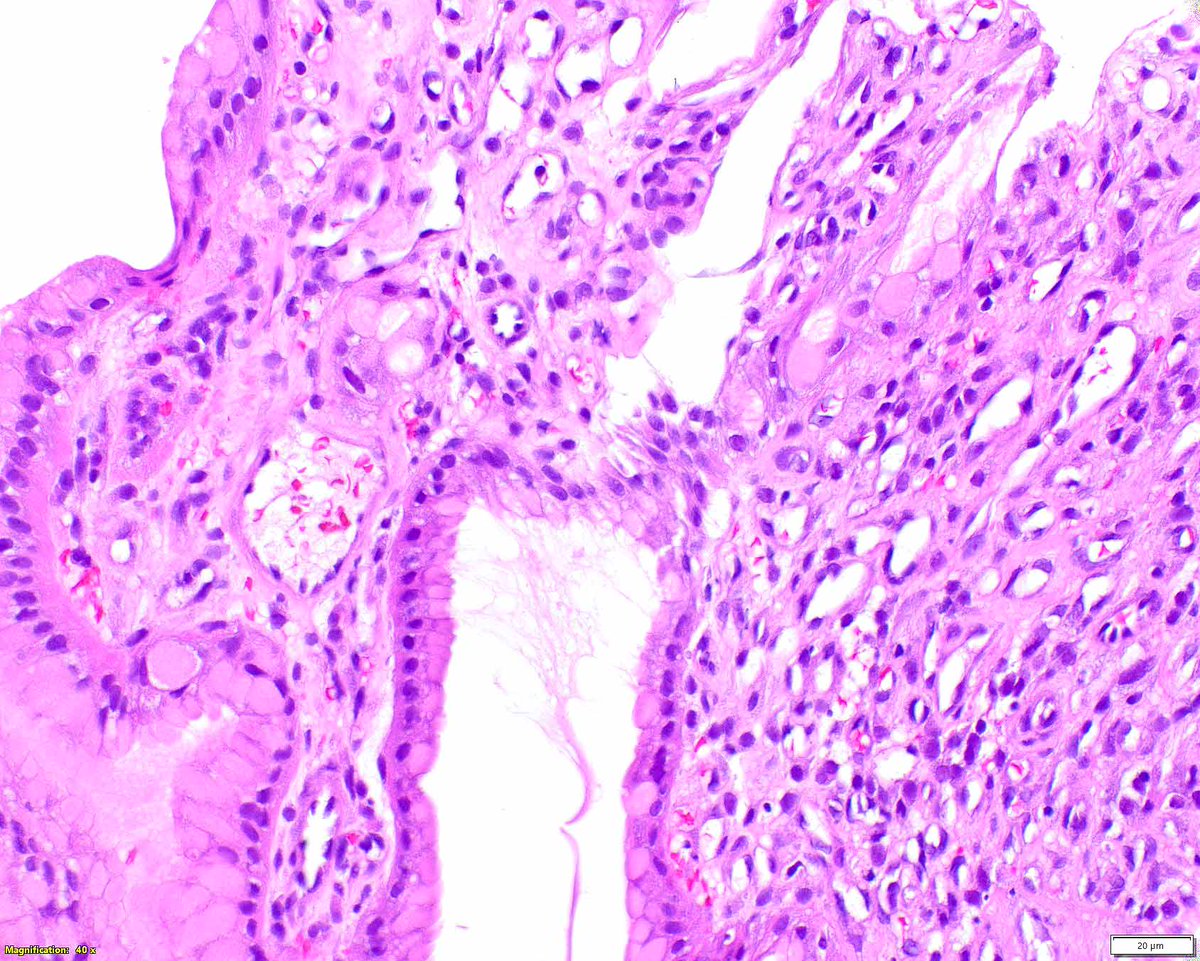
Portal hypertension-associated mucosal polyps can be detected throughout the gastrointestinal tract but frequently in the gastric antrum. They display an impressive capillary density.
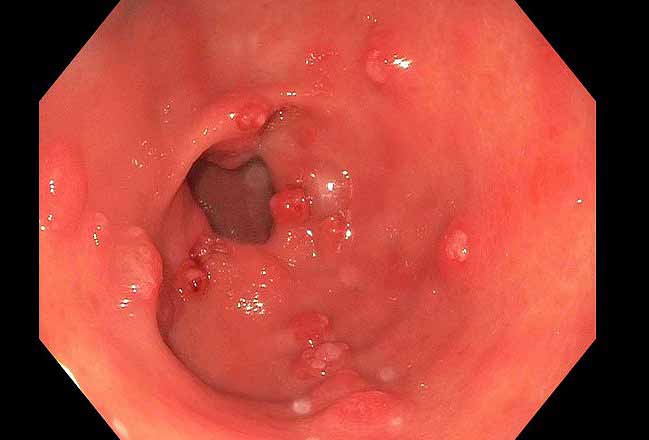
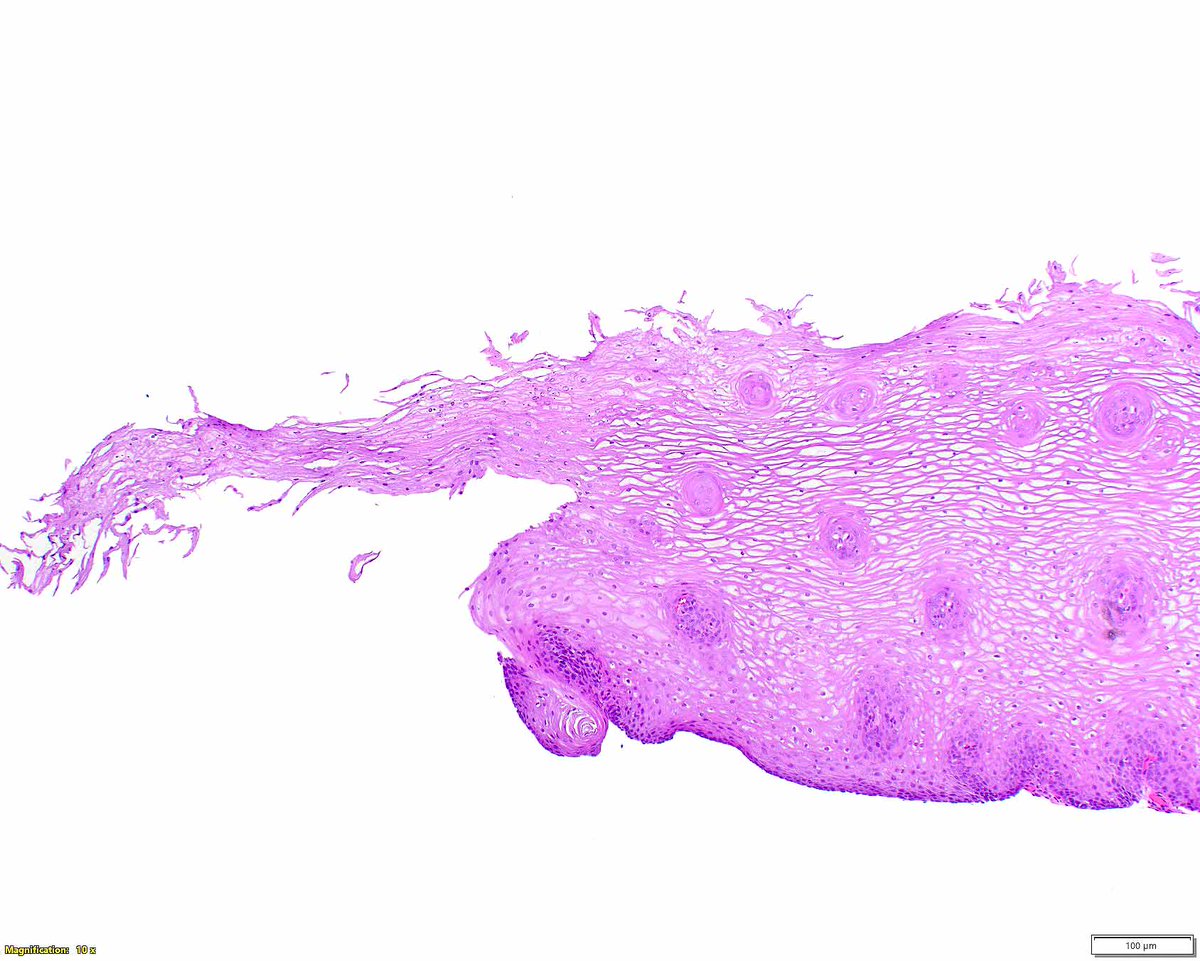
Esophageal glycogenic acanthosis can be a marker of Cowden (PTEN hamartoma) syndrome. This example is imperfectly embedded but correlates perfectly with the endoscopic findings.
https://t.co/YyX3xkL2eo
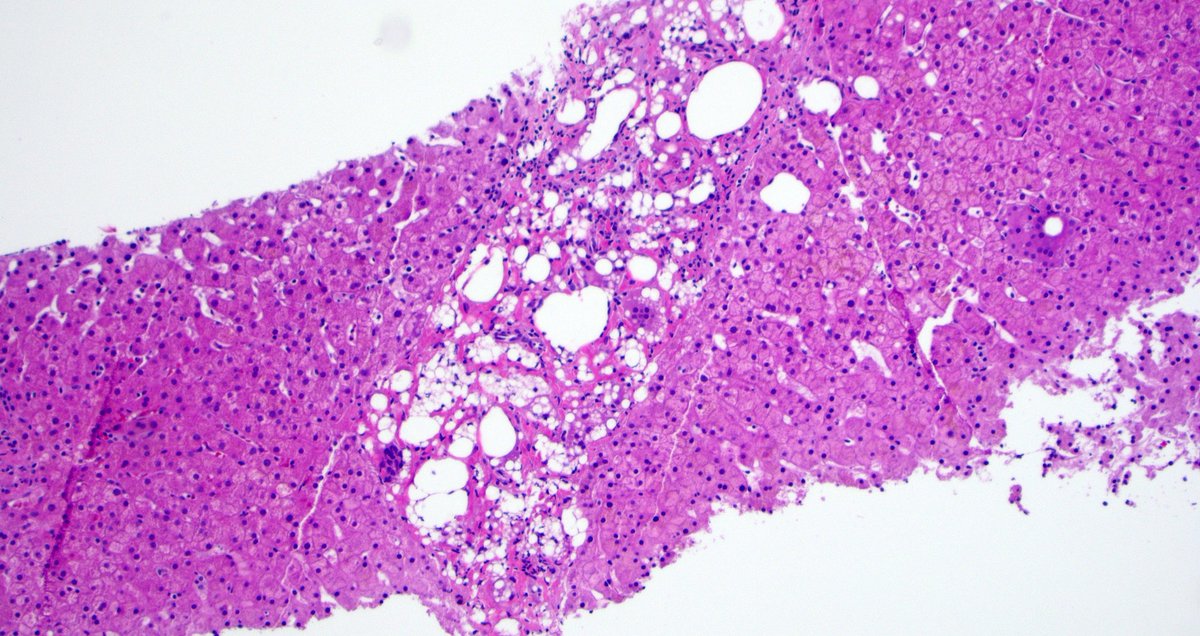
Not all hepatic granulomas are equal! Silicone migration with foreign-body granulomas: vacuolated macrophages & multinucleated cells- “Swiss cheese” appearance. The key to dx is outside the liver- ruptured breast implant! @UMiamiPathology@LizMontgomeryMD@TheUSCAP@Pathologists
Sometimes angiolipomas can be extremely cellular and spindled. This was a breast lesion so it was especially alarming. The fibrin thrombi are your friends! Each tiny capillary has a cuff on "non-endothelial" cells, another friend.
In Alagille syndrome, patients develop cholestatic cirrhosis because they lose bile ducts. Curiously, despite the cirrhosis and biliary metaplasia of hepatocytes on CK7, there is no ductular reaction!
The topic is reviewed here - https://t.co/oX0FU4fYbg
New in #HumPathol: Clinicopathologic characteristics of gastric adenocarcinoma in autoimmune gastritis: Impact of Helicobacter pylori infection and diagnostic implications of multifocal disease. https://t.co/DRYALTR6K5 #pathology#PathTwitter#PathX#GIpath
Grading colorectal adenocarcinoma: interobserver agreement between AJCC and WHO criteria and revisiting diagnostic challenges. Pathologists must grade colorectal carcinoma, but what is the best approach? This study provides useful data. #GIpath#Xpath https://t.co/nbxS9Hr8IN
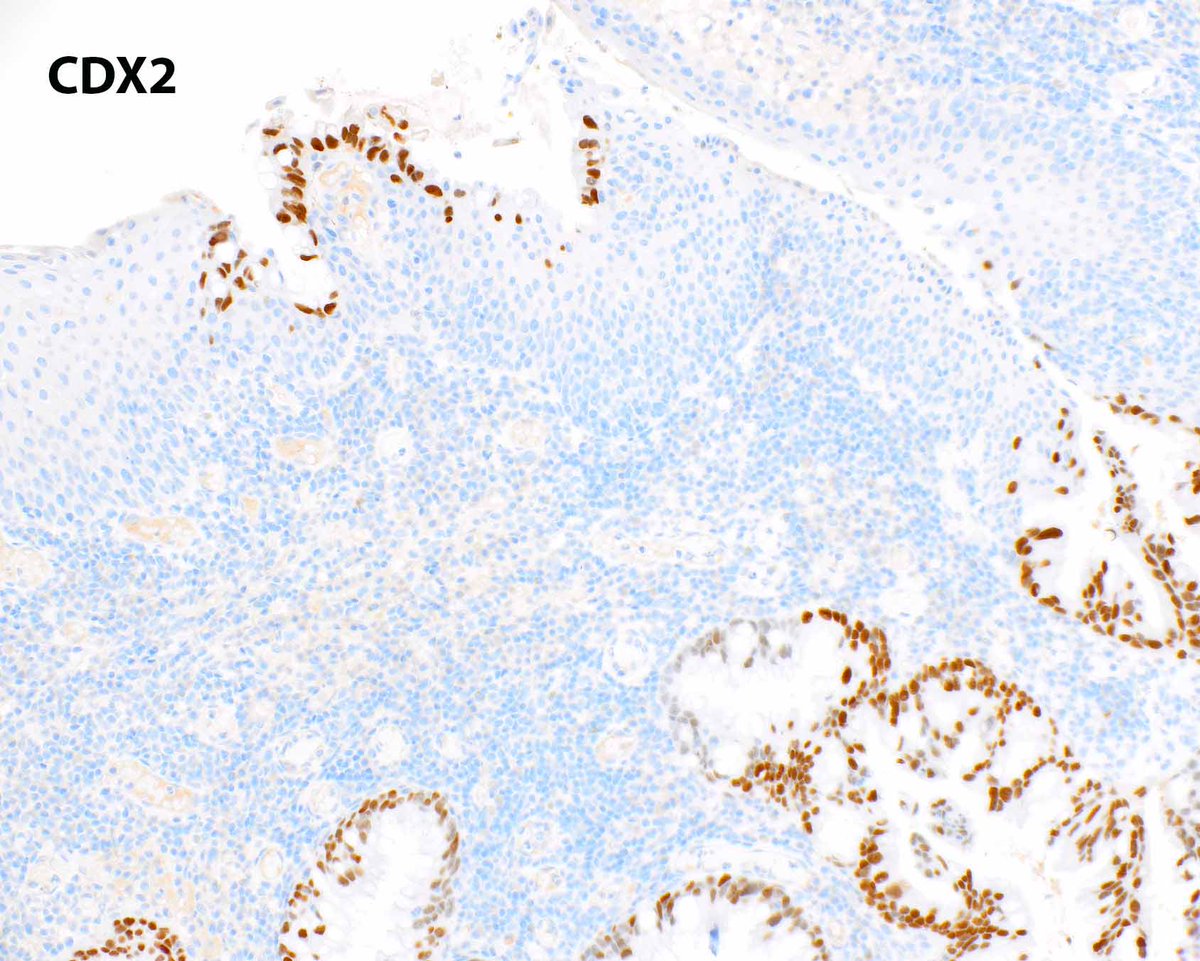
Primary perianal adenocarcinoma with pagetoid intra-epithelial extension - these look a bit like HPV-associated lesions, lack HPV transcripts, and have TP53, ERBB2, and MYC abnormalities, without typical rectal adenocarcinoma mutations (APC, KRAS, BRAF). https://t.co/ajb2kPFkBI
This pattern of esophageal injury is often associated with medications (immunotherapy frequently) or various other immunologic conditions, but this patient had a history of esophageal lichen planus. Apoptotic bodies are indicated.
https://t.co/KctUX85qSk
https://t.co/GKkBB7p0aa
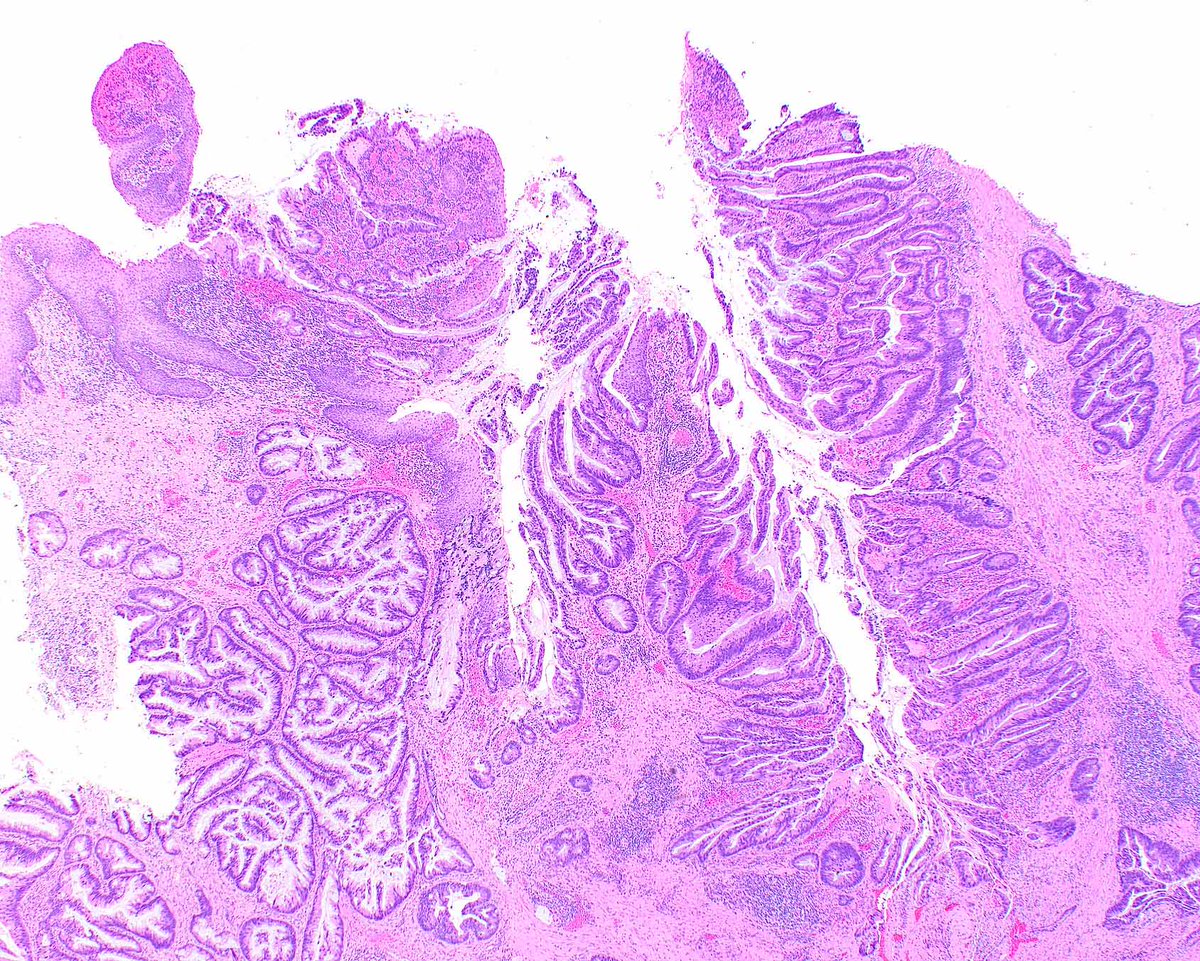
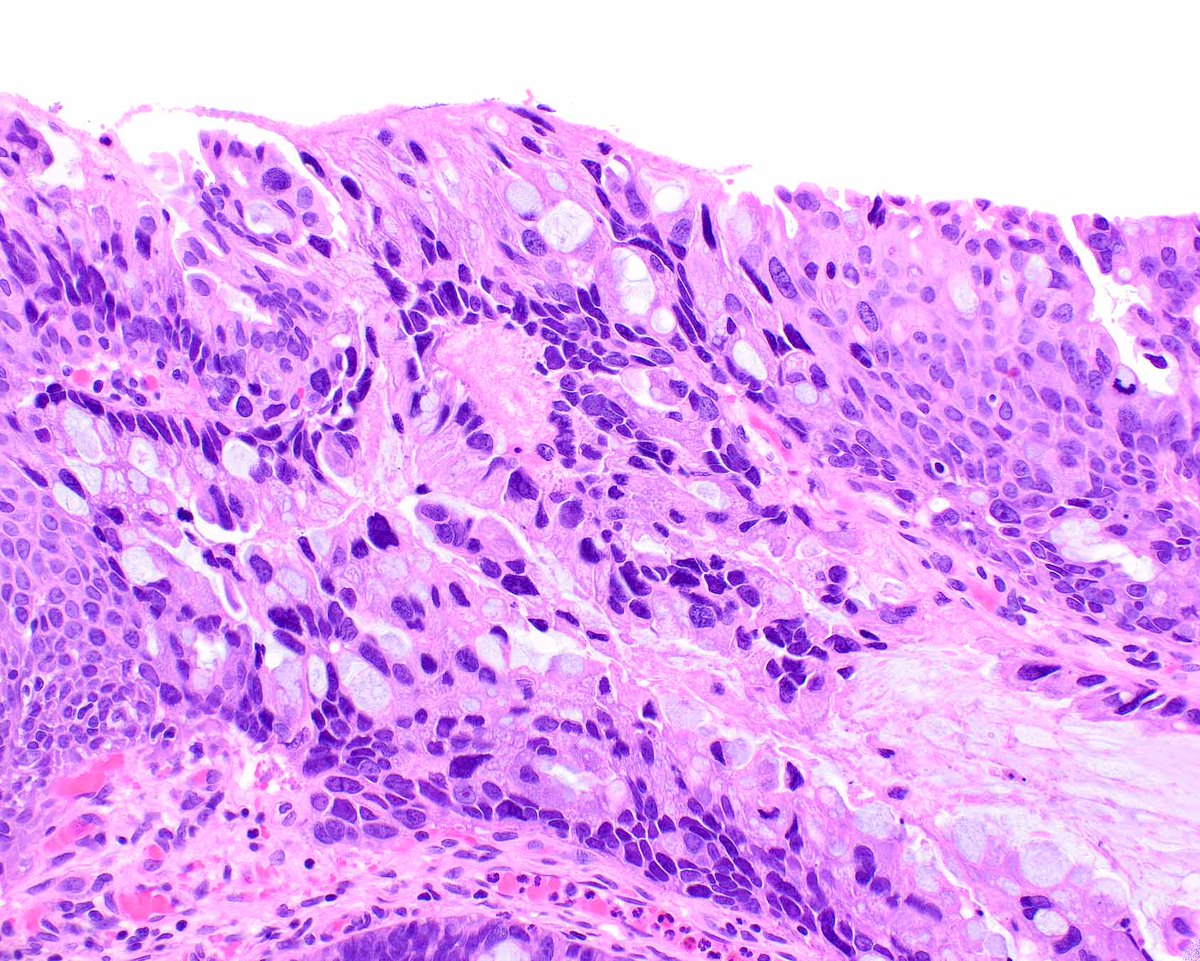
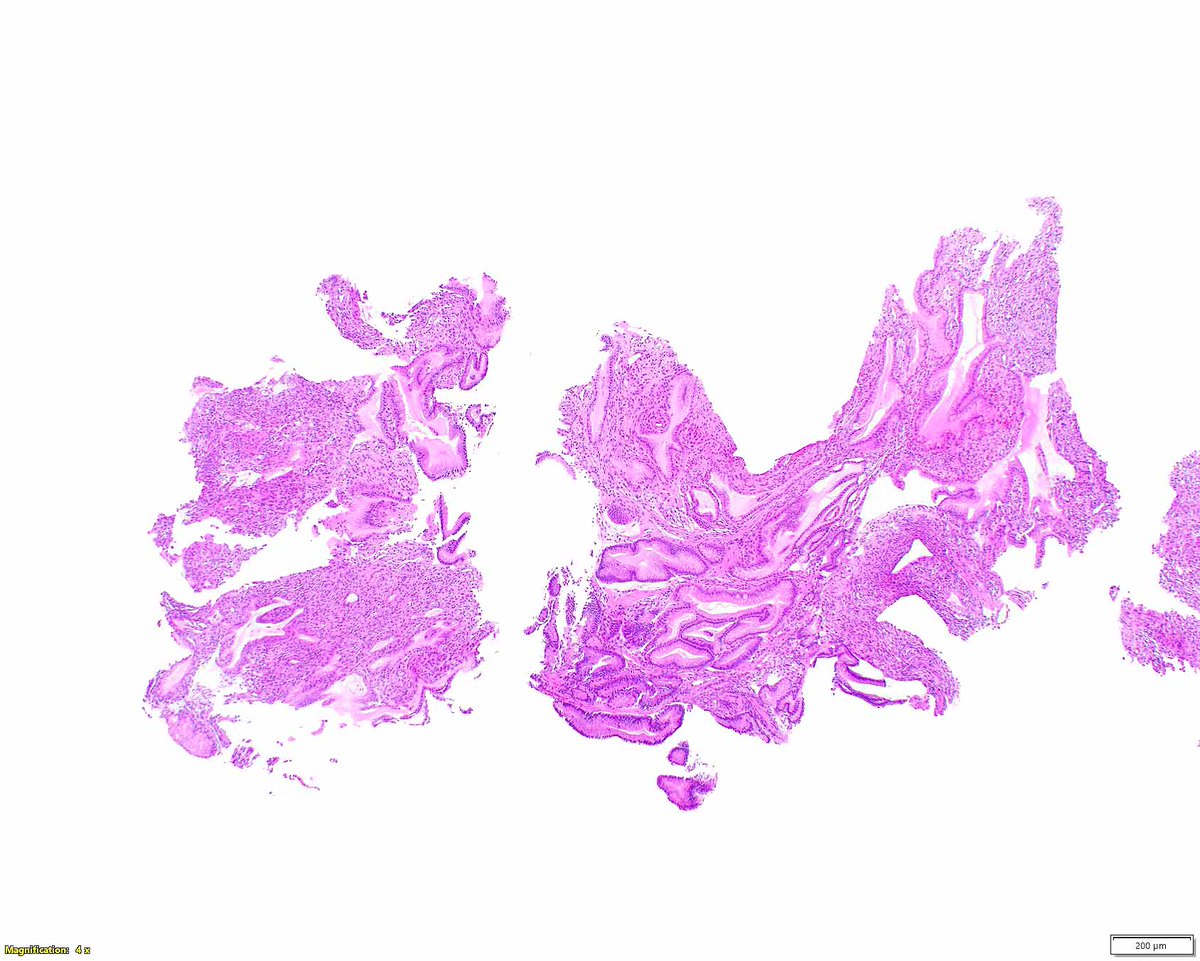
🔬 When polarity turns upside down…
A fascinating and apparently novel morphological finding in Crohn’s disease: reverse polarity in pseudopyloric metaplasia.
Reverse polarity is well described in several neoplasms and a few non-neoplastic disorders—but its occurrence in pseudopyloric metaplasia in Crohn’s disease appears to be previously undescribed.
✨ A reminder that morphology still has the power to surprise us.
For pathologists, sometimes the most interesting discoveries are hiding in the orientation of a nucleus.
📖 Gupta S, Bojanapu S, Pai SA. Reverse polarity in pseudopyloric metaplasia in Crohn’s disease. J Clin Pathol. 2025;78:651–652.
Link to the paper: https://t.co/keIuoV3wJ6
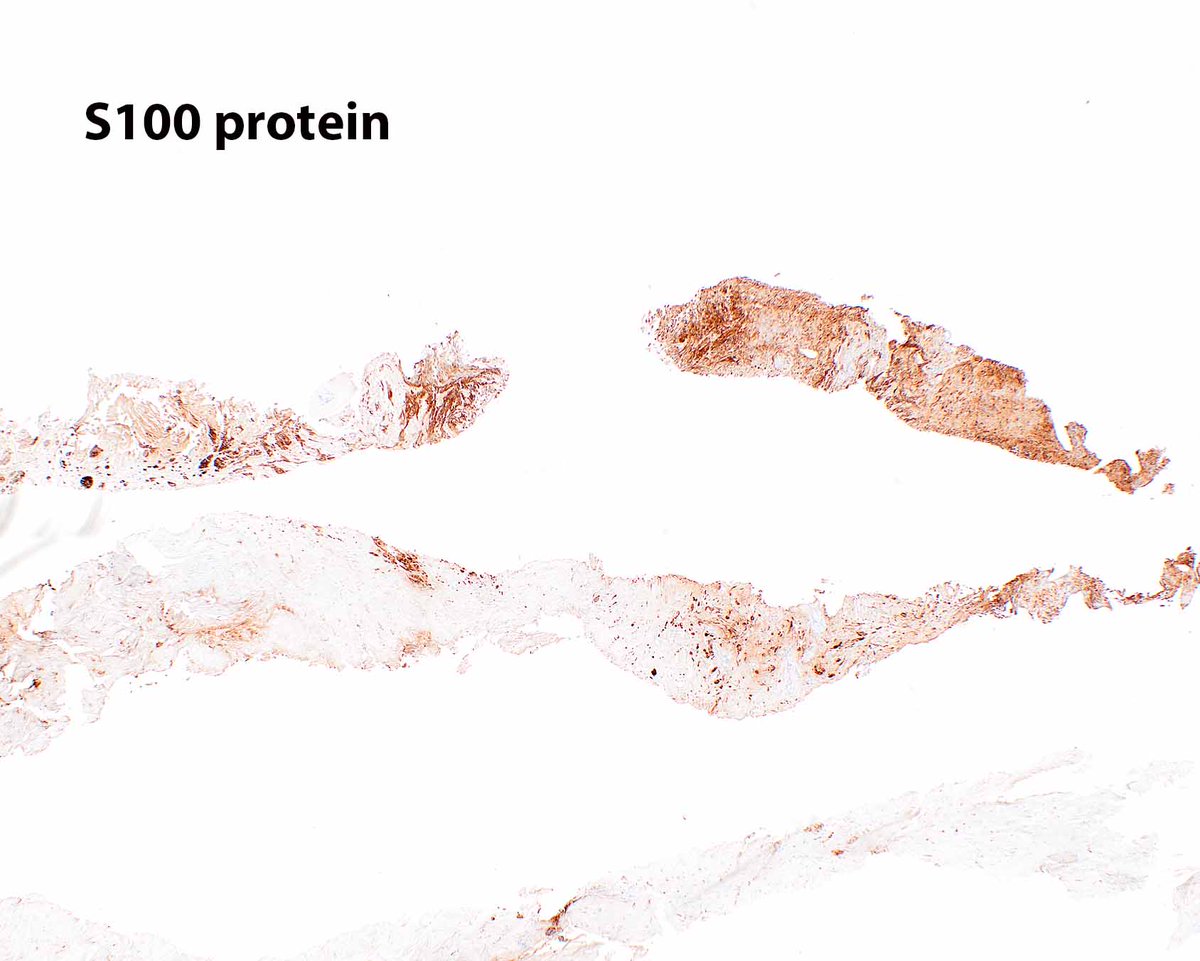
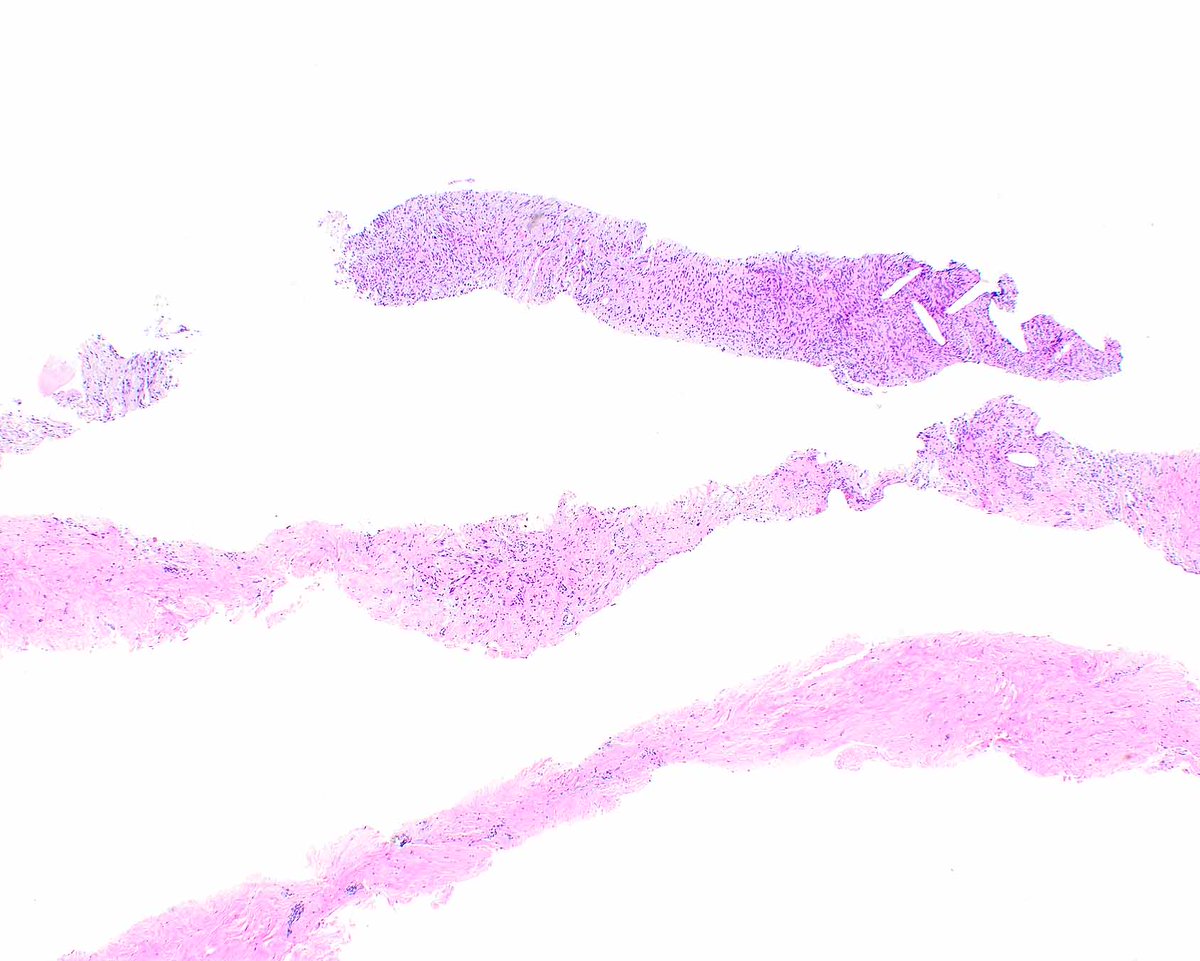
Extra-nodal Rosai Dorfman disease shows overlapping features with IgG4-related fibrosclerosing disease - storiform fibrosis and inflammation. The S100 stain highlights emperipolesis with nuclear (short arrows) and cytoplasmic staining; engulfed cells are negative (long arrows).
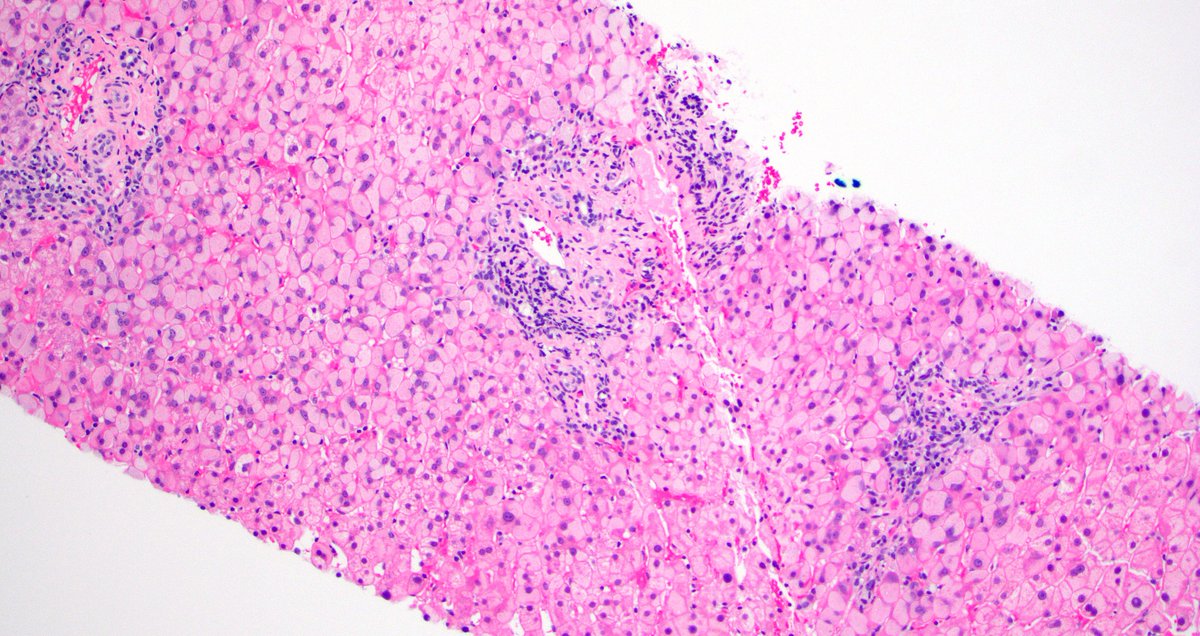
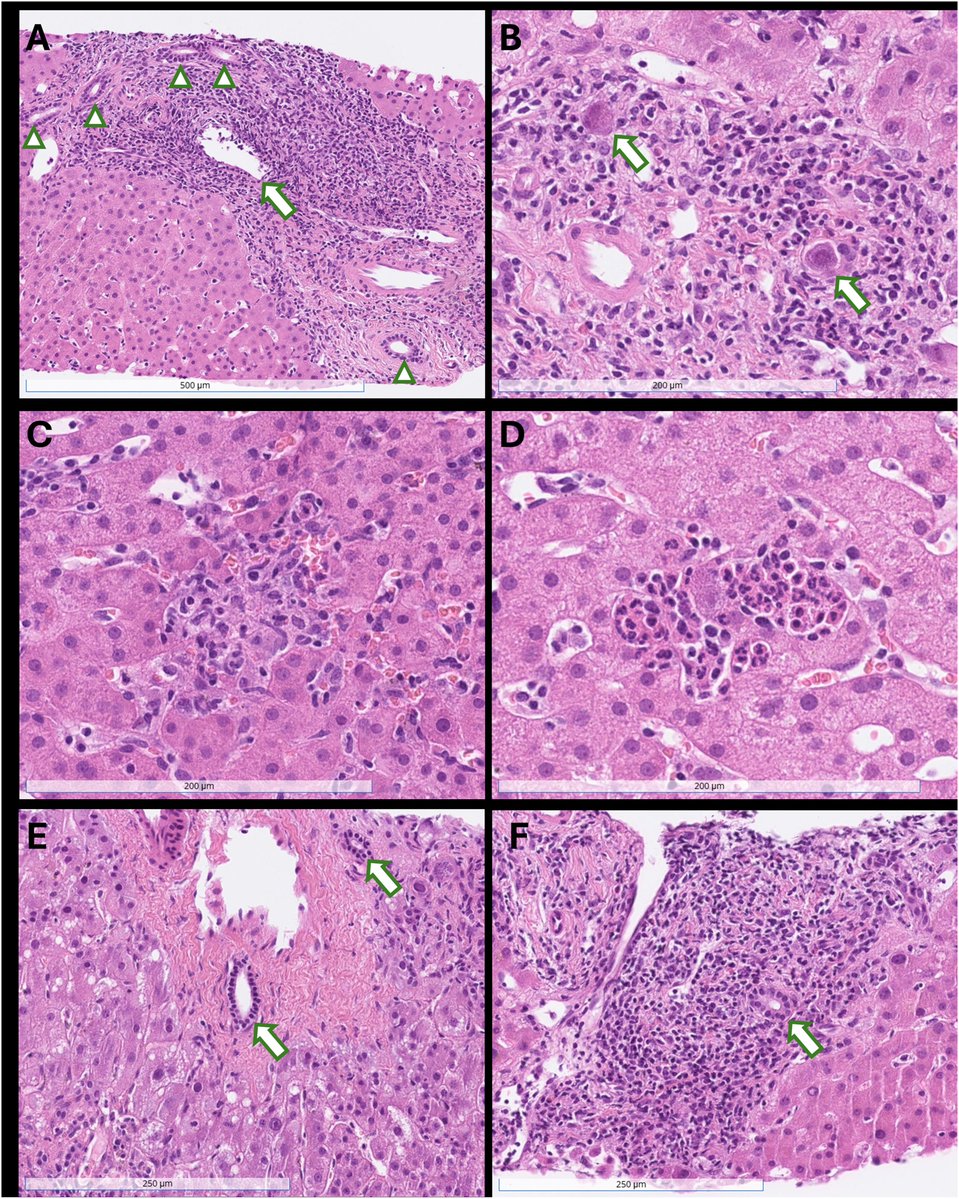
Histologic features favoring CMV hepatitis in liver allograft biopsies with overlapping rejection-type injury
➡️Microgranulomas
➡️Neutrophilic microabscesses
Difficult topic, covered by IJSP. Read more here 👉🏼 https://t.co/Nz0Ofdy4W9
#PathTwitter#GIPath#MedicalLiverPath
Just a bread and butter case: with better control of HIV disease it is easy to forget about Kaposi sarcoma - this example with hyaline globules. (erythrophagolysosomes).
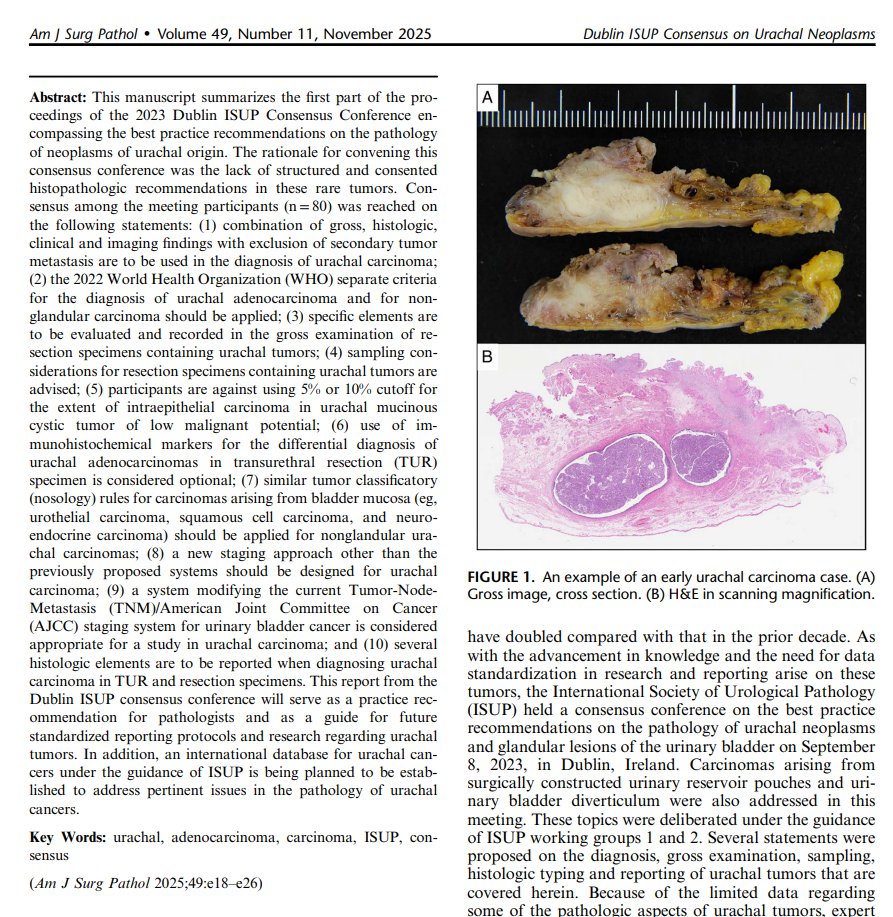
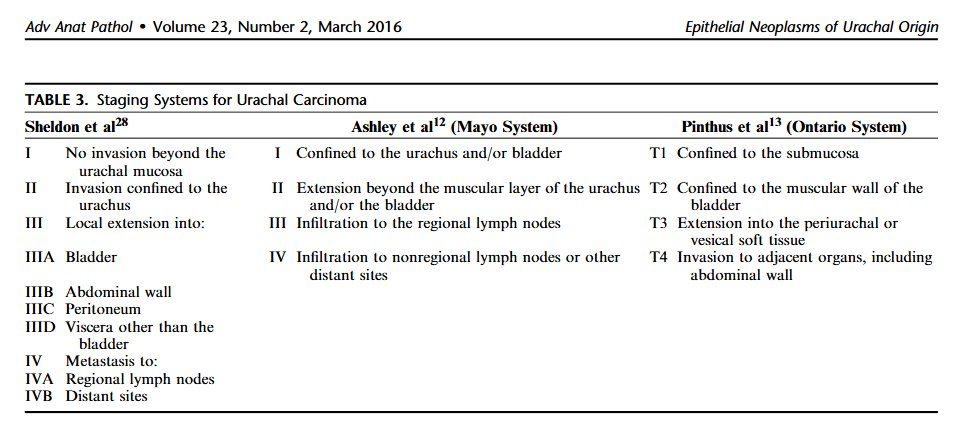
nice recent @IntSocUropath consensus on urachal neoplasms
staging these is still a challenge!
(I typically include both Sheldon and Mayo in my reports)