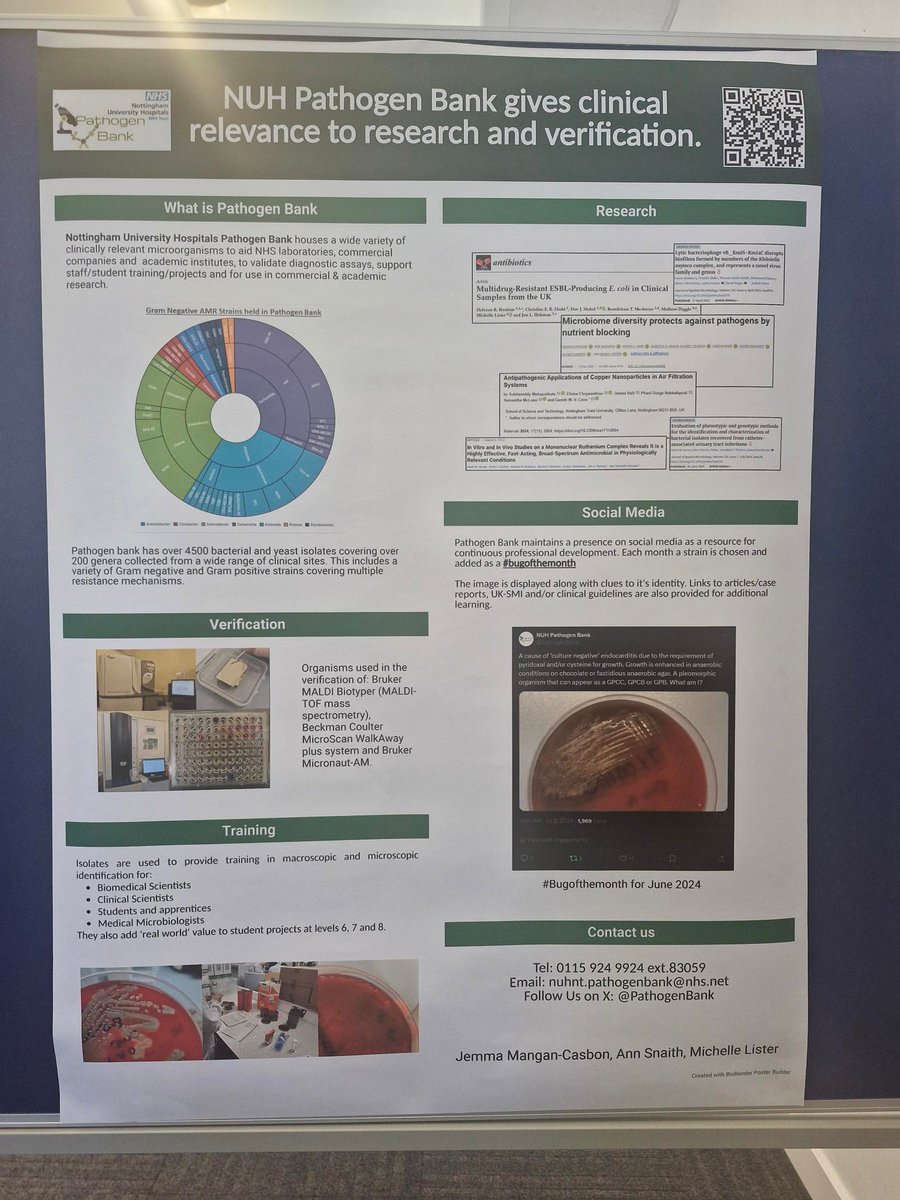
This Gram-positive cocci is part of the normal flora of the human oropharynx and upper respiratory tract. Invasive disease does occur, but predominantly in immunocompromised hosts. I am oxidase negative, catalase variable and cannot grow in 5% NaCl. What am I? #bugofthemonth
This paper from the USA looks back at Rothia bacteraemias over a 10-year period, exploring the patient demographic and antimicrobial susceptibility of the Rothia isolated in the study period. https://t.co/JRf0wczLAr
This Gram-negative bacilli causes sporadic and epidemic infections globally. It utilises the xylose and decarboxylates the lysine in XLD media increasing the pH creating red colonies. It metabolises thiosulphate in the media to produce hydrogen sulphide (black centres) What am I?
This Gram-negative bacilli causes sporadic and epidemic infections globally. It utilises the xylose and decarboxylates the lysine in XLD media increasing the pH creating red colonies. It metabolises thiosulphate in the media to produce hydrogen sulphide (black centres) What am I?
Check out this article on Salmonella levels in Turkey meat and ensure your turkeys are well cooked on Christmas day. Merry Xmas to all our followers and thank you for your support.
https://t.co/KWCM2N34aF
🧫 Happy World Antibiotic Awareness Week 🧫
Nikala (our wonderful Pre Analytical Improvement Nurse) and co have been very busy educating antibiotic stewardship and training about microbiology. Spreading awareness…and treats! Did you see them?!
#WAAW2024#WAAW24#Microbiology
We had a fantastic day at the East Midlands AMR Network Conference this week. Met some fabulous people and heard some interesting presentations.
Thank you for the invite.
#EastMidlandsAMR#EMAN#AMR#WAAW2024
This aerobic weakly staining Gram-negative rod requires L-cysteine to grow. Its colonies have a ground glass appearance. Clinically this organism commonly causes pneumonia and Pontiac fever. Who am I?
This aerobic weakly staining Gram-negative rod requires L-cysteine to grow. Its colonies have a ground glass appearance. Clinically this organism commonly causes pneumonia and Pontiac fever. Who am I?
Check out the prevalence of reported cases for Legionnaire’s Disease for 2023 on ECDC Surveillance atlas – 14,463 reported in the EU. There is an increasing trend.
https://t.co/db7YdcbQCf