Estimated AI-generated code vs. human review across our stack at https://t.co/b6JrsYrBYo (6 full-time senior SWEs).
The more critical the code, the less we rely on AI generation
We just donated $12,000 to The PHP Foundation.
Finding bugs with AI became cheap, verifying & fixing them didn't.
PHP has given us so much over the years and we believe in it's future.
@blackcom 🤝 @ThePHPF
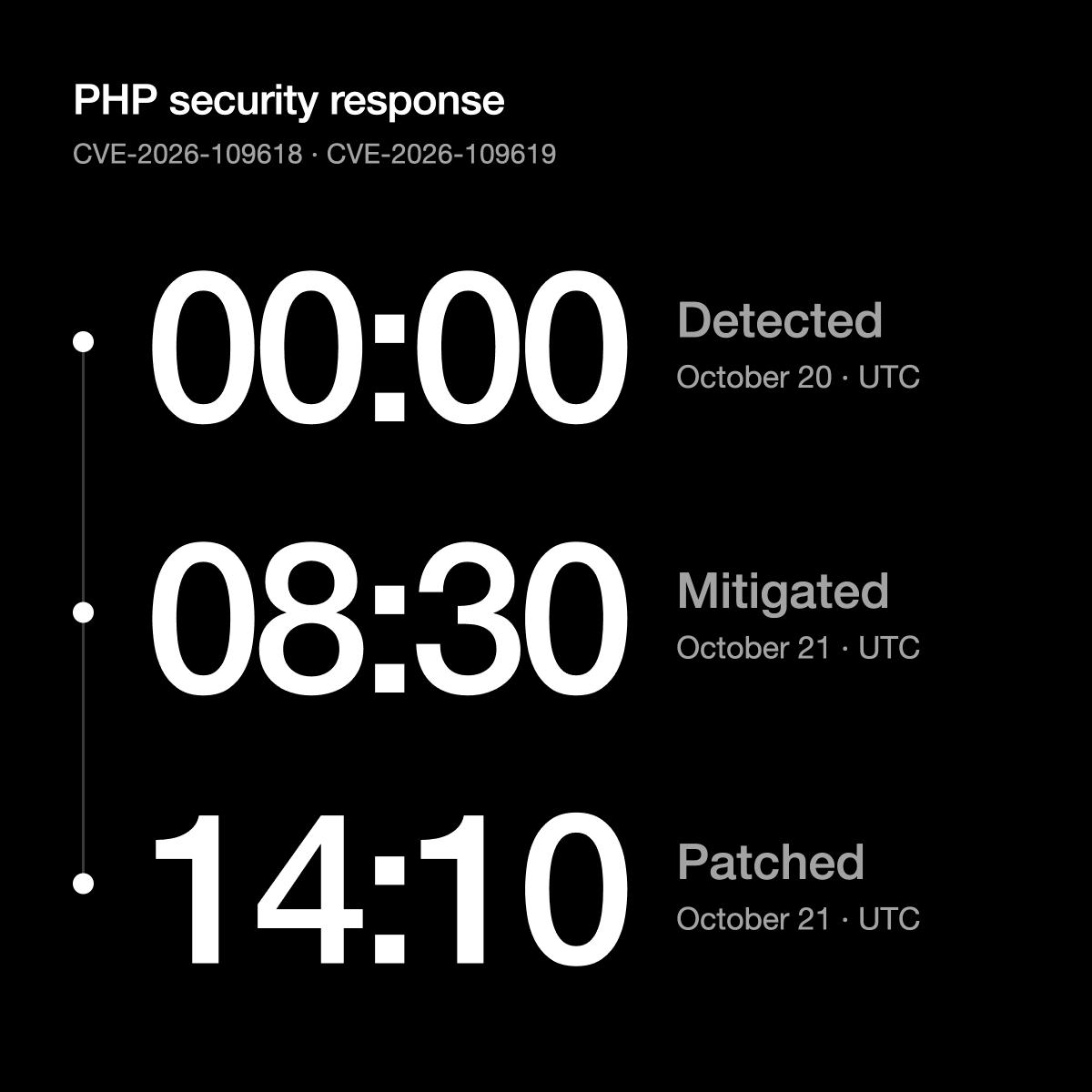
Two critical vulnerabilities in PHP were published today, both allowing remote code execution without a login.
PHP released the fix at 14:00 UTC. https://t.co/gnZucgeKyj was fully patched 10 minutes later.
Our logs show no signs of exploitation on https://t.co/gnZucgeKyj systems.
What happened, and how we responded:
Two critical vulnerabilities in PHP were published today, both allowing remote code execution without a login.
PHP released the fix at 14:00 UTC. https://t.co/gnZucgeKyj was fully patched 10 minutes later.
Our logs show no signs of exploitation on https://t.co/gnZucgeKyj systems.
What happened, and how we responded:
@dannymoerkerke This has been the story for nearly a decade now. There is a small team at Google that continues working and vouching for it, but PWAs have no chance of mainstream adoption.
This is my personal prediction, not the way I want it to be.
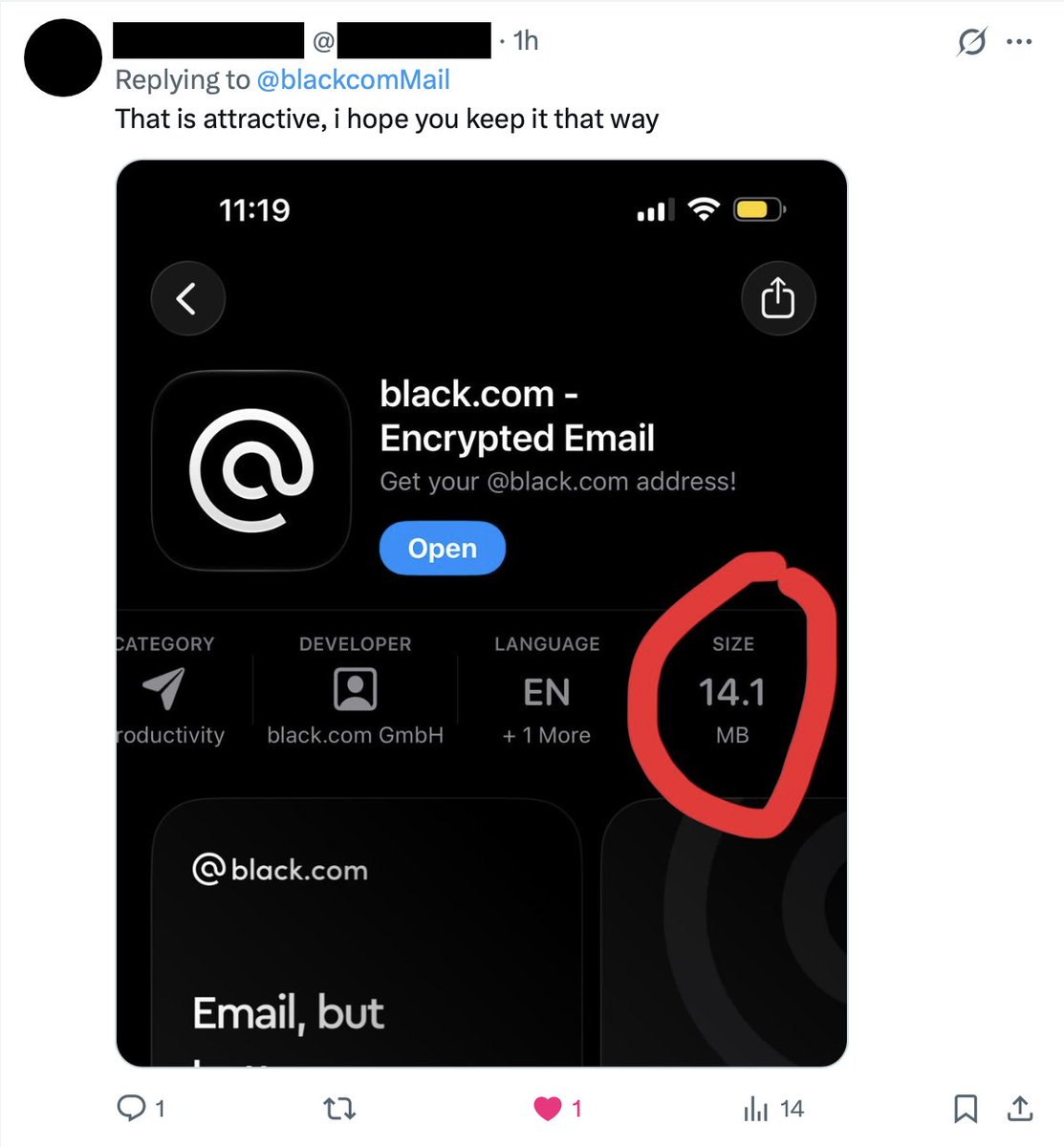
Our users often remind us that size does matter.
Our app is 14.1 MB.
Every feature we ship has to justify the space it takes on your phone. Bloated apps are not part of our philosophy.
With v2, we aim to cut that by another 30%.
We changed our typeface. ✍🏼
Cera is out. Haffer is in, on our website, web app and everything we design.
We wanted something sharper & bolder, with more character, that reads better. Haffer is a grotesque: more technical, more precise.
Supply-chain attacks through external dependencies are one of the biggest risks in modern software development.
At https://t.co/2wfHXNYAx6 we're moving away from automatic dependency updates in favor of pinned versions.
This may delay bug fixes and security patches, but the risk of blindly trusting every new release is too big.
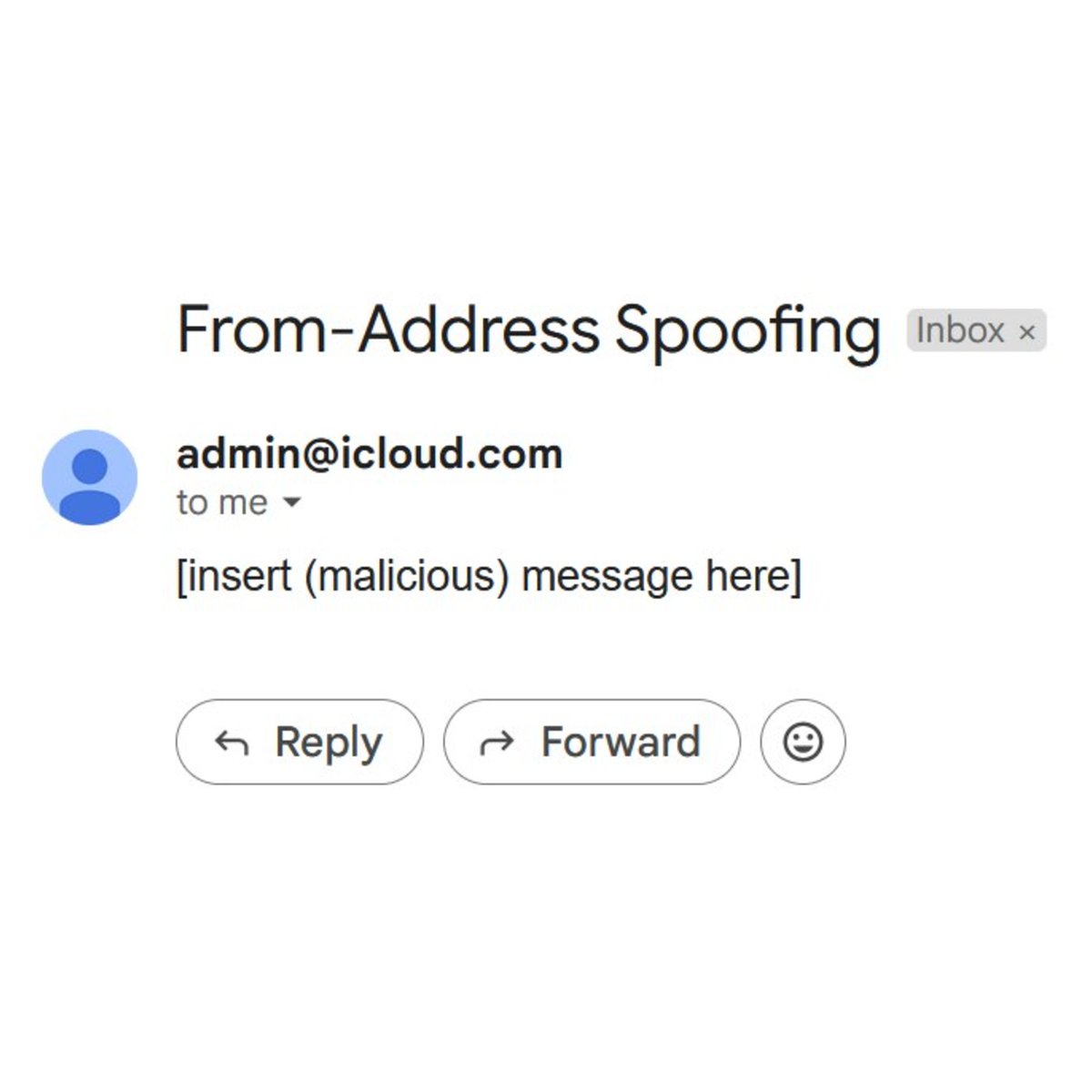
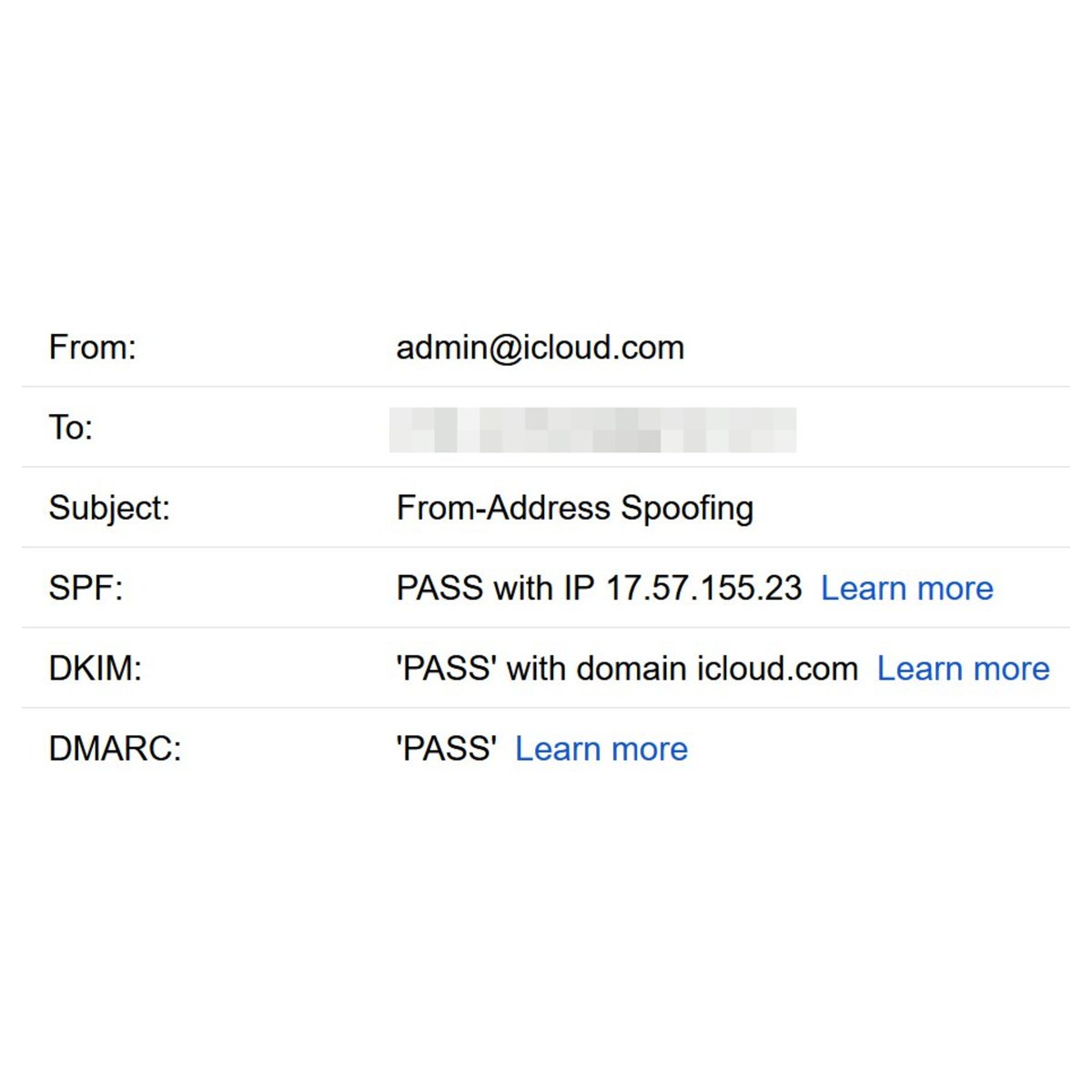
❗️ Attackers could use iCloud to send email as any icloud[.]com address, including [email protected], while still passing SPF, DKIM and DMARC, the email authentication checks built to stop spoofing.
Researchers found and reported two parsing flaws in Apple's mail servers. An early fix by Apple only blocked the word "admin" and the full patch took 18 months.
Apple paid them $15,000.