My cousin died on a bench in New York. I wasn’t there so I don’t know, but sounds like if people would have taken a little time to help he would still be alive. RIP Philip.
https://t.co/HK9fpXKTqs
How do we make Downtown Louisville’s public spaces feel more connected and create a great pedestrian experience? The UDS just posted a study we are calling the Downtown Open Space Network to try to jumpstart the conversation.
https://t.co/Wd8iBhuiQ1
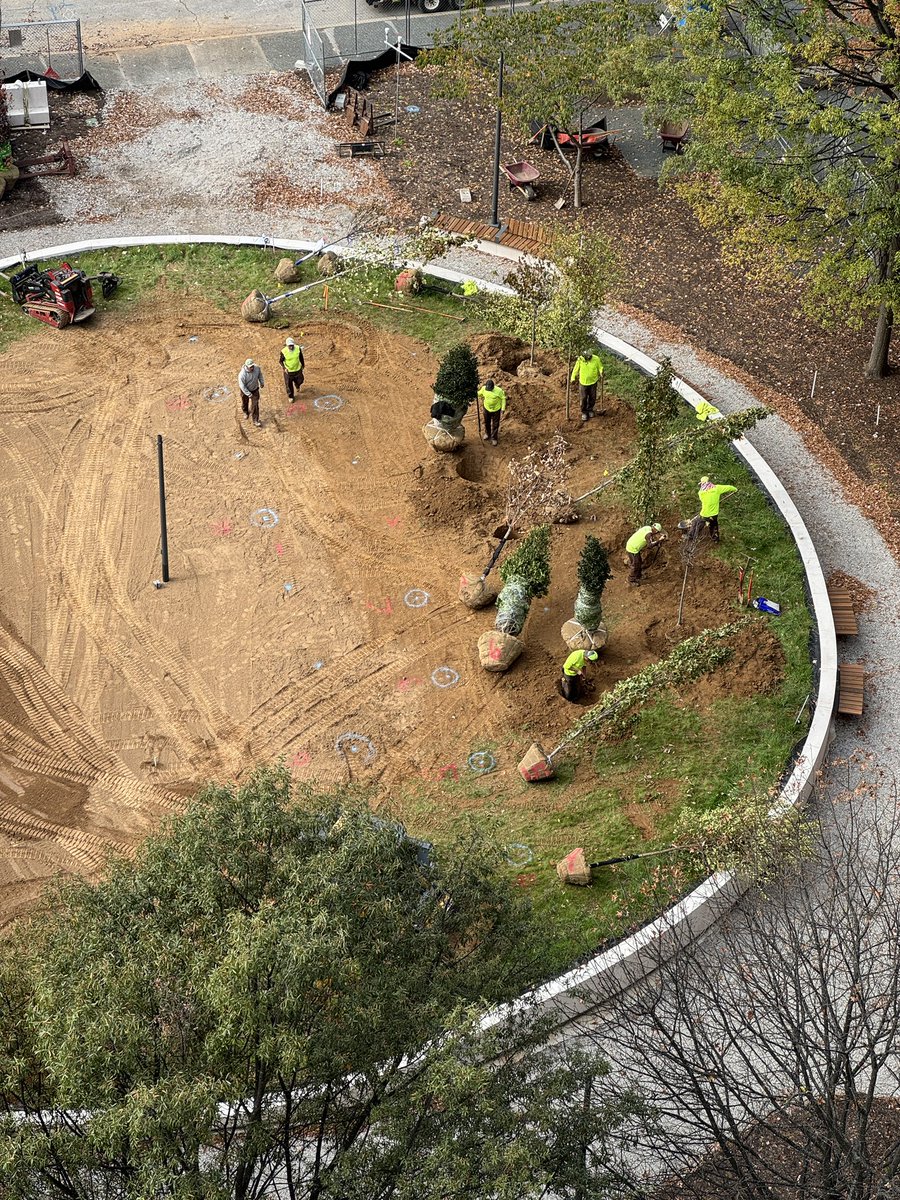
Join David Toda, Morgan Dunay and I this Saturday at 10 am for coffee, conversation and a tour of the Trager MicroForest. The event is free but space is limited, so please register via the link. Hope to see you this Saturday! https://t.co/Jd2Fm78UsY
@UofLEnvirome@SustainLou
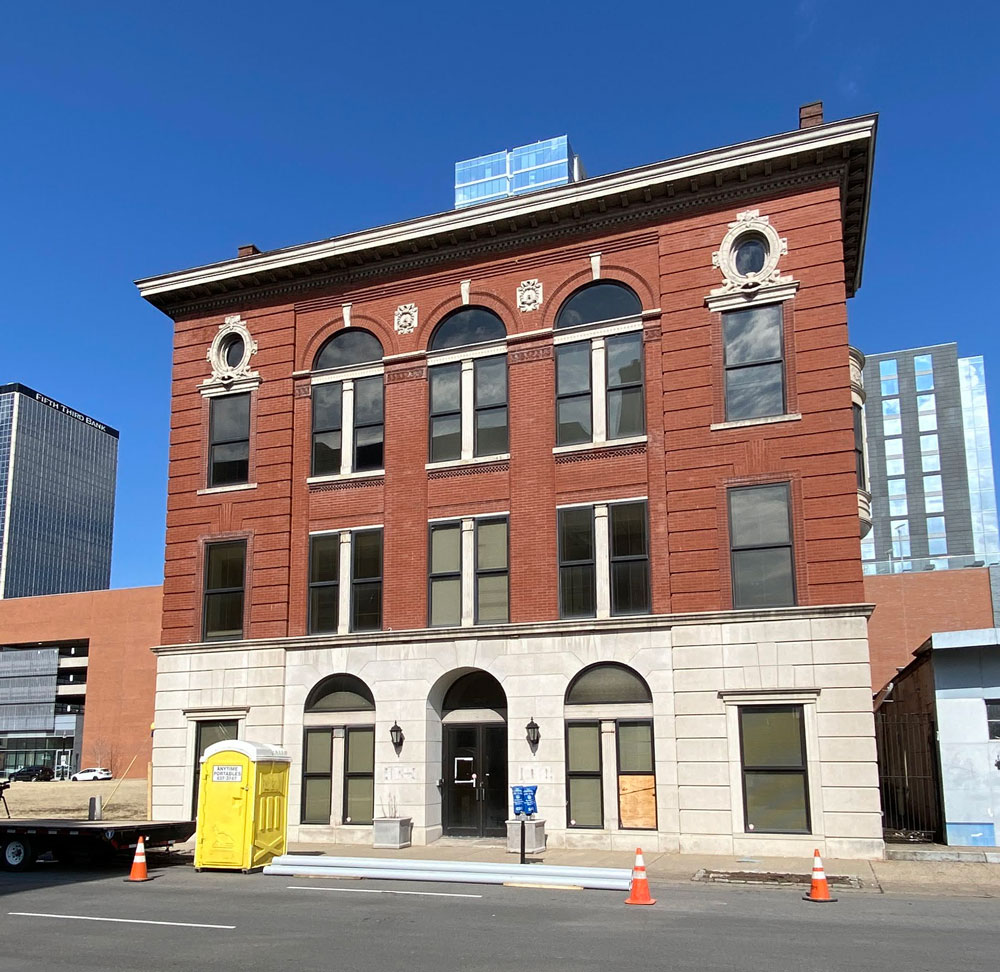
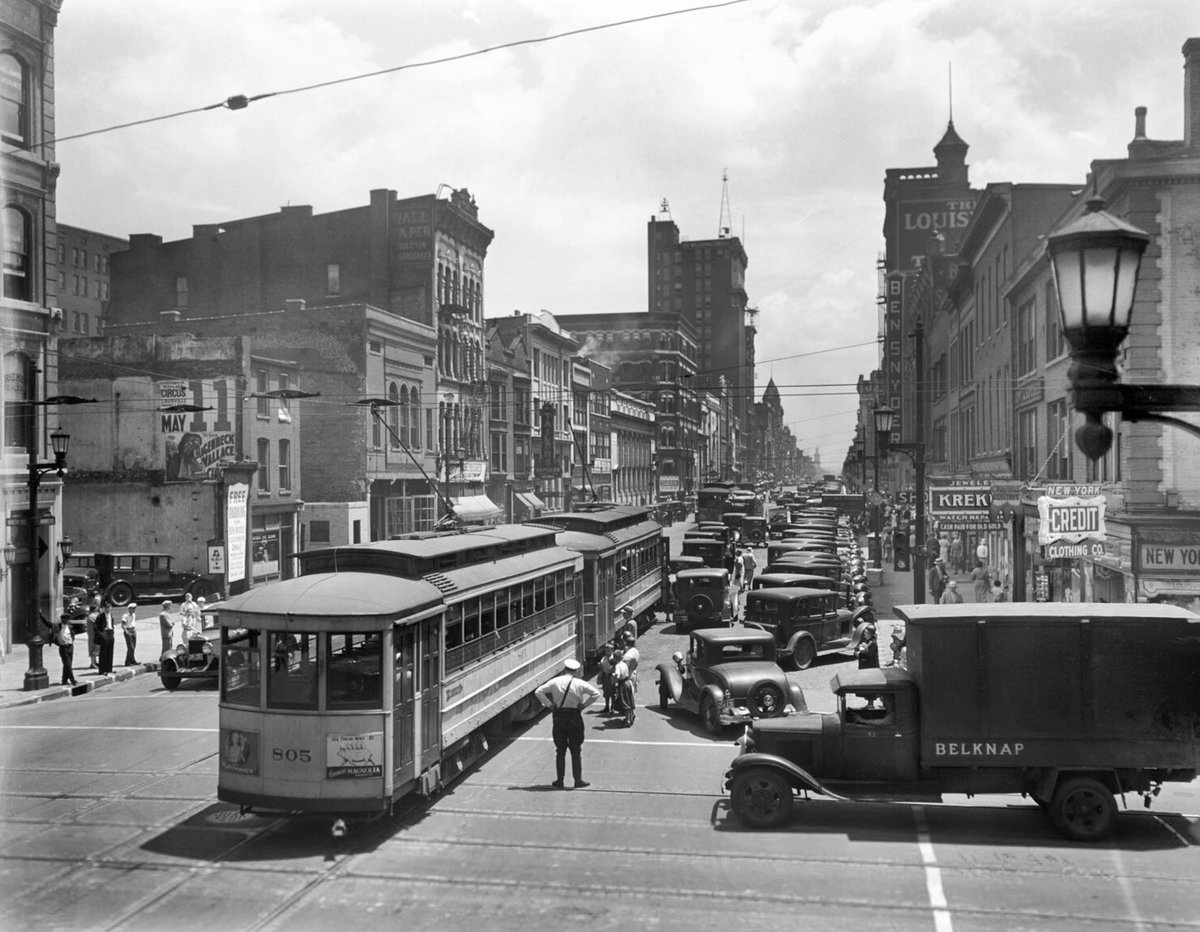
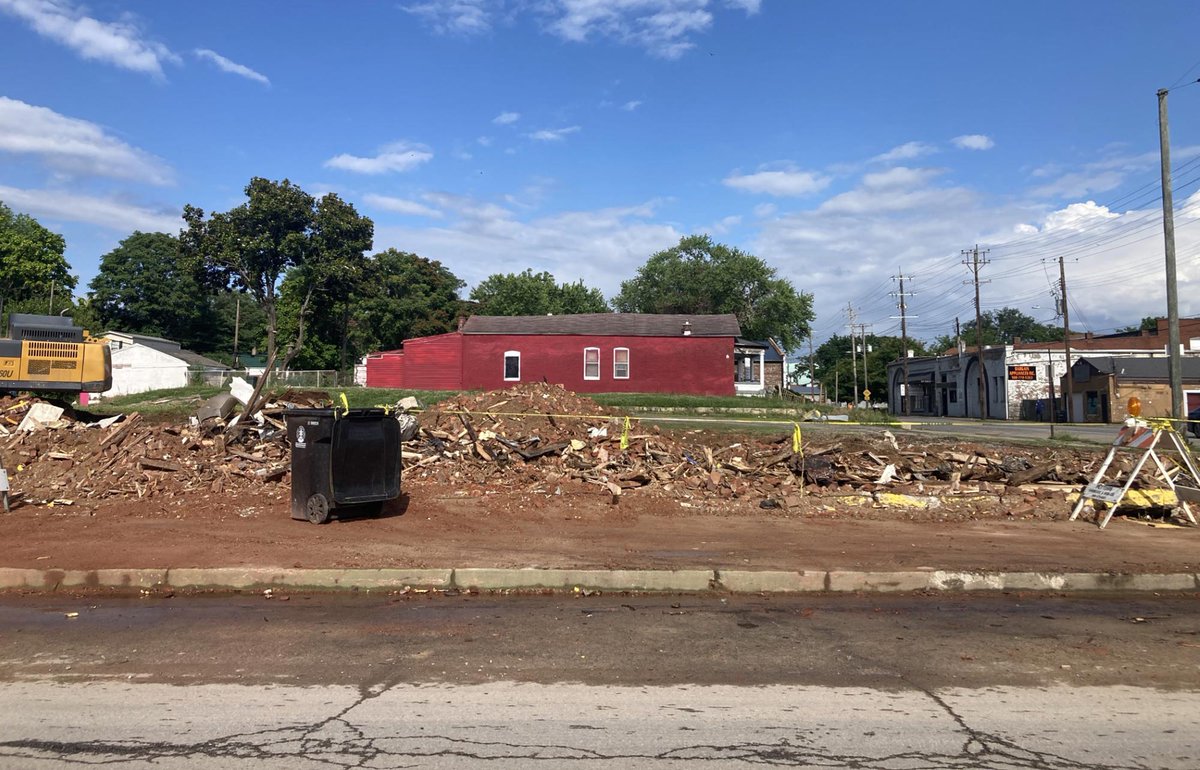
@WillBogel We’ve lost a lot and apparently still haven’t learned that these historic buildings are what makes the core of our city interesting for pedestrian activity. People don’t come downtown to walk past surface lots and blank walls. We are finishing what urban renewal didn’t get.
With the recent news of plans for the historic OddFellows building site, I was reminded of a piece I wrote back in 2021 that essentially asked, "what will future generations of Louisvillians think about what we have left them?" https://t.co/fbgdRWmtXT
What if we could really green downtown? If I play with it some more I’d make the south lanes going the other way to restore the 2-way street.
#greenprint#Louisville
Some work we started at the UofL Urban Design Studio during the pandemic to map the historic corner store buildings, the cornerstones of our communities, was featured in Planning Magazine. https://t.co/8xuOZ3zBZn
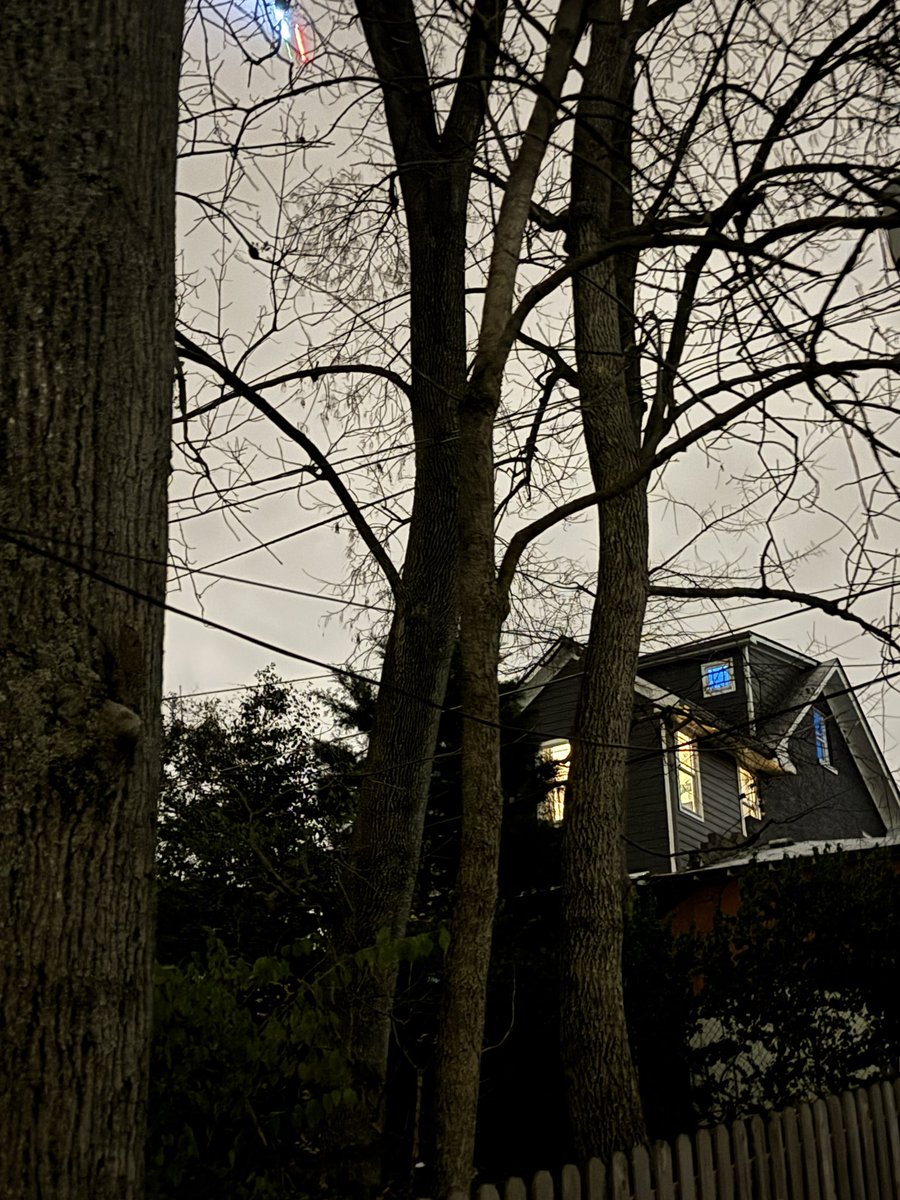
New lighting is up at the Trager MicroForest. Soon the rest of the 65 trees and pathway will be complete and the ground lighting will really set the space off. Cannot wait to get the space open again!
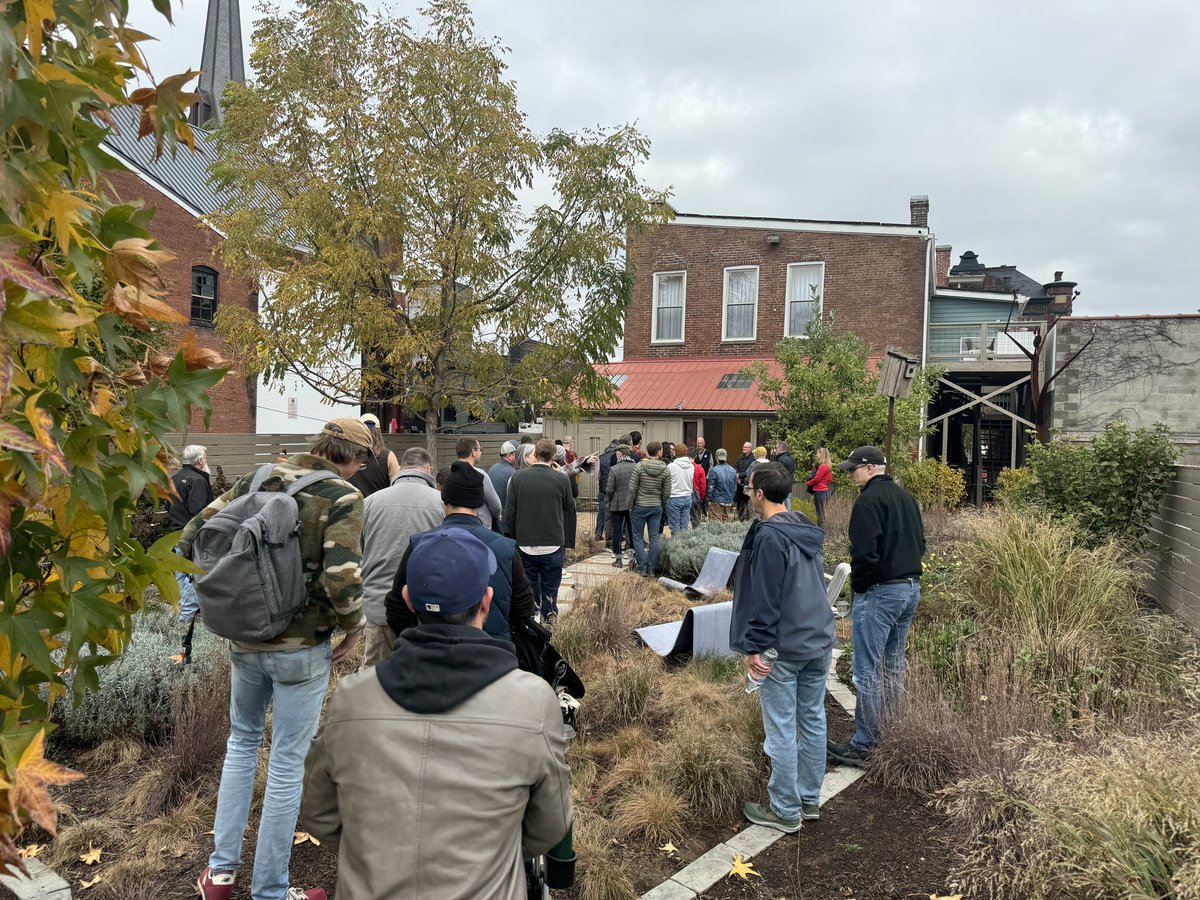
Another great urbanist walking tour in the books. Sharing different corners of our community with the people who live in and work to make them better has been energizing and gives hope for the future of our city. Here is a recap from our NULU expedition.
https://t.co/PnO2OTY5c5
The next Society of Urban Perambulators (SouP) event will be in the booming NULU commercial district on Nov. 16th. If you are interested in joining us on this free urbanist walk, please send me a message so I can add you to the RSVP list. https://t.co/qwOcN5pUPa
@cityresearch @holz_bau @Tedsmithphd Knowing that the most concentrated pollution is within 500 feet of a major highway, I guess you would never be able to open your windows here. Nowhere to put trees to mitigate the pollution either.
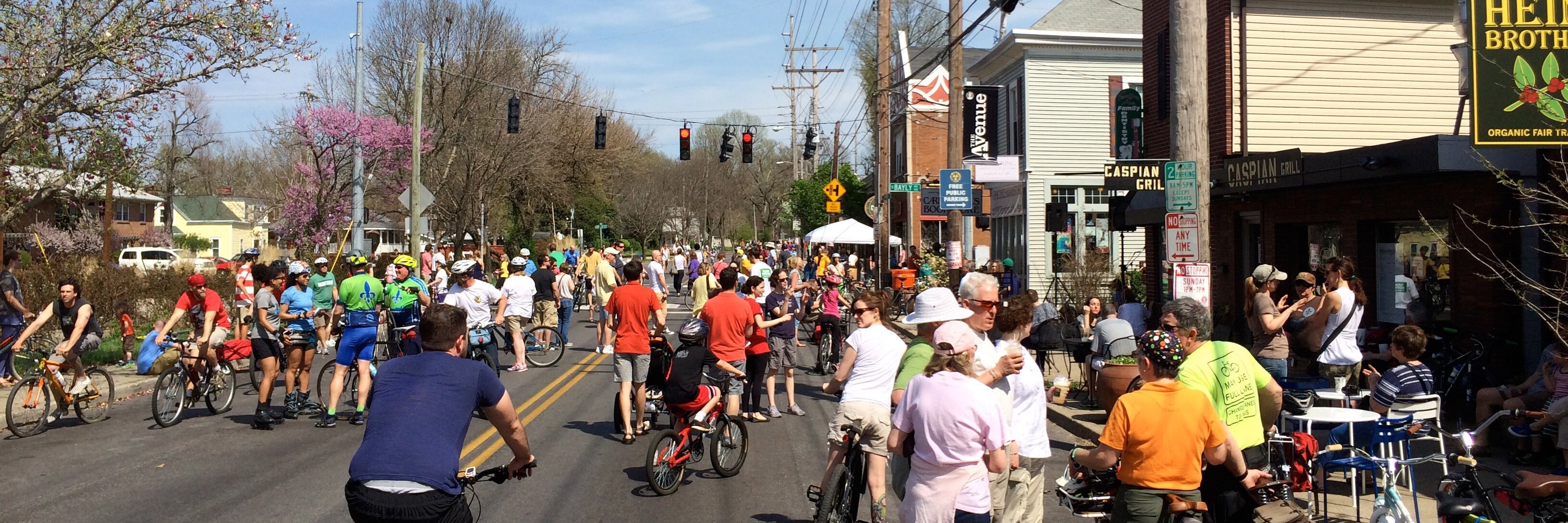
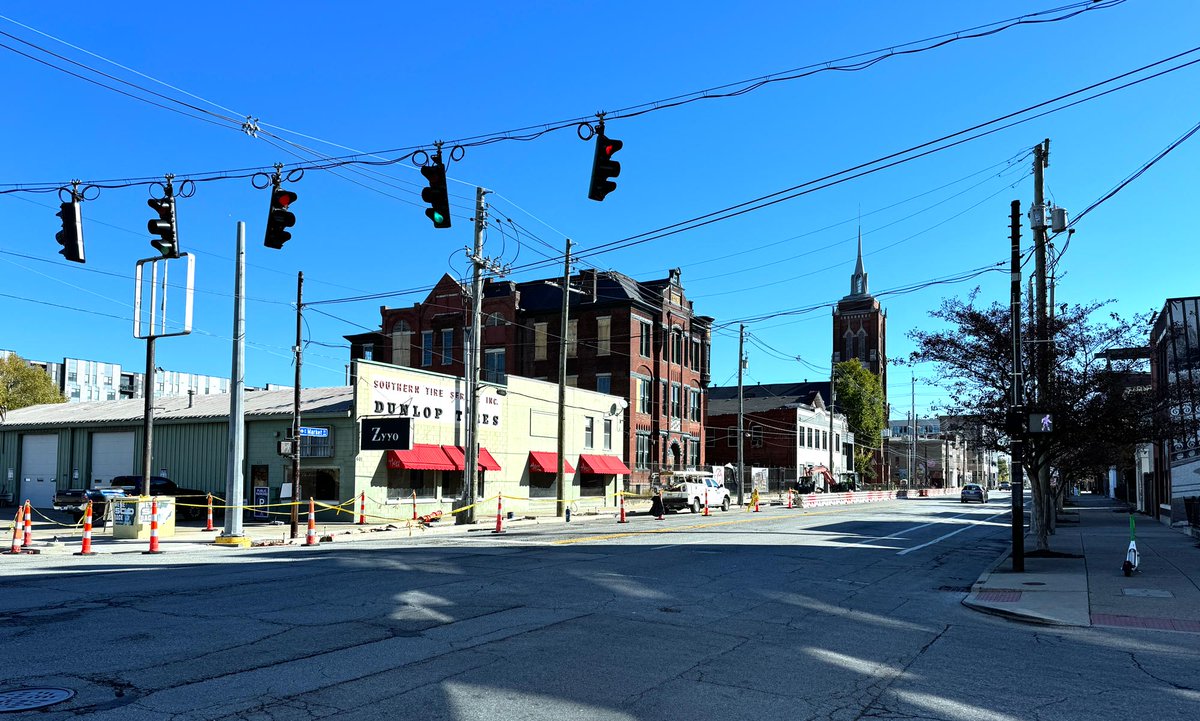
The Market Street streetscape revitalization project we were prototyping that day finally started construction this year, though sadly Olmsted's treed median component did not make it into the final redesign.
https://t.co/xqWwIOiSNk
Today is a two-fer in the UDS Field Notes. Along with Caleb Brook's piece on speeding and historic preservation, our own @allhopeissean uncovers some of the history surrounding A New Vision of Health Campus in the heart of downtown. https://t.co/4G9E1MbiHq
I always envisioned the Field Notes of the UofL Urban Design Studio to be a place to share thoughts and ideas about cities from a variety of voices, and today I'm excited to share a great piece of writing by Caleb Brooks. Please enjoy.
https://t.co/lHT86HOBa9
I hope the new study can shine a light on some of the past plans for the area that had great ideas that were never realized. I was a kid in Philly when there was a proposal for a treed median on Northwest Parkway. Had that been done then, there would be a lush tree canopy today.
Patrick Piuma, leader of the Envirome Institute's Urban Design Studio, weighs in on the history of #redlining that contributed to the placement of I-64 and efforts to improve Ohio River access for residents of the Portland neighborhood in Louisville. @stadsbeeld @uofl