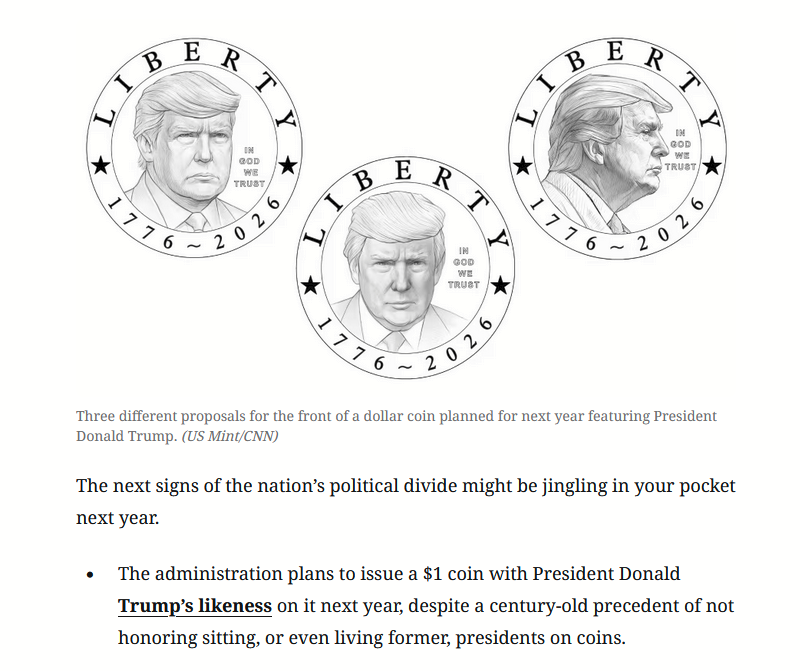
My childhood numismatic passion regrets to inform everyone that the last time a living president was on currency was a commemorative half-dollar with Coolidge (and Washington) for the sesquicentennial, making this as narrowly precedented as possible
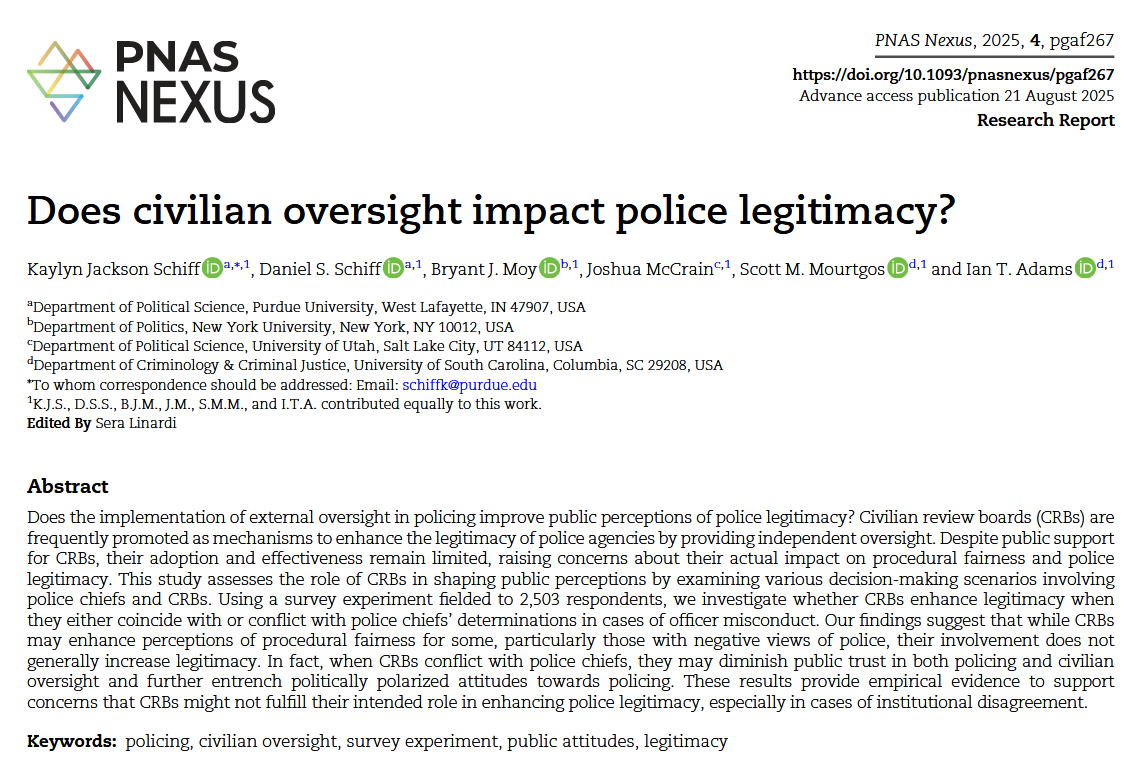
New open access study, now up at @PNASNexus.
A consistent expectation of civilian review boards is that they increase public perceptions of police legitimacy. In a pre-registered experiment, we find quite the opposite. Institutional conflict and preferences for outcomes over process means that in most cases, involving a CRB leads to decreases in perceptions of legitimacy.
Complex topic and excited to have this one out in the world.
The roll call voting record is used to measure congressional polarization and plays a central role in congressional campaigns. Using data on over 120,000 floor amendments, 2,200 major laws and 2,000+ special rules we examine how it's generated and changed. https://t.co/emkRh3WlWa
One thing about being a new(ish) Assistant Professor they don't tell you about is how much of your time is spent telling undergraduates that you also don't know where the room they are seeking is located.
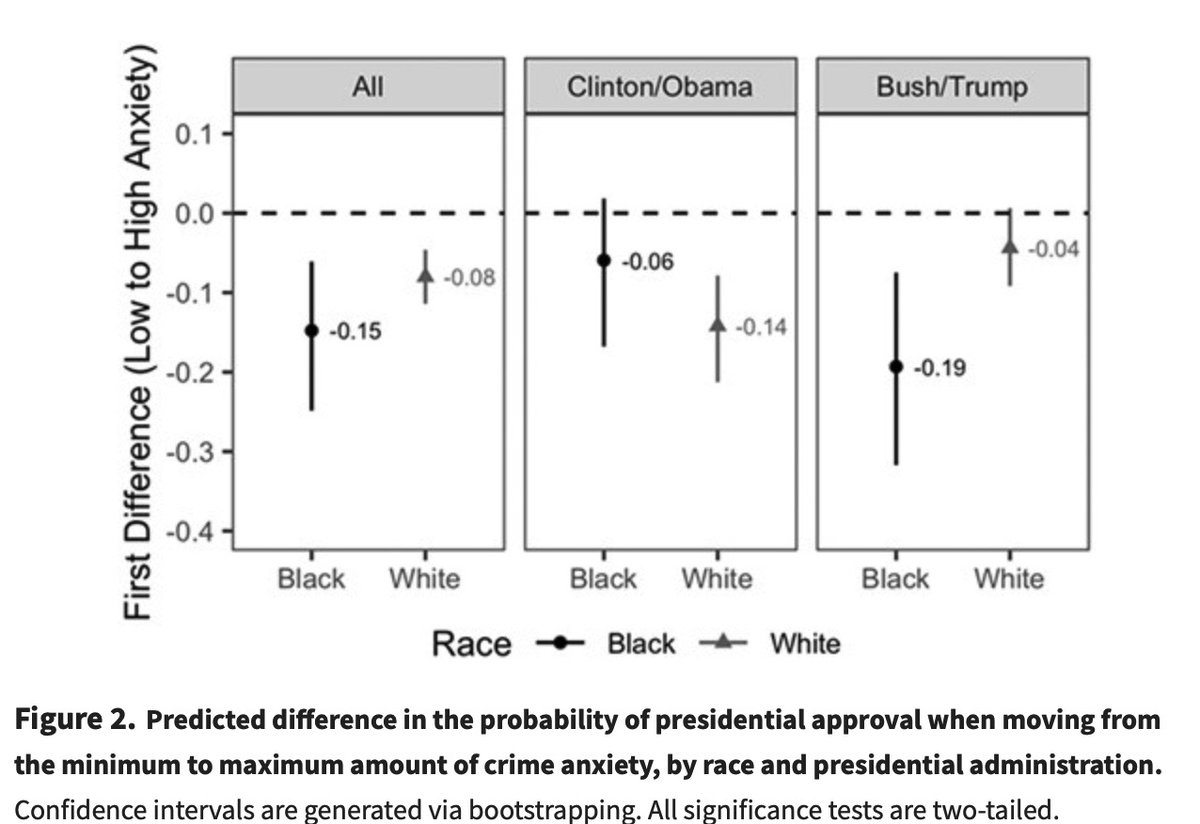
Why do presidents focus on crime, even when crime rates are dropping?
Noble and colleagues show that fear of crime leads to lower presidential approval — but that this penalty varies by voters' race and the president's party.
Read now in POQ: https://t.co/9vT2hOkTkx
@mellissameisels Interestingly, yes I have! First, thanks to https://t.co/PvtbKUi3Ra for the raw data. Second, I ran and Ordinal IRT model first for all cardinals included:
This is without a doubt the most fun I’ve had working on a paper. A question that seemed like something you could google turned out to be an expensive investigation of congressional history. It’s worth a read!
A couple years ago, Steve Smith and I were idly discussing the origins of committee exclusivity, which we were pretty sure was an invention of the LRA. Investigating that question turned into a project and real story that spanned over a century and archives across the country
While this might first seem like a historical curiosity, it gets at a fundamental question of when and how House parties enforce restrictions on their membership