A powerful piece on the suffering of pigs in gestation crates in the US and why it’s important to speak out against legislative threats to animal welfare https://t.co/uvXXuCidhl
Opossums live short, difficult lives, yet they spend their nights doing work many people never see.
Most only live about one to two years in the wild. They move through backyards, forests, roadsides, and neighborhoods after dark, searching for food while avoiding cars, dogs, predators, and harsh weather. Their lives are brief, but their role in nature is meaningful.
Opossums help clean the world around you. They eat pests, insects, carrion, and sometimes even venomous snakes. They also help reduce ticks, which can carry disease. In their quiet way, they support the balance of the places they pass through.
Still, many people fear them because of how they look or because they appear at night. But opossums are usually shy, gentle animals. When scared, they often freeze, hiss, drool, or play dead because they want to survive, not attack.
Kindness can be simple. Give them space. Do not harm them. Slow down when you see one near the road. Let them keep doing the work nature gave them.
Opossums may not live long, but they leave the world cleaner than they found it.
Pets are proof that you can provide housing, food, healthcare, emotional support, and daily entertainment for someone who contributes absolutely nothing to the economy.
🐾❤️ Adopt, Don’t Shop. ❤️🐾
Some of the best dogs in the world are waiting behind shelter doors right now overlooked, underestimated, and hoping someone finally gives them a chance.
They don’t care about fancy homes or perfect lives.
They just want love.
A family.
A place where they finally belong.
When you adopt, you’re not just saving one life, you’re changing it forever. And in return, that dog will give you loyalty, gratitude, and unconditional love that can never be bought. 🐶💖
✨ Rescue a dog. Gain a best friend.
#AdoptDontShop #RescueIsLove #ShelterDogs #SecondChances #PitBullLove #DogsAreFamily
Does anyone else feel a brief, gutting despair when they pass a dead animal on the road? That quiet "no" at the wrongness of it, a road cutting through their path and ending their lives. And you just hope you never hit one, because you are not sure you could live with it.
A few years ago I tried to get the police to help me with a dog who I knew was being abused, near my house. Nothing could be done. I offered to pay the owner $500 for them to give me the dog. My offer was turned down. We could partially see him from our fence. He needed help. Badly. I couldn't sleep knowing just a few yards away a dog was shivering in the cold.
So I walked in the dark to get to him and freed him from being chained to a tree. It was snowing. He had hot spots all around his neck. Shivering. Underweight. I took him to a vet and paid for his care. Then I found him a home with lovely people. Every now then they would send me a picture of "Bennie." Warm bed, well fed, and loved.
Then the same neighbor got a puppy and chained it to the same tree. This time the police helped. He was fined. The puppy was rehomed to a lovely lady who was retired and lonely.
Zero regrets.
Well done Poland 🇵🇱 👏.
Poland began using specialised drones to detect and rescue Dogs living chained up or in neglectful conditions in rural areas of the country. The initiative aims to combat animal abuse that for years remained hidden in backyards and remote plots of land.
Animal protection organisations and specialized units use drones with thermal cameras and powerful zoom lenses that make it possible to locate animals even at night. In addition, the images obtained serve as evidence to initiate legal action and remove the dogs in serious cases.
Polish legislation states that dogs cannot be kept permanently chained and requires a minimum space for movement. Thanks to this technology, authorities have managed to detect abuse that was previously difficult to prove.
BREAKING: Rescue operation in progress: MarineLand’s bears are currently being tranquilized, loaded into carts then off to their new wildlife sanctuary home in Colorado. Much respect to the dedicated animal welfare orgs and activists who worked tirelessly to save those bears.
Had to say goodbye to our almost 14 year old weimaraner, Lucy, last night. Makes me think of this genius tweet from an old internet friend. Final dog tax below.
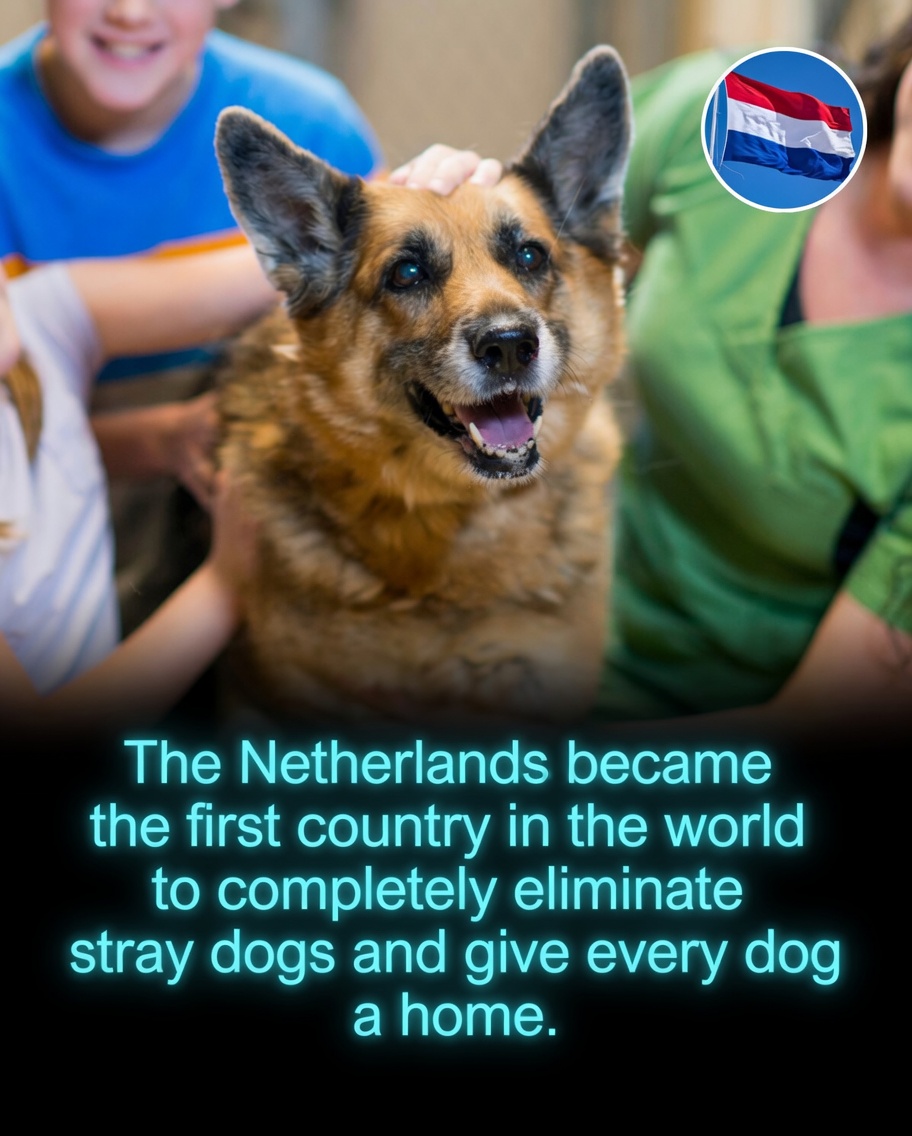
The Netherlands has become the first country in the world to successfully eliminate stray dogs, ensuring that every dog has a home.
This remarkable achievement stems from a combination of strict animal welfare laws, large-scale spaying and neutering programs, and a strong culture of responsible pet ownership. The Dutch government has long supported widespread sterilization initiatives and enforces tough penalties for animal abuse and abandonment.
While an estimated 200 million stray dogs exist worldwide, the Netherlands stands out as a global leader. In Dutch cities, it is common to see dogs riding in bicycle baskets, relaxing under café tables, and even joining their owners on public transport, a reflection of how deeply integrated pets are into everyday life.
The country now serves as an inspiring model for animal welfare, demonstrating how coordinated policy, cultural awareness, and compassion can effectively solve a challenge that continues to affect many other nations.