Providing buildings with electric load flexibility with packaged thermal battery cooling systems to help customers meet their financial and sustainability goals
@TribLIVE If buildings had more thermal energy storage TES there would be a reduced need for battery storage. Buildings in Pittsburgh that have TES: St. Mark the Evangelist’s St. Kilian church, St. Kilian school, Morehead Federal building, Duquesne Univ. Upper St. Clair HS, Penn Hills HS
@VirtualPeaker Buildings contribute to peak demand on a big way due to heating and cooling. Thermal Battery Systems make sense because its use reduces peak demand and supports renewable energy https://t.co/Vm1Vv2lj4O
Ice Storage or Chilled Water Storage? Which Is Right for the Job? | Chiller & Cooling Best Practices https://t.co/Ldhohm3xaW Now TES is more affordable than ever with the available tax credits in the U.S.
Thermal Energy Storage is finally being understood as a solution for dispatching renewable energy and that buildings are a great application for thermal energy storage. https://t.co/BMYSVMLFMD
@EnrgyStorageCAN Great news. Next step-encourage thermal energy storage. Over half of a buildings loads are thermal. Storing energy in the form it will be used is more efficient and cost effective. Thermal Battery for thermal loads (heating, cooling, hot water) & elec. Batt for electric loads.
@janrosenow New HP Application Storage Source Heat Pump. Pushes applications to colder climates while optimizing efficiency and demand. https://t.co/jdiEFWSNgX,
@goldenmatt I have said for years, efficiency is important, but when you use electricity is more important and strategic to resiliency and cost effectiveness,.
Buildings have thermal and electrical loads. About half are thermal. Use thermal energy storage for thermal loads and batteries for electrical. More affordable more efficient more flexible.
I'm off the grid at the ranch for this grid emergency... Our micro grid is cranking... We have to keep the AC going because we are out of room in the batteries to store it.
Freedom!
A study in Maine found that #heatpumps without fossil-fueled backup can deliver comfort and cost savings — even in the state’s subzero winter temperatures. Reporting by @Shemkus: https://t.co/FCCa7Nl1Zp
Thermal energy storage is affordable and reliable NOW. It creates a market for wind, it shifts load off peak to when it is cheaper or cleaner or both. Plus we can use it with heat pumps to reduce winter demand!
The #TXenergy grid narrowly avoided rolling blackouts following 2 conservation calls by ERCOT last week. We need demand-side solutions & policy action.
🚨Have you registered for our Policy + Industry Workshop, Sept. 26-27 in Austin? https://t.co/HPVxlo9DRK
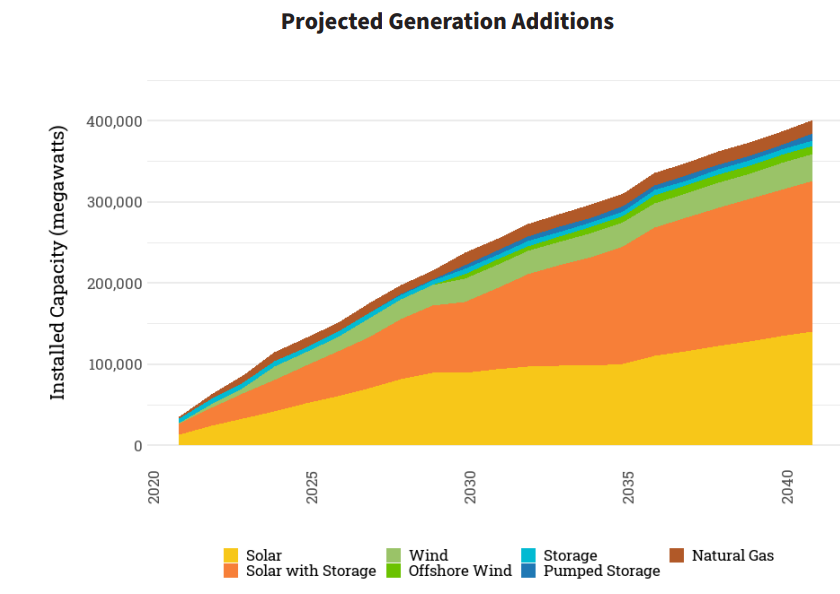
#energytwitter - Anyone have a really evocative graphic for the utter scale of renewables we have to add to the mix to meet climate goals? Either globally, US, regionally, etc.? I have a few I use but I feel like people really, really don't get the scale of how many TW needed.
Add to that the commercial opportunity of thermal energy storage. Transparent DER’s that would provide cooling during curtailment. Sharing the savings would incentivize more installations. Almost half of all building loads are thermal! Makes to much sense
Fun math - ERCOT wholesale pricing currently pegged at $5000/MWh. @austinenergy is asking me to curtail my thermostat for 2 hours (3:30-5:30pm). At 5kW, that's 10kWh of energy, worth about $50 on the wholesale market. And, they will pay me $0. So much untapped DR potential.
How about thermal energy storage? Move the HVAC on peak load to other times. 75% of all electricity goes to buildings and half of that is thermal loads. Proven. Reliable. Efficient. Affordable.#thermal energy storage
Texas seems to set a new record for energy use every week. How about energy efficiency? Electricity storage? Homegrown and local power like rooftop solar? Good for Texans and the grid. #txlege#txenergy https://t.co/eFzw3xHcP2