A non-partisan, independent “think and do tank” dedicated to fostering a US-China relationship that serves to maintain global order in a rapidly evolving world.
JUST RELEASED: PI’s update to the landmark Financing Nature report, which warns that the global biodiversity financing gap has grown to $942B annually.
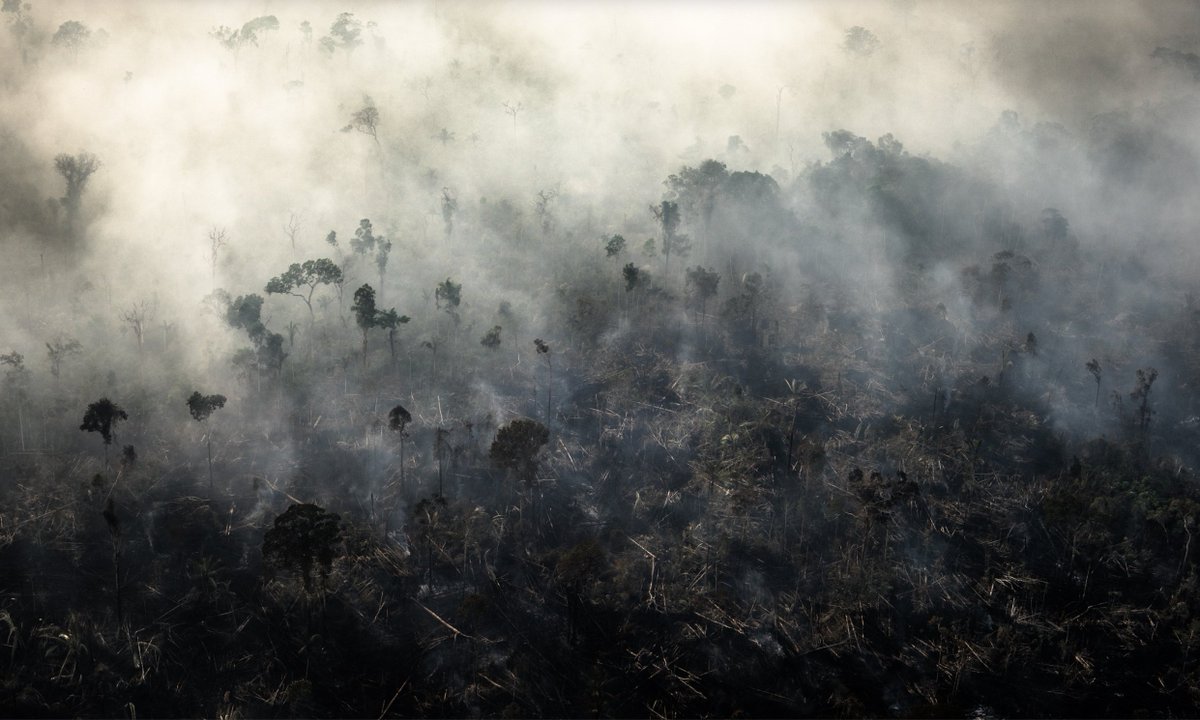
Despite rising awareness of nature’s biodiversity loss, nature is vanishing at unprecedented rates. https://t.co/9dHNoSaYqU
The US leads in AI models and advanced chips, but China has the largest power grid. As AI models become more complex, are deployed at a greater scale, and cloud power grows, electricity demand is rising faster than utilities can build capacity in the US. https://t.co/wvdkw51vB0
One of the most urgent and under-appreciated energy challenges facing the US is the AI race with China. America is in the lead, but Beijing is investing heavily to close the gap. The question for Washington is: Can the US stay ahead without a national energy strategy to power it?
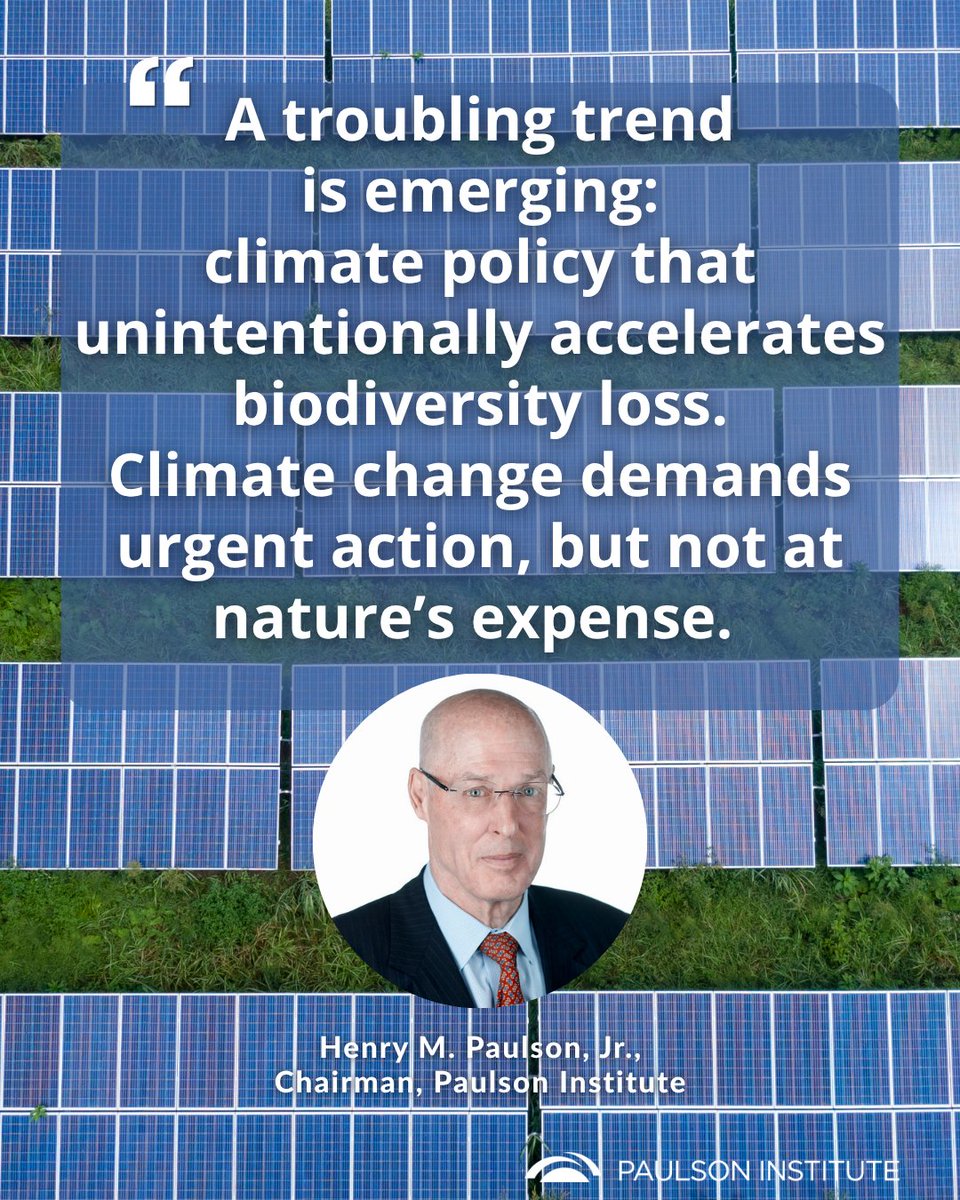
Climate change demands urgent action, but not at nature’s expense.
Nature's degradation poses a significant threat to the economy. Learn how we can change course and address biodiversity loss and climate change: https://t.co/6dqgBwJoc9
#COP30#ForNature
Nature is our life-support system. Aligning global efforts to confront climate change and biodiversity loss is essential.
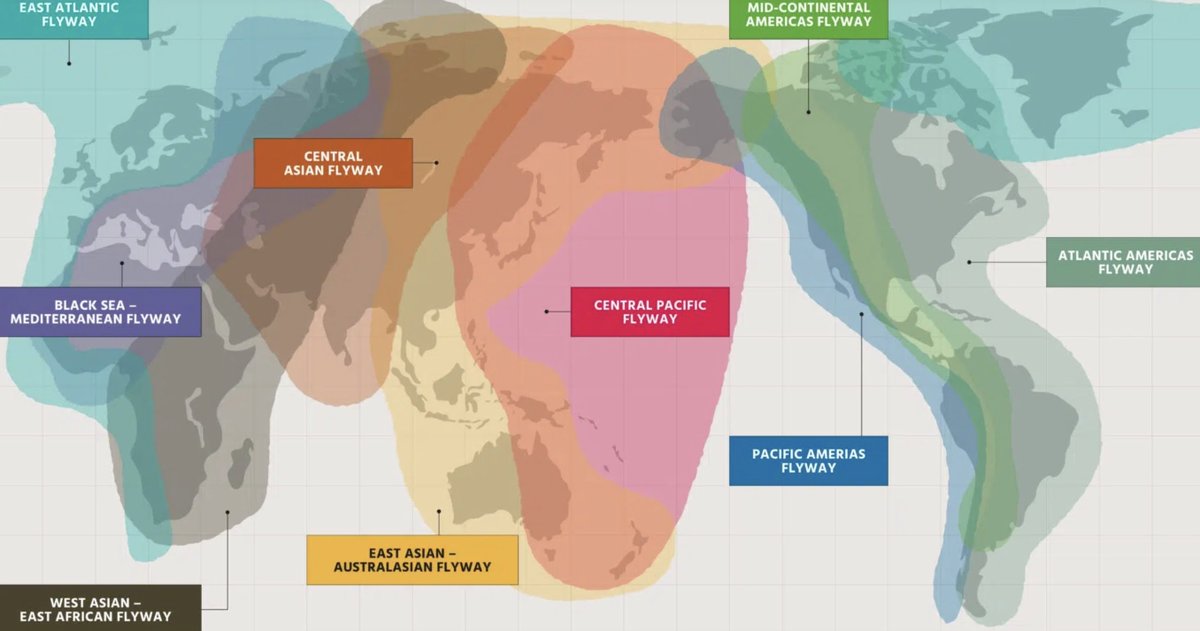
PI tracks the migration of two Spoonbills to demonstrate how rolling out climate solutions at the expense of nature is unwise. https://t.co/AE745K1bxF
🆕 Today, Morphosis, PI, FGV EAESP, Itaúsa, and Basilinna officially launched The Rise of the Adaptation Economy. The report is a first-of-its-kind integrated policy framework designed to accelerate investment and innovation in climate adaptation:
https://t.co/0OSkLqd9Pn
From trade realignments to rising protectionism, global leaders are navigating a new era of geoeconomic competition and cooperation.
At the 2025 Meridian Summit, T.H. Dina Powell McCormick, Amb. Jose Manuel Romualdez, Paige Willey, and Deborah Lehr explored how nations are redefining economic sovereignty, strategy, and collaboration in a rapidly shifting global economy. Watch the summit here: https://t.co/MFkb3E8lN4
#MeridianSummit #ShapingGeopoliticalFutures
Few things embody resilience more profoundly than nature. When given the chance, nature consistently demonstrates its remarkable ability to recover.
As the world stands at a critical crossroads, resilience has never been more critical: https://t.co/756mISO3Uj
Nature pays if we give it a chance.
As the climate and biodiversity crises worsen, learn more about the nature-based solutions that offer a cost-effective way to strengthen resilience while delivering environmental and economic benefits. https://t.co/6dqgBwIQmB
Nature-based solutions can serve as powerful economic multipliers—particularly in countries where biodiversity is a great asset. By investing in nature, we protect vital ecosystems, generate employment, strengthen local economies, & advance sustainable development.
🎟️ TODAY, please join us at Relish Works Chicago for an evening with award-winning journalist and NYT bestselling author @MikeGrunwald as he presents his latest book, We Are Eating the Earth: The Race to Fix Our Food System and Save Our Climate.
https://t.co/lhS9Zsay8b
📖 TOMORROW! Join PI and @MikeGrunwald for an evening conversation on the author's latest book, We Are Eating the Earth, and an interactive discussion about shaping a better food system for people and planet.
Register for the in-person Chicago event here: https://t.co/lhS9Zsa0iD
CHICAGO! I'll be downtown to talk about our food and our planet on Tuesday evening, at an event sponsored by my friends at @PaulsonInst. I tried to be polite when the book came out, but these days I'm feeling spicier, please check it out! Registration link is below.
Climate and nature are inseparable, yet governance, policy, and finance for addressing these two crises remain siloed, with a disproportionate emphasis on climate change.
Read PI's recommendations for aligning climate and biodiversity governance: https://t.co/6dqgBwIQmB
In the realms of biodiversity conservation or climate change mitigation, grasslands are often the unloved cousin of forests, which tend to attract much of the attention and funding. Yet natural grasslands hold immense value.
https://t.co/cwCOJBA6qP
Financing Nature makes the economic case for valuing nature and highlights mechanisms to close the biodiversity financing gap that will either secure new funding for biodiversity conservation or significantly reduce the need for future spending.
https://t.co/6dqgBwIQmB
After years of providing heavy subsidies to build capacity at record speed, the Chinese government is phasing out direct financial support of renewable energy and allowing market mechanisms to play a larger role.
Learn more:
https://t.co/UADnEirQuR
From coastal wetlands to mangroves, the Paulson Institute has been working with partner organizations to restore and conserve these vital ecosystems.
Discover the work being done and track progress through satellite imagery: https://t.co/tciGVfCvzC
The financing gap has grown and is now projected to be US$942 billion per year.
We have the tools to close the biodiversity financing gap. Government action is essential.
Learn more in the 2025 interim Financing Nature report: https://t.co/6dqgBwIQmB
And governments persist with incentives and subsidies that advance biodiversity destruction, writes Hank Paulson for @FT.
#TBT to his op-ed on the need for climate change policy and solutions to integrate biodiversity: https://t.co/MwMIPPksUn
Considering climate solutions in a vacuum is short-sighted and dangerous. Too many of them imperil nature. Solar farms are sited on virgin land. Wind farms continue to be built without simple changes that could prevent millions of bird collisions.