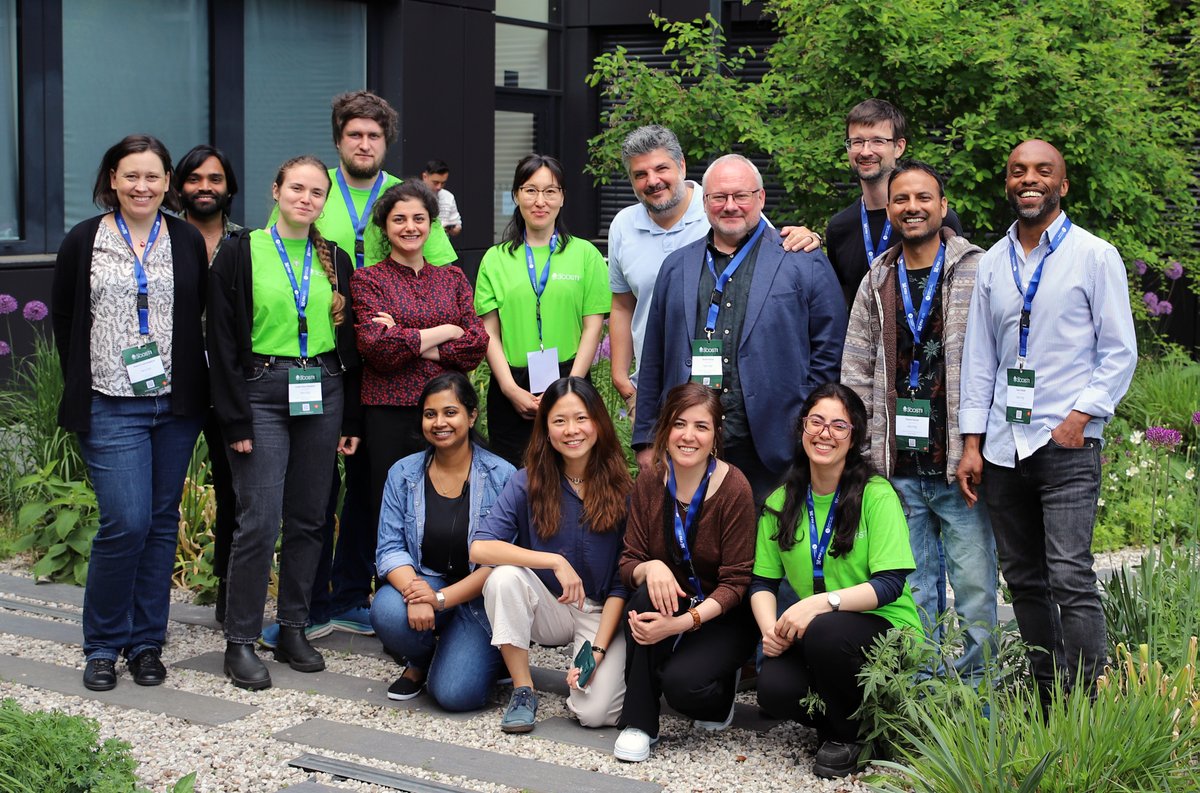
#3COST2026 in 🇨🇿 Prague is over but the memories remain. Thank you all for coming!
Many special thanks go to the local organising team of #3COST2026 — whole Pollen BIology Lab at @UEBavcr.
A lot of work done quietly and efficiently.
@Recrop22157@diversicrop@PANGEOS_CA22136
Beating the Heat: Future-Proofing Our Food 🧪🔥
Climate change is putting global harvests at risk, and the solution lies in agricultural research.
Dr. Michal Lieberman-Lazarovich is leading vital research on plant mechanisms that fight back against extreme weather.
By understanding how plants handle stress, her team is developing resilient varieties that ensure stable yields under tough conditions.
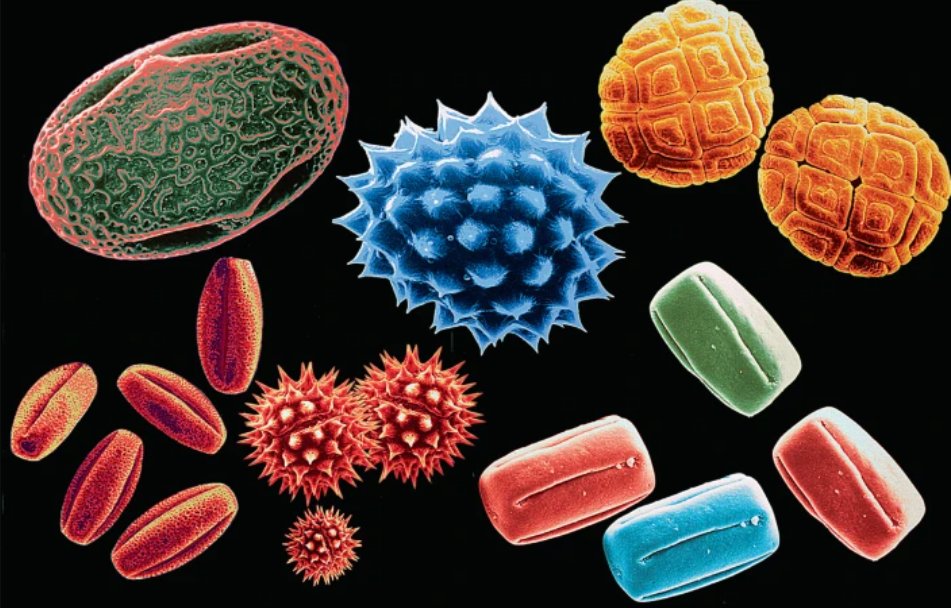
This latest review article highlights the critical role of pollen grains and their sensitivity to heat, and the current research done in the field.🌡️🍅 https://t.co/aTDVCwwrXP
Meet the guest editors of our ongoing Special issue "Methodologies to Assess Crop Stress Resilience".
Send you article proposal before February 2025 @Recrop22157 @R_Boisivonlab @LiebermanMichal@plantSPPS
Learn more: https://t.co/deofyPXH0T
One person dead and many hospitalized by eating carrots. Yes, it was organic! Organic carrots recalled after E. coli outbreak. These are the brands and grocery stores impacted https://t.co/1NBsIzaMok
Apply today for the EMBL CPP fellowships!
These enable PhD students and postdocs to carry out experimental projects with an EMBL host research group. Fellowships (up to 4,000€) cover travel & accommodation for a scientific visit to one of six EMBL sites.
https://t.co/Zc5A7B8p1u
Our editors write:
- Pollen development: Knowing when to stop https://t.co/EIHdiyndgd
"Although the pollen exine serves important functions (protection from dehydration, facilitating interaction with the stigma), too much exine material can negatively affect pollen viability."