Floating APRs are a trap designed for protocol extraction.
You borrow at 5%. Market turns, utilization spikes, and you’re suddenly servicing 45% APY on a collapsing position.
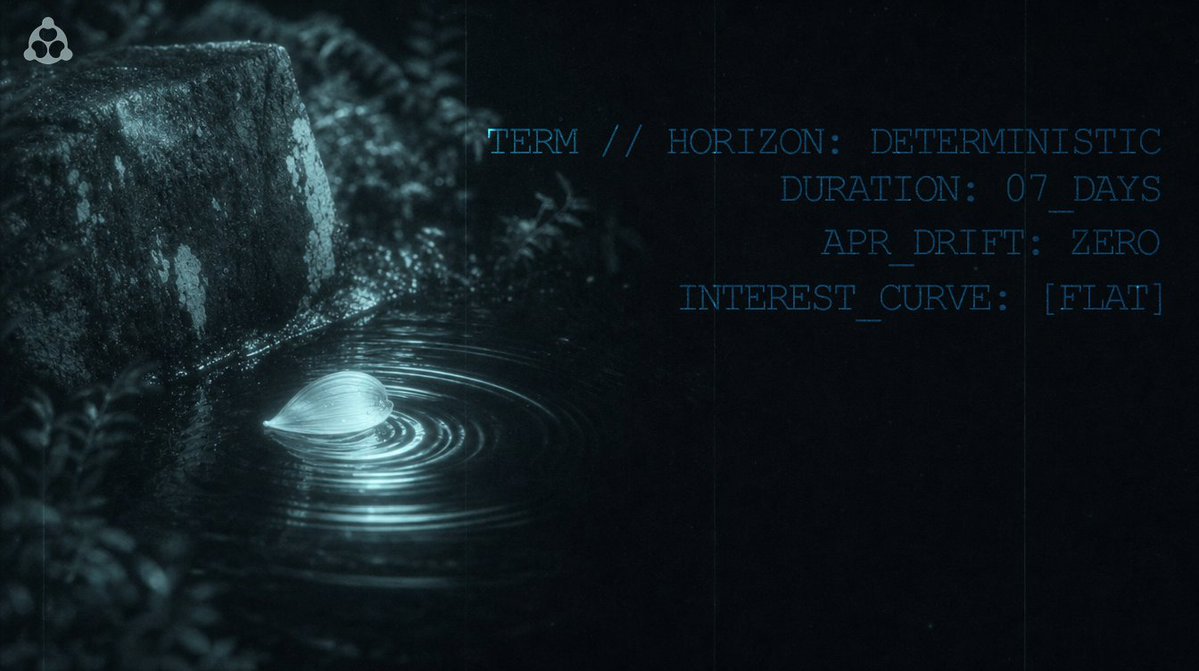
Pawn House enforces fixed time horizons from block zero:
• 3, 7, 14, or 30-day fixed tenures
• One predetermined repayment cap
• Zero rate volatility during the active term
Time belongs to the borrower
A 20% wick on a centralized exchange shouldn't wipe out your on-chain collateral.
Pooled protocols rely on continuous oracle feeds that trigger forced fire-sales at the exact bottom of a cascade.
In Pawn House:
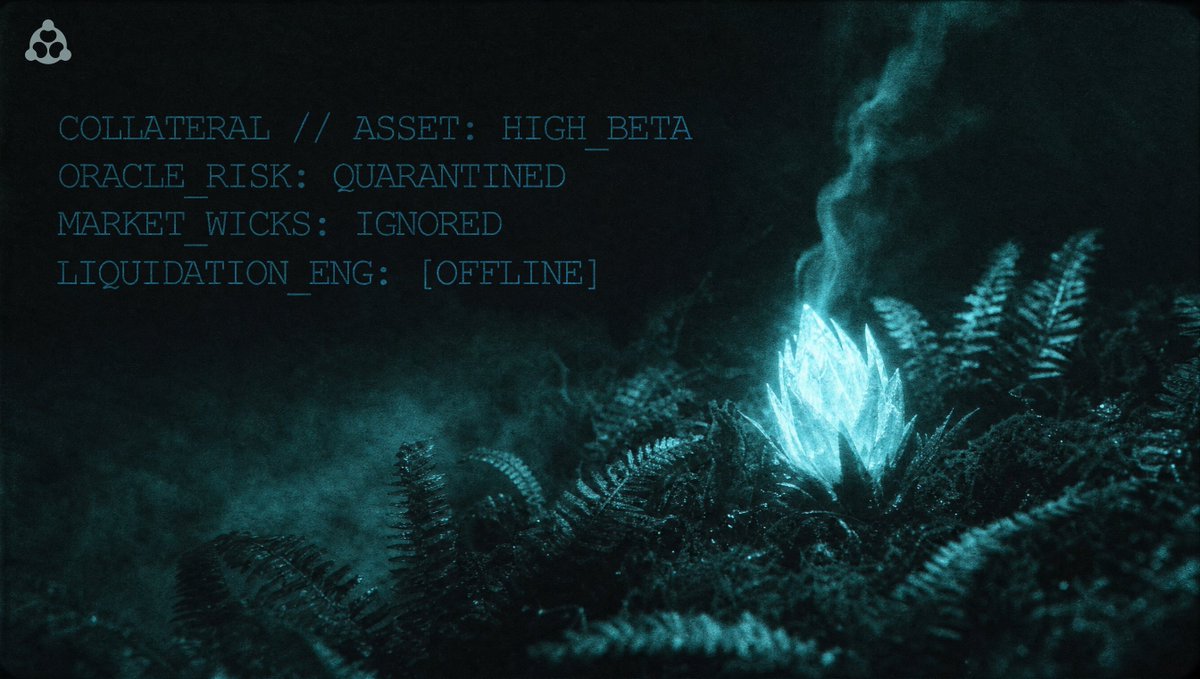
• No price oracles reading spot market panic
• Collateral stays locked in stasis regardless of intraday wicks
• You settle when the term matures, not when an oracle glitches
Volatility without liquidation risk.
DAO governance in lending protocols means variable risk models. Terms change on a majority vote.
At Pawn House, we prioritized determinism over agility.
When you enter a DealVault:
• Parameters are locked for the duration
• The contract is immutable; zero pause switches
• No governance attack surface can liquidate your position
Code is the only governance we recognize
Introducing Pawn House
An on-chain lending protocol built to give holders access to liquidity without forcing them to sell their assets
Borrowers lock their assets as collateral, choose their terms, and receive stablecoins from lenders. There are no margin calls or mid-loan liquidations. At expiry, borrowers either repay the agreed amount to reclaim their assets or walk away and the collateral goes to the lender
We’re building PawnHouse because accessing liquidity on-chain shouldn’t mean constantly worrying about price movements and liquidation thresholds. Simple terms, fixed outcomes, entirely on-chain