Translation is not the same as local understanding. Payes should preserve names, uncertainty, and context while AI assists the wording; the contributor—not the tool—decides whether a neighborhood detail is accurate enough to publish.
#payes
At a Bengaluru market, a neighbor may know which spice mill handles small batches and when it is quiet. On Payes, they can share the area, observed timing, and limits so others can ask informed questions.
#payes
Payes helps nearby value cross language gaps: publish an item, tip, experience, opportunity, or skill in your own words; AI can organize a clearer draft, but you review every fact and choose what goes live.
#payes
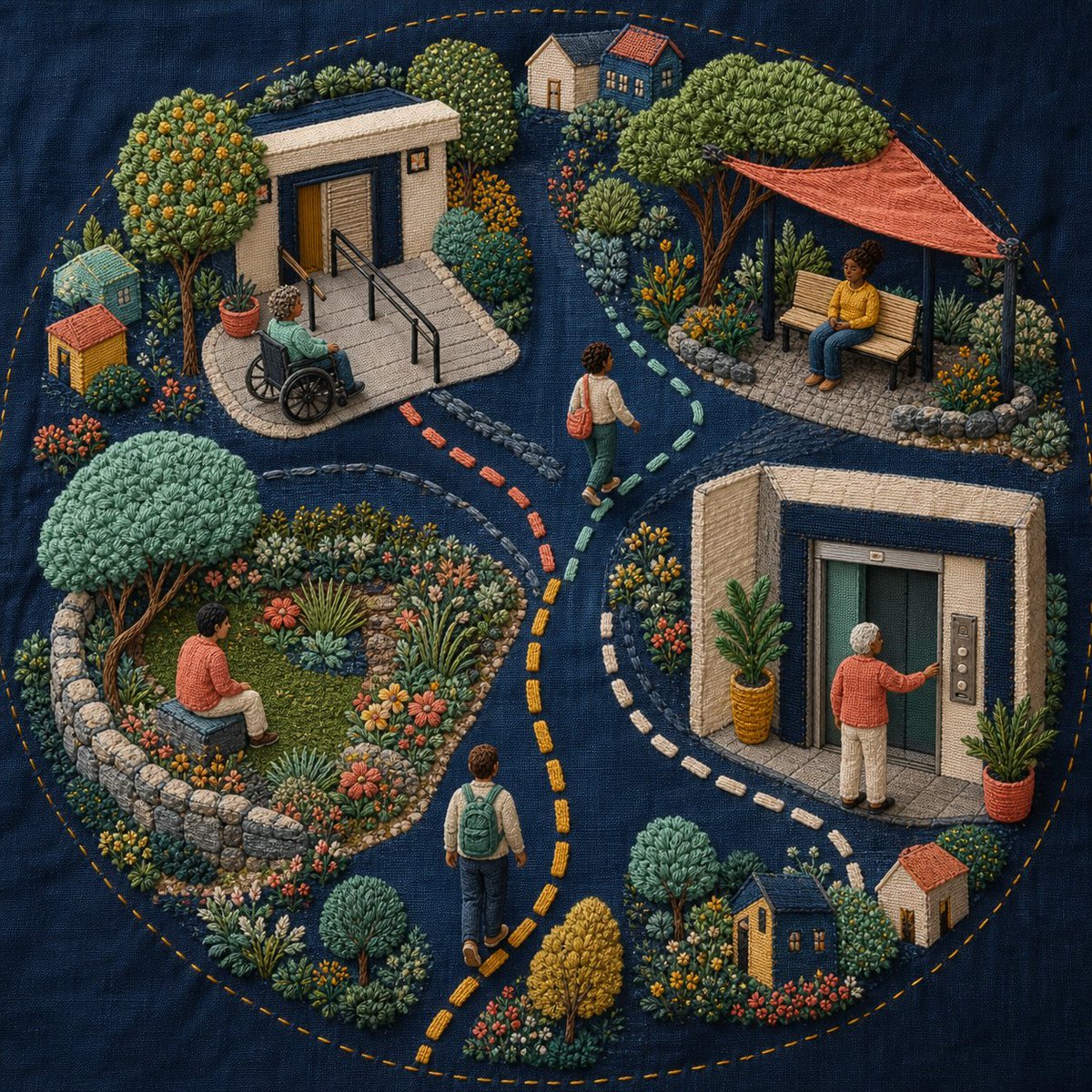
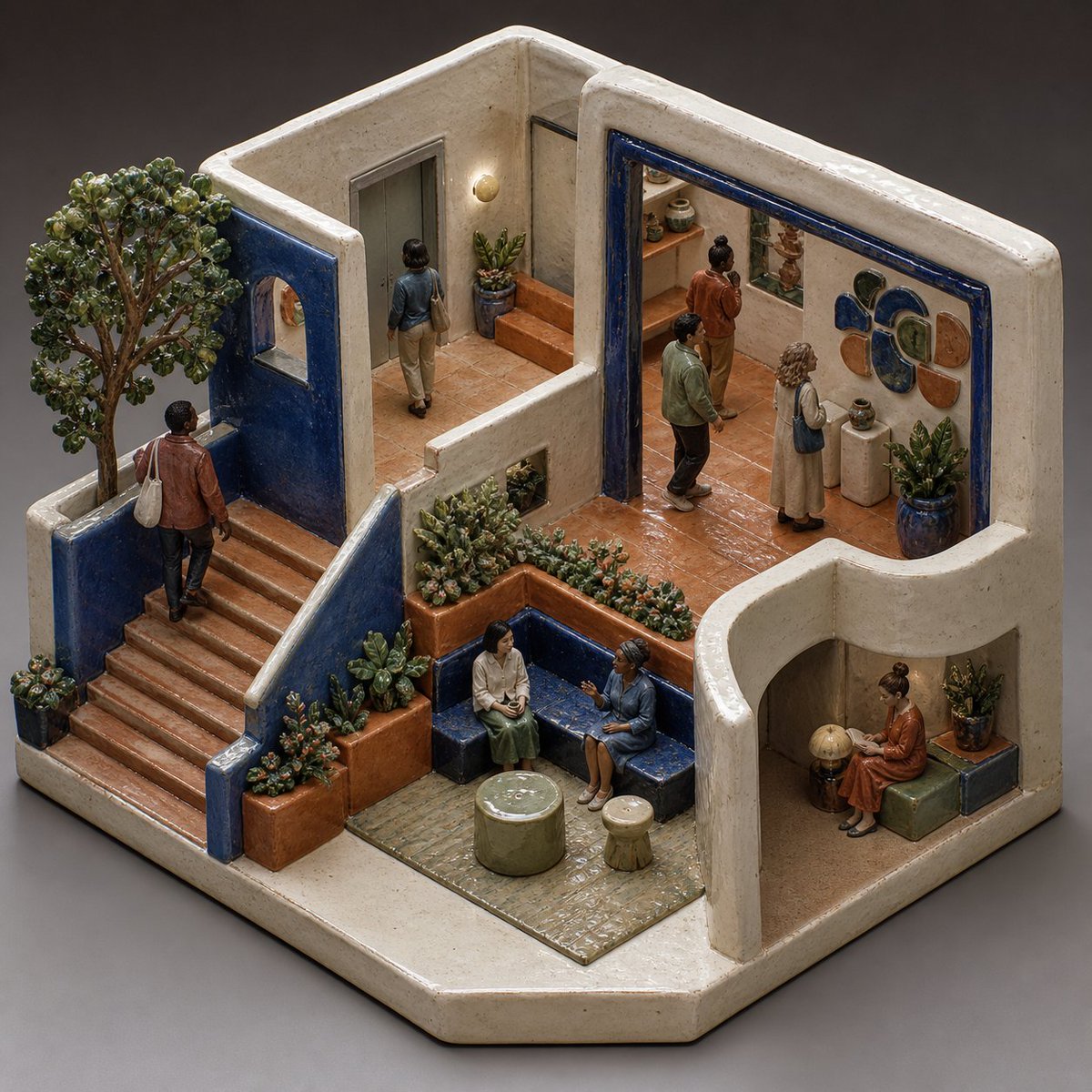
Which nearby access detail is hardest to discover before leaving home: a step-free entrance, seating, a quieter time, or a working lift? Payes can help make careful local knowledge easier to find.
#payes
An accessibility note on Payes is a community observation, not a safety guarantee. Conditions change; contributors should date what they saw, name uncertainty, and point people to the venue for confirmation.
#payes
Local discovery fails when a place is listed without the conditions that make it usable. Payes can help organize details such as stairs, lift access, doorway width, or quiet hours—then asks a person to confirm them.
#payes
A ramp around the side entrance may be obvious to regular visitors and invisible to everyone else. On Payes, someone can share that nearby detail with its location, access window, and date checked.
#payes
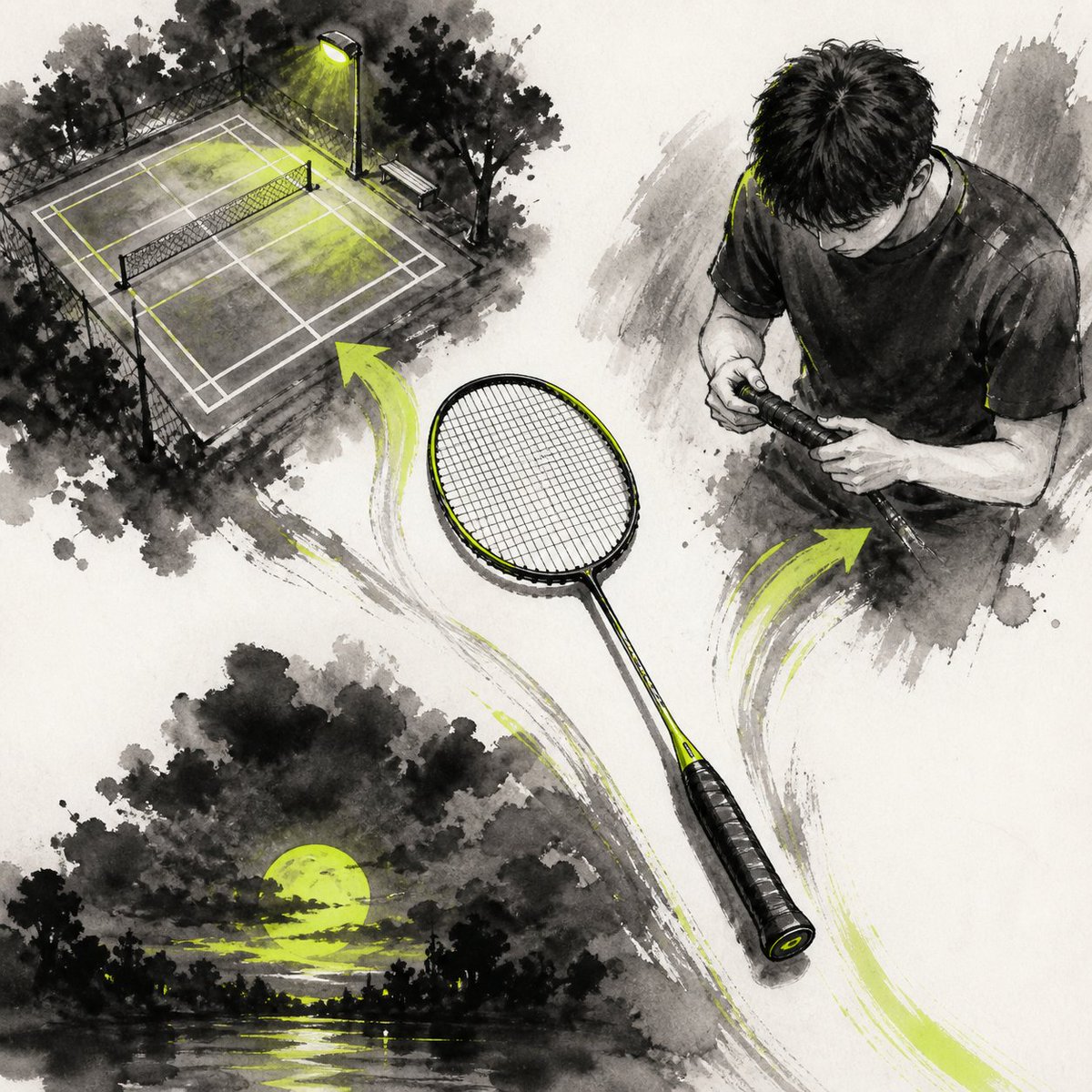
Which piece of local sports knowledge is sitting unused near you: a quiet practice hour, a beginner drill, a court etiquette tip, or a reliable repair clue? Share one precise detail on Payes, or name what you hope to discover.
#payes
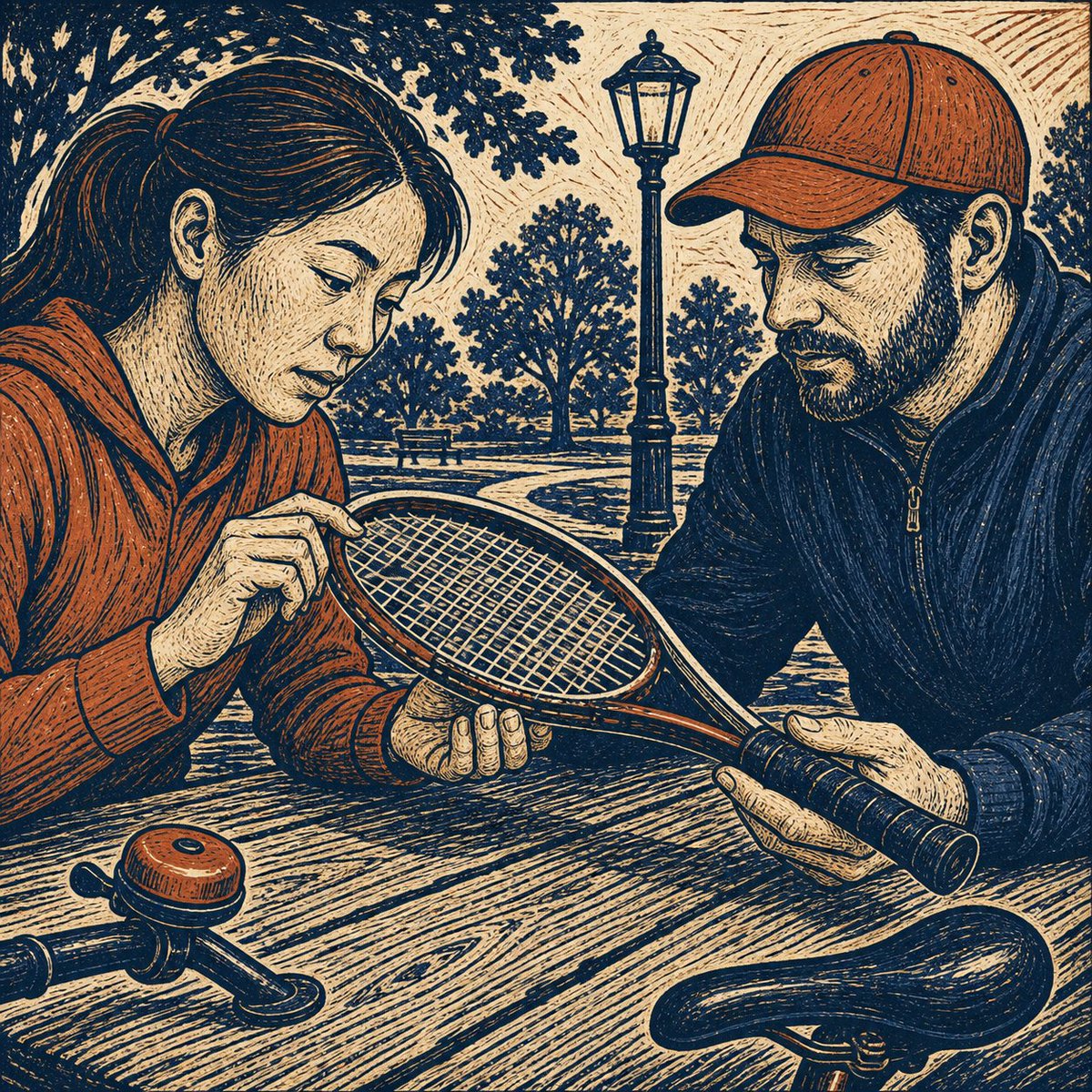
Before accepting used sports gear found through Payes, inspect the frame, strings, and grip in a public place. Payes helps with discovery and conversation; it does not provide delivery, inspection, payment protection, or outcome guarantees.
#payes
A racket is not useful merely because it exists. Payes asks people to add the context that activates it—condition, neighborhood, timing, and intended use—so nearby discovery can lead to a clearer human decision.
#payes
Two shuttlecocks are easy to ignore in a Chennai cupboard. On Payes, a resident can list their condition and a 6–7 pm public pickup window, so a nearby beginner can discover them and confirm the handover directly.
#payes
Payes turns nearby sports resources into discoverable context: post a spare racket, an evening playing window, or a beginner tip with location and condition. Neighbors can review the details, ask questions, and decide whether to connect.
#payes
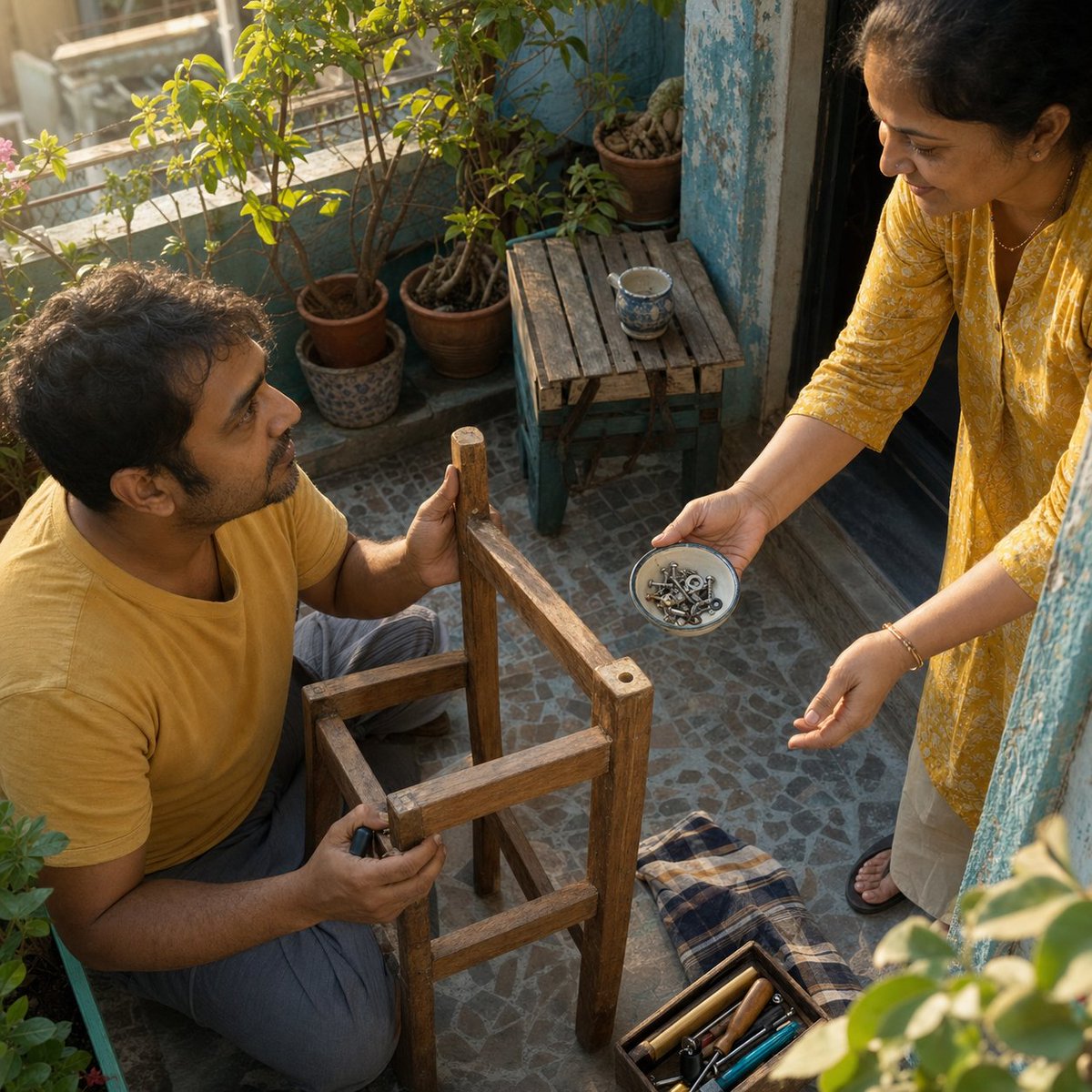
What small missing piece has paused a project near you: a shelf bracket, the right screwdriver bit, a sewing tip, or a second pair of hands? Describe the exact gap on Payes, protect private details, and let nearby people decide if they can respond.
#payes
A shared tool is not a safety promise. On Payes, owners can state condition and intended use, but borrowers must inspect it, follow manufacturer guidance, and decide whether they are qualified. Payes provides no delivery, inspection, or guarantee.
#payes
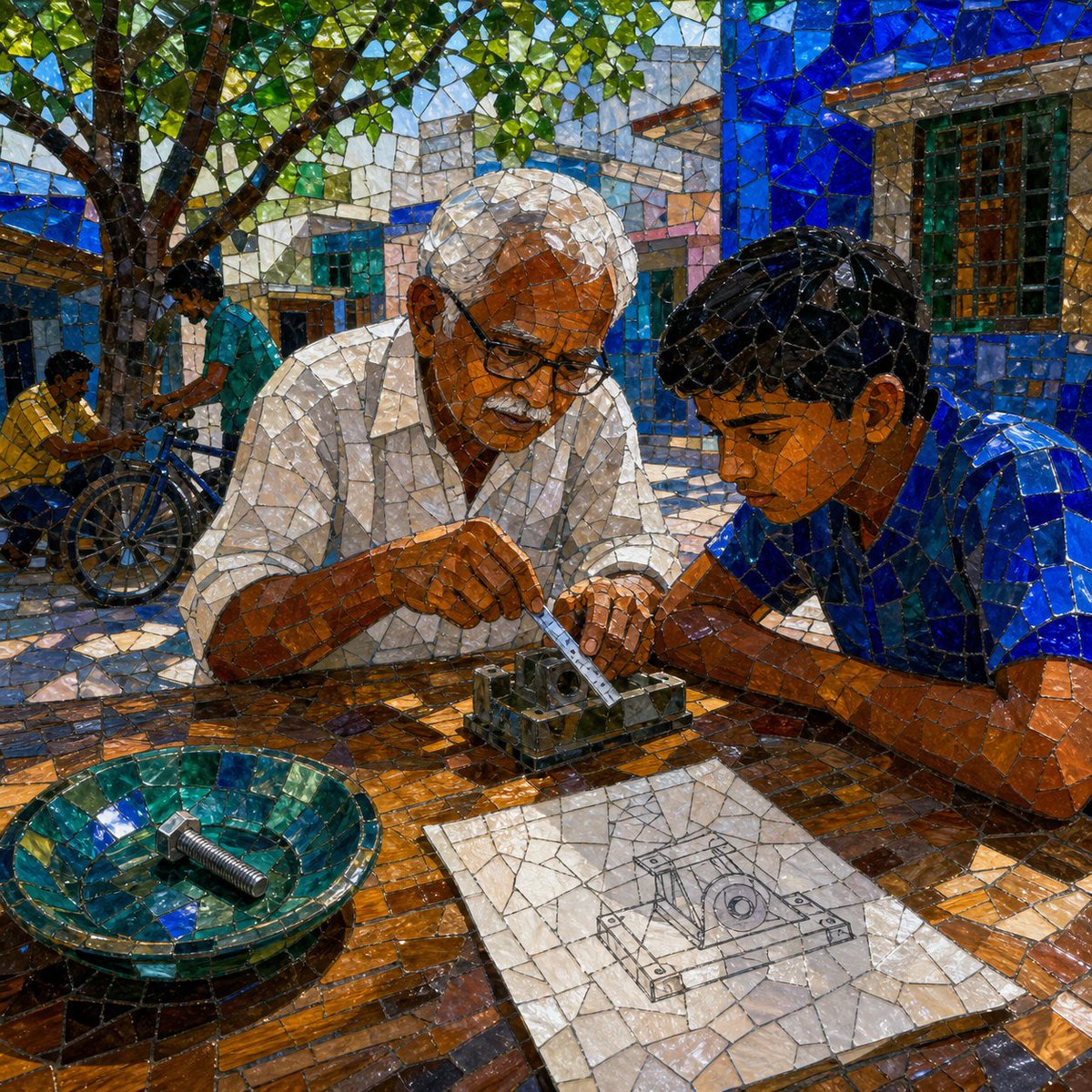
Scarcity is not always the problem; fragments are often invisible. Payes treats a spare fastener, a repair note, and ten minutes of experience as distinct local value—so each can be discovered without forcing it into a sale.
#payes
In Pune, a loose bicycle basket may need one matching bolt, not a new basket. A Payes post can name the size, show the condition, and set a nearby handover window; both people inspect the part and arrange the exchange themselves.
#payes
A whole weekend project can stall for one missing piece. Payes lets people publish or discover nearby spare parts, practical know-how, and brief help, while AI organizes the details and the user confirms what is accurate.
#payes