20 year old student Edith Berryman at the #RejoinEU rally in parliament square calling for the UK to rejoin the European Union @MarchForRejoin
"10 years since the Brexit referendum. I am 20 years old. I have grown up living with the consequences of that decision. I have a simple question. Did Brexit deliver what we were promised? My argument is simple."
"Brexit has had a real measurable economic cost. Not just in political arguments, but in productivity, investment and living standards, not just one opinion or one forecast."
"This is the conclusion we keep seeing across UK institutions and independent research. The question is not what people believed in 2016. The question is what can we learn from the evidence shown in 2026?"
"And the evidence is clear. Firstly, in productivity, this again doesn't come from one political campaign or one think tank. This comes from the UK government, government's own Office for Budget Responsibility. Their estimate is that Brexit reduces long term, UK productivity by around 4% compared to staying in the EU."
"And more recent academic work shows that figure even higher to around 6 to 8%. To put it simply, a smaller economy than we otherwise would have had. Secondly, investment. Because countries don't just grow by accident, they grow because business."
"This creates, invests and builds for the future. Business investment in the UK fell sharply after the referendum and has remained weaker than expected ever since. Independent studies estimate it is around 10 to 15% lower than it would have been without Brexit."
"And that matters because investment means jobs, it means wages, it means opportunities for the next generation, the younger generation, my generation, alph."
"They estimate this loss in productivity translates into around 470 pounds per worker per year in lower wages over time, not just for today, but for years ahead. Thirdly, living standards."
"Because this is where the debate stops being about statistics and it becomes real people's everyday lives. Research from institutions like the London School of Economics has found that Brexit related trade barriers increased costs in everyday goods, including food, contributing to higher household bills."
"And some estimates suggest it could amount to around 250 pounds a year for the average household. And the Resolution foundation has found over, the long term, real wages are lower than they otherwise would have been expected to be. So when you put all three together, products, investment, living standards, you do not get one political slogan, you do not get one isolated focus."
"You get a consistent picture from official institutions and independent research. And the question then becomes, how did we get here from what we were promised? Because this isn't just about numbers on a spreadsheet."
"Behind every percentage point is a real life. It's about whether young people can afford a home, whether your business can grow, whether families feel like their wages are, going further. I think the biggest issue here is Trust."
"In 2016, people were asked to make one of the biggest decisions in modern British history. They were promised that leaving would mean more control, more money and a stronger future. People were told, on the side of a bus, that leaving the EU would free up 350 million pounds a week for the NHS."
"But now, 10 years on, we have to be honest about the gap between what was promised and what actually happened. Because democracy, it doesn't depend on everyone getting every decision right. Democracy depends on us being willing to look at the evidence afterwards and ask, did this work?"
"What can we learn and what should we do next? Ten years ago, Britain chose a new direction. Today, we have the chance to choose what comes next. Not based on nostalgia, not based on slogans, not based on fear."
"Based on reality. And, the future isn't built on ignoring the evidence, is built by facing it. So the question for 2026 is, now that we know the cost, what should we do next? Thank you very much."
This is powerful!!
The video strikingly illustrates the game of misinformation that’s being played by Nigel Farage & others. It shows who’s actually benefiting from it.
Absolutely worth watching!
Video sent to me by @nowayjomo
Last night I welcomed the Hillsborough Law carry-over motion, which means we can keep the fight for the Hillsborough Law alive in Parliament.
But it shouldn’t have come to this.
Two anniversaries, a full Parliamentary session but still no Hillsborough law - it’s not good enough.
We knew there’d be resistance from those who oppose transparency & accountability - and that’s why political courage and leadership matters.
The PM promised, now deliver:
Adopt my amendments.
No carve-outs.
No one is above the law.
Get it done PM - we have waited long enough.
#HillsboroughLaw
#JFT97
Can everyone share and get behind this letter to @John_W_Henry now?
Yesterday showed this isn’t “some fans”. That was Anfield.
If you backed it, add your name and share.
The more people who do, the harder this is to ignore.
https://t.co/bUTobFNuse
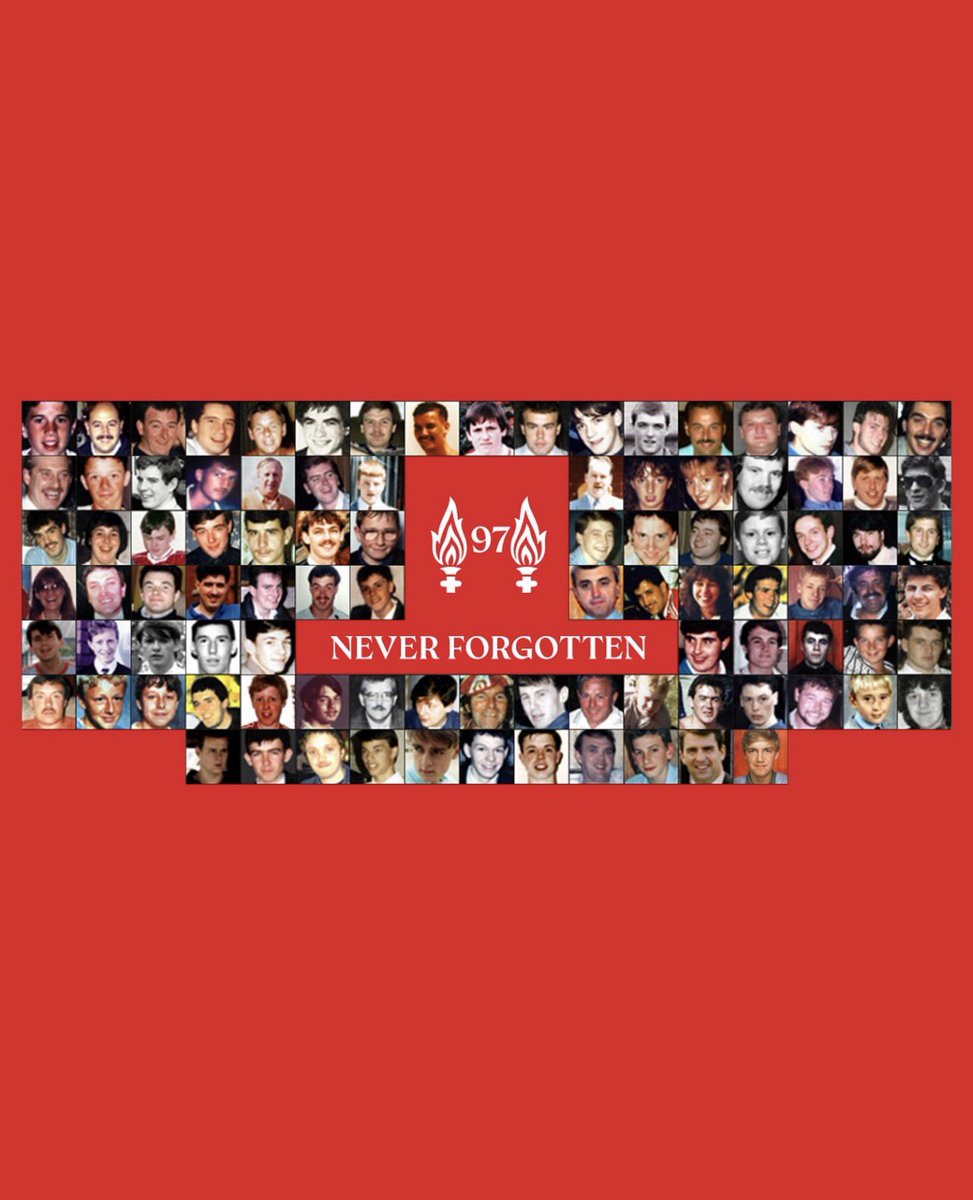
Never forgotten. Remembering the 97 and all those affected by the Hillsborough disaster on the 37th anniversary. You are in our thoughts today and always.
You'll Never Walk Alone. ♥️
From Kenny, Marina, Kelly, Paul, Lynsey and Lauren.
Our thoughts on this significant and poignant day, as always, are with all those affected by the tragedy at Hillsborough and we pause in memory of the 97 fans who will never be forgotten.
Imagine reducing agent fees by just 10%
The saving at Liverpool - and probably other clubs - far outweighs any revenue raised from ticket prices
This is where their attentions should be focused, and no doubt one supporters would back
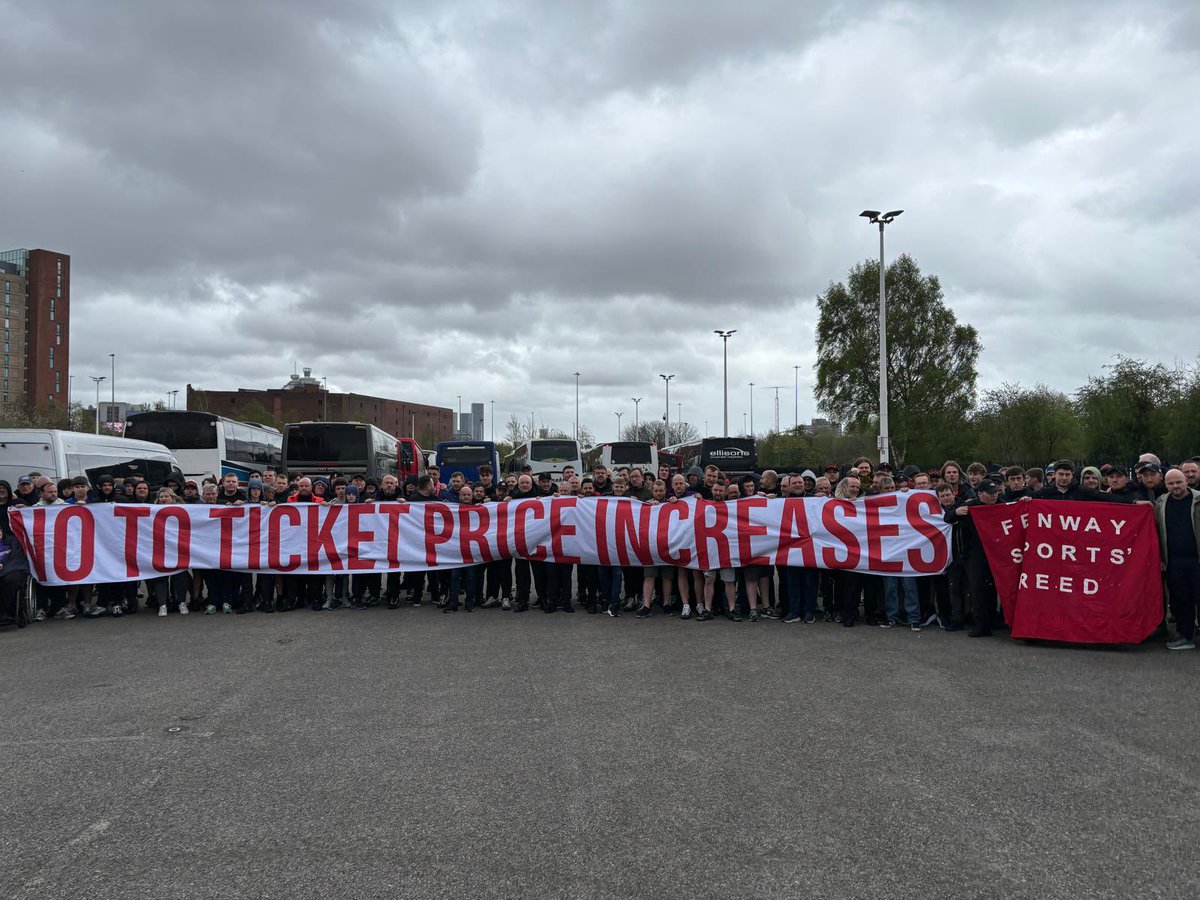
This is an extremely disappointing decision from the club. We were clear to them that increasing prices for three seasons in a row is wrong and unfair
Here’s our initial reaction to this
Record revenue of £703m & owners added more money than ever to their own wealth yet you want to fleece supporters.
NO TO MULTI YEAR PRICE INCREASES
Stop the greed.
Two minutes on Donald Trump's mixed messages on the war with Iran. Produced by Katerina Karelli. The BBC News live page on the war is here: https://t.co/Bz4SFSqHHG
KASPAROV: "Everything Trump did as President benefited Putin. He criticized everybody, from John McCain to foreign leaders, but never said anything negative about Putin. That’s the only person on the planet Trump never criticized. His actions always help Putin.
I’ve said many times on X: Donald Trump was the only one who could save Putin, and that’s exactly what’s happening now."
The most important Oscar speech tonight wasn’t about film.
The director of “Mr. Nobody Against Putin” just said this from the stage:
“You lose your country through countless small acts of complicity. When we act complicit when a government murders people on the streets. When oligarchs take over the media and control how we produce and consume it. We all face a moral choice. But even a nobody is more powerful than you think.”
He was talking about Russia.
The audience knew he was talking about America too.
Elon Musk owns the platform you’re reading this on.
David Ellison is buying CNN — Pete Hegseth said it will be “far better” when he does.
The DOGE deposition videos were removed from YouTube.
The Epstein files are sealed.
The Pentagon won’t release a casualty count.
Countless small acts of complicity.
That’s how you lose it.
A nobody is more powerful than you think.
Never stop connecting the dots.
The decision to bomb Iran came after advice from Jared Kushner, Steve Witkoff and Pete Hegseth.
A real estate developer.
A television host.
And Trumps son-in-law.