"Some counsels painted a surreal picture of the Basic Structure doctrine, making it sound as if it were a new thing in our jurisdiction. But it was there before. Some were out to mislead court." ~ Justice Patrick Kiage~Me : Justice Kiage dealing with akina Orengo 🤣🤣🤣#BBIRuling
It was a privilege to join the ACK Diocese of Kirinyaga Diocesan Education Day at St. Thomas Cathedral, Kerugoya, under the theme “Transformation Through the Renewal of the Mind” (Romans 12:2).
The engagement emphasized the need for continuous transformation in education, especially during the transition to the Competency-Based Education system, while reaffirming the important role of Government, the Church, parents, and teachers in nurturing learners who are academically competent, disciplined, and grounded in values.
The forum also highlighted the urgent need to protect children from emerging social challenges including drug and substance abuse, vaping, violence, and child safety risks, while promoting preventive health practices such as hygiene and healthy school environments.
The event further celebrated outstanding learners and recognized the dedication of teachers, parents, and education stakeholders in shaping a better future for our children.
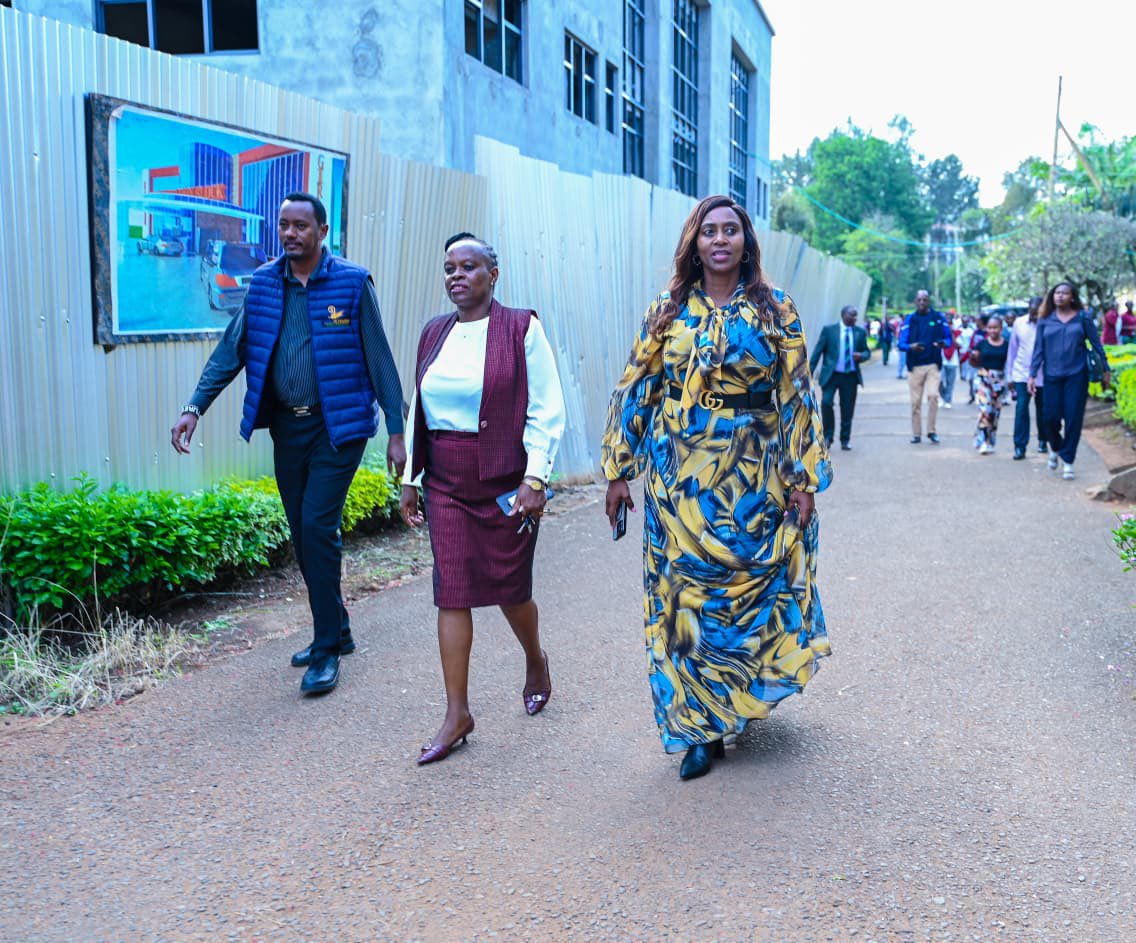
There is a profound sense of nostalgia and gratitude that comes with returning to where the journey began. While on official duties in Kirinyaga County, I took a moment to pass through my alma mater, Kabare Girls High School.
Walking those familiar grounds brought back wonderful memories of my formative years and served as a beautiful reminder of the transformative power of education. Seeing the school today reinforces my deep commitment to empowering our youth and nurturing the next generation of women leaders.
To the brilliant young women at Kabare: your dreams are entirely valid, and your potential is limitless. Keep striving for excellence—the world is ready for your leadership! 📚✨
#KabareGirls #KirinyagaCounty #YouthEmpowerment #WomenInLeadership #Education
Kenya has called for equitable access to future TB vaccines for high-burden countries, stronger inclusion of African populations in clinical trials, sustainable financing, and regional manufacturing to guarantee timely and affordable access to life-saving vaccines.
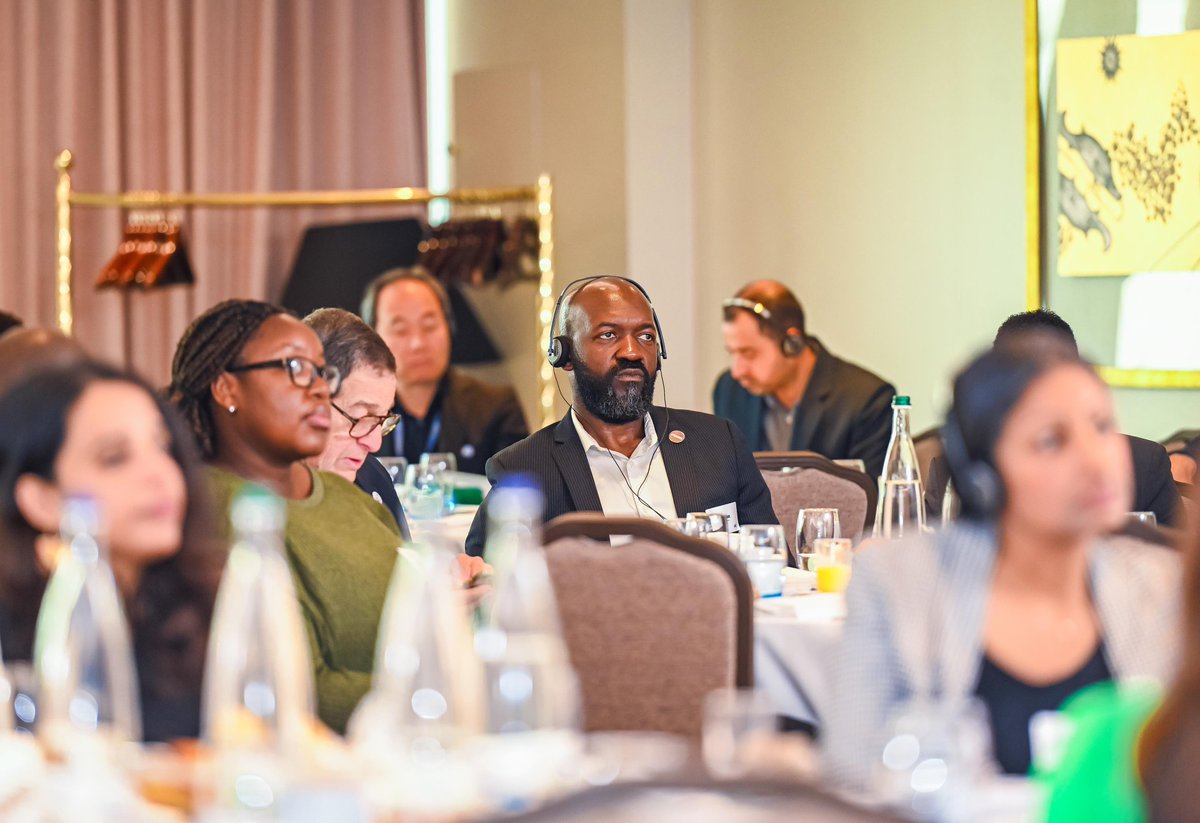
At the Fourth High-Level Strategic Roundtable Discussion of the TB Vaccine Accelerator Council, we highlighted Kenya’s preparedness for future TB vaccine rollout through strengthened regulatory systems, vaccine delivery planning, and ongoing efforts to advance local manufacturing.
Kenya has reduced TB incidence by 45 percent and mortality by 58 percent since 2015 through expanded diagnostics, improved treatment access, and integrated TB-HIV services. However, TB remains a major public health challenge, with nearly one in five cases still missed.
We reaffirmed our commitment to ending TB through stronger prevention, early diagnosis, treatment, innovation, and accelerated access to effective vaccines.
Kenya is strengthening community health services and Primary Health Care as a key driver for Universal Health Coverage through sustained investments in professional Community Health Promoters, digital health systems, and preventive healthcare.
At a high-level session on financing and institutionalizing professional Community Health Workers on the margins of the #WHA79 in Geneva, we highlighted the Government’s commitment to fully institutionalized, paid, supplied, skilled, and digitalized community health services under Taifa Care reforms.
We informed that the government is supporting over 107,000 Community Health Promoters with monthly stipends, digital devices, and medical kits to strengthen disease prevention, early detection, referrals, and household-level healthcare services across the country.
The Ministry called for stronger collaboration and sustainable investments to advance the global community health agenda.
Kenya has identified strengthening health workforce capacity, expanding digital interoperability, improving disease surveillance, advancing climate-resilient health systems, and promoting local manufacturing as key priority areas requiring demand-driven innovation partnerships to accelerate Universal Health Coverage.
At the “Reverse Pitch” session on the margins of the World Health Assembly in Geneva , we emphasized the need for innovations that are affordable, scalable, interoperable, and responsive to frontline healthcare realities.
The Ministry of Health Kenya called for stronger collaboration between governments, innovators, investors, academic institutions, and development partners to support sustainable health innovations and move countries from fragmented pilot projects to long-term health systems transformation.
Kenya has called for unified and government-led health systems, urging global partners to align investments behind national community health priorities and strengthen Africa’s health system sovereignty.
At a high-level session on “Community-Led Health Systems: Lessons from Coalition-Driven Change” on the margins of the 79th World Health Assembly in Geneva, we showcased Kenya’s Community Health Unit for Universal Health Coverage (CHU4UHC) coalition as an example of how government-led coordination can strengthen resilient and sustainable community health systems.
The Ministry of Health informed that Kenya has formalized Community Health Promoters through government-supported recruitment, training, digitalization, equipping, and remuneration, positioning community health as a key pillar for Universal Health Coverage and global health security.
Kenya has called for African-led solutions, stronger investment in primary healthcare, digital health, local manufacturing, and coordinated regional action to build resilient and self-reliant health systems across the continent.
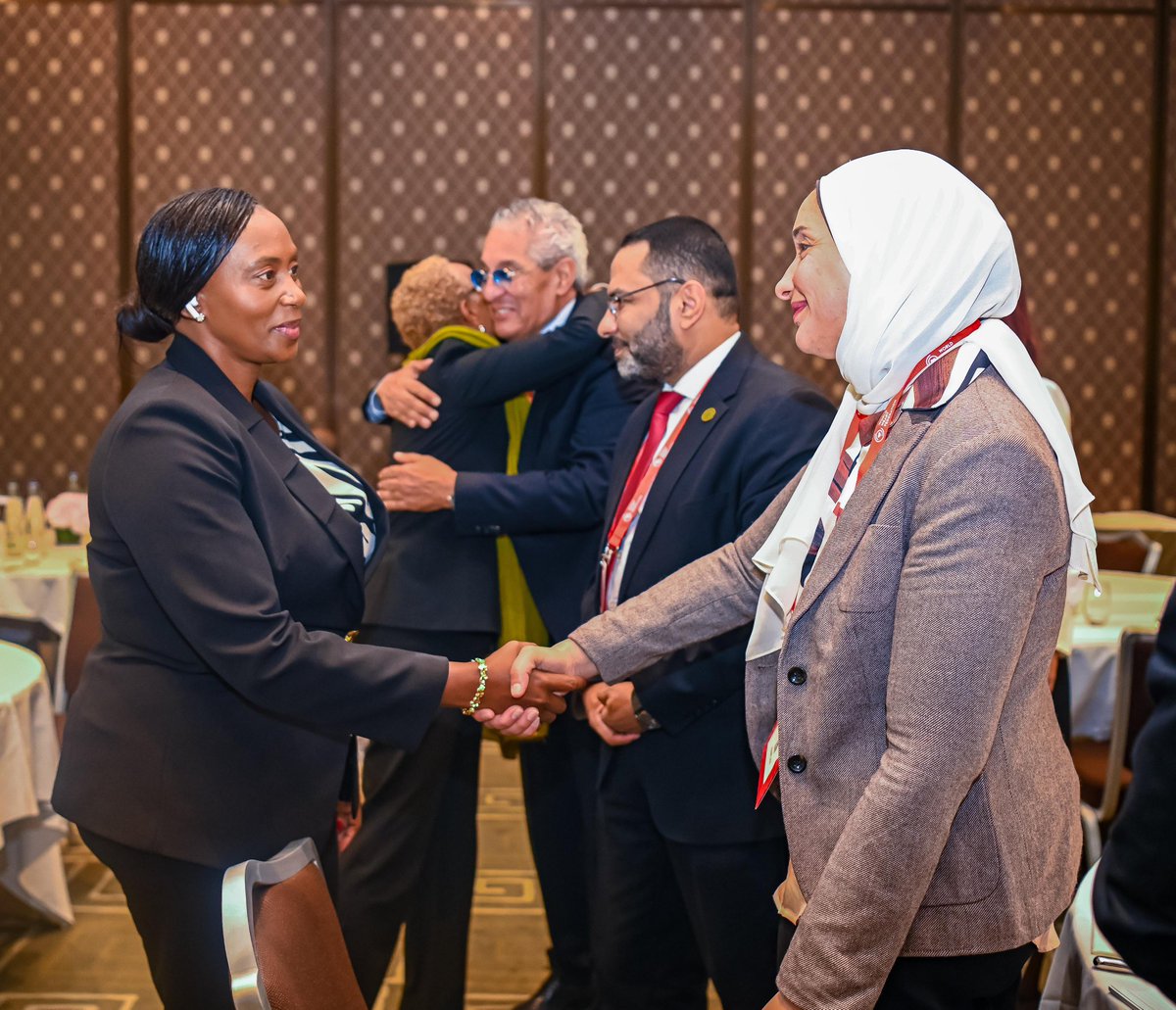
At a high-level side event themed “From Progress to Power: How African Institutions Are Redefining the Future of Global Health” held in Geneva ahead of the 79th World Health Assembly, the Ministry of Health emphasized the need for Africa to strengthen health sovereignty through sustainable financing, regional collaboration, innovation, and investment in resilient public health systems.
The meeting, hosted by Merc, brought together African health leaders and partners to discuss advancing the Africa First health agenda, including local pharmaceutical manufacturing, health financing reforms, emergency preparedness, and strengthening African institutions in shaping the future of global health.
There is a growing need for stronger policy and regulatory frameworks across Africa to support local manufacturing, technology transfer, and sustainable procurement systems for health products.
At the African High-Level Ministerial Committee on the Reform of the Global Health Architecture held ahead of The 79th World Assembly #WHA79 in Geneva, the Ministry of Health highlighted urgency for African countries to prioritize the consumption of African-made health products to reduce dependency, address supply chain gaps, and strengthen the continent’s health security resilience.
We underscored the importance of harmonized regulatory systems, pooled procurement mechanisms, and strategic investments in local manufacturing capacity to position the continent as a competitive and reliable producer of vaccines, diagnostics, therapeutics, and other essential medical products.
The Strategic Next Step
To move from rhetoric to reality, there is a need to establish a Joint Inter-Ministerial Taskforce on Health and the Built Environment. This taskforce should bring together the State Department for Public Health, the State Department for Public Works, BORAQS, NEMA, and the Council of Governors to harmonize the National Building Code with the primary healthcare goals of the nation.
True structural transformation in the health sector will not just happen in hospitals; it must happen on the drafting tables of our architects and engineers.
5. The Gap: Professional Education and Sensitization
• The Issue: The curricula for architecture, quantity surveying, and engineering in Kenyan universities focus heavily on physics, design, and cost management, with minimal integration of public health principles.
• The Fix: Initiate a collaborative review of university curricula between professional bodies (BORAQS) and the Ministry of Health. Future architects and engineers must be trained in concepts like neuro-inclusive design, trauma-informed spaces, and the epidemiology of the built environment.
4. The Gap: Financing the Shift to Preventive Health
• The Issue: Developers and contractors often view health-centric design features (such as universal access ramps, superior ventilation systems, or non-toxic building materials) as added expenses that cut into profit margins, rather than long-term value additions.
• The Fix: Reframe the narrative around healthcare financing. The success of the Social Health Authority (SHA) and the transition to Universal Health Coverage (UHC) rely heavily on reducing the national disease burden. If the built environment minimizes preventable diseases, the financial strain on SHA decreases. We must introduce policy incentives—such as expedited county building approvals or tax rebates on sustainable materials—for developers who exceed baseline public health standards in their designs.
3. The Gap: Climate Resilience vs. Public Health
• The Issue: Recent severe flooding events in Nairobi and across the country have exposed the fragility of our urban planning. Poor drainage and construction on riparian lands do not just destroy property; they trigger immediate public health crises, overwhelming local healthcare facilities with waterborne diseases and displacing communities.
• The Fix: Integrate the "One Health" framework into urban planning. The Board of Registration of Architects and Quantity Surveyors (BORAQS) and the Engineers Board of Kenya (EBK) must enforce strict climate-resilient building codes. Infrastructure must be designed to absorb climate shocks without compromising the sanitation and safety of the surrounding population.
2. The Gap: The Burden of Informal Settlements
• The Issue: A significant portion of Kenya's urban population resides in informal settlements (e.g., Kibera, Mathare, Mukuru) where building codes are virtually non-existent. These areas suffer from poor drainage, lack of sanitation, and severe congestion, creating hotspots for communicable diseases (like cholera) and undermining the shift toward preventive healthcare.
• The Fix: Leverage the ongoing Affordable Housing Programme (AHP) as a primary public health intervention. Housing designs under the AHP must go beyond providing shelter and explicitly incorporate public health metrics—safe water access, proper sewage disposal, green spaces for mental health, and structural designs that prevent respiratory illnesses.