Another day, another CDS blowout. AVGO +5bps, NVDA +1bps, both new record wide.
Bondholders are done subsidizing massively overpriced GPUs, TPUs and memory chips
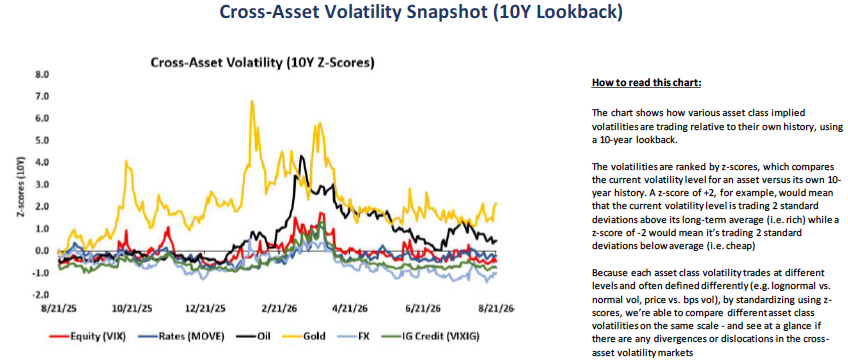
Cboe's 10-year z-score view of cross-asset vol normalizes every asset class (equities, rates, oil, gold, FX, credit) onto the same scale so you can see at a glance what's rich vs. cheap. Oil vol's spike earlier this year still stands out as the extreme outlier on the whole chart.
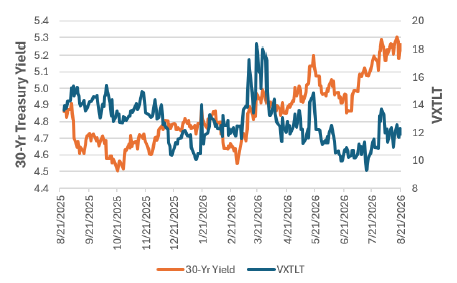
Odd one worth flagging: the dollar hit a 3-month low even as yields rose — normally the opposite relationship.
Cboe explicitly ties it to the Treasury buyback raising doubts about debt-management credibility.
Gold implied vol jumped from the 31st to 75th percentile w/w; Bitcoin vol surged from 5th to 48th. Both hit 3-month price highs.
This is vol-market confirmation of the debasement trade thread — not just price action, actual options positioning backing it.
Bottom line: gold, Bitcoin, and EM are all pointing the same way — investors and central banks quietly reducing dollar concentration.
Fits right into Druckenmiller's thesis: paper over the fiscal problem now, and the market ends up pricing it in anyway, just earlier and louder.
What is the dollar-debasement trade and why it's on most headlines.
It is Wall St shorthand for positioning against currency erosion from deficit spending and low real rates relative to inflation — betting the government inflates its way out of debt rather than paying it down.
EM central banks are the quiet driver: gold now ~25% of EM reserves, up from 15% in 2010 — explicit reserve diversification away from dollar concentration.
$EEM up ~10% from its July low.
The numbers: interest expense hits 4.5% of GDP by 2033, 144% of discretionary spending by 2043.
His line: entitlements get cut either way deliberately on our terms or by the bond market all at once on its terms.
Prescription: let yields clear, fix the primary deficit instead.
Druckenmiller (WSJ):
The Aug 19 Treasury buyback expansion wasn't liquidity management, it was price management. Yields round-tripped above their starting level within a day, the market called it immediately.
His case: no real dysfunction existed to justify it.
His core argument:
The long bond is the only fiscal disciplinarian left. 6% deficit at full employment, debt past $40T, net interest exceeding defense spending - suppressing yields artificially.
"Every basis point saved now costs multiples in delay."
Market read: oil prices are the swing factor — higher Brent/WTI = more incentive for Chinese teapot refiners to risk sanctioned barrels for the discount.
All this happening as President Xi is expected to visit the White House next month.
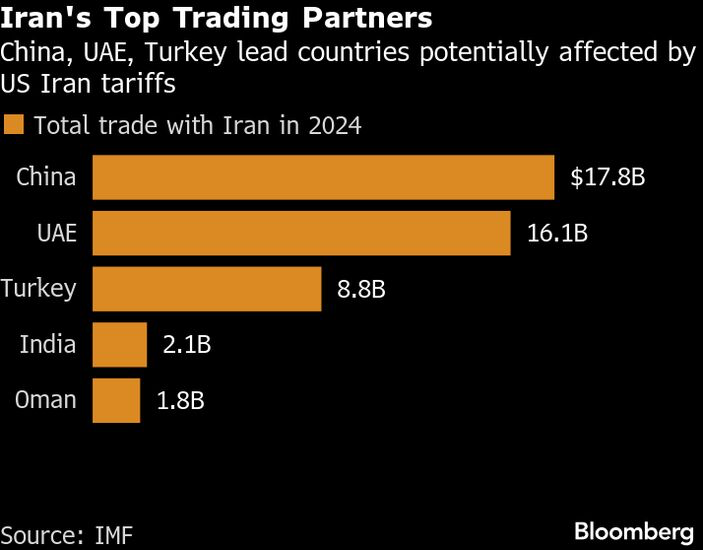
Bessent's Iran sanctions threaten a real network. Top partners per IMF (2024 total trade):
- China ($17.8B, buys ~90% of Iran's oil)
- UAE ($16.1B),
- Turkey ($8.8B).
UAE just announced an indefinite trade embargo — ahead of Bessent's move.
What to watch:
Bessent teased a major sanctions announcement targeting a specific, unnamed financial institution by end of week — that's the next real catalyst. Also watch China's Iranian crude offtake and whether UAE's embargo actually holds.
Note: China's own customs data shows near-zero official Iran imports (relabeled as Malaysian/Omani to dodge sanctions).
The 85% figure and monthly barrels come from Kpler's tanker-tracking, the standard industry source for shadow-fleet flows since official data understates it.
One under-the-radar move: the UAE, historically one of Iran's largest trading partners, already suspended all trade with Iran last week — ahead of Bessent's announcement. A concrete data point, not just rhetoric.