El #IEO_CSIC contribuye a definir la hoja de ruta internacional de la investigación antártica.
Pedro J. Llanillo ha participado en 3 de los 6 documentos del Antarctica InSync Science Plan, abordando el papel del Océano Austral, el hielo marino y la variabilidad climática 🌊🧊
Después de poco más de 1 año, temperatura del Pacífico tropical volvió a su rango neutro!
Promedio de temperatura del
Mar en zona 3.4 bajó de umbral q define #ElNiño la semana pasada
Rápido “enfriamiento” anticipa desarrollo de #LaNiña en próximos meses.https://t.co/ffgVzdFDQT
En medio de intensa #OlaDeCalor en el ConoSur, centro-norte de Chile🇨🇱comenzó Agosto con la jornada de invierno más cálida🔥en 72 años👇
En pleno invierno austral, en Vicuña se registraron 37°C🥵, la temperatura más alta para un mes de invierno desde 1951.https://t.co/h1Z7yuY3t4
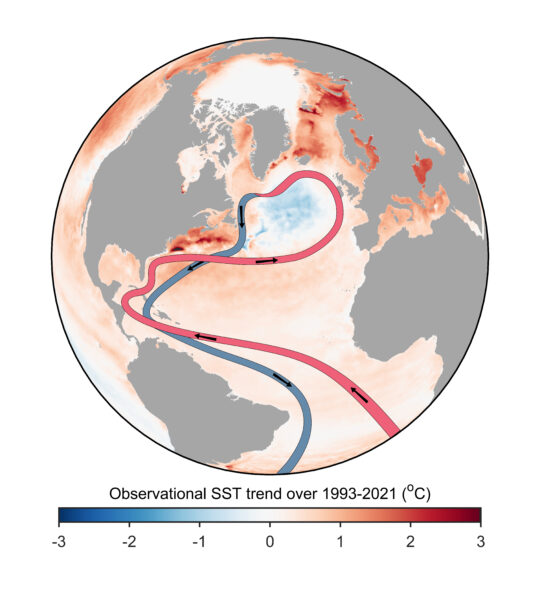
New Danish study just out in Nature Communications, titled "Warning of a forthcoming collapse of the Atlantic meridional overturning circulation".
Is it serious? Here's my take on it: https://t.co/aN3CYwQ0PI
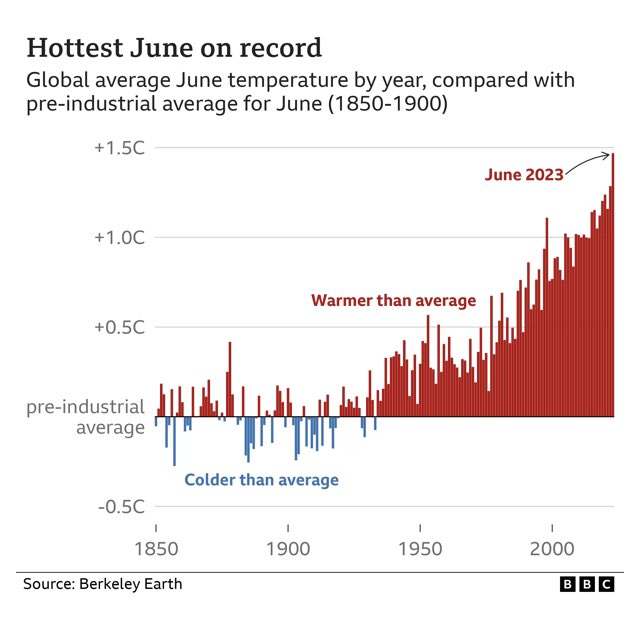
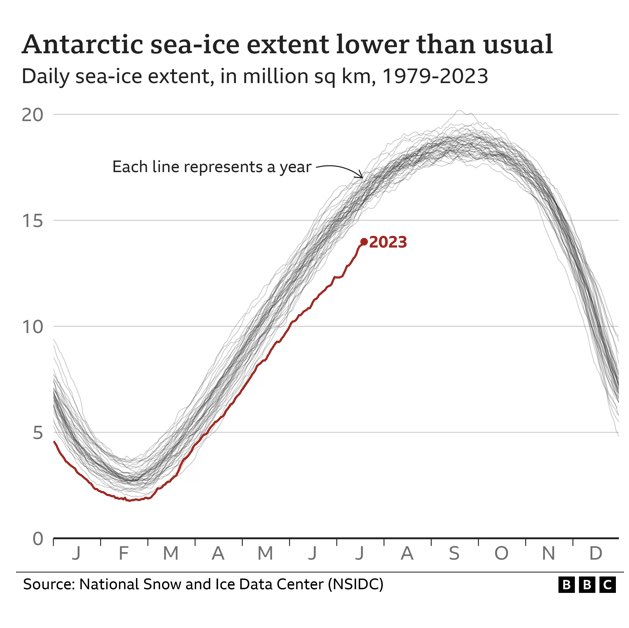
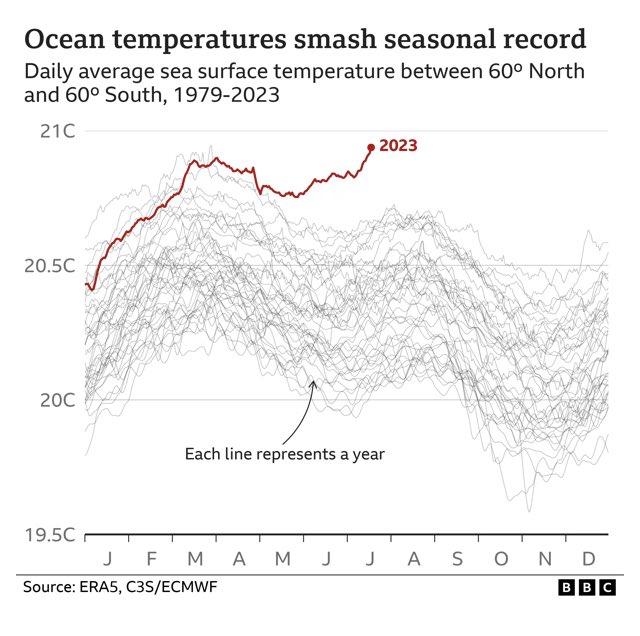
Climate records tumble, leaving Earth in uncharted territory
A series of climate records on temperature, ocean heat, and Antarctic sea ice have alarmed some scientists who say their speed and timing is "unprecedented".
#climatechange
https://t.co/zydyJJfi9Y
'Big-time bad news':
"This is the evidence that Greenland can vanish. It's not a model. It's not a hypothetical. We know that the ice sheet vanished and it vanished under much less extreme conditions than we're forcing the climate to right now." https://t.co/HRhTFqPPMN
Global sea ice extent remains at a historic low for this time of year due to unusually small ice cover at both poles (but especially the Antarctic)...
More visuals (including ice volume) at https://t.co/ecHYax1cql
Yesterday's North Atlantic sea surface temperature anomaly is Code UFB!
A record 1.50°C (4.45σ) above the 1991-2020 mean, the most over average of any day measured this year.
And the running joke is getting old, but yes, I will probably have to extend the y-axis again tomorrow.
If you still need to see more climate data this month, well here's another contribution...
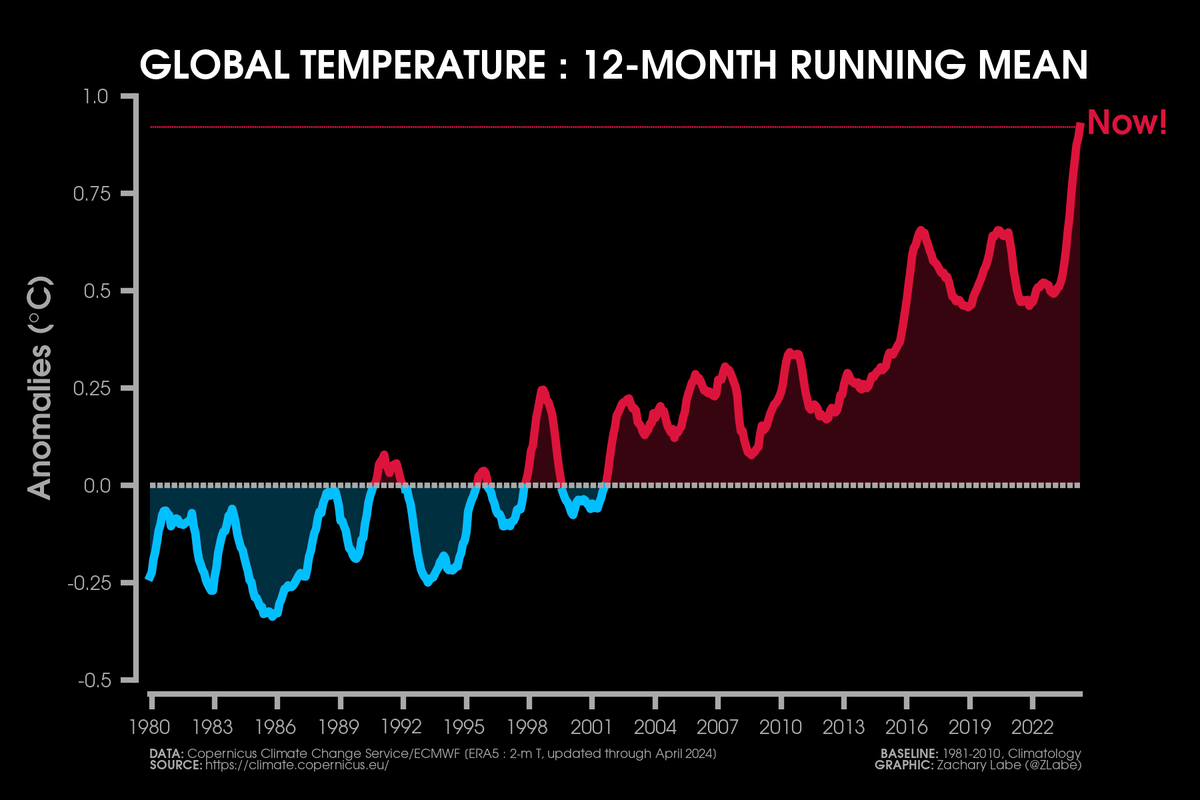
My latest climate change indicator update (https://t.co/53ZaRhYqC0):
+ Global temperature: 📈
+ Carbon dioxide (CO₂): 📈
+ Methane (CH₄): 📈
+ Nitrous oxide (N₂O) : 📈
Las múltiples anomalías de temperatura recientes en el HemisferioSur, ayudan a entender los extraordinarios déficits de #HieloMarino en torno a #Antartica👇
Agudas anomalías🔥hoy Julio22 en el norte de Argentina🇦🇷y Paraguay🇵🇾con temperaturas superiores o cercanas a los +30°C en pleno invierno austral👇
Con ~22°C BuenosAires habría tenido la noche más cálida🥵registrada en el q debería ser mes más frío del año.https://t.co/xTbr7Er7w3
#PlataformasDeHielo flotantes q rodean #Antartica aumentaron en 5305km2 su extensión desde 2009
¿Buena noticia? No, pues sugiere flujo acelerado de hielo al mar
⚠️Sumando y restando, Antartica pierde 149Gt de hielo por año, la mayoría por flujo acelerado.https://t.co/mVQjlRG7lo
Las temperaturas en la zona del pacífico tropical más cercana a la costa sudamericana (la llamada Zona 1+2) ya se encuentran en valores considerados muy altos desde hace meses👇
#BreakingNews: Comenzó #ElNiño2023@NOAA oficializó hoy Junio 8 el inicio del #ElNiño en Zona 3.4
⚠️Probabilidades de q se trate de un evento “fuerte” suben a 56%
🔥Temperatura en Zona 1+2 está ya en niveles observados por última vez en #SuperNiño2015👇 https://t.co/hURFQ2Prfe