#OTD August 10, 1886:
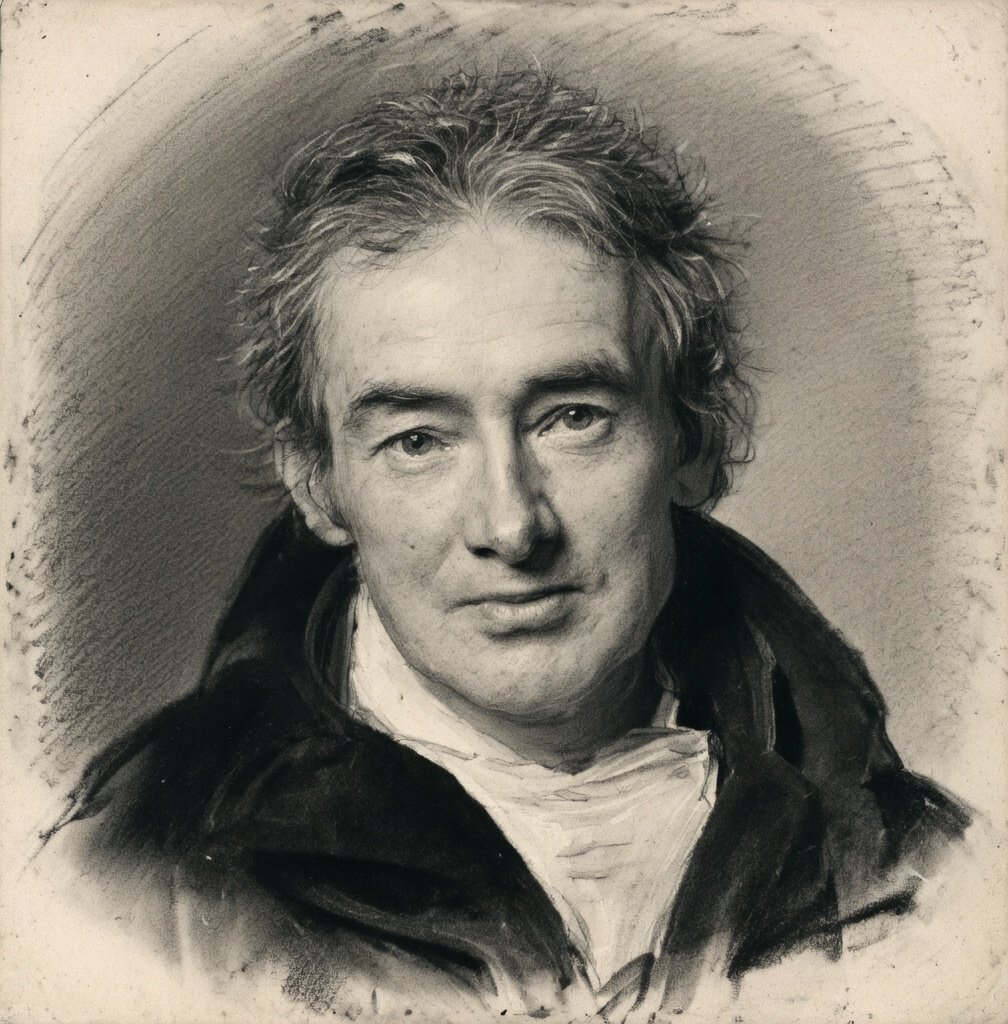
Joseph M. Scriven, Irish Plymouth Brethren hymnwriter, died. He spent much of his life performing menial work for the destitute, and both of his engagements ended with the sudden deaths of his fiancées. Nonetheless, he wrote the beloved and uplifting hymn “What a Friend We Have in Jesus.”
#OTD August 1, 1834:
Death of missionary Robert Morrison at age 52. The first English Protestant missionary to China, he arrived in 1807 and spent nearly three decades laboring under difficult conditions. He translated the Bible into Chinese, produced a Chinese grammar, founded an Anglo-Chinese college, and edited a six-volume Chinese dictionary.
#OTD July 29, 1921:
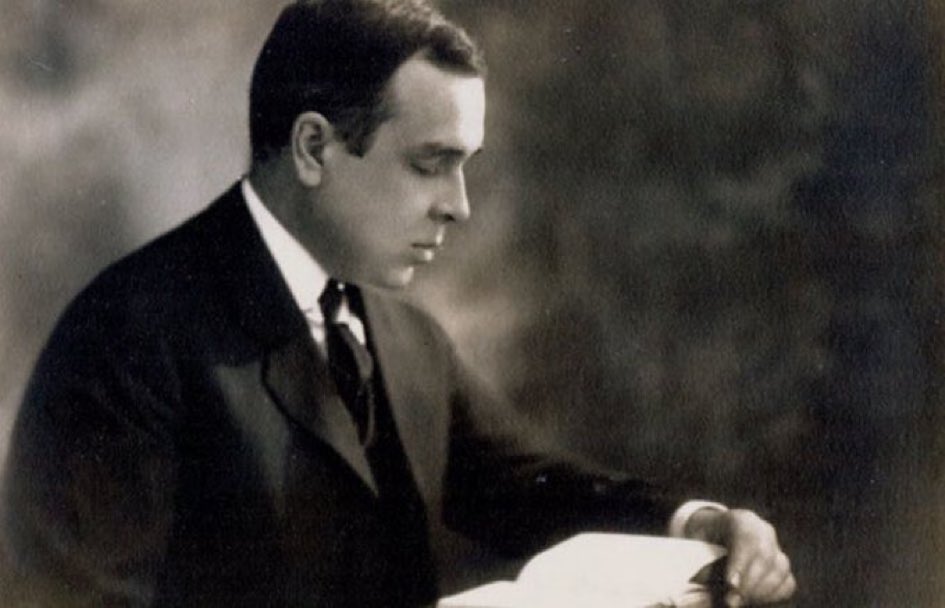
Death of Herman Bavinck, Dutch Reformed theologian and churchman. A leading scholar in the Calvinist tradition alongside Abraham Kuyper and B. B. Warfield, he is best known for his monumental four-volume work Reformed Dogmatics (1895–1901). His careful, comprehensive theology continues to influence Reformed thought today.
A throne without the gospel is but the devil’s dungeon.
Wealth without the gospel is fuel for hell.
Advancement without the gospel, is but a going high to have the greater fall.
—John Owen, Complete Works, 18:154
#OTD July 28, 1881:
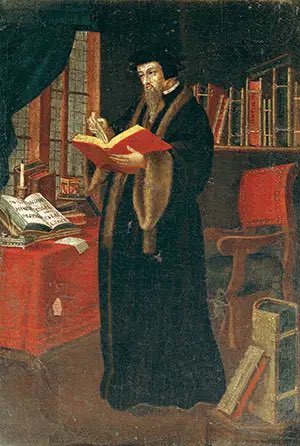
Birth of J. Gresham Machen, American Presbyterian theologian who taught at Princeton Seminary and later founded Westminster Theological Seminary. He is best known as the author of Christianity and Liberalism (1923), a powerful defense of historic Christian orthodoxy against theological liberalism.
Craig Blaising's essay in the latest JETS, "The Bible and the Nicene Creed," is a must read.
On the one hand, it's really just a summary of the fourth-century debate(s). On the other hand, it uniquely draws deeply from the historical sources rather than merely systematizing ideas.
I've said often that I wish Blaising had been willing/able to do more patristics work over the years. His dissertation on Athanasius is excellent—especially for its time—and he is one of the few evangelical scholars who knows the sources as well as anyone.
Take up and read!
https://t.co/kLscRTMxbh
“And thus we utterly damn the vanity of those that affirm sacraments to be nothing else but naked and bare signs. No, we assuredly believe that by Baptism we are ingrafted in Christ Jesus to be made partakers of his justice, by which our sins are covered and remitted; and also, that in the Supper, rightly used, Christ Jesus is so joined with us, that he becomes the very nourishment and food of our souls.”
-The Scots Confession, Ch. 21- ‘The Sacraments.’
From one man called out of Ur, God built a nation. Abraham's family tree produced the twelve tribes of Israel, and from the tribe of Judah came the line that led to Christ. Ishmael, Esau, Moab, and Ammon also appear here. The genealogy of Abraham shaped the entire ancient Near East.
Every element of the High Priest's garments was prescribed by God in Exodus 28. The breastplate carried the names of the twelve tribes over his heart. The turban bore the words "Holy to the Lord." He did not dress to impress. He dressed to represent. Hebrews 4 tells us who our High Priest is now.
Every line in this chart represents a cross-reference between any two books of the Bible. The New Testament does not replace the Old. It is saturated with it. Revelation alone contains over 800 allusions to the Old Testament. Scripture is its own best commentary.
Creation to Christ in one chart. The entire Old Testament storyline moves through patriarchs, exodus, conquest, kings, division, exile, and return, and every thread converges on Jesus of Nazareth. The Old Testament is not background material. It is the first act of one story.