It was such an enthralling experience at #NanoSeries2024! 🌟 A heartfelt thank you to all the speakers, attendees, and sponsors for making this conference a success. Here are the glimpses of #NanoSeries2024 conference at @istecnico , Lisbon.
In these last few days, I had the amazing opportunity of attending #NanoSeries2024 with a poster communication on controlled protein delivery.
I am glad I had the chance to learn from the best in the field at this conference dedicated to nanotechnology.
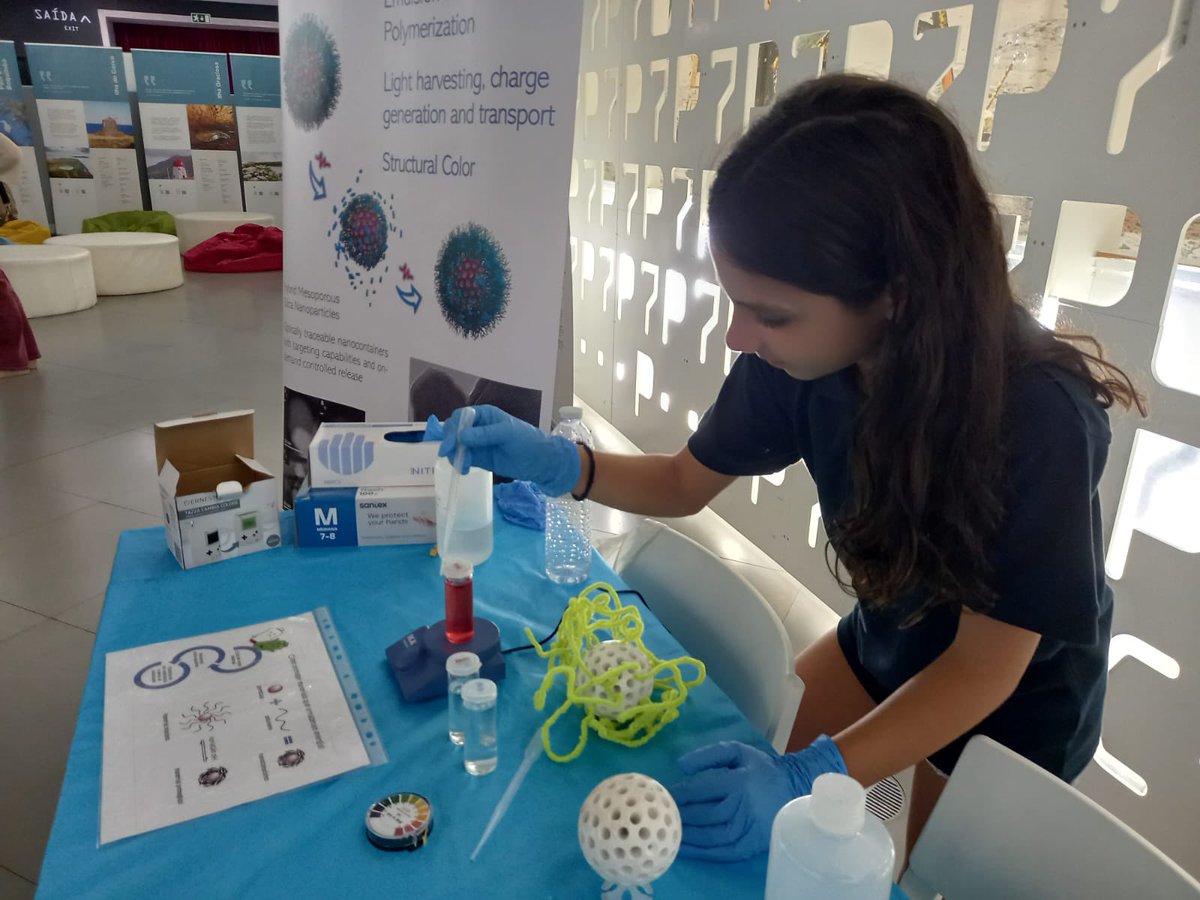
A "burning bush" produces volatile oils which can catch fire readily in hot weather.
This experiment shows the flammability of these oils.
https://t.co/hBKDx1Cu65
Yesterday at the inauguration of our new lab at Centro de Química Estrutural (CQE), Instituto Superior Técnico, University of Lisbon. We are now ready to host more curious and creative young researchers to help us develop innovative functional materials.
The brand new labs of @OM2_IST ready to host curious and creative young researchers to develop the novel functional materials of the future!
We thank the support of @istecnico and @cqe_lisboa in the long way to get here.
Let's get to work!
🎉 Don't miss out on the excitement! 🎉 #NanoSeries2024 invites you to our plenary and keynote sessions where innovation meets discovery in the world of nanotechnology! Early bird registration closes on Feb 16th. Secure your spot today! 🚀🔬✨🌐visit: https://t.co/Lsa7Q2BngL 🌟
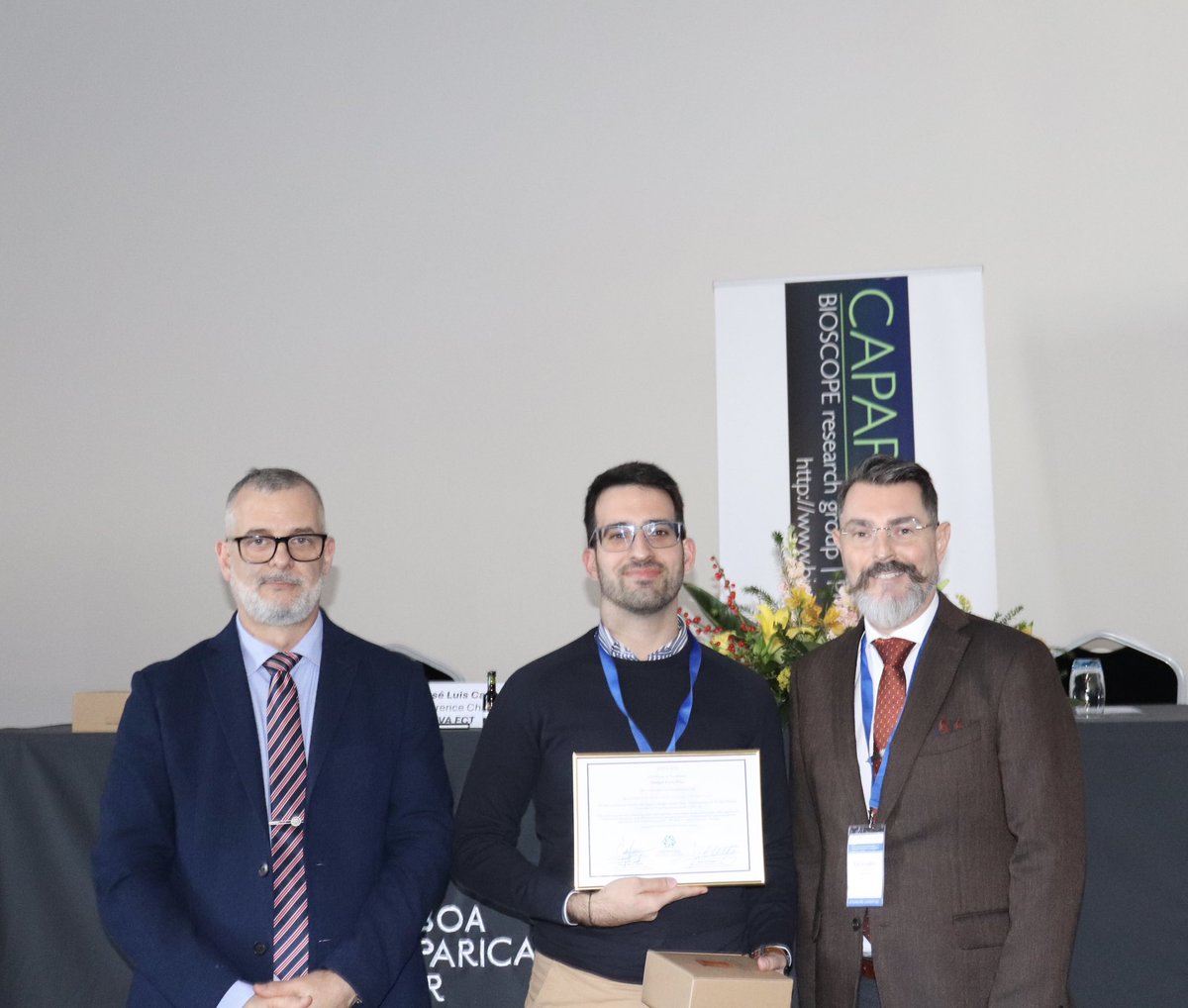
Pedro Rosa, PhD student at @OM2_IST, was awarded with the Certificate of Excellence Shotgun Poster Prize at the "VI International Caparica Symposium on Nanoparticles/Nanomaterials and Applications" which took place last week in Costa da Caparica, Portugal.
#TécnicoScientists
Last week I had the opportunity to share my work in the form of a Shotgun Presentation and Poster at the IV International Caparica Symposium on Nanoparticles/Nanomaterials and Applications organized by the BIOSCOPE group.
#ISN2A2024#bioscopegroup#proteomasss#laqv_requimte
The 2023 #NobelPrize in Chemistry rewards the discovery and development of quantum dots, nanoparticles so tiny that their size determines their properties.
These particles have unique properties and now spread their light from television screens and LED lamps. They catalyse chemical reactions and their clear light can illuminate tumour tissue for a surgeon.
Researchers have primarily utilised quantum dots to create coloured light. They believe that in the future quantum dots can contribute to flexible electronics, miniscule sensors, slimmer solar cells and perhaps encrypted quantum communication.
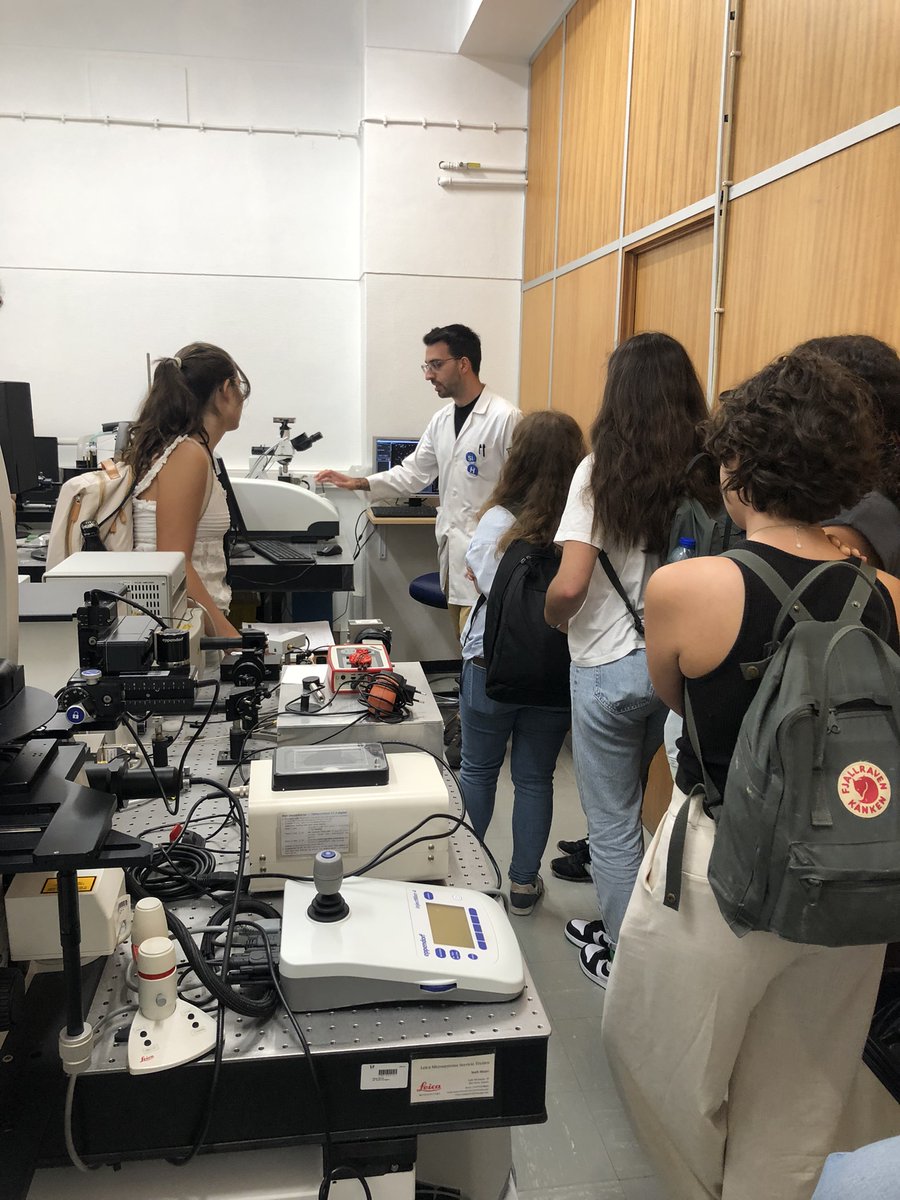
@Pedroasrosa_ and Sara, MSc and PhD students @istecnico@cqe_lisboa@om2_ist, explain to undergrads attending the @deqist summer internship how they use confocal fluorescence microscopy and light scattering to study the materials they produce.