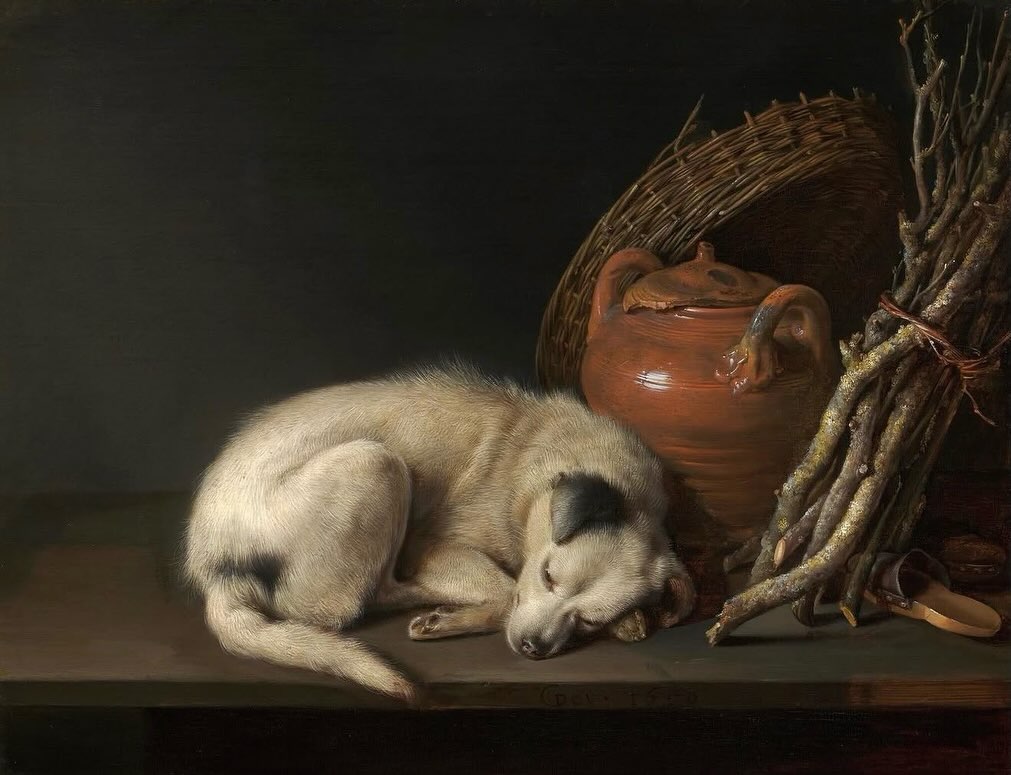
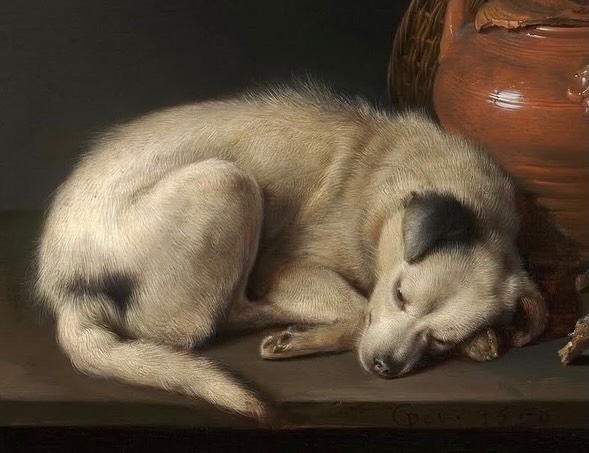
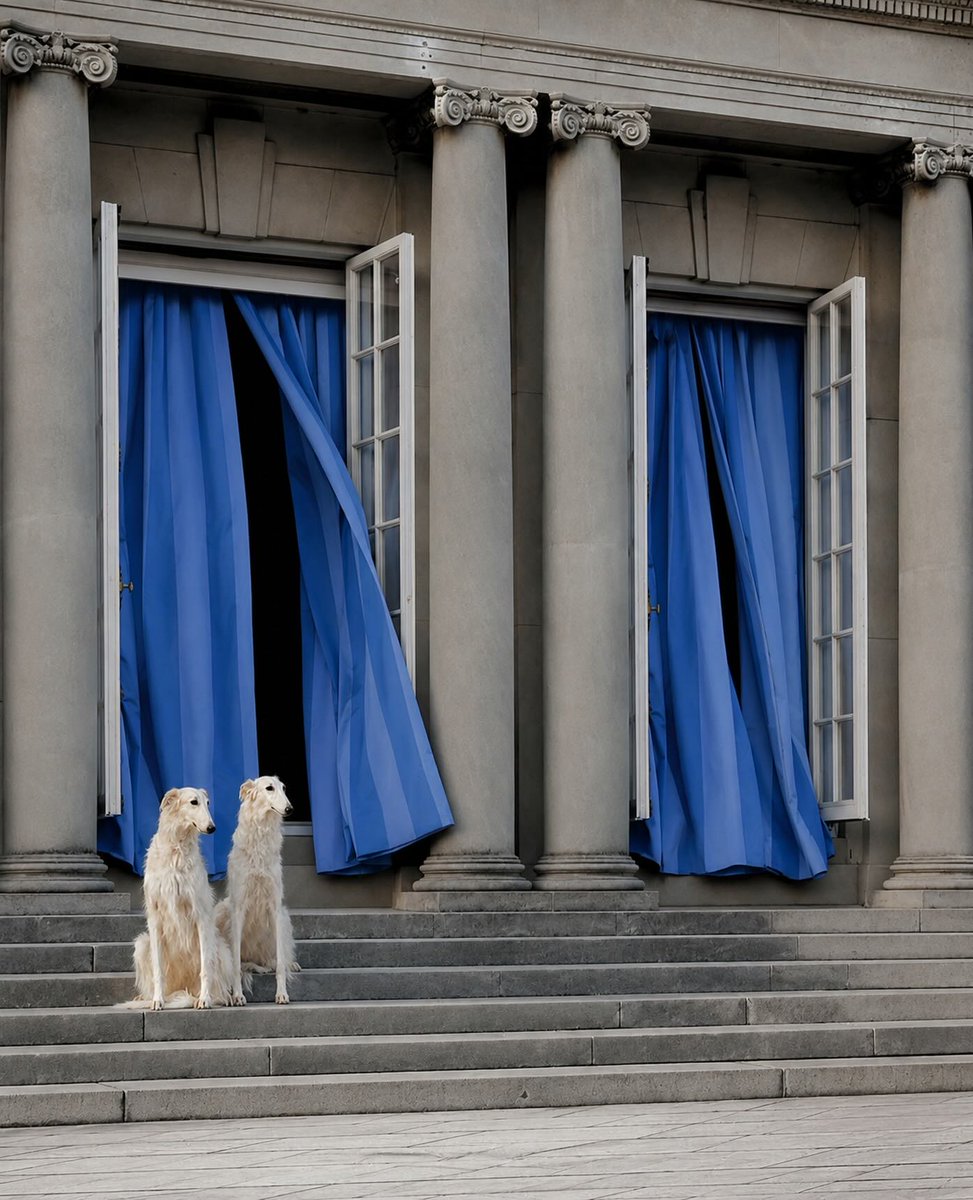
Nothing stirs strong emotions like a dog. Around 1650, Gerrit Dou painted this sleeping dog. Nothing is happening—and that may be why it is so irresistible. Curled up against firewood, a basket, and a terracotta pot, it simply trusts. Nearly four
@_angerguy Because both feet are at nearly the same electrical potential, so little current flows through their bodies—unless they touch another wire or the ground simultaneously
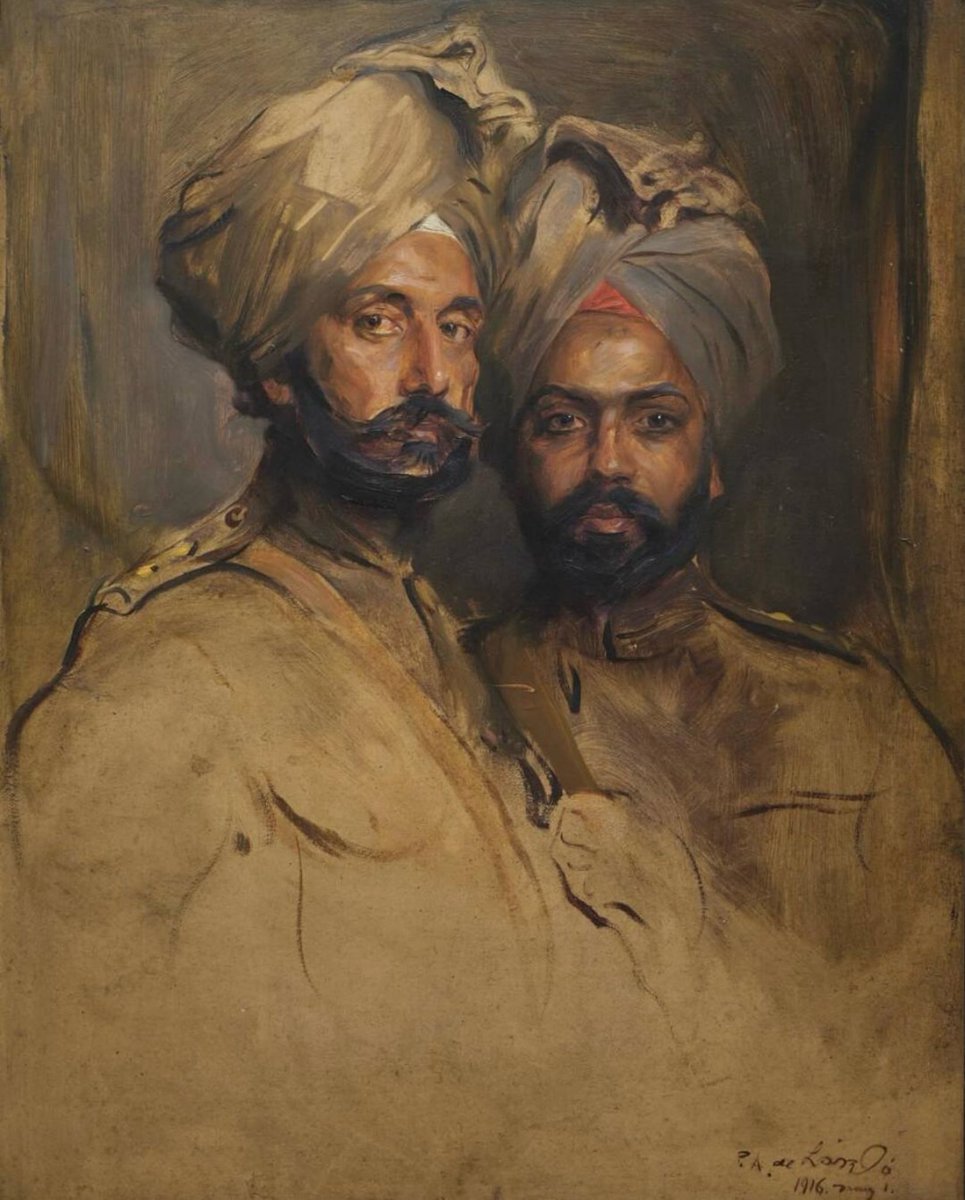
Em 1916, Philip de László pintou dois oficiais Sikh, Jagat Singh e Man Singh, sem encomenda. Os rostos e turbantes surgem plenamente definidos, enquanto os uniformes se dissolvem em pinceladas. O retrato permaneceu no seu atelier até à morte do
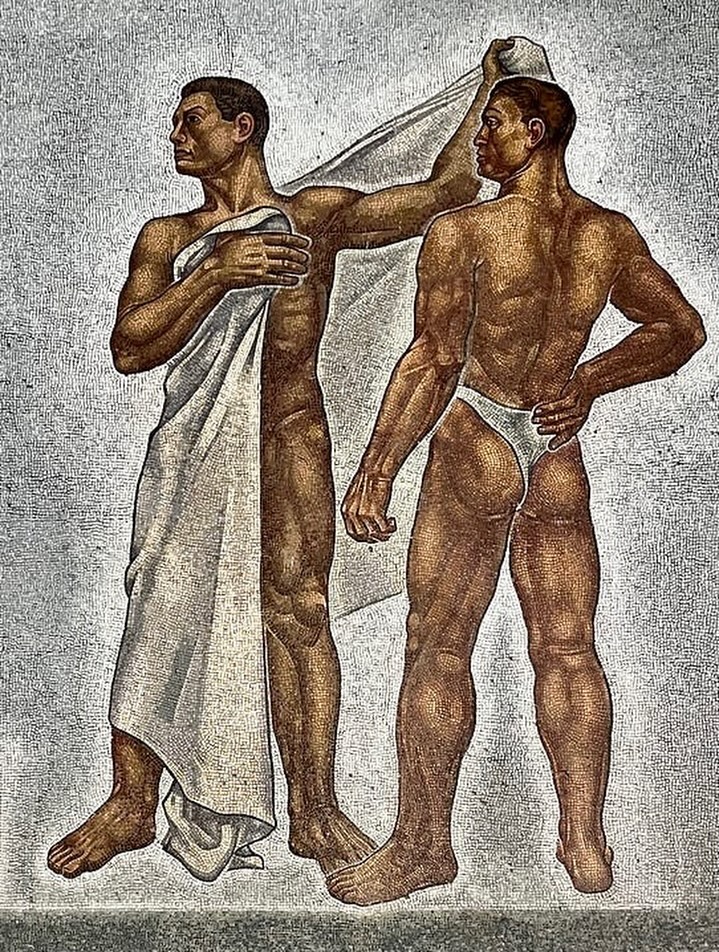
In 1936, John Teyral painted a Black man not as a servant, laborer, or exotic figure, but as a commanding physical presence. By withholding his face, Teyral erases identity while amplifying the body’s monumental beauty.
As árvores parecem fechar-se sobre o observador. Em Árvores Velhas (2019), Vlad Miroshnikov transforma a paisagem numa presença física, com troncos monumentais e ramos entrelaçados contra um céu quase branco.
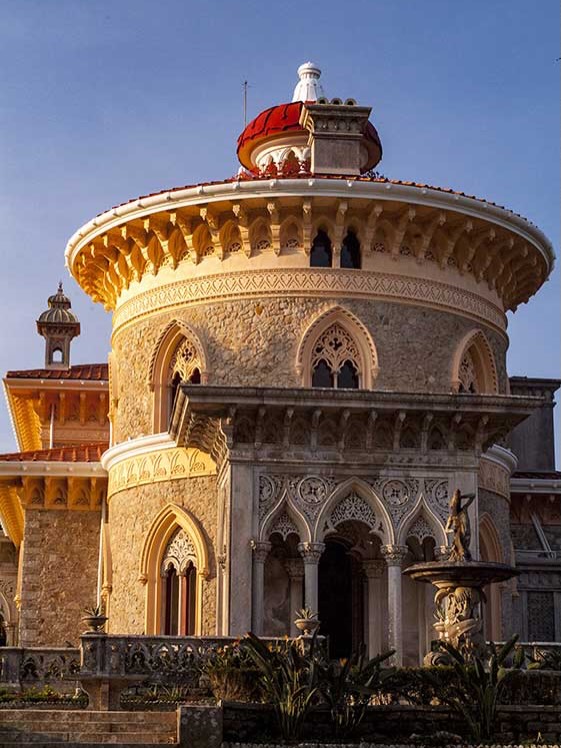
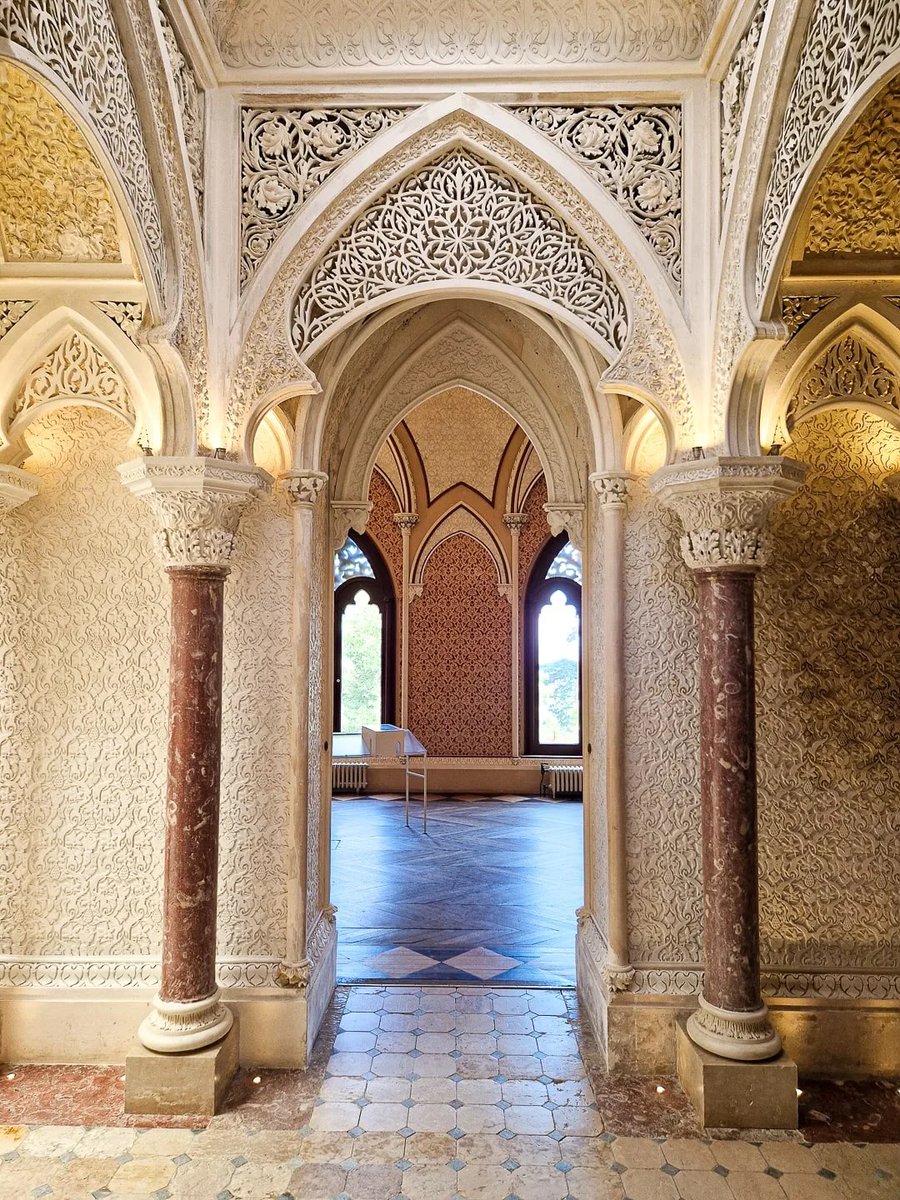
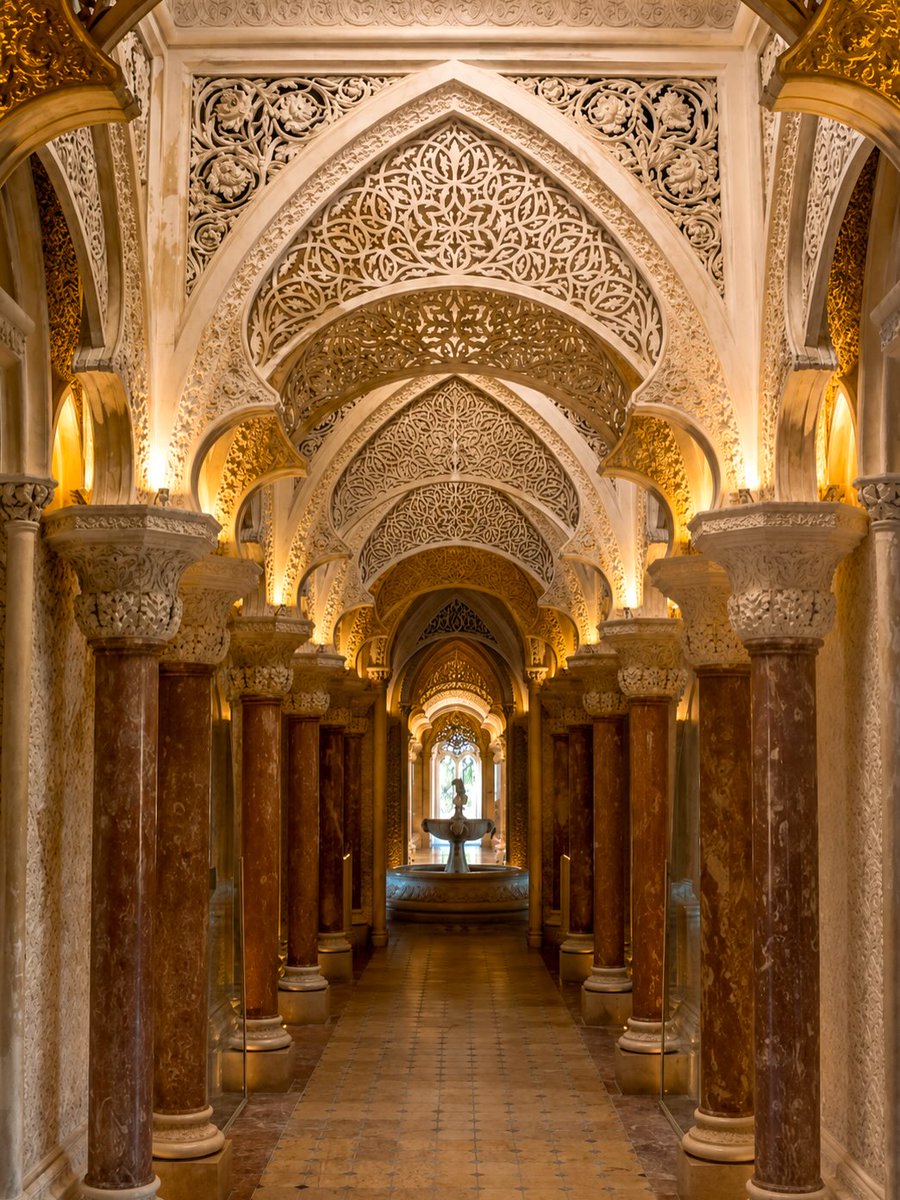
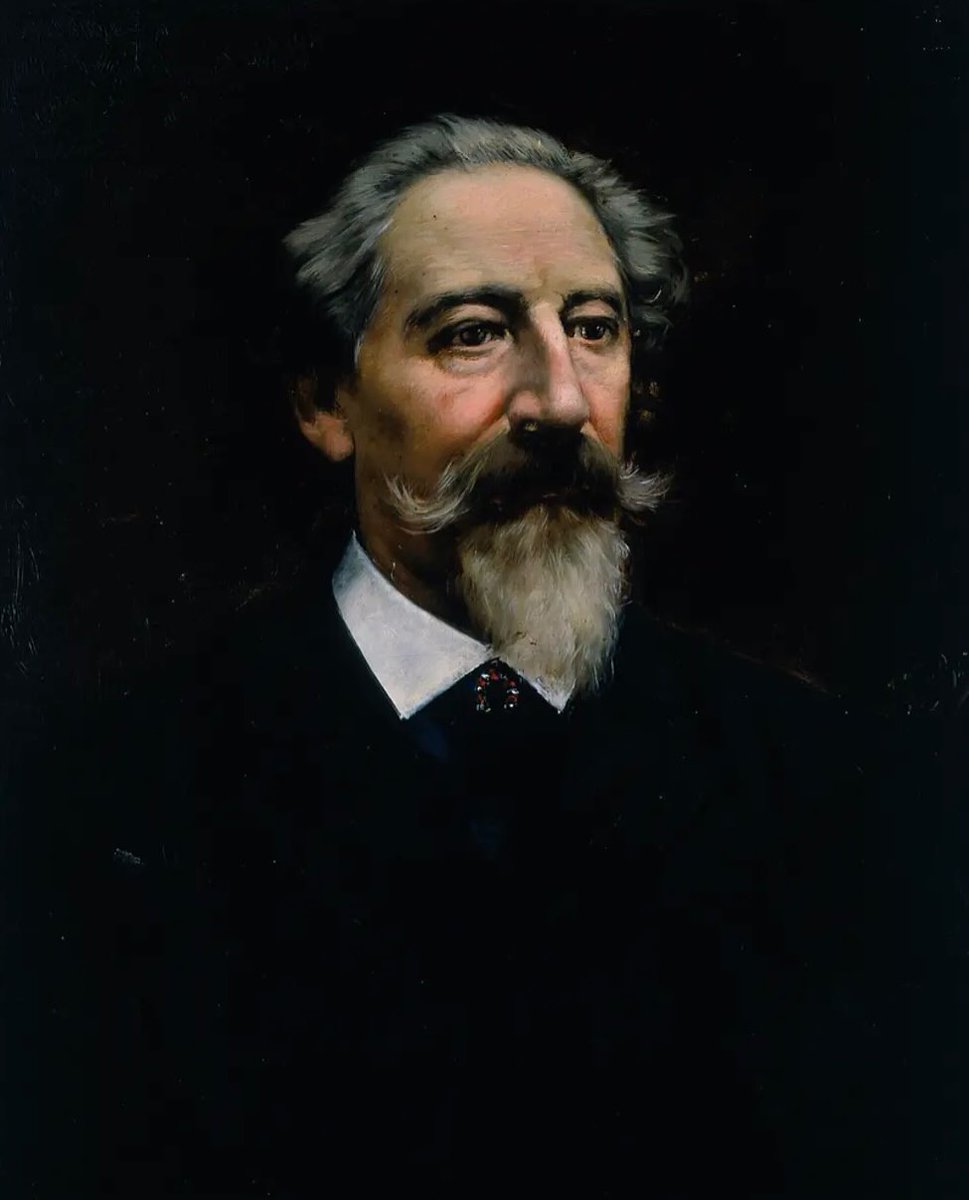
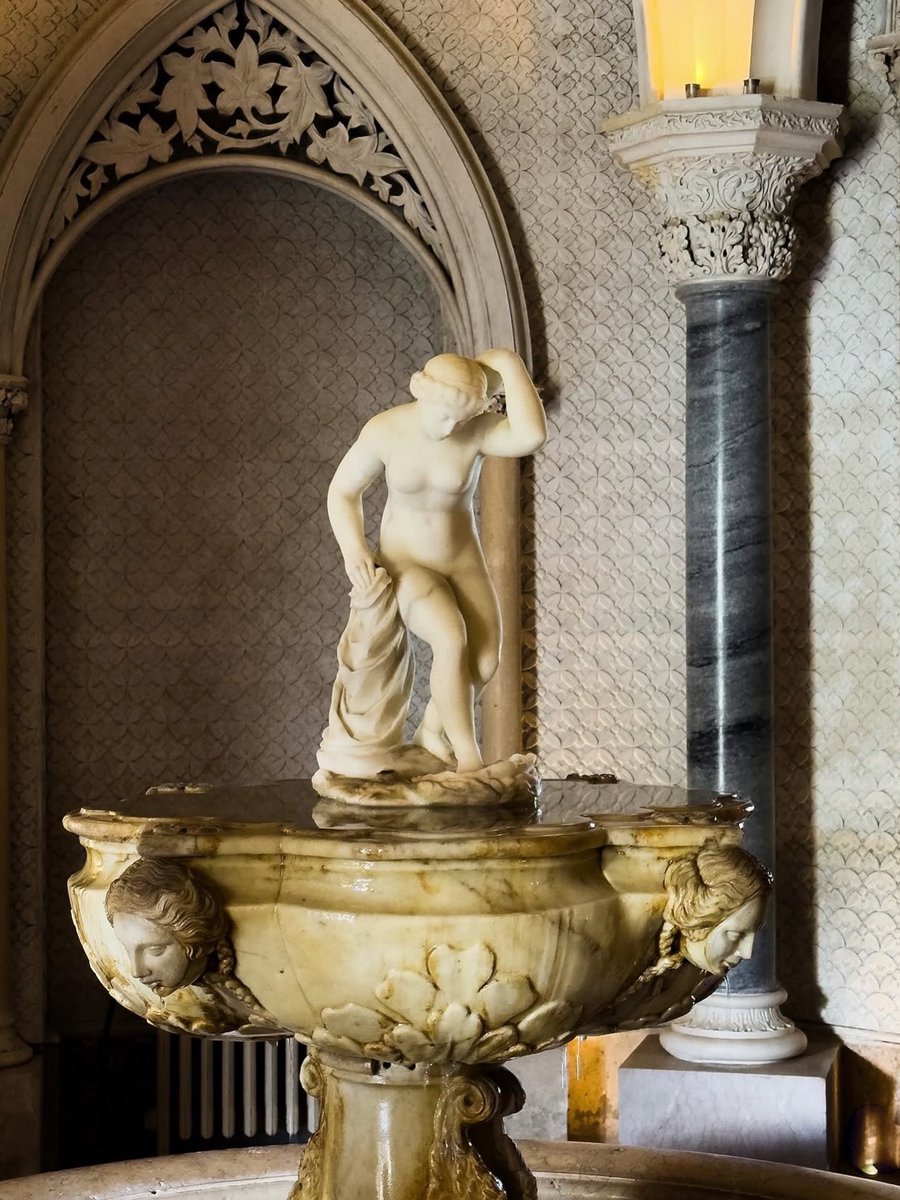
Monserrate incorporates genuine Indian elements: 19th-century marble jalis from the Jaipur region, used as screens in the western atrium and along the central tower’s first-floor balustrade. In 1856, Sir Francis Cook transformed the estate into a
At the Chalet of the Countess of Edla, even cork becomes luxurious. Cork and wood create an intricate geometric ceiling of stars, circles, arabesques, and botanical motifs. Ferdinand II and Elise Hensler transformed this humble Portuguese material