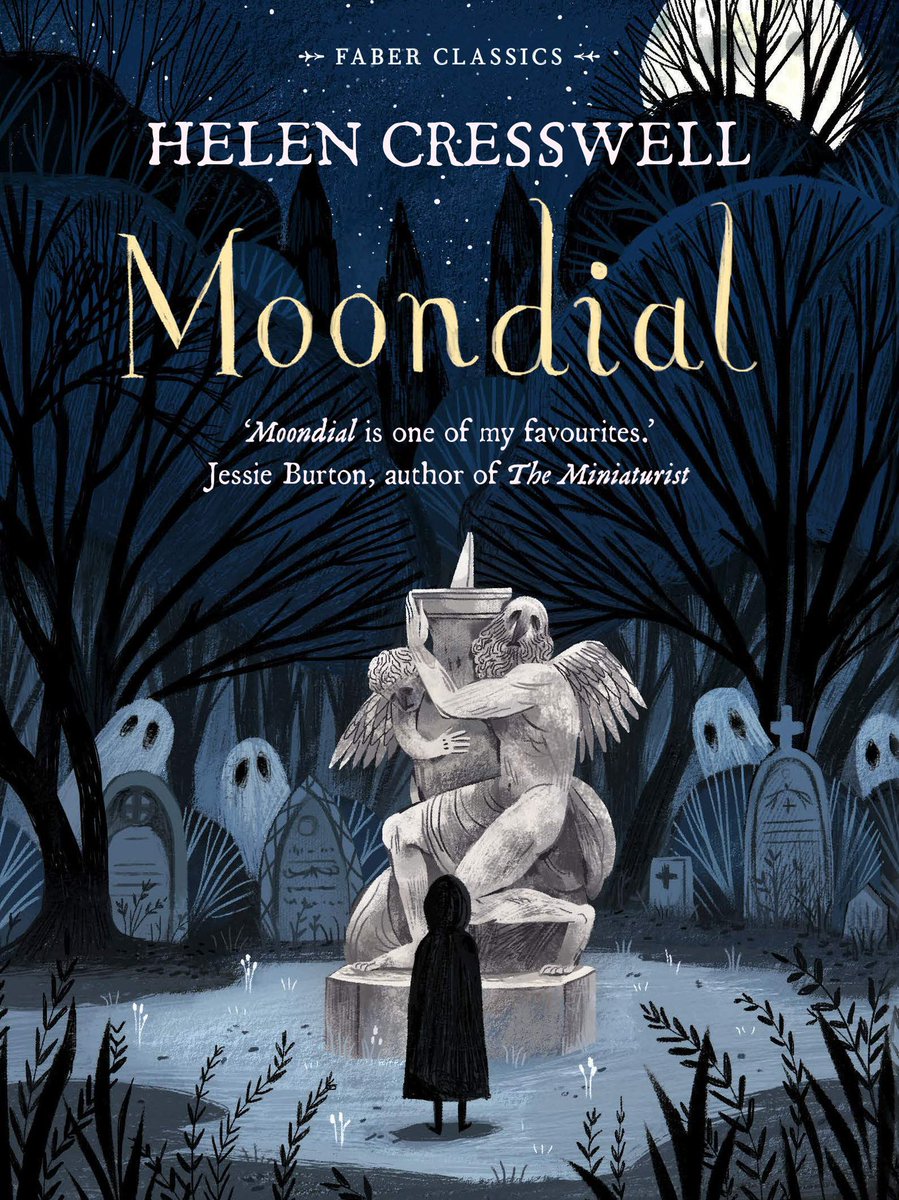
MOONDIAL (1988): The BBC's classic adaptation of Helen Cresswell's eerie ghost/time slip YA novel. Features Jaqueline (Blake's 7) Pearce in magnificent form as evil guardian Miss Vole.
@AvonandsomerRob Schofield only resigned when it came out in the MSM. If he was so remorseful, why didn't he resign 3 years prior, when everyone was talking about it on Twitter, or better still, when it was actually happening?
This, ladies and gentlemen, is the story that should be leading the news. And which the police should be involved in. An attempted cover up of woeful decisions that helped contribute to loss of life. And the media in the main couldn’t give a toss. Because Huw Edwards. Ffs
The Sun, a "newspaper" that printed photos of 16 yr old schoolgirls in their underpants for decades, hounded Caroline Flack to her death, made up lies about Hillsborough victims and hacked people's phones now presents itself as the moral guardian of the nation
#dontbuythesun
In a statement released to the PA news agency, Vicky Flind, the wife of BBC news reader Huw Edwards said: "In light of the recent reporting regarding the 'BBC Presenter' I am making this statement on behalf of my husband Huw Edwards, after what have been five extremely difficult days for our family. I am doing this primarily out of concern for his mental well-being and to protect our children.
"Huw is suffering from serious mental health issues. As is well documented, he has been treated for severe depression in recent years.
"The events of the last few days have greatly worsened matters, he has suffered another serious episode and is now receiving in-patient hospital care where he'll stay for the foreseeable future.
"Once well enough to do so, he intends to respond to the stories that have been published.
"To be clear Huw was first told that there were allegations being made against him last Thursday.
"In the circumstances and given Huw's condition I would like to ask that the privacy of my family and everyone else caught up in these upsetting events is respected. I know that Huw is deeply sorry that so many colleagues have been impacted by the recent media speculation. We hope this statement will bring that to an end." 121802 JUL 23
Christopher Robin had made a long table and they all sat round it. All Rabbit’s friends-and-relations spread themselves about on the grass, and waited hopefully in case anybody spoke to them, or dropped anything, or asked them the time. ~A.A.Milne #tuesdaymotivations#leftovers
In a remarkable twist of fate, a group of divers recently stumbled upon an extraordinary archeological discovery hidden beneath the serene waters of Lake Lucerne in Switzerland. The accidental unearthing of a 3,000-year-old sunken village has sent shockwaves through the historical community and has provided a profound insight into the region's ancient past.
Diving deep into the depths of Lake Lucerne, archeologists found themselves immersed in a world frozen in time. Beneath a thick layer of sediment and mud, they unearthed remnants of a bygone era. Shards of pottery, reminiscent of an intricate civilization, painted a vivid picture of a flourishing society that once thrived in this picturesque region.
At the heart of this submerged village lay the remains of wooden pilings, a poignant reminder of the homes that once stood tall upon them. These wooden structures, now preserved by the lake's protective embrace, served as the foundations for houses that were inhabited over three millennia ago. It is believed that these dwellings were constructed during the Bronze Age, a period that spanned from around 3300 to 1200 BCE.
The discovery of this sunken village has rewritten the history of Lake Lucerne and its surroundings. Until now, it was widely believed that the region was sparsely populated during ancient times, with little evidence of significant settlements. However, the find demonstrates that a vibrant community existed here long before modern civilization took root.
This revelation has opened up a wealth of questions for historians and archeologists alike. Who were the people that once called this submerged village their home? What was their way of life? What led to the eventual submergence of the settlement? These inquiries may offer valuable insights into the societal dynamics and environmental changes that shaped the region during the Bronze Age.
The implications of this discovery extend far beyond the confines of Lake Lucerne. It adds another puzzle piece to the larger tapestry of human history, offering a glimpse into the lives of our ancient ancestors. The artifacts recovered from the sunken village provide a tangible link to the past, allowing us to gain a deeper understanding of our shared heritage.
The underwater archeologists responsible for this remarkable find are working meticulously to piece together the fragments of the past. They carefully document and analyze each artifact, employing cutting-edge techniques to ensure their preservation and to extract every morsel of information they hold. The diligent efforts of these experts will help unravel the mysteries of the submerged village and shed light on a previously unknown chapter of human civilization.
As news of the discovery spreads, researchers and historians from around the world are eagerly awaiting the revelations that will emerge from this extraordinary find. The submerged village in Lake Lucerne stands as a testament to the resilience of the human spirit and the inherent curiosity that drives us to uncover our past.
With every dive into the depths of Lake Lucerne, the secrets of this sunken village are slowly coming to the surface. As the story of this ancient community unfolds, it serves as a reminder that there are still hidden wonders waiting to be unearthed, even in the most unexpected places. The accidental discovery of this 3,000-year-old sunken village in Switzerland ignites our imagination and fuels our relentless pursuit of knowledge, inviting us to delve further into the annals of history and explore the vast depths of human civilization.