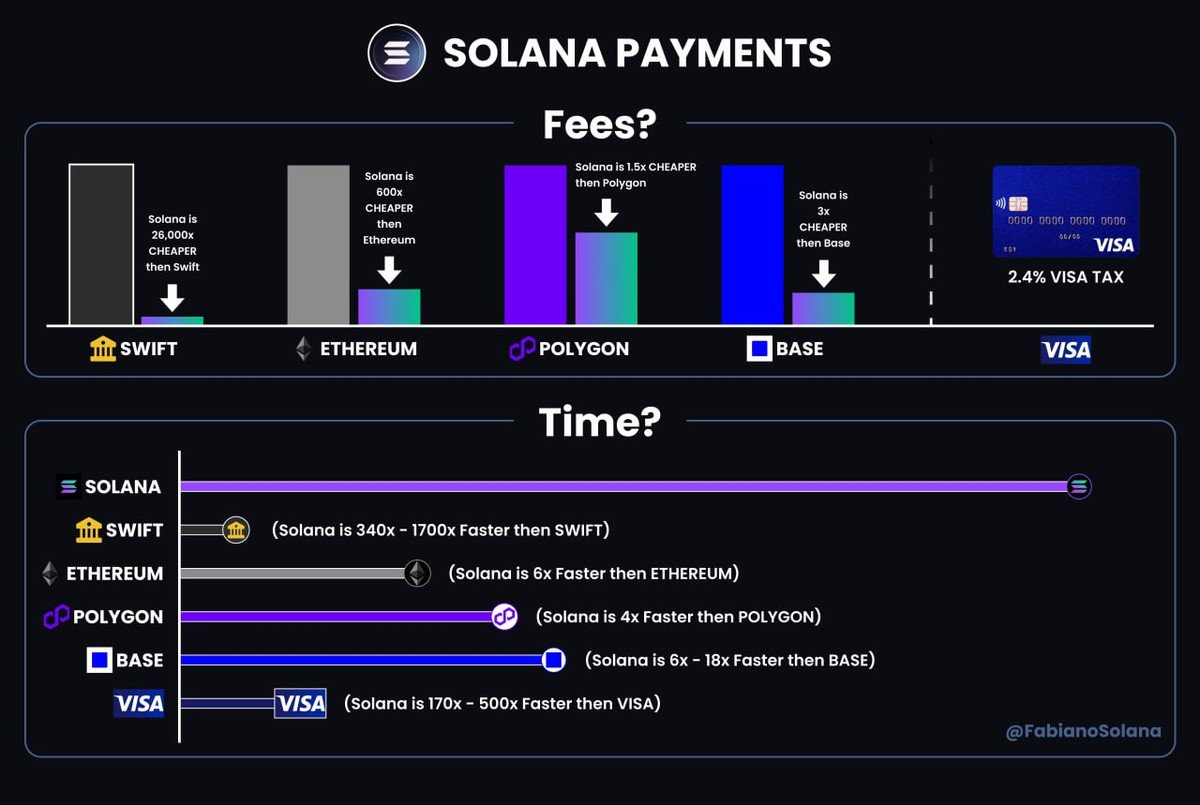
🚨Been on this $W airdrop since the early 2022! Made around a 5-10M volume through 2022 and 2023, with 2 wallets! 💸
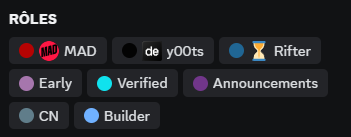
+ got almost every role in discord
Any guess on the fair value of my airdrop?😏
if you deposited into PRIME/PYUSD Multiply 3 months ago, you'd be up ~3% today.
that's 12% APY annualized.
how does intern know that?
because @kamino lets anyone backtest strategies across different dates and leverage levels in a few clicks.
this is how DeFi should work.
8% APY means nothing if your money disappears in 3 months.
so @kamino spends an insane amount of time on security, due diligence, and transparency.
compounding takes years.
the goal is to build something that lasts.
how to profit from crazy @kamino lending rates… beyond depositing stables?
high USDC utilization currently makes PRIME loops unprofitable.
> users are unwinding their positions
> which means they’re selling PRIME
now PRIME is mispriced by ~0.4%. (that's the starting point) ⤵️
what does it mean?
PRIME (by @HastraFi) is a yield-bearing token backed by real estate returns, currently earning around 7% APY.
its book value goes up every day, because the assets backing it keep generating yield.
> current PRIME book value: $1.0323
but PRIME also trades onchain, where price is driven by short-term supply and demand.
> current PRIME value on @Raydium: $1.0283
that's a 0.4% difference.
the thing is, @kamino lets you lever up PRIME to 8x exposure.
most users do it to farm the yield. but you could also use it to speculate on PRIME trading back toward book value once rates normalize.
last month, the same situation happened and PRIME bounced from $1.018 to $1.022 in 3 days.
at 8x leverage, that’s about a 3.1% return in 3 days. once borrow costs are included, that comes out to roughly 200% APR annualized.
is this risk-free?
definitely not. there’s a lot to consider:
- if the trade takes time, borrow interest keeps building and can wipe out the return
- PRIME book value can fall if the underlying assets take losses (never happened so far tho)
- PRIME can keep dropping onchain before it moves back to book value
- and like any leveraged defi trade, there’s still smart contract, oracle, and liquidation risk.
below is a detailed case study of trader 5CHRs who executed this exact same strategy in early march.
and if you don’t want to overthink it, just lend USDC and collect the higher rates :)
if intern had to manage his family’s savings on @kamino, the full setup would look like this:
- 20%: ONyc/USDG Multiply (17% APY)
$ONYC is @onrefinance's yield-bearing token, backed by reinsurance premiums. it earns yield by absorbing losses from covered events.
-> Risks: if payouts are higher than expected, $ONYC can lose value.
note: ONyc Multiply is a one-click looping strategy that turns ONyc’s 10% base APY into up 17% APY at up to 2.4x leverage.
- 30%: PRIME/USDC Multiply (15% APY)
$PRIME (by @HastraFi) is a yield-bearing token backed by real estate credit. it earns yield by funding regulated lenders that issue loans to homeowners, before those loans are later bundled and sold.
-> Risks: if something goes wrong with the lenders or the loans they issue, $PRIME can lose value.
note: PRIME Multiply is a one-click looping strategy that amplifies PRIME’s 8% base APY into up 15% APY with up to 8x leverage.
- 50%: @SentoraHQ-curated PYUSD lending vault (5% APY)
this is the defensive part of the setup. flexible stablecoin lending that still earns good yield, and is one of the least exposed vault to RWA markets.
the idea is to spread risk across different assets on @kamino.
-> Risk: if the assets backing loans drop too fast and aren’t liquidated in time, the vault can lose money.
total: 10.4% APY
half in medium-high risk stablecoin yield, half in safer yield. diversified across 3 different strategies on @kamino.
disclaimer: on top of the risks above, there are also risks tied to how the protocol works:
- operational risk (smart contracts, liquidations, oracles, etc)
- interest rate risk (if borrow costs go above the yield, multiply APY can turn negative)
here are some additionnal data related to these risks:
-> @kamino has some of the strongest security standards in solana defi, with its own oracle infrastructure, 18 audits, and more. (kamino[.]com/security)
-> over the last 3 months, both PRIME and ONyc Multiply have averaged above 15% APY at max leverage.
if you have any questions, intern will be happy to answer.
haven’t been hyped about anything in Solana DeFi for the last 6 months.
something caught my eye today.
they’re making illiquid RWAs semi-liquid.
you get the high RWA APY, with the option to exit anytime.
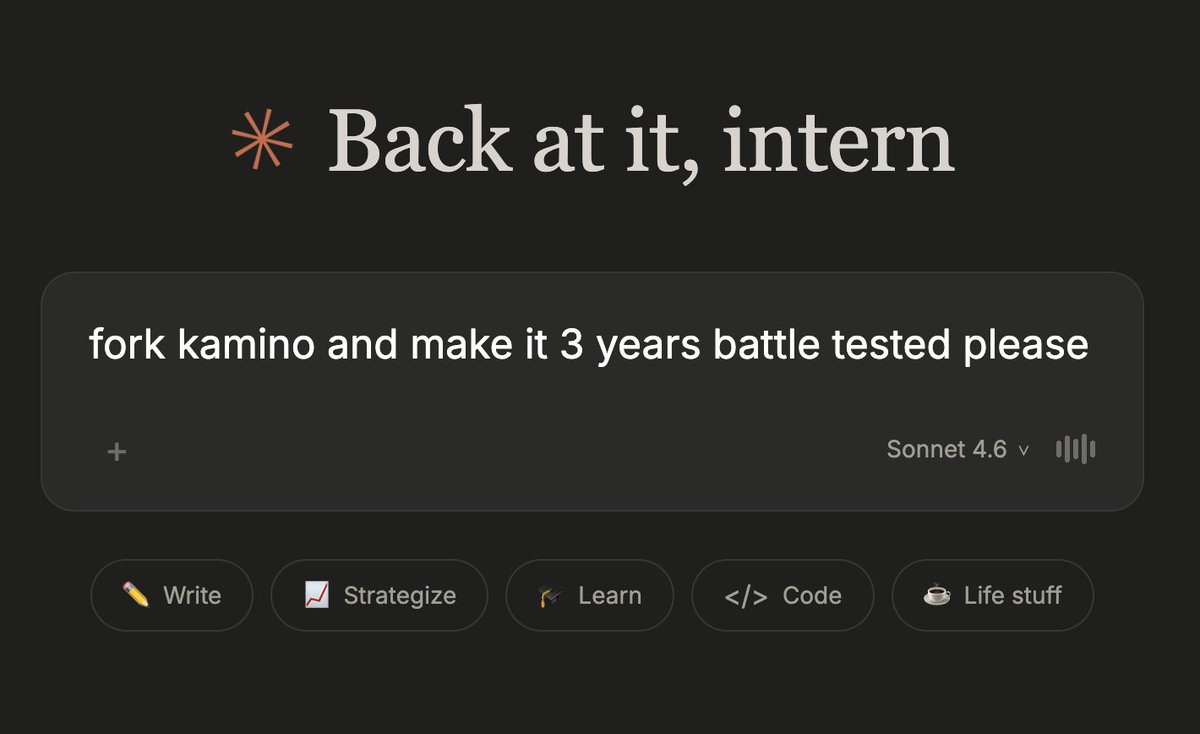
ai made building cheap.
anyone can ship. anyone can fork. anyone can slap a ui on top.
so when 10 new competitors can copy the main idea in a few weeks, the moat stops being the code and becomes the hard stuff.
and @kamino is good at the hard stuff.
not everyone can replicate this:
1) the highest security standards on @solana: 18 audits, 4 formal verifications, and an in house oracle stack built to resist manipulation.
2) our track record: @kamino has been live in production for 3 years without incident, no bad debt, no exploit, nothing.
3) our distribution across institutions and retail.
just use kamino.
@JupiterExchange once again breaking their promisses and simply changing the decisions from their hands to the "vote" in a misleading way
people want to stop team emissions, but they bundled that with Jupuary just so they can also get rid of the airdrop THEY PROMISSED US
WHERES MY RAINFI @jup_offerbook AIRDROP GODDAMIT
I GOT SHIT TO PAY, EXPECTATIONS AND PROMISSES WERE MADE, AINT NO WAY YALL CHANGING IT 2 WEEKS BEFORE THE AIRDROP, THATS BULLSHIT




![kaminointern's tweet photo. if intern had to manage his family’s savings on @kamino, the full setup would look like this:
- 20%: ONyc/USDG Multiply (17% APY)
$ONYC is @onrefinance's yield-bearing token, backed by reinsurance premiums. it earns yield by absorbing losses from covered events.
-> Risks: if payouts are higher than expected, $ONYC can lose value.
note: ONyc Multiply is a one-click looping strategy that turns ONyc’s 10% base APY into up 17% APY at up to 2.4x leverage.
- 30%: PRIME/USDC Multiply (15% APY)
$PRIME (by @HastraFi) is a yield-bearing token backed by real estate credit. it earns yield by funding regulated lenders that issue loans to homeowners, before those loans are later bundled and sold.
-> Risks: if something goes wrong with the lenders or the loans they issue, $PRIME can lose value.
note: PRIME Multiply is a one-click looping strategy that amplifies PRIME’s 8% base APY into up 15% APY with up to 8x leverage.
- 50%: @SentoraHQ-curated PYUSD lending vault (5% APY)
this is the defensive part of the setup. flexible stablecoin lending that still earns good yield, and is one of the least exposed vault to RWA markets.
the idea is to spread risk across different assets on @kamino.
-> Risk: if the assets backing loans drop too fast and aren’t liquidated in time, the vault can lose money.
total: 10.4% APY
half in medium-high risk stablecoin yield, half in safer yield. diversified across 3 different strategies on @kamino.
disclaimer: on top of the risks above, there are also risks tied to how the protocol works:
- operational risk (smart contracts, liquidations, oracles, etc)
- interest rate risk (if borrow costs go above the yield, multiply APY can turn negative)
here are some additionnal data related to these risks:
-> @kamino has some of the strongest security standards in solana defi, with its own oracle infrastructure, 18 audits, and more. (kamino[.]com/security)
-> over the last 3 months, both PRIME and ONyc Multiply have averaged above 15% APY at max leverage.
if you have any questions, intern will be happy to answer.](https://pbs.twimg.com/media/HD4IdWuWMAAIAfR.jpg)