70% of transformation efforts fail, and the root cause is rarely a flawed business case. It’s the human element: leaders who can’t detect resistance, misread silence as buy-in, or dismiss valid concerns as complaints. https://t.co/8ar8npNzrt
Before making a tough call, leaders need to recognize which context governs it—and tailor action accordingly. Here is a framework of five broad contexts, and how leaders can respond to them. https://t.co/kuLsJPo0pJ
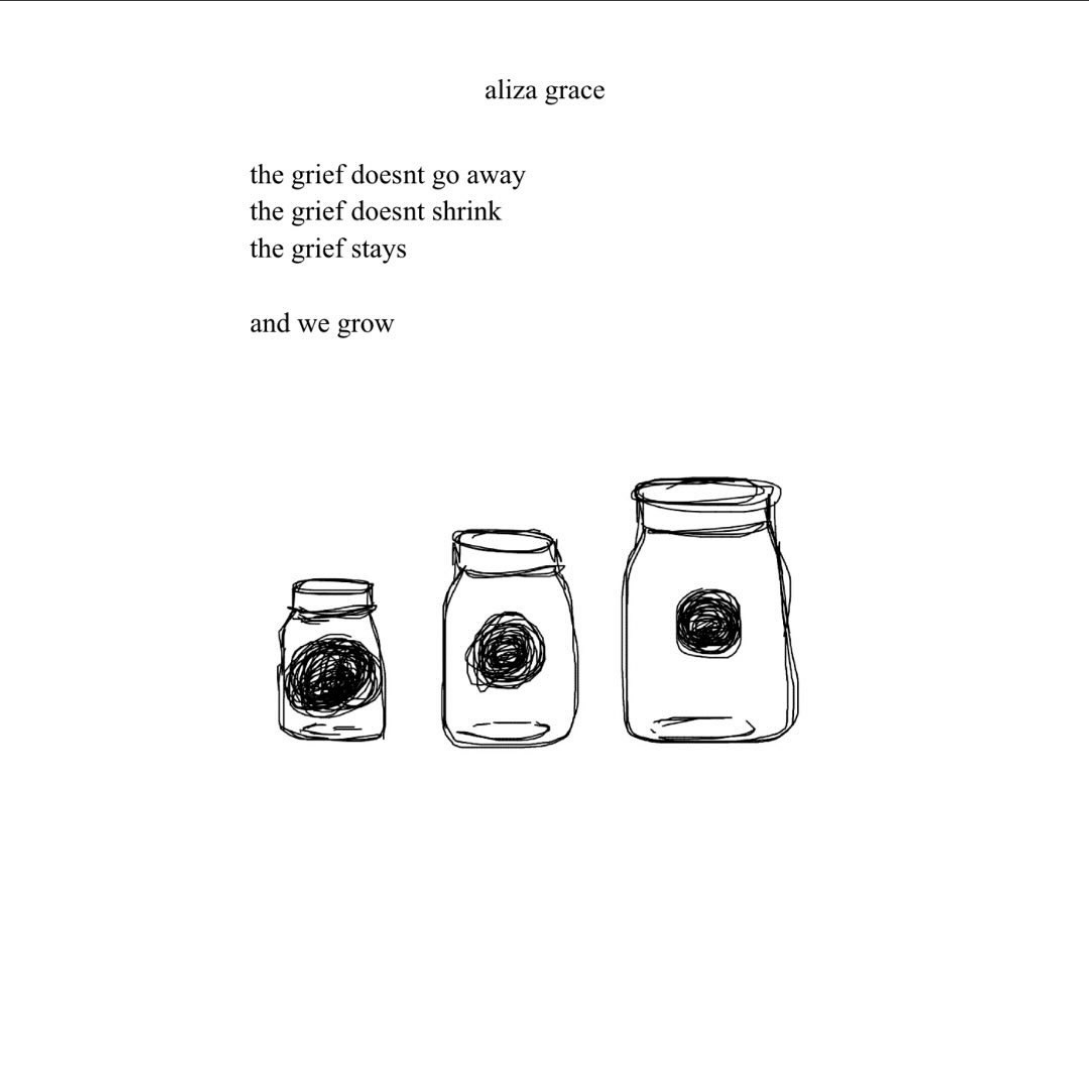
Closure is a myth. Grief doesn't evaporate—it waxes and wanes.
The purpose of grief is not to cause pain. It's to keep memories of loved ones alive and remind us to make the most of our time.
Moving forward after loss is not about erasing sorrow. It's about gaining perspective.
Twenty years from now, you will be more disappointed by the things that you didn't do than by the ones you did do.
So throw off the bowlines, sail away from safe harbor, catch the trade winds in your sails.
Explore. Dream. Discover. —Mark Twain
Everyone makes mistakes (we are all fallible), but not everyone is in a group where people feel comfortable speaking up about them. And it’s hard for teams to learn & perform well without #PsychologicalSafety
📕Quote from p16 in my book #RightKindOfWrong https://t.co/c3kDvN7iig
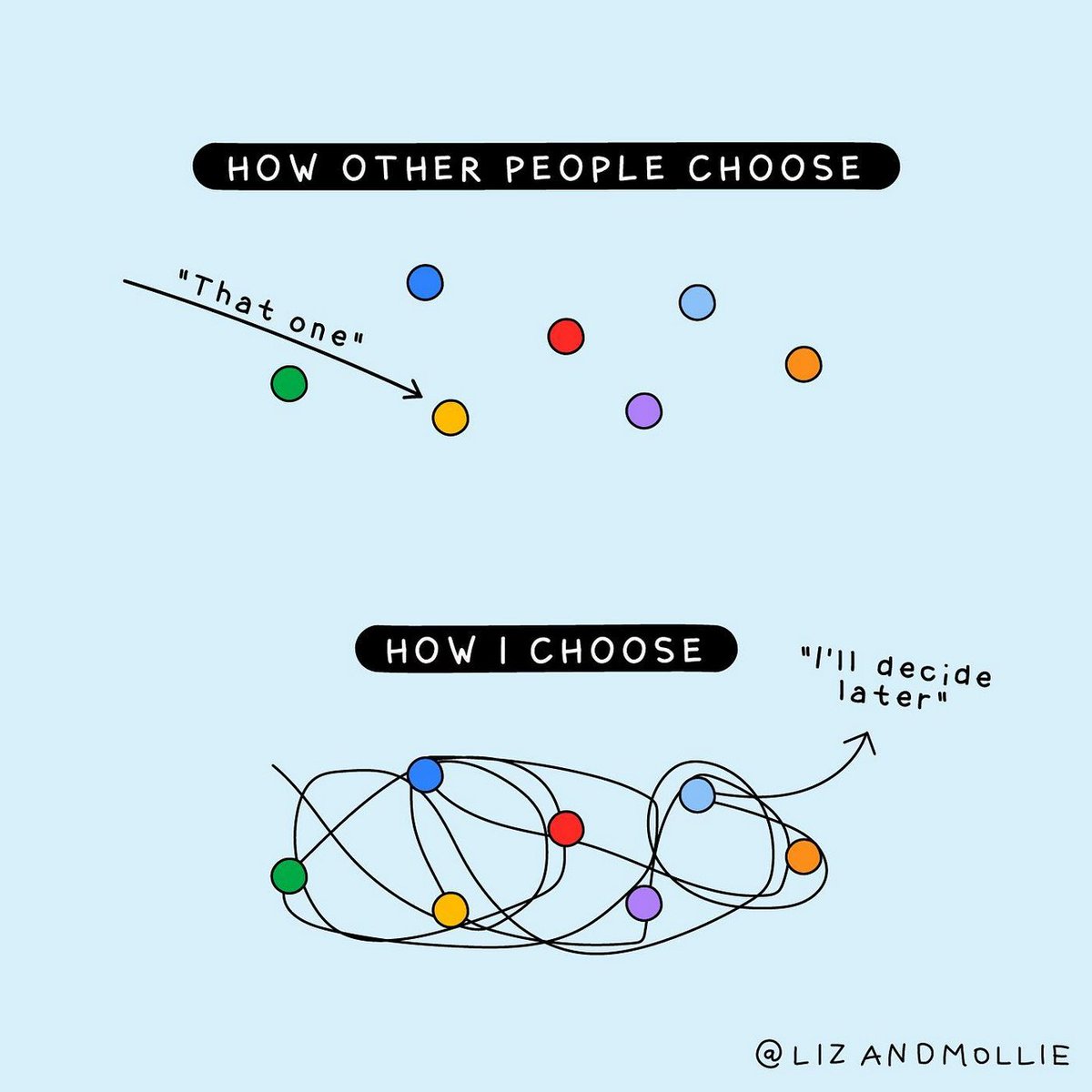
Postponing a choice rarely solves analysis paralysis. It often amplifies anxiety.
The antidote to chronic indecisiveness is not to gather more information. It's to clarify your values.
The goal is not to check every box. It's to find an option that meets your top priorities.
The attitude that helps most with intense stress is not mindfulness. It’s hope.
In hard times, it’s overwhelming to live only in the present. What brings strength is anticipating a brighter future.
Resilience lies in remembering that today's burdens may be lighter tomorrow.
Meetings shouldn’t always be run by the leader. They should be guided by the best facilitator.
Too many bosses silence the room. Skilled facilitators amplify dissenting views and quiet voices.
A key to curbing groupthink is preventing powerful people from dominating discussions.
The 8th habit of highly effective people:
They don’t spend all their time reading about the 7 habits of highly effective people.
Extended reflection without action is a form of procrastination.
Doing is a catalyst for thinking and learning.
Emotional intelligence isn't only about reading others' feelings. It’s also about revealing some of yours.
People with expressive faces are better liked—and better negotiators if they’re friendly.
Showing emotion is not a sign of weakness. It's a tool for communication and fuel for connection.
"A healthy failure culture rewards #IntelligentFailure. Without it, there can be no innovation. Without innovation, no organization can survive over the long term."
📕 Quotes from pg 290 in #RightKindOfWrong, my book on #FailingWell: https://t.co/c3kDvN7iig