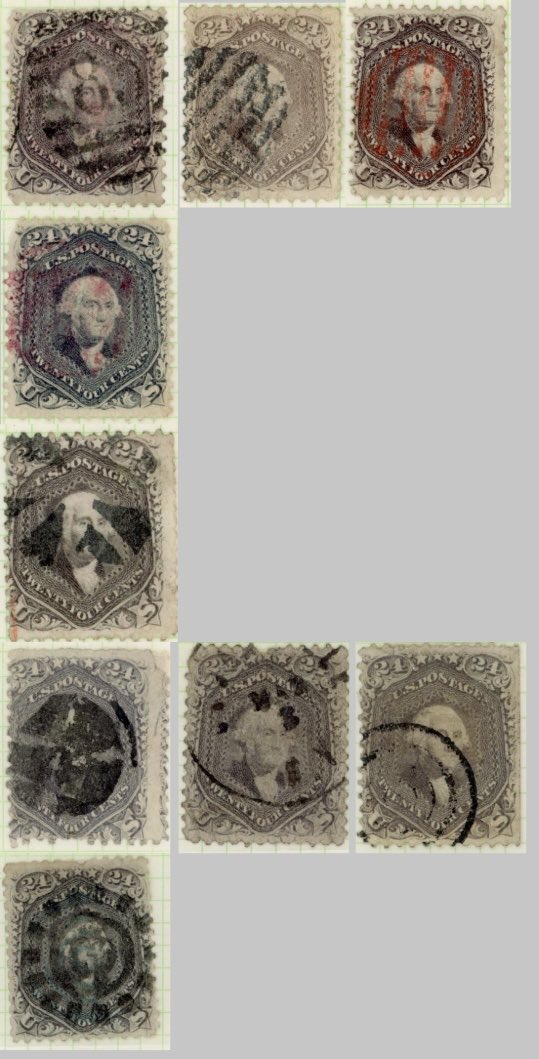
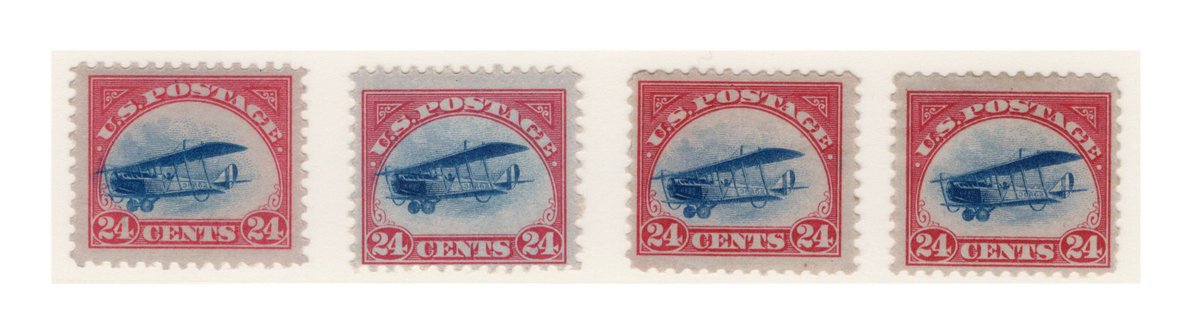
Here are some color varieties of the US 1861 24¢ stamp which was primarily used for payment of the postage from the US to the Great Britain. There are paper varieties in here as well.
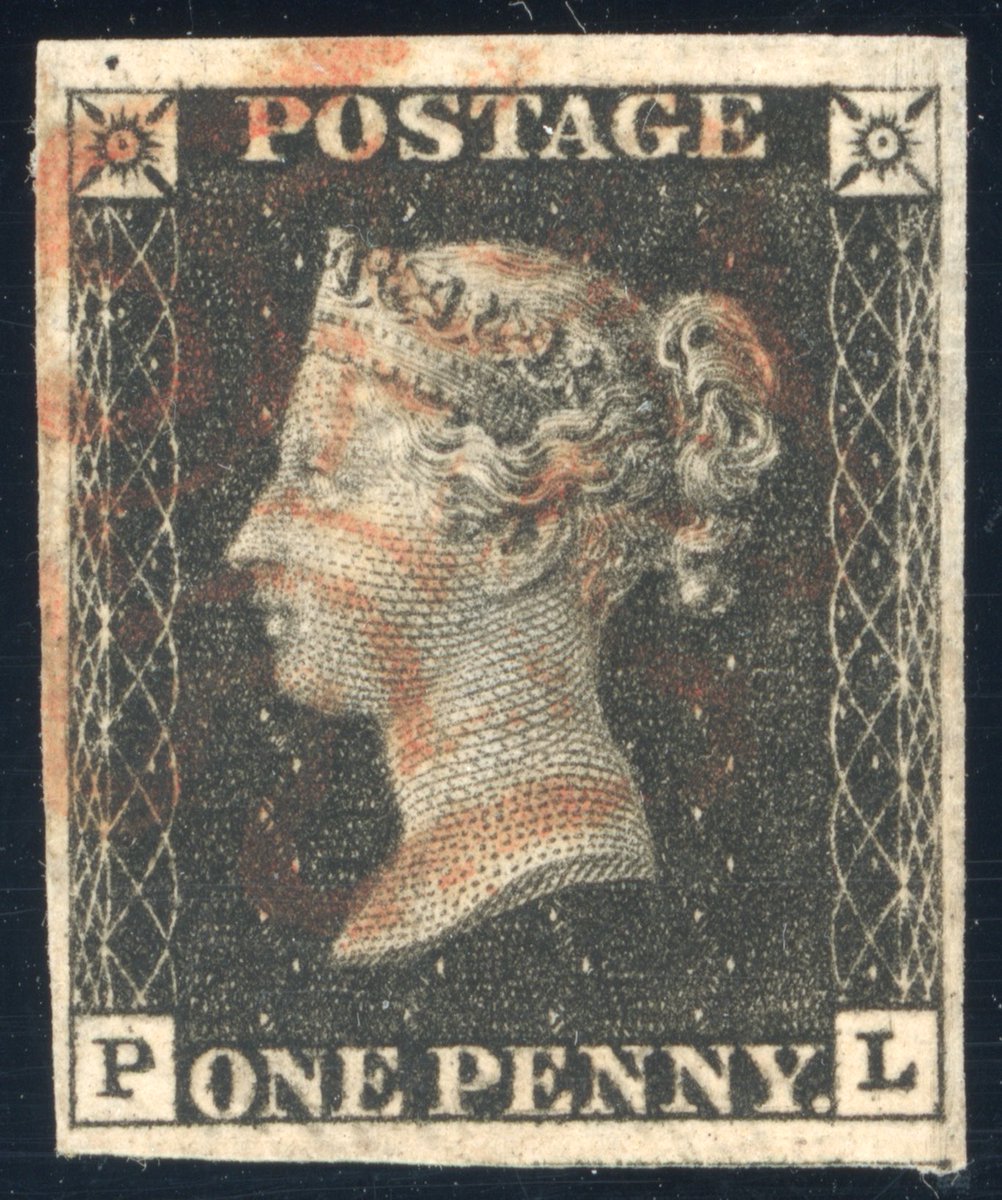
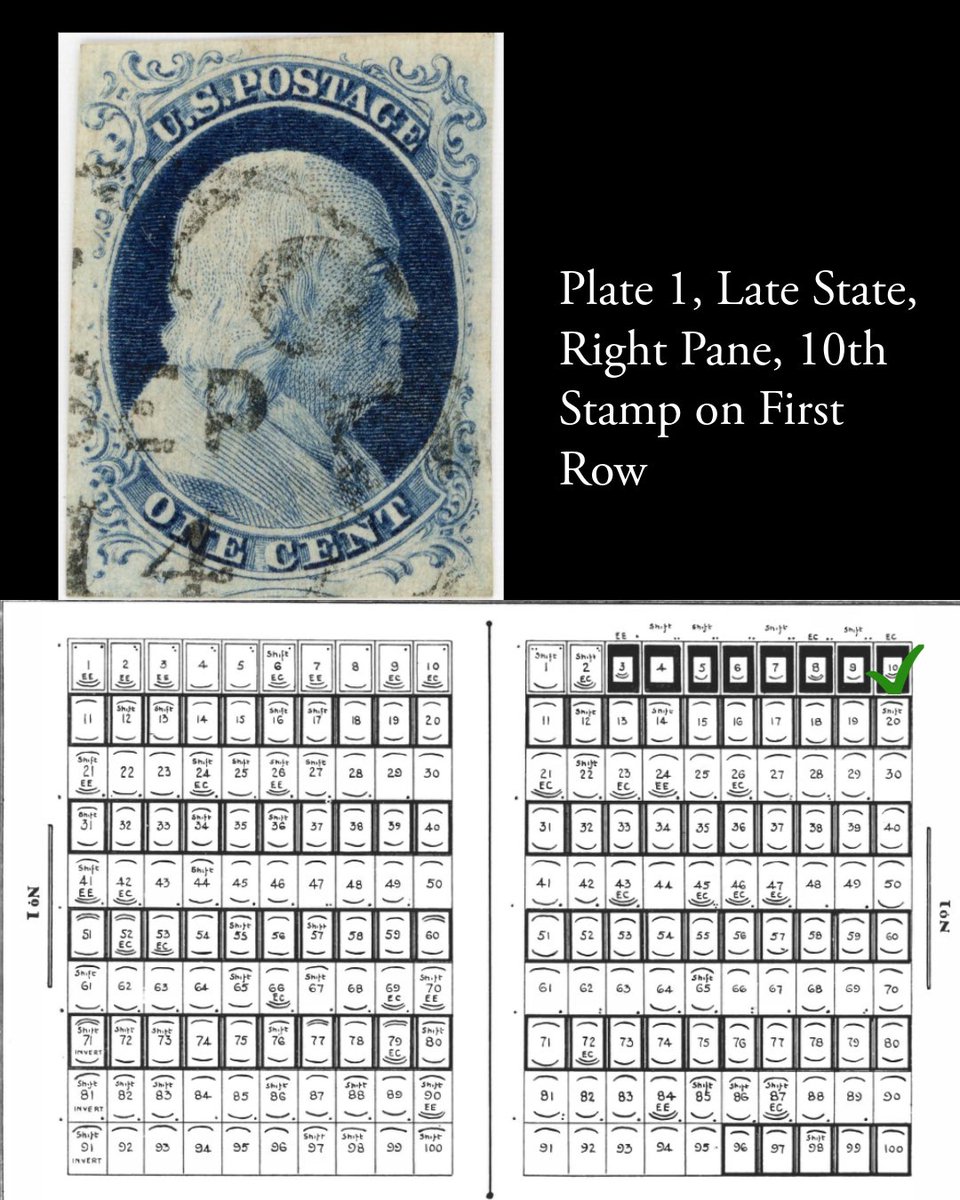
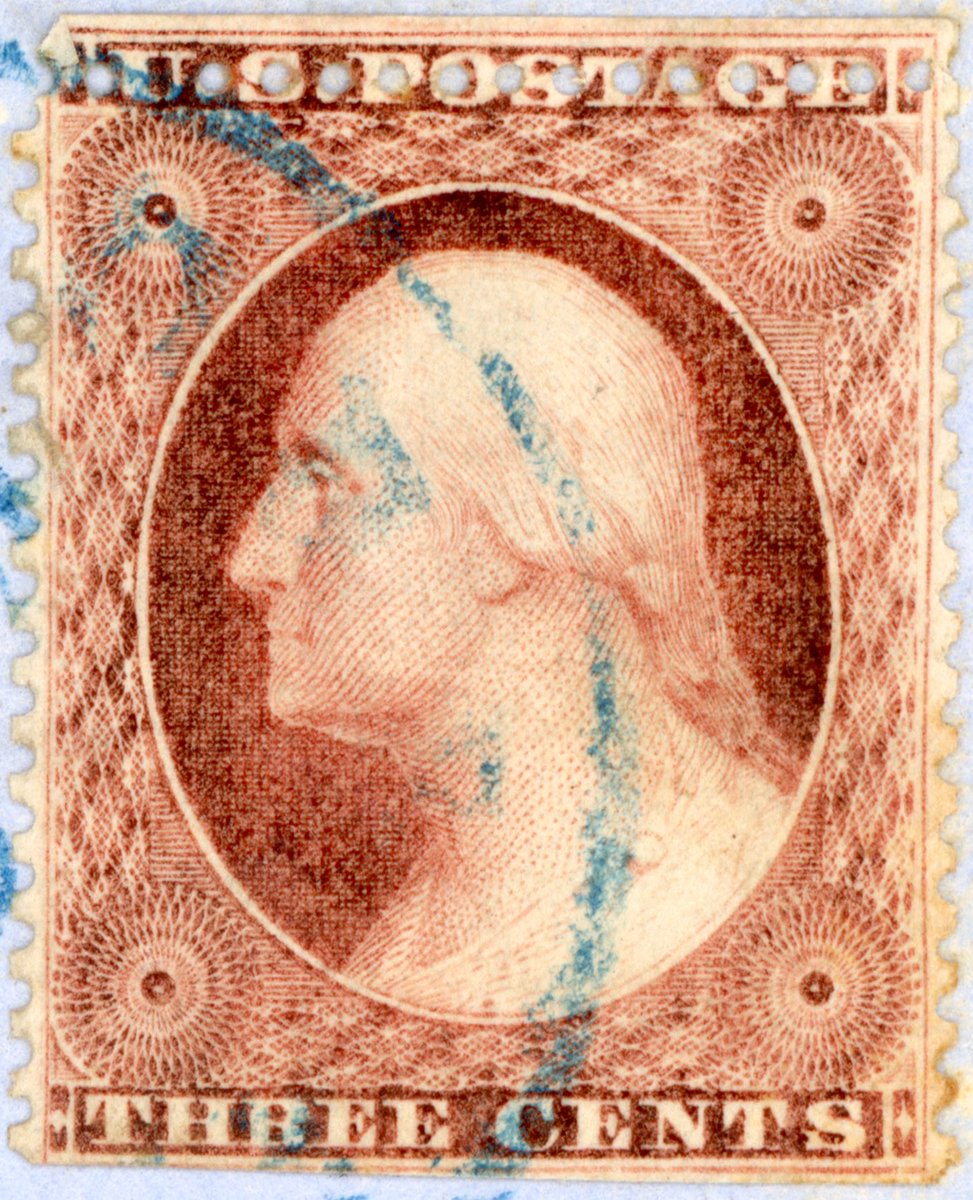
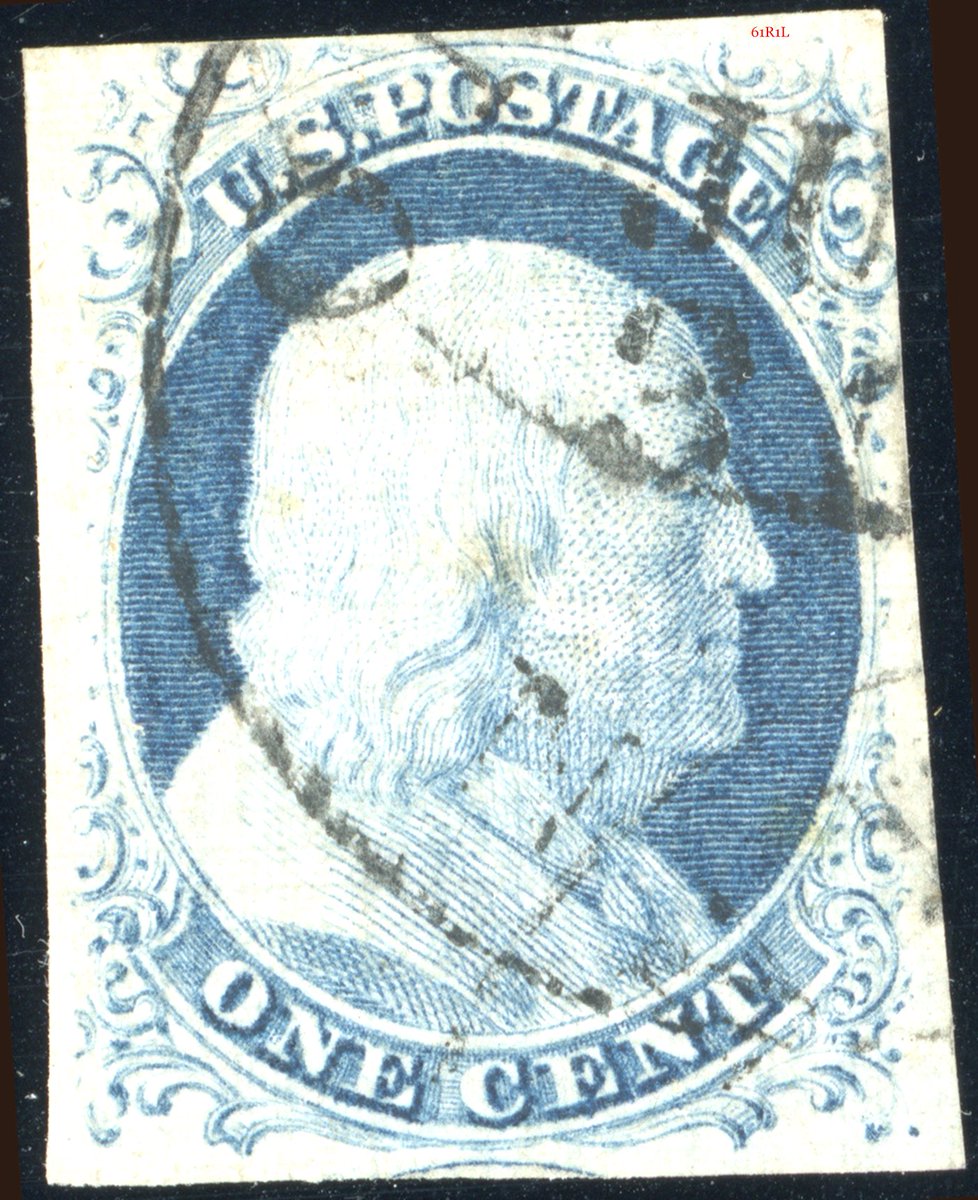
“Plating” is determining the plate and the location on the plate, from which the stamp was printed. You can’t do that with modern stamps, but early engraved stamps had minute differences at each location, which makes it possible to plate them. This is an example: (10)(R)(1L)
“Plating” is determining the plate and the location on the plate, from which the stamp was printed. You can’t do that with modern stamps, but early engraved stamps had minute differences at each location, which makes it possible to plate them. This is an example: (10)(R)(1L)
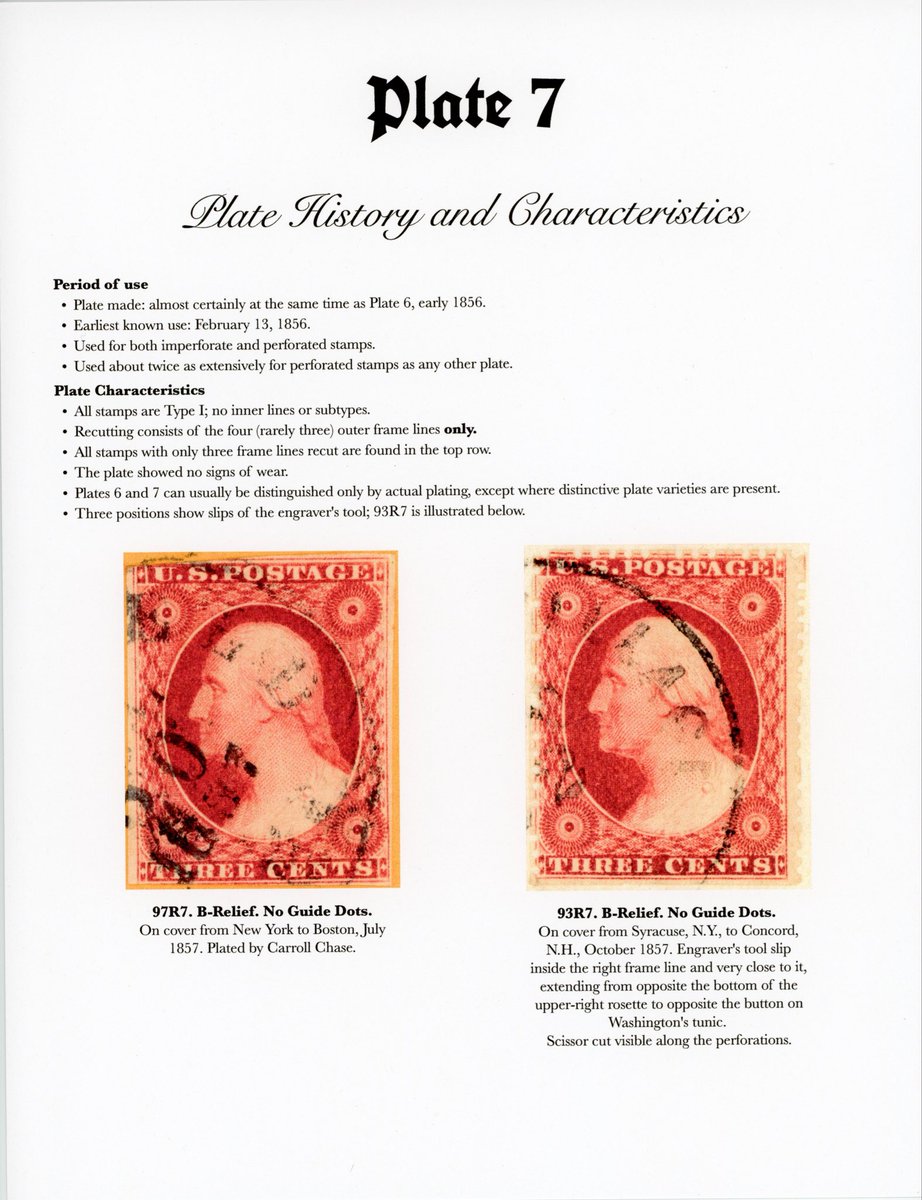
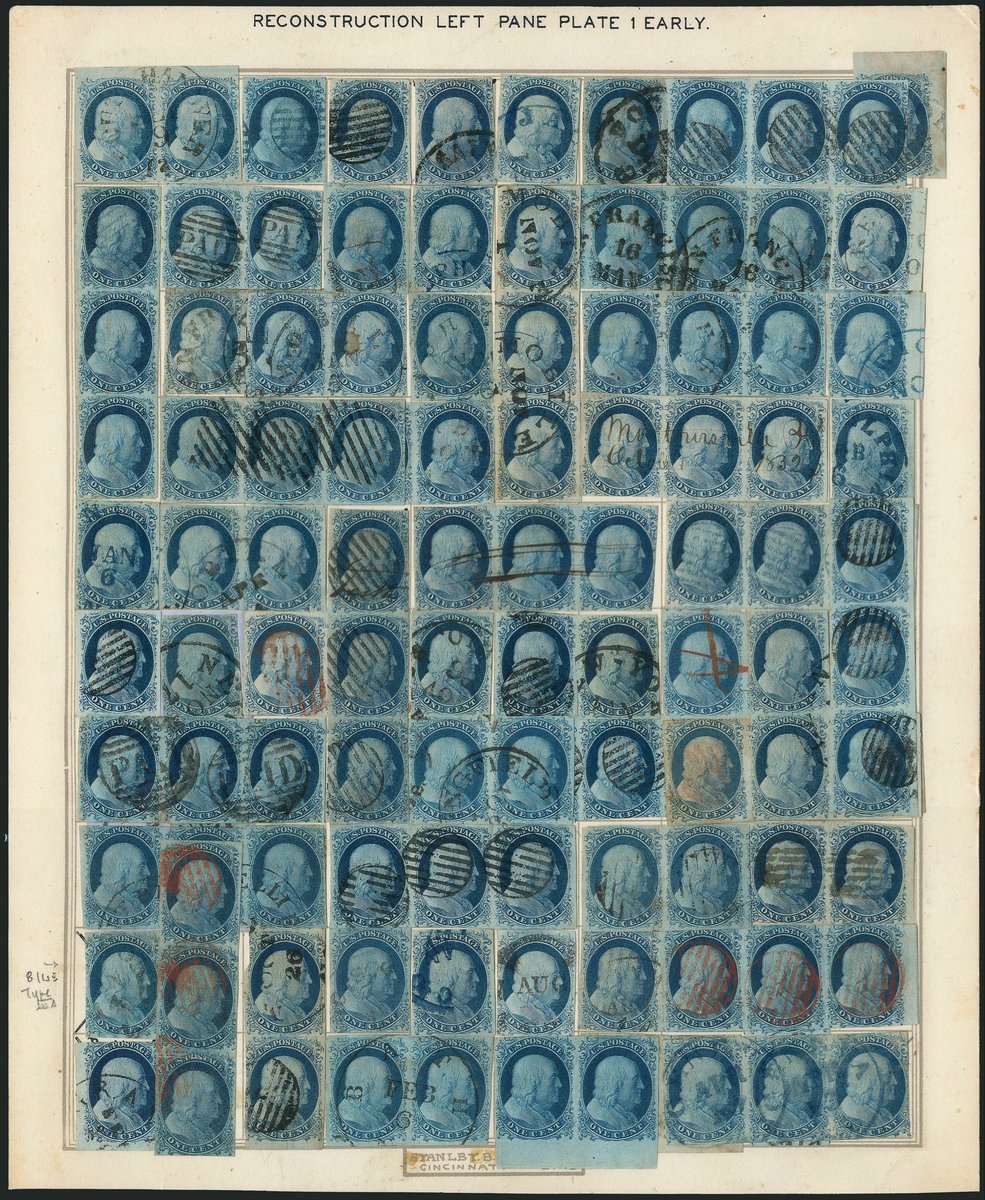
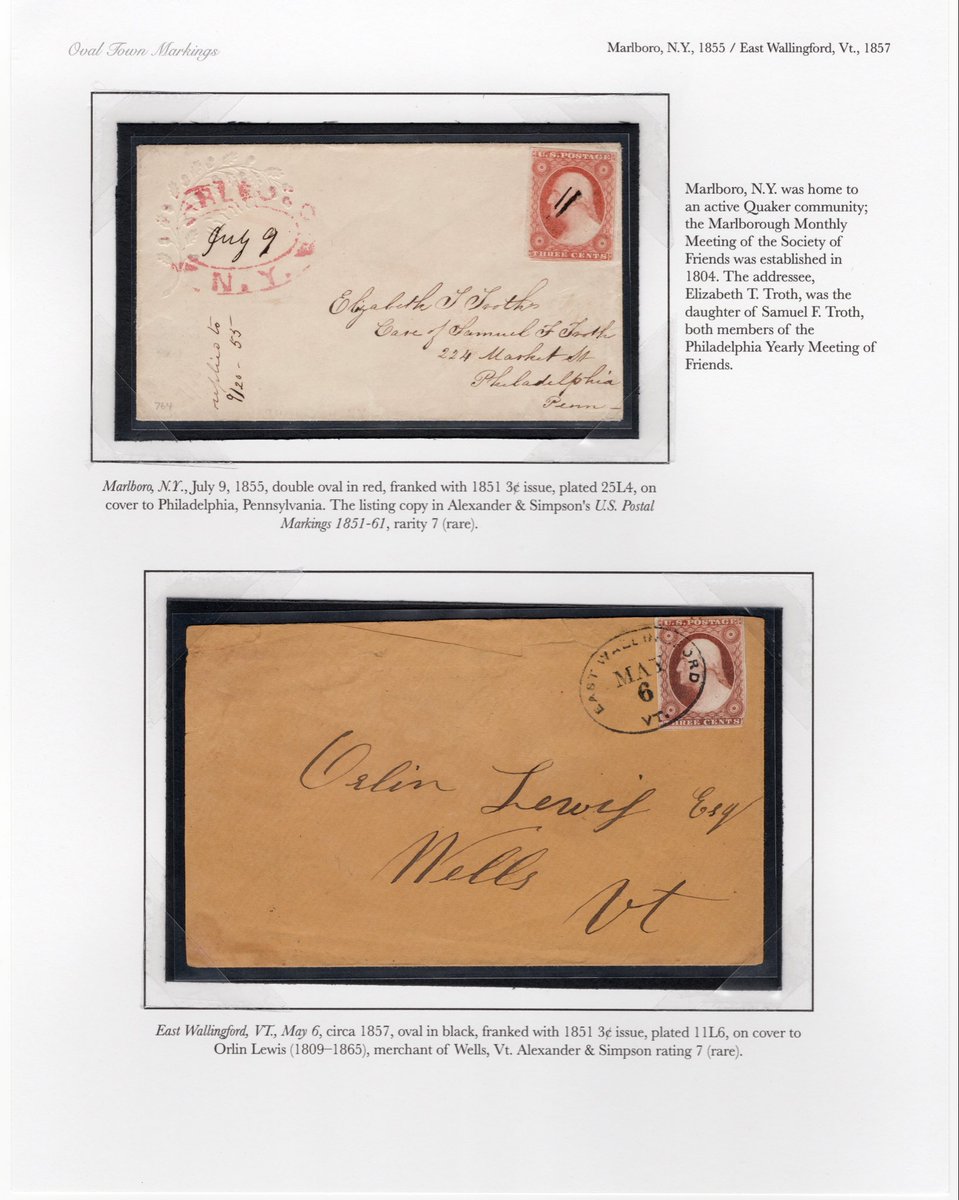
I’m switching around multiple projects. This one is mounting and explaining my 1851 3¢ plated stamps and covers. Plate 7 stamps are difficult to find in imperforate state, as stamps became perforated exactly a year after the plate was put into use.
Pre- and post-treatment pictures of the same stamp. The iron-based red pigment had been heavily affected by atmospheric sulfur compounds, completely changing the color of the stamp. Treatment with hydrogen peroxide restored the original color.
At last, I’ve found the master stamp forger Jean de #Sperati’s polemical book ‘La Philatélie sans experts’, published in Paris in a limited edition of 300 in 1946, in which the author mocks the philatelic establishment’s lack of deep expertise & explains his own working practices
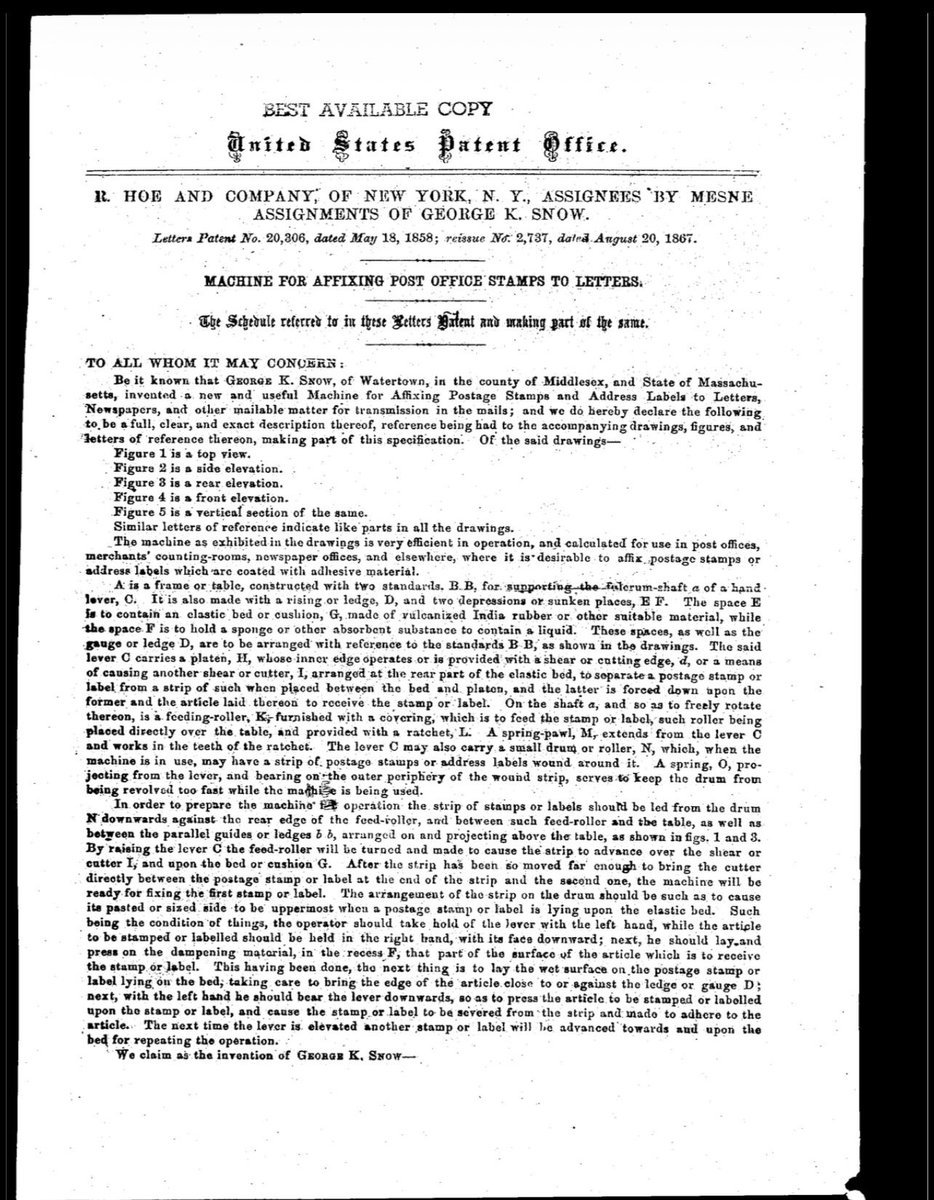
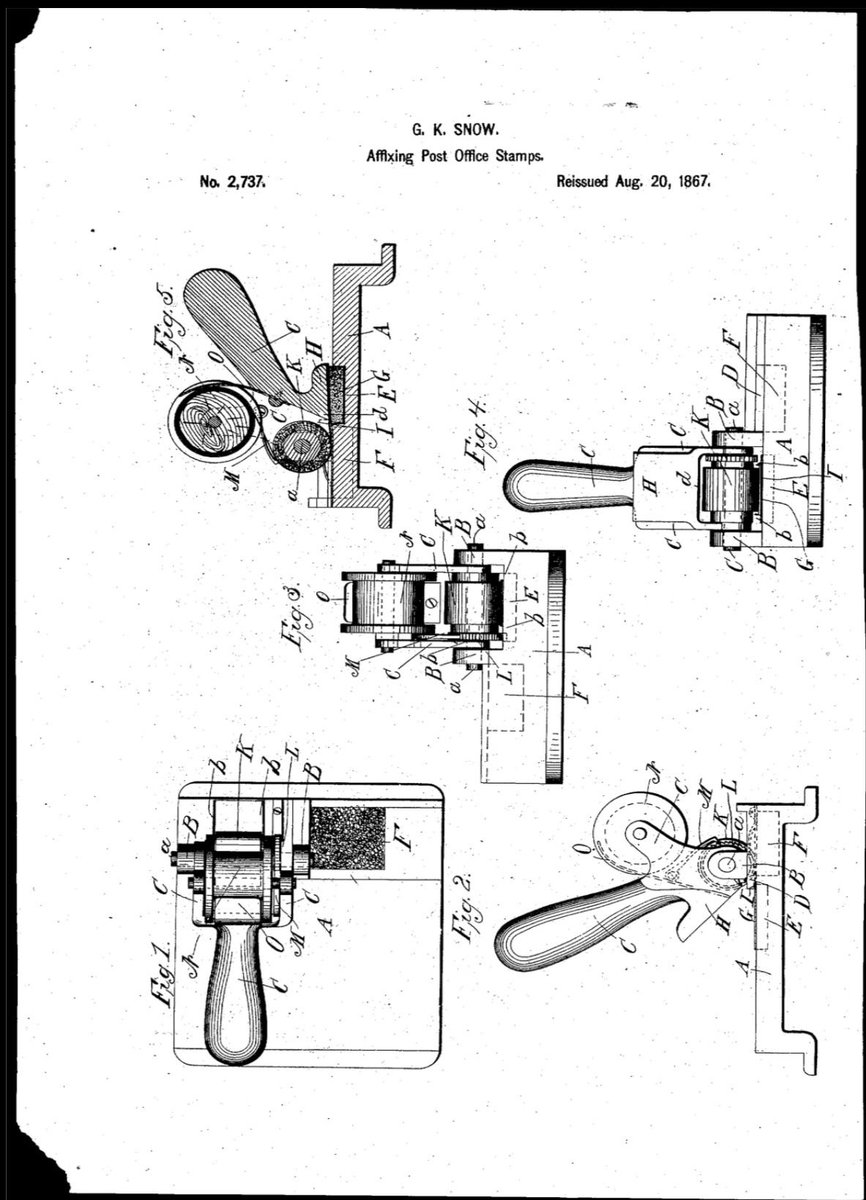
At about the same time, in 1858, a man named G.K. Snow was granted a patent for a device that did exactly that: a proto-stamp vending machine. Snow operated in New England, and this is unlikely to be from his machine, but it makes you wonder if others had the same idea. 2/2
🧵Here’s an interesting stamp on cover from 1857. What’s interesting about this stamp is that it was separated through the perforations on the sides, but with a cutting device at the top and bottom, similar to how a coil stamp dispensed from a vending machine would be 1/2
Xanthe’s excellent article made me think about what my choice would be for an American icon that wouldn’t be one of the usual patriotic symbols, but isn’t a hamburger either. My choice would be the transistor. An American invention that truly transformed the world.
🧵 An 1851 3¢ stamp, plated 91R7, that has been perforated. This was the first perforated issue in the US, so people didn’t know how to use perforations. Here, the sender used scissors in order to separate the stamp. Engraver’s slip visible on right ⬇️
Interesting project by John. I will be happy to help him in his project when he launches. Today, post offices don’t mark their mail unless you take it to the counter and ask for it to be marked. Ordinarily mail gets sent to regional centers and gets marked there.
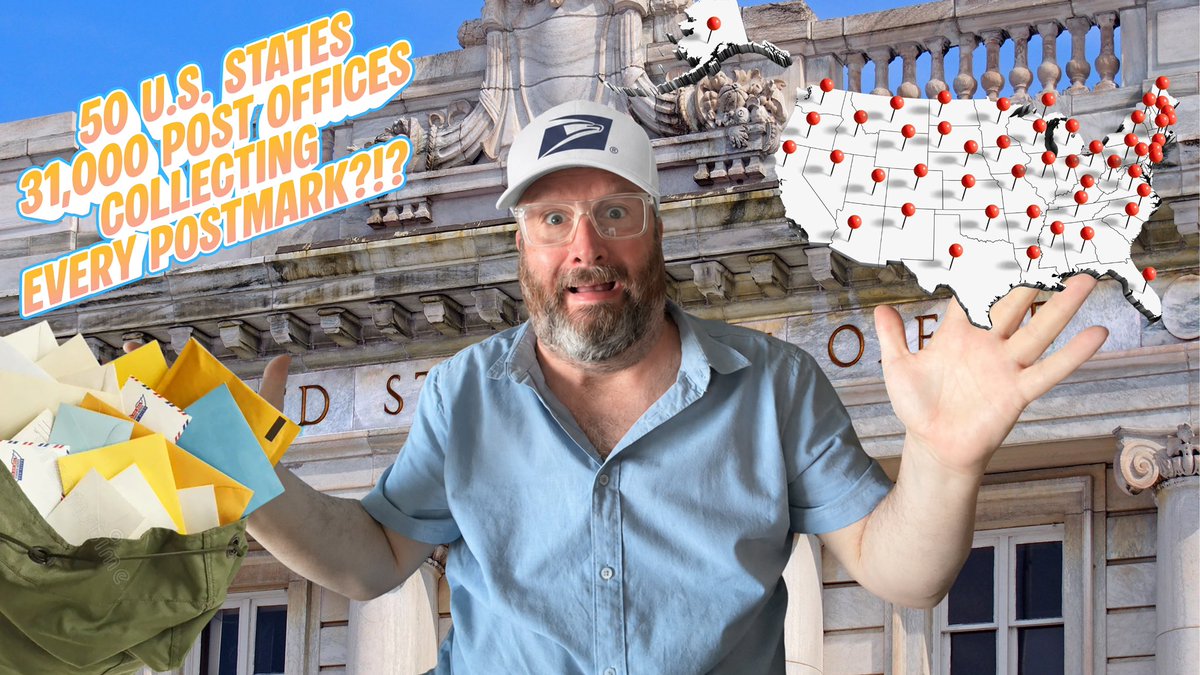
Philatelists!!! I’m starting a new series over on YouTube. I’m attempting to collect every post office postmark available from the US. That’s almost 31,000 postmarks!! If you want to help out, let me know. I will do an update when part one goes live.
#stampcollecting#philately