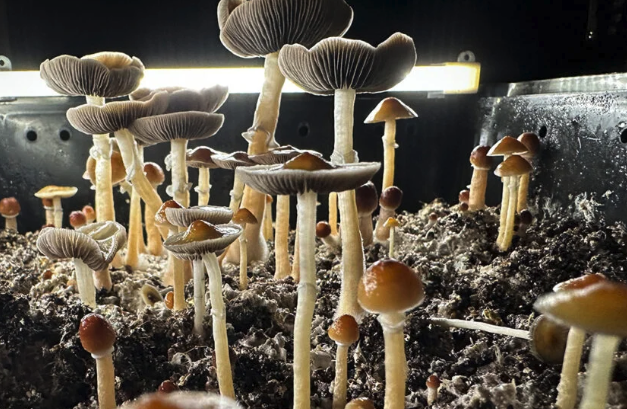
The most most clinically disregarded drug in the last 20 years - MAGIC MUSHROOMS (psilocybin)
Clinically backed use cases:
1. Treatment-resistant depression
2. End-of-life anxiety in cancer patients
3. Alcohol use disorder
4. Tobacco addiction
5. Early case-study signal in Alzheimer's
Mechanism:
- psilocybin activates 5-HT2A serotonin receptors and quiets the default mode network (Rigid patterns loosen)
- BDNF (your brain's growth factor) spikes
- New neural connections form
- Effects from one dose can last weeks to month
How to dose correctly and safely:
- A clinical or legally sanctioned setting, not recreational
- Trained therapist for preparation, the session itself, and integration afterwards
- Medical screening
- Set and setting matter as much as the molecule
The clinical results come from a controlled context
Exciting science
“Psilocybin, the psychedelic component of magic mushrooms, has previously been touted as an effective treatment for depression, anxiety, addiction, and PTSD — but now researchers say it has the potential to be used in Alzheimer’s intervention as well.
In this case study, published in Frontiers in Neuroscience, researchers focused on an 80-year-old Japanese American woman with Alzheimer’s. She had declined over the previous decade and was reduced to urinary incontinence, speaking in single syllables, and dependence on caregivers for mobility support and daily living.
She was then given a 5g dose of magic mushrooms.
During the initial phase, she was agitated, sweated profusely and entered a prolonged sleep state that suggested unconsciousness. But around hour 19, she began speaking in full autobiographical sentences, recalling life events she had been unable to articulate for years.
In the days and weeks that followed, more incredible changes emerged. She regained urinary continence, even in the evenings, and began dressing herself. She was able to make and maintain eye contact, remember social interactions, emotionally respond to others, and hold lucid conversations.”
· Delay caffeine 90 min after waking (let cortisol do its job first)
· 10 min outdoor light within the first hour (sets your clock for the next 16 hours)
· Same wake time every day including weekends (this alone fixes more fatigue than any supplement)
· Protein-first breakfast
@EvanLuthra 70M stem cells IV without regulatory oversight carries risks
pulmonary embolism, immune rejection, tumour formation
Localised applications are different
@lennartprimal Dietary cholesterol is exonerated
required for hormones, cell membranes, and bile acids.
UV drives vitamin D, nitric oxide, and circadian entrainment simultaneously
SPF50 all day blocks all 3
Eating a meal and don’t want to crash after?
Veg and protein first, carbs 15 mins later
= 29% lower blood sugar at 30 mins and 37% lower at 60 (Weill Cornell)
free hack worth testing
@dex7official 40% correct
Sunlight is moderation is great for your skin and overall health
Zealots that are either 100% pro or 100% anti sun are just wrong
Read the peer reviewed science
@doctormorphh Idk why you’re recommending prescription drugs for cognitive health optimisation
Sleep
Sunlight
Exercise
Whole foods food
The simple triggers are the highest leverage
Every extra 47.6 minutes of REM sleep was linked to:
80% lower risk of Parkinson's
46% lower dementia
26% lower heart failure
from the 95,000-person study published this week
The single biggest REM killer in healthy adults? Alcohol
Even 1–2 drinks fragment REM by 20–50%
@pikeypilled Seven cups of orange juice is 175g of sugar and 1,050 calories of fructose with no fibre, no protein, and no fat
You’d hit the same folate, B vitamins, and potassium from a single orange plus a handful of other whole foods (without flooding your liver with fractose)