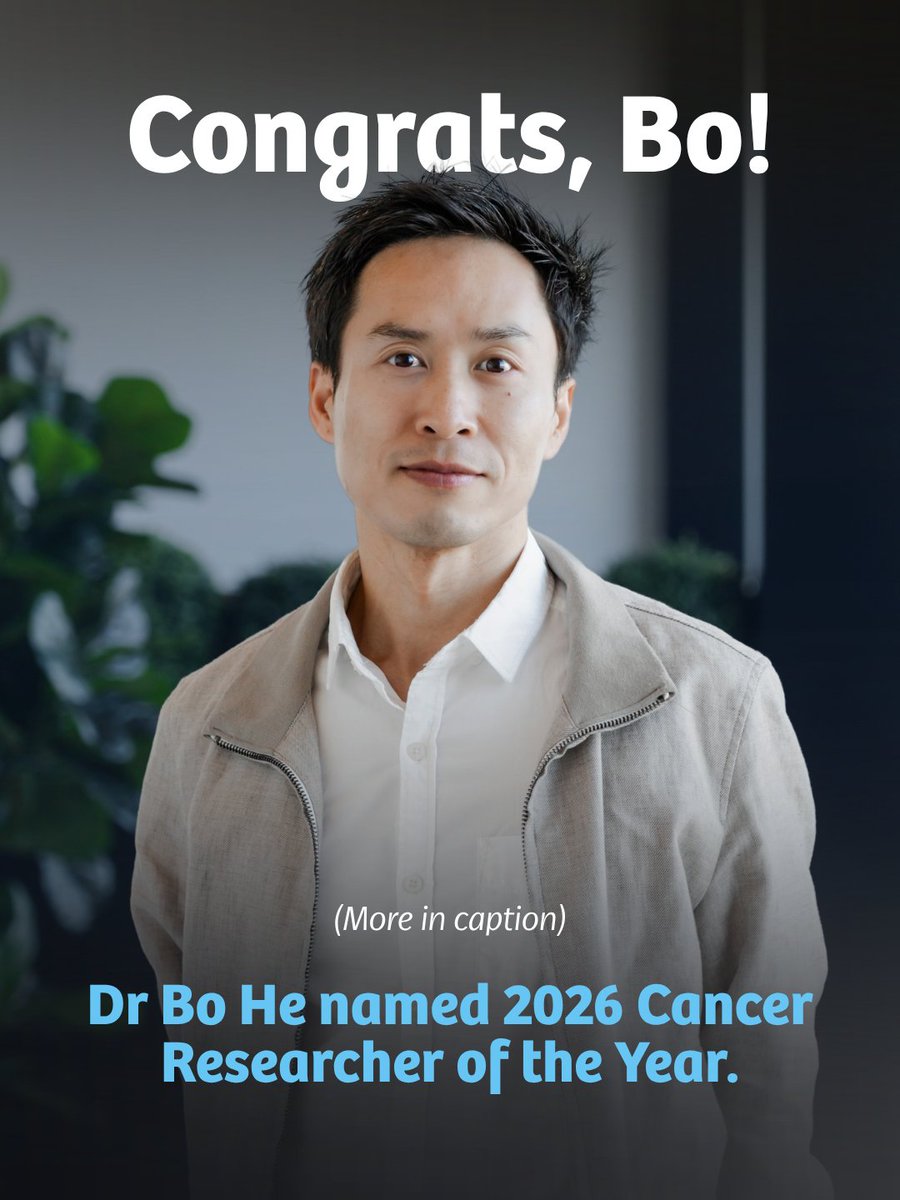
Dr He and his team, in the Cancer Microenvironment lab at the Perkins, have discovered that by reprogramming cells surrounding tumour blood vessels, it was possible to create pathways for immune cells to enter and attack cancer.
Read more here: https://t.co/xl0Qwk4dSJ
Dr Bo He, a mid-career researcher at the Harry Perkins Institute of Medical Research and @UWAresearch, was recognised as @CancerCouncilWA’s 2026 Cancer Researcher of the Year at for his pioneering work improving the effectiveness of immunotherapy.
APPLYING ARTIFICIAL INTELLIGENCE TO MEDICAL IMAGING FOR CARDIOVASCULAR DISEASE DETECTION
Parmida Ghorbanian, PhD Candidate,
University of Western Australia @uwanews &
Advanced Clinical and Translational Cardiovascular Imaging, Harry Perkins Institute of Medical Research @PerkinsComms ,
Western Australia
RESEARCHER PROFILE
Filmed in Perth, Australia | July 2026
Parmida is a software engineer and biomedical scientist whose research focuses on translating novel medical imaging technologies into clinical practice to improve the diagnosis and management of cardiovascular disease.
Her current work applies advanced deep learning techniques to retinal polarization-sensitive optical coherence tomography (PS-OCT) imaging, aiming to generate clinically meaningful biomarkers and predictions of cardiovascular disease. Parmida's collaboration partners include Fiona Stanley Hospital in Murdoch, Western Australia.
She is the recipient of the Novel Heart Disease Imaging Through AI HDR Scholarship and has received multiple awards for her research, including the WACRA Heart-to-Vessel Showcase Award, the South Metropolitan Health Service 3-Minute Project Competition, and the Data Institute Postgraduate Student Researcher Pitch Winner award.
Most recently, she was selected as a finalist in the INCITE Awards, Western Australia’s premier technology innovation awards program.
Source: Supplied and adapted
SEE OTHER RESEARCHER PROFILES
Bench Side Story @BenchSideStory
https://t.co/vzQCTpFOVv
Get your own interviews and research published on Bench Side Story
https://t.co/Qrj09SzaeC
The appointment reflects the strength of rare disease expertise in Western Australia and the importance of continuing to build a connected ecosystem around children and families living with rare and undiagnosed disease. From everyone here at the Perkins, a big congrats! 🎉
Congratulations to Professor Gina Ravenscroft! The internationally recognised leader in rare neuromuscular disease research has been appointed the inaugural Dr Patricia Kailis Chair in Rare Diseases at #UWA. @UWAresearch@PerkinsComms
https://t.co/j4mrMl84og
NOVEL THERAPIES & NEXT-GEN MEDICAL DEVICES IN CARDIOVASCULAR & VASCULAR DISEASE MANAGEMENT
With
Professor Shirley Jansen AM
The Lawrence-Brown Chair of Vascular Surgery,
School of Population Health, Curtin University @CurtinUni & Head of the Department of Vascular and Endovascular Surgery, Sir Charles Gairdner Hospital & Director of the Heart and Vascular Research Institute, Harry Perkins Institute of Medical Research @PerkinsComms, Western Australia
RESEARCHER PROFILE
Filmed in Perth, Australia | June 2026
Professor Shirley Jansen AM is a distinguished vascular and endovascular surgeon whose career spans clinical leadership, academic excellence, and pioneering research. She currently holds the Lawrence-Brown Chair of Vascular Surgery at Curtin University's School of Population Health and serves as Head of the Department of Vascular Surgery at Sir Charles Gairdner Hospital, a role she has held since 2015. In addition, she is the Director of the Heart & Vascular Research Institute at the Harry Perkins Institute for Medical Research. Her early career was marked by prestigious fellowships, including a British Heart Foundation Research Fellowship (1996), and multiple international travelling fellowships from leading surgical societies and industry sponsors between 2001 and 2002.
Professor Jansen has over 20 years of experience treating vascular disease and has played a vital role in shaping healthcare policy, and clinical standards. She has been Site PI in over 50 clinical trials in pharma, device, first in man, RCTS and registries, many global and leading to changes in practice. She has over 150 peer-reviewed publications, including chapters in key surgical textbooks. Her research has attracted over $14 million in funding, supporting groundbreaking work in biologic therapeutics, vascular medicine, and international clinical trials.
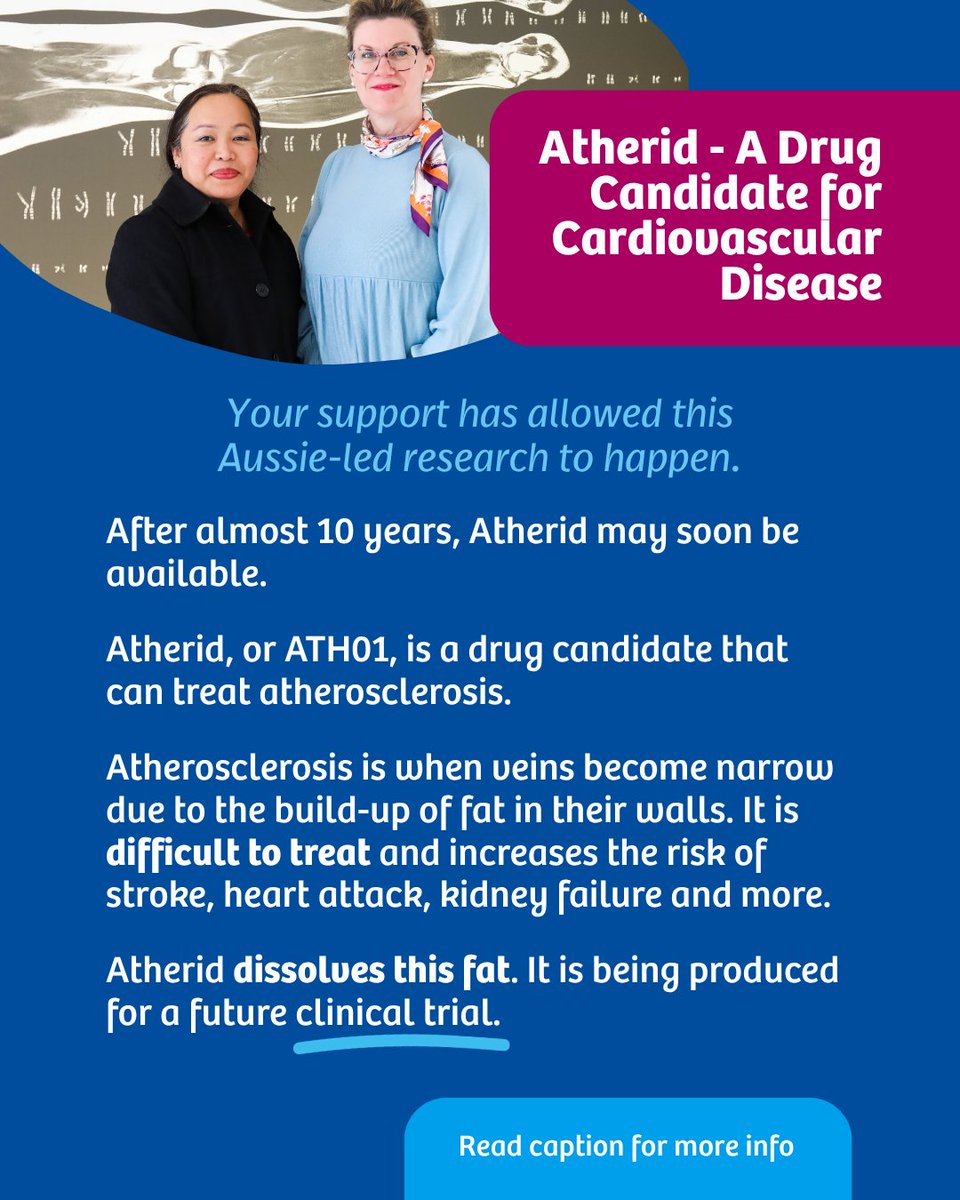
Professor Jansen is Co-Founder and Director of Atherid Therapeutics Pty Ltd developing a novel first in class therapeutic to remove cholesterol and lipid from the arterial wall in atherosclerosis with inventor A/Prof Juliana Hamzah, Head of Targeted Drug Delivery, Imaging and Therapeutics Lab, Harry Perkins Institute of Medical Research. S Jansen’s other main research interest is in the mechanical impacts on the vessel wall as it relates to arterial disease and intervention, and the development of 3D bioprinted vascular devices with her colleague A/Prof Elena Juan Pardo, an expert in bioengineering at the Perkins.
Source: Supplied
SEE OTHER RESEARCHER PROFILES
Bench Side Story @BenchSideStory
https://t.co/vzQCTpFOVv
Get your own interviews and research published on Bench Side Story https://t.co/Qrj09SzaeC
@Nze_9ty_five@realStockes@grok If you would like to learn more, head to our website and read on the latest publications on this research: https://t.co/f3OQxqpqRX
@femooGEVE@realStockes Bee venom is made up of over 70 different compounds, and while melittin has been shown to kill cancer cells, the other compounds could have other serious health impacts. Always consult your medical professional in regards to your cancer treatment. 2/2
@femooGEVE@realStockes There is no research to suggest that bee stings are an effective way to treat breast cancer. We do not recommend getting stung as a treatment option. This research was conducted in a controlled laboratory setting. 1/2
@Kannan9900 This is legitimate - and a spotlight on our research. You can read the latest updates on this by following our socials and heading to our website. This is an incredibly exciting discovery from 2020 that our scientists continue to study. 🐝💙
@WoodnuttStacey Our Scientific Advisory Committee and Executive team guide our research direction in cancer, heart disease and rare genetic diseases. People with lived experience are invited to contribute to relevant research to ensure patient voices are considered.
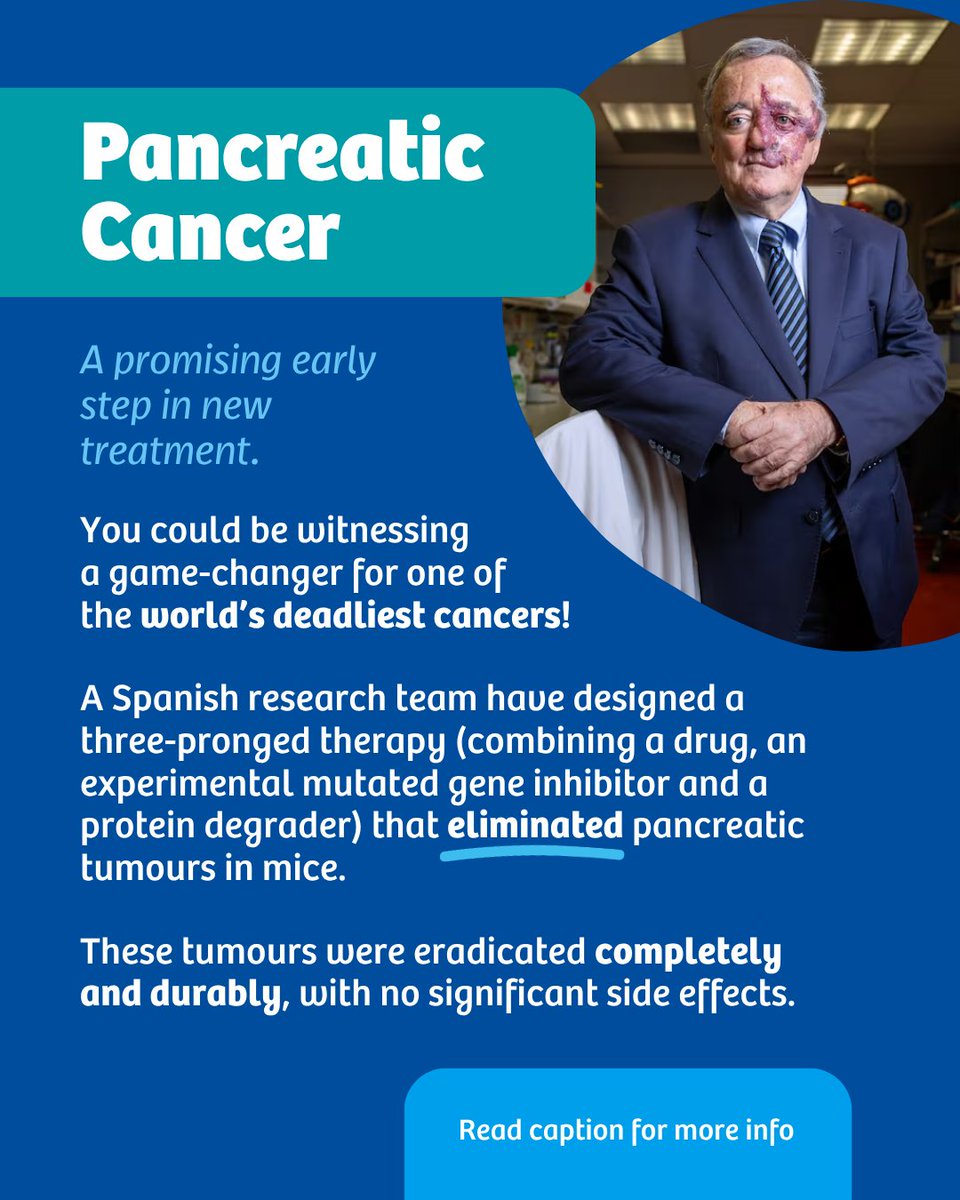
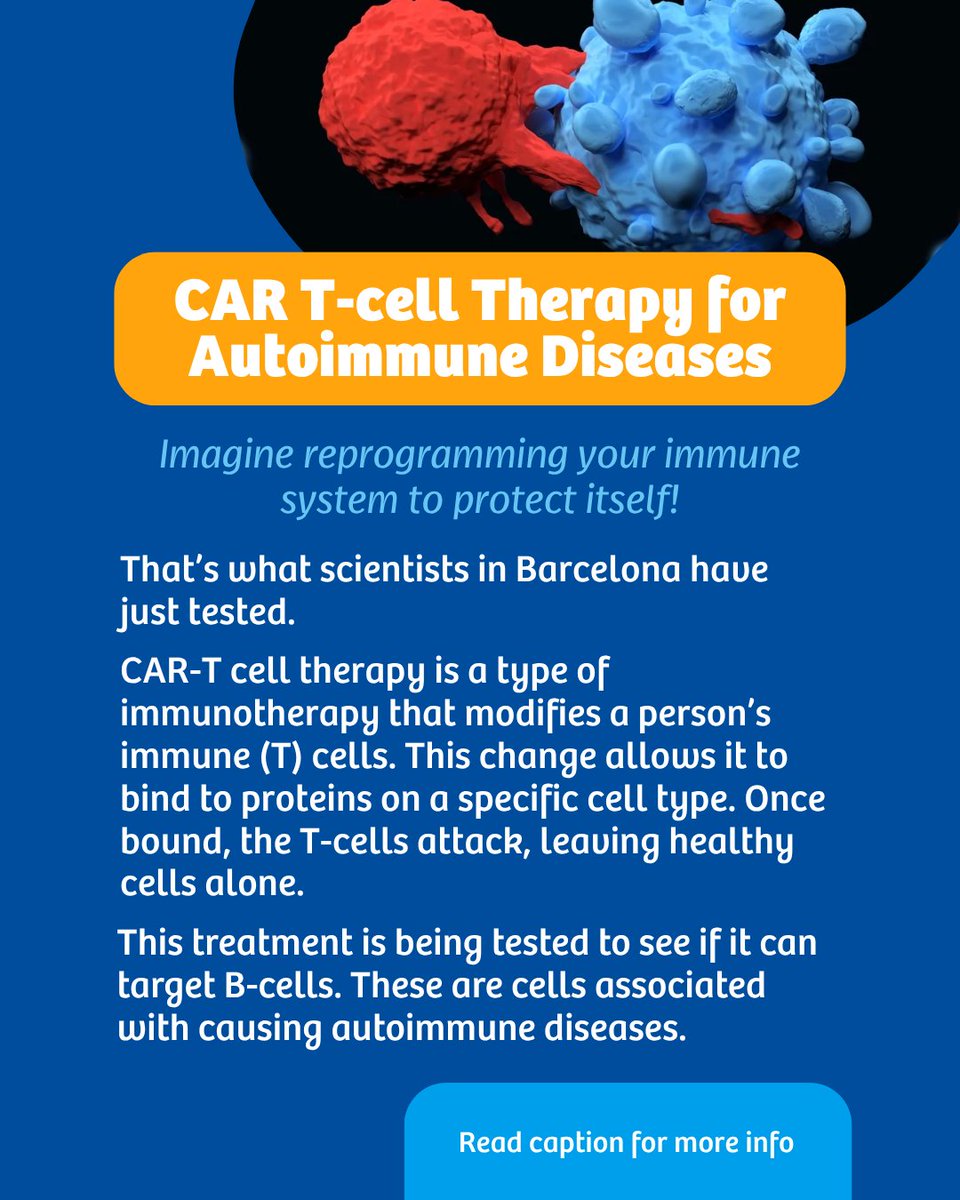
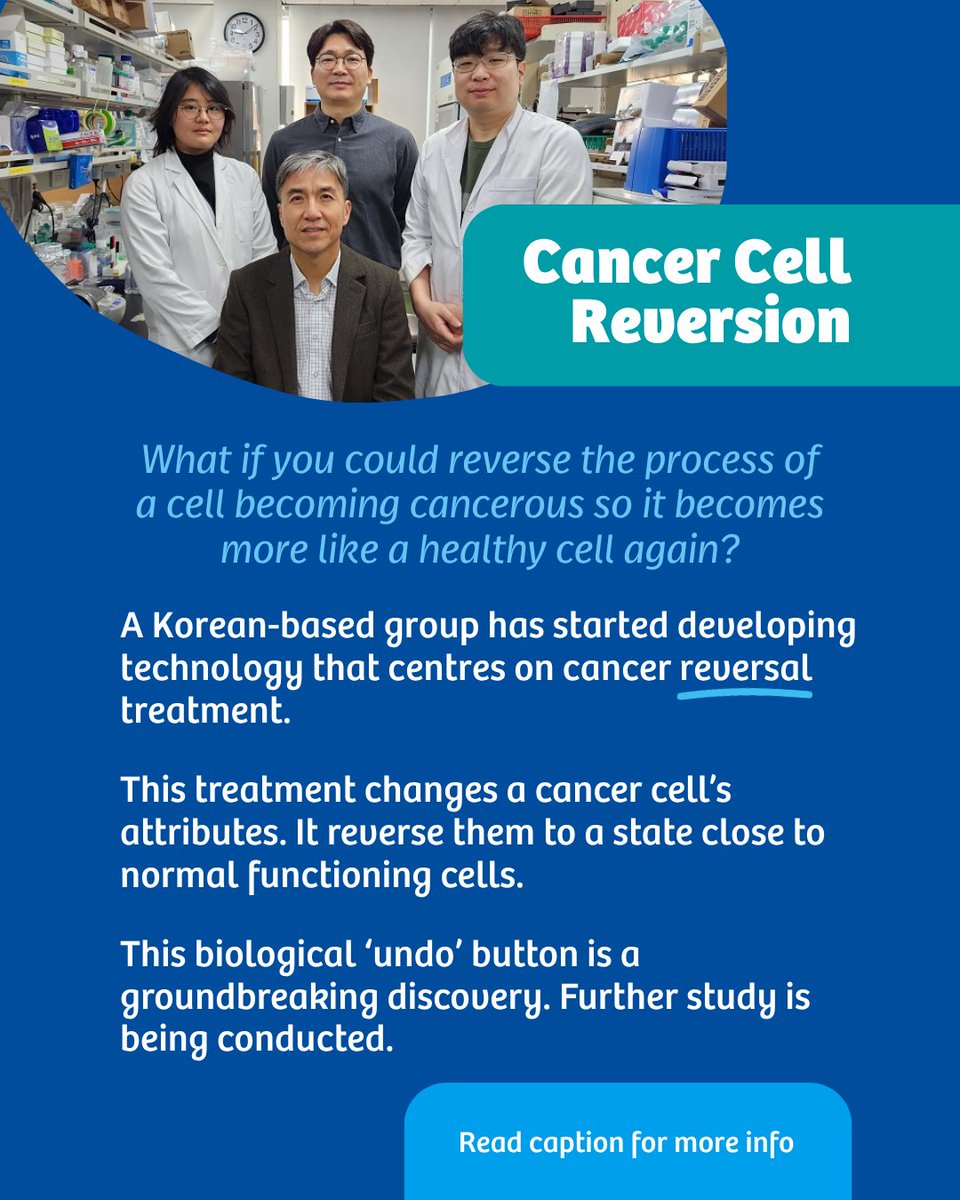
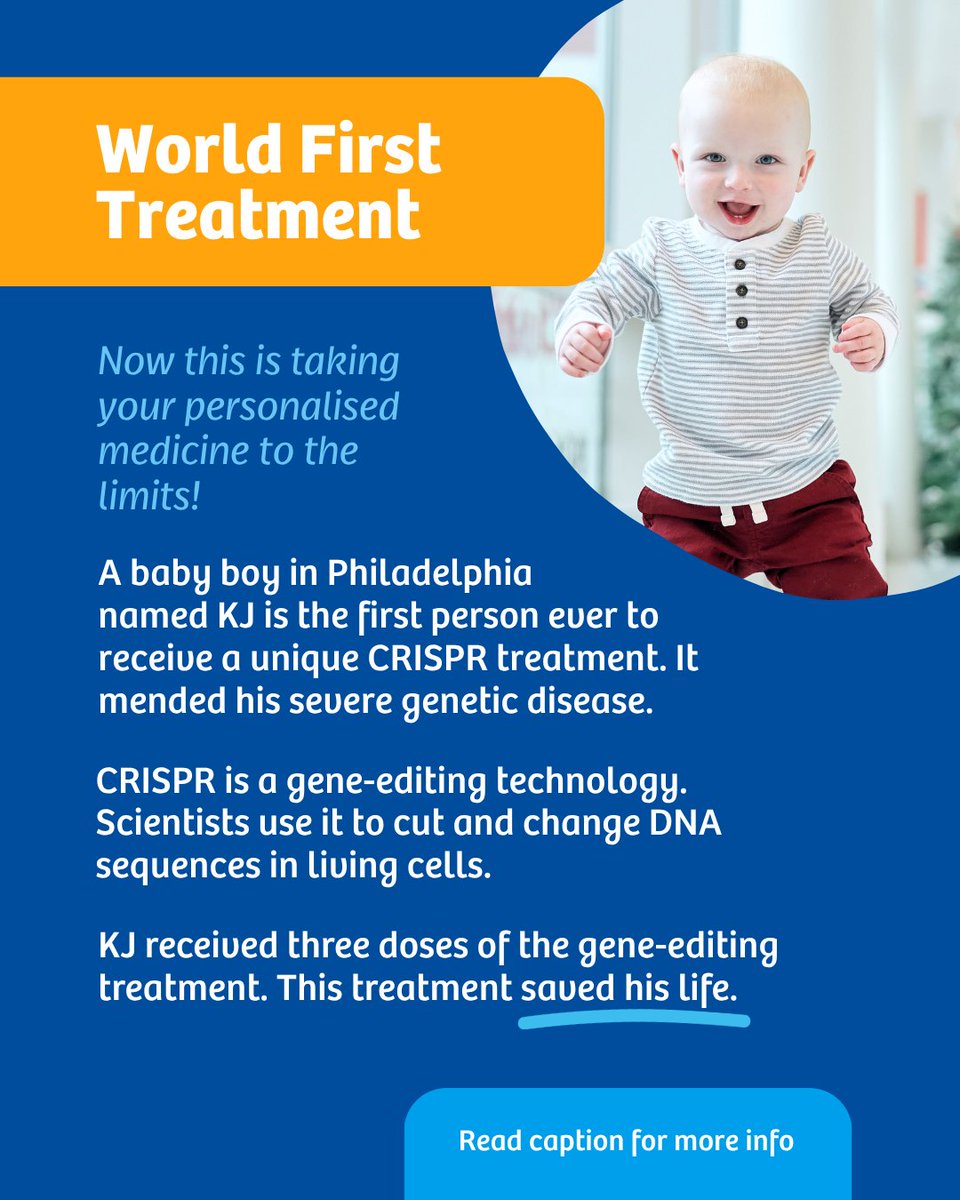
Because of you, these research discoveries could change lives forever. Here are five feel-good medical research breakthroughs to inspire you.
Which one are you most excited about? Tell us below! 👇 (1/3)
Perkins BRITElab Leader, Brendan Kennedy, is a key collaborator on the project, bringing his expertise in optical coherence tomography to help translate project leader Yu Suk Choi's findings into real-world applications.
Perkins researcher Dr Olivier Clement contributed experimental work to a study that was published in Nature Magazine last week.
Professor Nenad Sestan at Yale University lead this insightful work, which was 10 years in the making.
You can read the Nature study below. 👇