Medical doctors turned Permaculturists.
We help you cultivate thriving ecosystems and design regenerative solutions for your garden.
Weekly Newsletter:
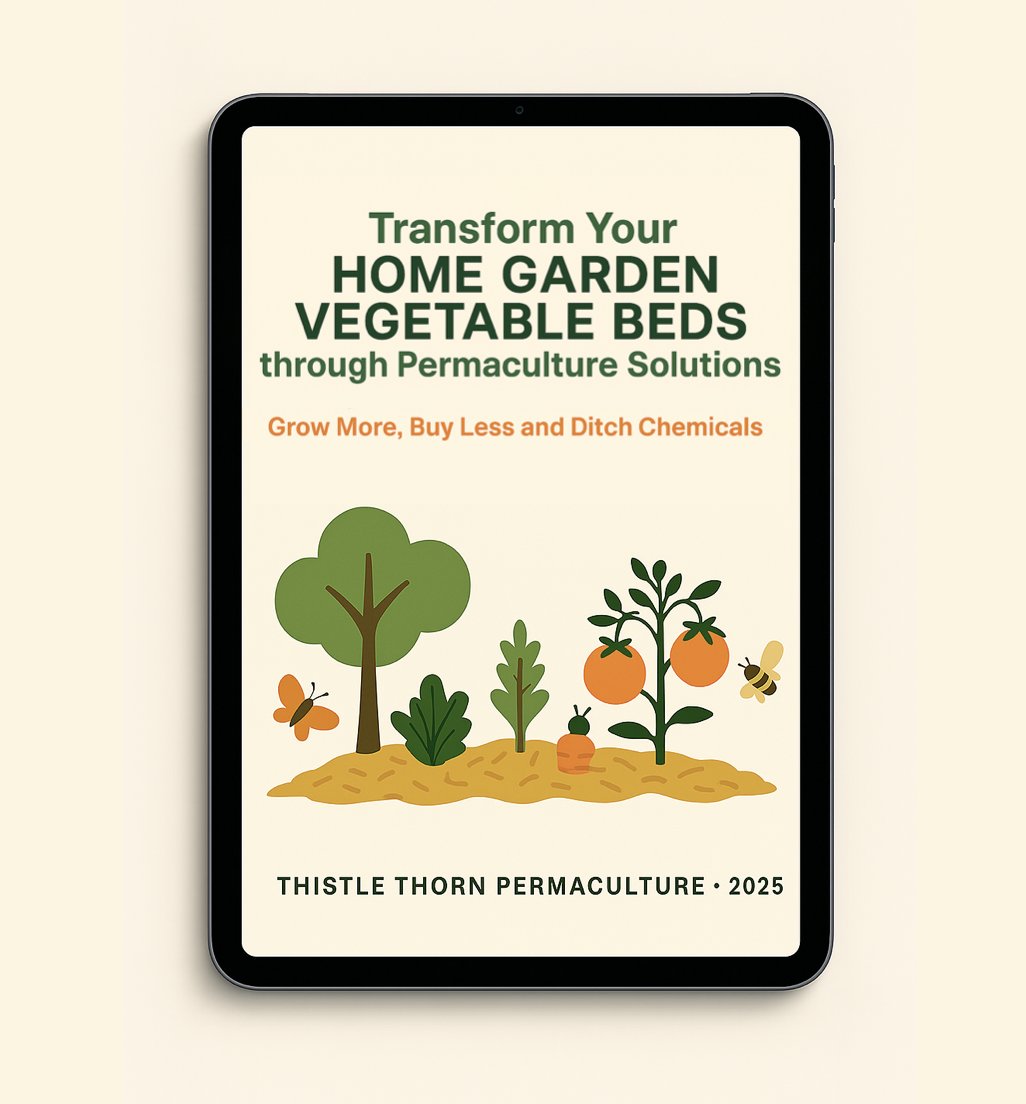
Are you ready to transform your vegetable beds into productive, low-maintenance ecosystems?
Our step-by-step guide shows you exactly how to do it.
Practical, proven, real-world permaculture.
30 pages. Instant Access. Lifetime Use. Cost less than one bag of fertilizer. 👇
https://t.co/rtMtUiwX5I
@GreenGoesLeft Yes... starting seedlings indoors until they are bigger is also fundamental in this situation, otherwise the snails will eat all of them in one night!
Your slug problem is an untapped business opportunity.
High agency gardeners see slugs as free protein feed for ducks.
4 ducks = 1,000 eggs annually + automatic slug control + premium fertilizer.
Transform time-and-money expensive pest control into profitable livestock management.
The problems are the solutions if you know how to design for it.
Oh Josh, I'm so sorry.
You know, we once designed a garden for an elderly man who didn't want any animals—no ducks or chickens—and he lived in a very shady area that was completely dominated by snails.
We used snail traps made from wooden boards (they work, but they do require the gardener to regularly collect the trapped snails). We also built circular vegetable beds with very clear edges and "fenced" them with wool, ashes and crushed eggshells as a barrier. Outside the beds, we planted easy crops that the snails preferred, which acted as trap plants. He also did some nighttime snail collection.
When you don't have animals in the system, it usually means more human time is needed to create and manage traps and other control strategies.
Improving soil quality is also important, and I would avoid using fresh mulch in a situation like this. Dry mulch materials tend to be much less attractive to snails.
I know how frustrating it can be, but there are definitely ways to reduce the pressure and regain some control.
4 key Permaculture goals for water catchment:
1. Store fresh water for drinking, cooking, and household use
2. Direct rainwater, runoff, and greywater into productive gardens
3. Increase water infiltration, building healthier soils and more plant growth
4. Slow down rainwater runoff, giving it time to soak into the landscape
Water can be a resource or become a problem. Good design makes sure it becomes the former.