Debt is one of the main technologies of artificial scarcity. It pulls tomorrow’s life into today’s survival and then charges interest on the desperation. A humane society would cancel what should never have been monetised.
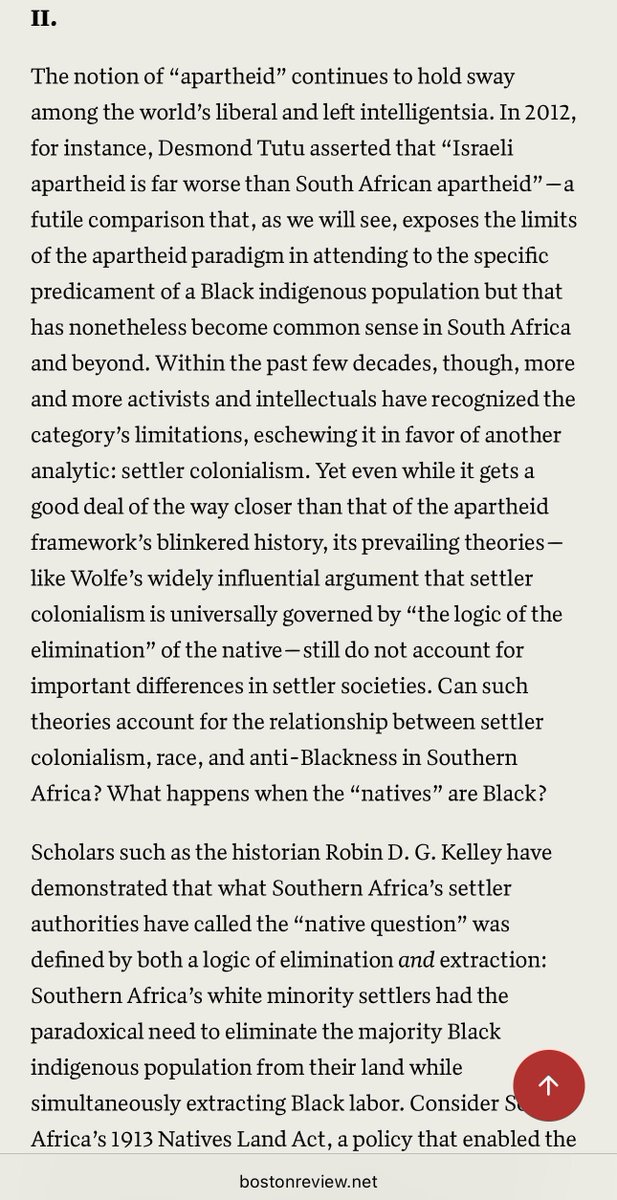
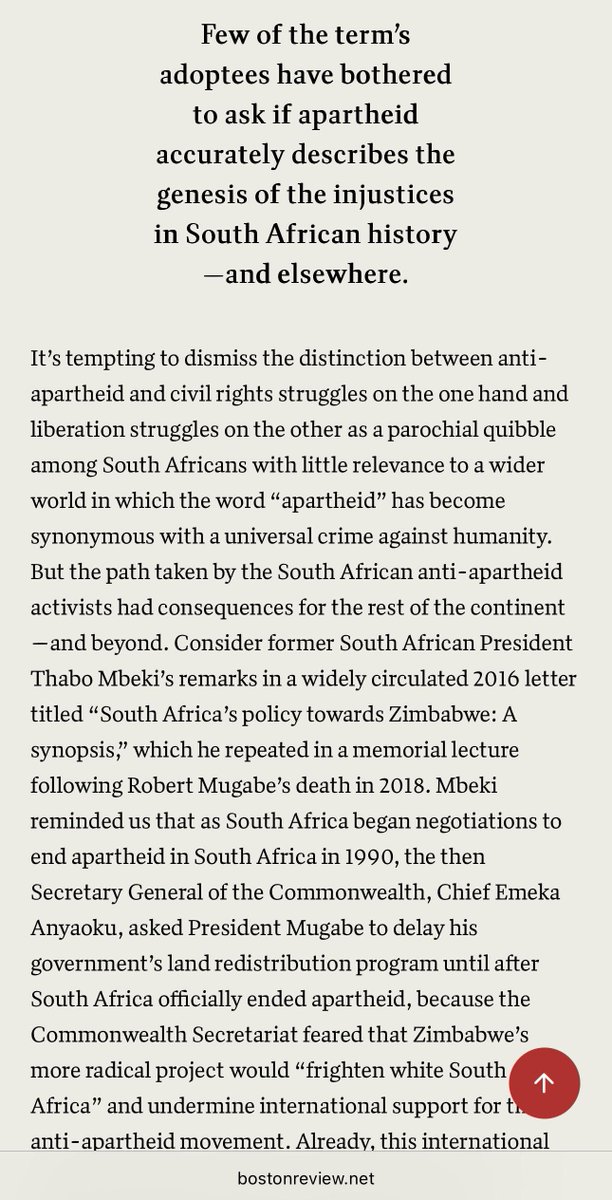
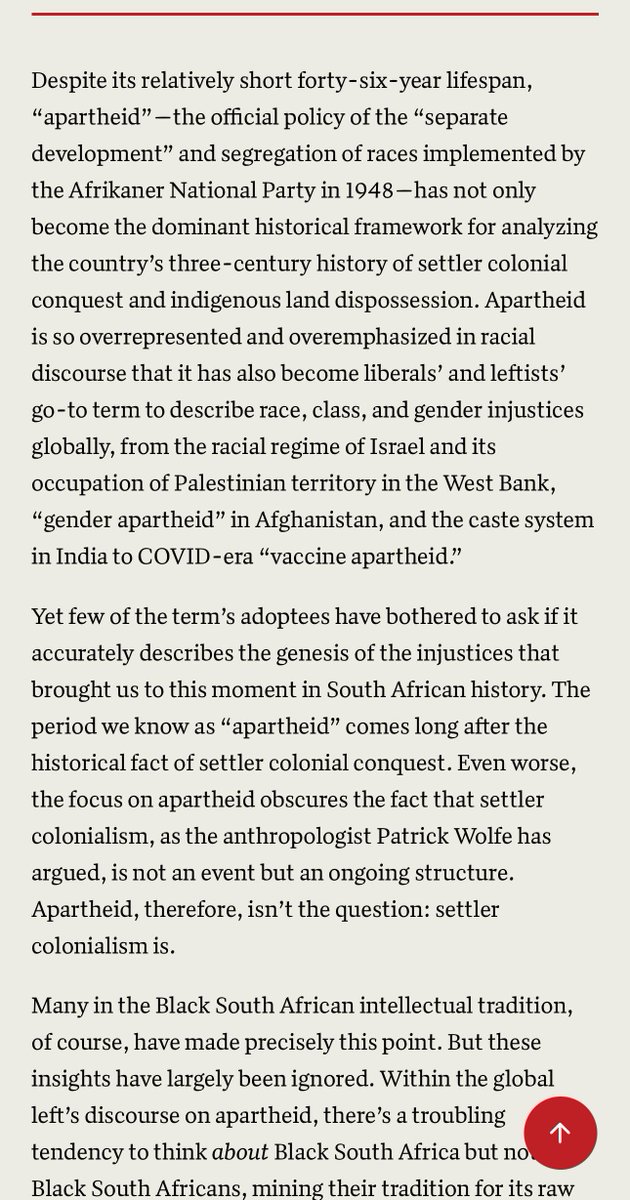
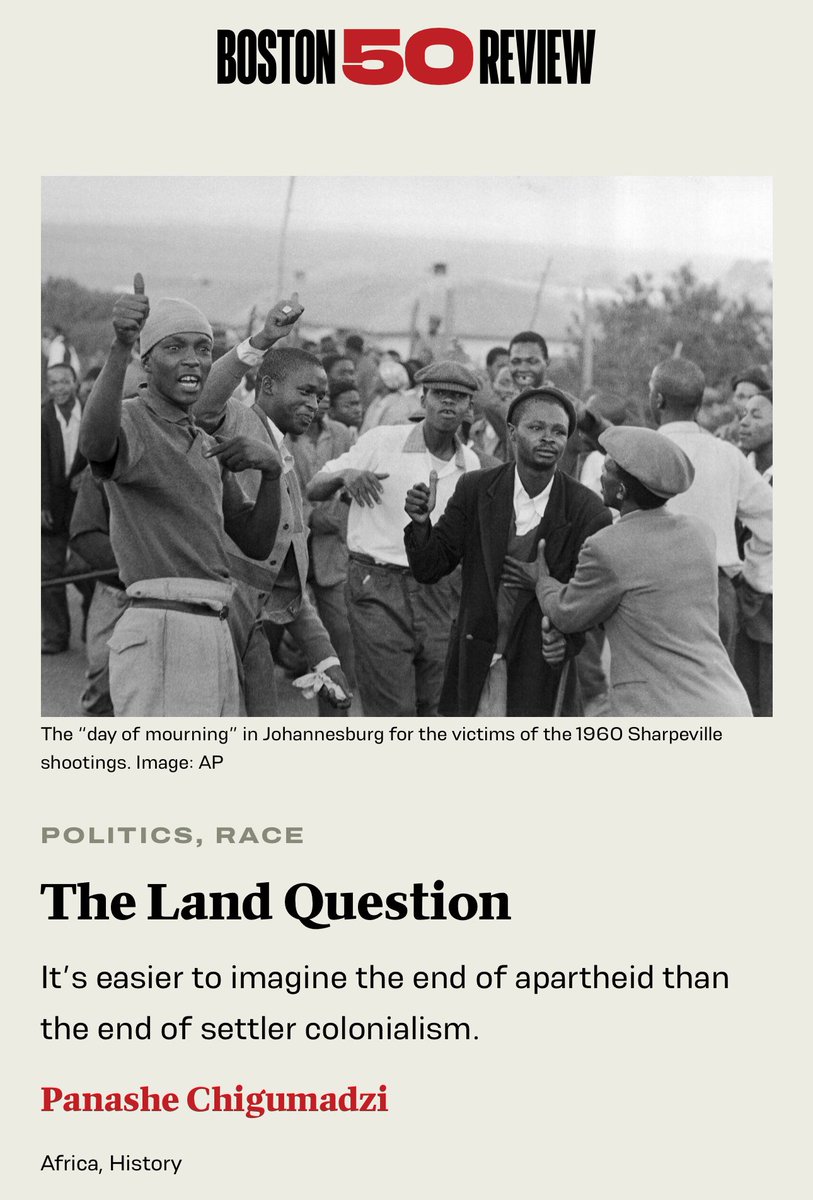
In my new @BostonReview essay, “The Land Question,” I contend that “within the liberal international order, it is ‘reasonable’ and ‘workable’ to struggle to end apartheid and racial segregation, while it is ‘unreasonable’ and ‘unworkable’ to struggle to end settler colonialism and indigenous land dispossession.” 'Apartheid' is overrepresented in global left discourse and historiography, dangerously obscuring more foundational questions of structural dispossession. In this critique of liberalism's apartheid paradigm informed by South Africa's Black Consciousness-Pan Africanist Tradition (the Azanian Tradition), I map out the historical geopolitics of the land question and indigenous sovereignty across the world.
https://t.co/rrLj82QJvk
Welcoming material and opinion on Community engagement in relation to women economic empowerment particularly in the informal sector.
Let's talk talk talk ...
@TheBookBunk@hayfestival@mcmillanlibrary Many thanks to Nairobi Litfest, Hay Festival Global, and Book Bunk for bringing together writers and thinkers from around the world and uniting our literary community.
@TheBookBunk@hayfestival@mcmillanlibrary I am yet to form coherent perspective on these probes. I consider them in observation of our country's status quo with hope that the lessons learned in the process & ideas formed, will influence my curiosities, research & overal development; by doing so, influence our future.
@TheBookBunk@hayfestival@mcmillanlibrary Dr. Panashe Chigumadzi @PanasheChig Historian, essayist and Author of 'These Bones Will Rise Again,' left us with some powerful contemplations:
1. What is reasonable to struggle for?
2. What exactly are we fighting for?
3. When do we choose protest over reconnaissance?
@TheBookBunk@hayfestival@mcmillanlibrary With formidable panellists in every session, one conversation stood out for me, mainly because of its timeliness; a dialogue on how to challenge and transcend colonial hegemony. It pushed my thinking , and I hope these prompts give you something to reflect on too:
@TheBookBunk@hayfestival@mcmillanlibrary This festival is a safe space for liberal conversations, creativity, and community, with a focus on exploring 'Alternative Knowledge Systems' inspired by fiction, non-fiction, poetry, music, visual arts, and governance.
@TheBookBunk@hayfestival@mcmillanlibrary The 4th edition of Nairobi Litfest, which is 'A Festival of Ideas' that presents to us art, culture, and everything literature, rooted in the heart of Nairobi’s public libraries. (McMillan Memorial Library, Eastlands Library, and Kaloleni Library).
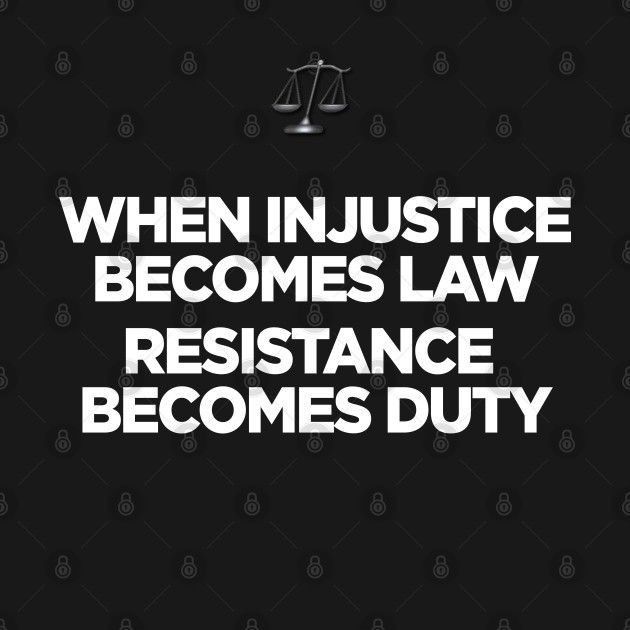
We revolt!
June 25th, Kenya. 🇰🇪
May we eliminate any doubt... We're capable of living the change we're fighting for.
It will be done.
May those that have gone before us, before their time, be honoured through this revolution.
We witness our rage bearing fruit and our resistance documented. We live on, truly, we do.
To fight another day. If not for ourselves, then for those who died fighting for one.
Hope.
https://t.co/nGiLhDxqFf
#endpolicebrutalityke#endrogueregimes#JusticeForAll
I reflect on the meaning of community not only in meaning but in its practicality.
Community to me implies contribution and compassion.
1. I am continually inspired by people at all levels of the ladder, their way of thinking and their eagerness to contribute as a collective.
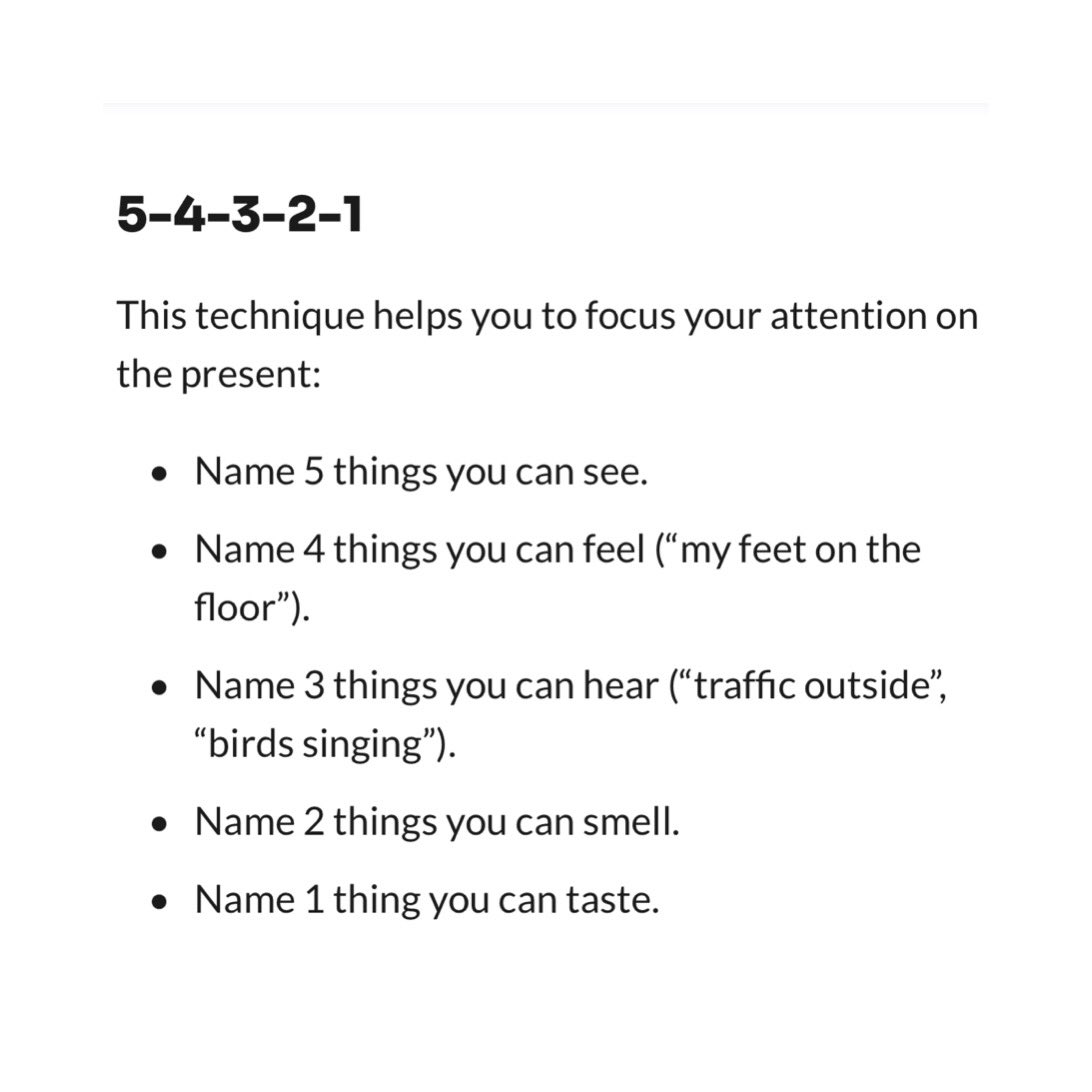
#16Days can be so damn triggering.
I’ve collected a few grounding exercises that may help survivors out. Esp if you’re navigating flashbacks.
Sending everyone love.
What would African history look like if we started with women's experiences, ideas, and contributions? Check out African Women: Early History to the 21st Century
"This book should be regarded as a magisterial achievement" (Gender and History review)
https://t.co/Xp5CwuvRaD
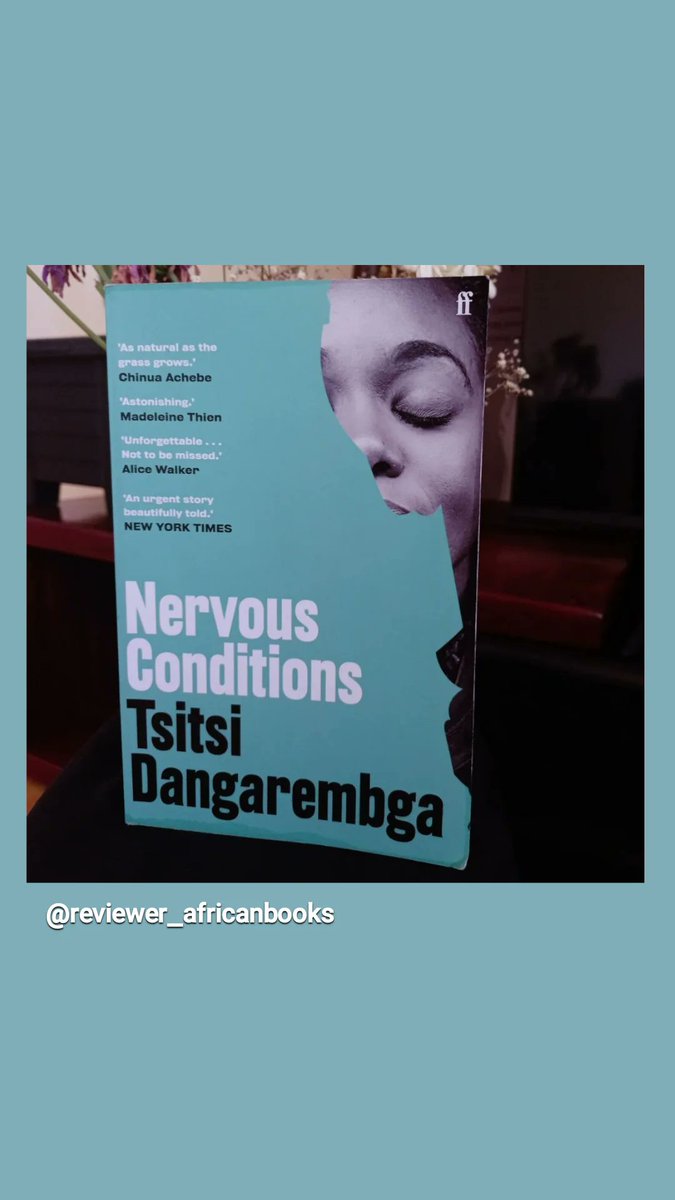
A well-crafted narrative that introduces and immerses the reader in the intricacies of post-colonial Rhodesia, exploring themes that necessitate the need for conversation and reflection. We experience a changing society through a dynamic Zimbabwean family.