Baggage is unprocessed trauma. If you don’t get help/counseling/therapy for something traumatic that happens when you were 14… it will be there at 54. + Who did you hurt along the way? It’s a cycle similar to addiction. Don’t do your family like that. You are worth it.
What a fight! A man stepped into three different confrontations at different times, and each time, a different opponent thought they could take him down.
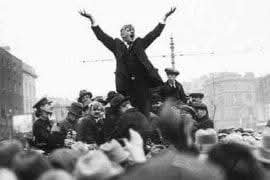
Today in 1913 the Dublin Lockout began, the greatest industrial struggle in Irish history. At its heart stood two men. William Martin Murphy was one of the city’s most powerful employers. And James a"Big Jim" Larkin, the fiery leader of the Irish Transport and General Workers’ Union (ITGWU).
Murphy was also a former MP for Dublin and chairman of the Dublin United Tramway Company (DUTC) so he had watched with alarm as Larkin recruited his employees into the union. He believed that “Larkinism” threatened not only his business but the whole foundation of employer authority in Dublin.
In July, Murphy summoned tram workers to a midnight meeting at the Antient Concert Hall. His message was blunt. Resign from the ITGWU, or lose your jobs. When many refused, Murphy began dismissing them one by one, targeting not only tram men but also employees of his other ventures, including Independent Newspapers.
For a time, Larkin held back. He knew that a strike against Murphy would be perilous, but the pressure from union members was overwhelming. On the 25th of August 1913, a ballot was held at Liberty Hall, the ITGWU headquarters.
The next morning, as trams rattled through the streets at the height of the Dublin Horse Show, nearly 200 drivers and conductors abandoned their vehicles, leaving them standing in the road with bewildered passengers still inside. The strike had begun.
Murphy struck back instantly, locking out the strikers and vowing not to employ anyone connected with the ITGWU. Other employers quickly joined him, from the Dublin Coal Merchants’ Association to the Carriers’ Association, which even sacked men for refusing to handle “tainted goods” touched by union hands.
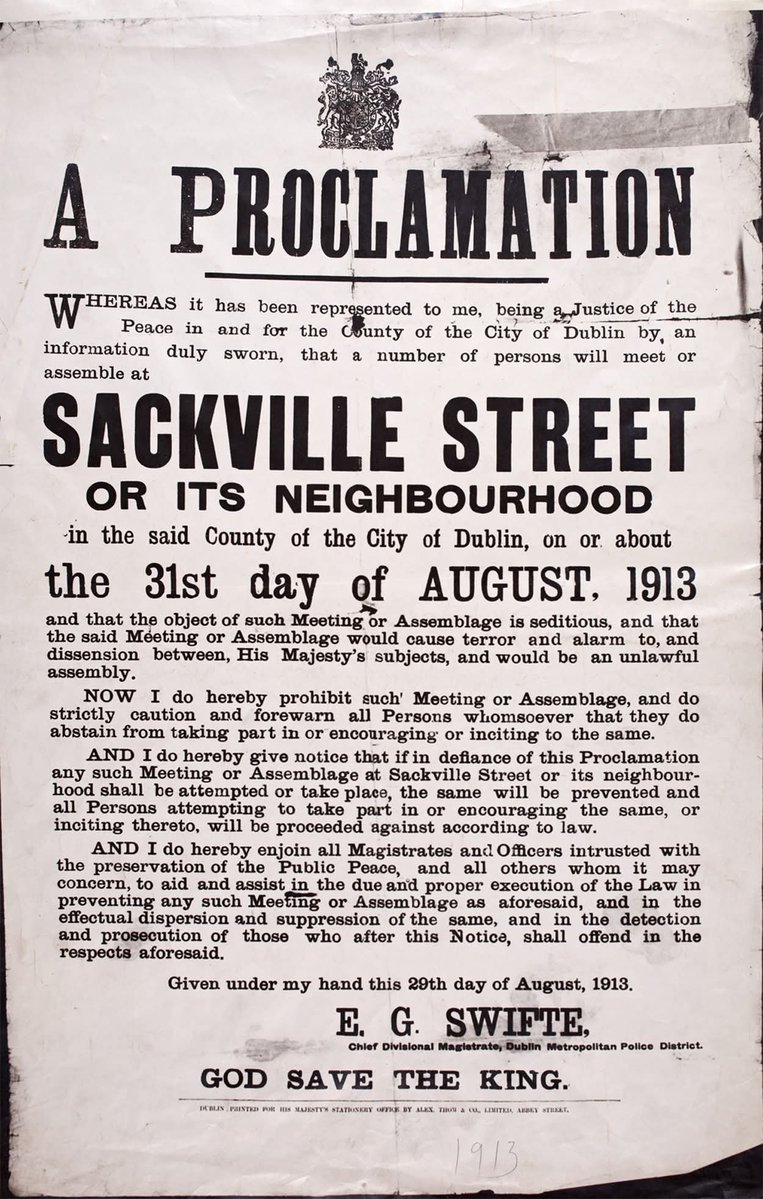
The dispute quickly spilled from the workplace into the streets. On Sunday the 31st of August, Larkin himself tried to outwit the police by disguising himself and slipping into Murphy’s Imperial Hotel on Sackville Street. From a first floor balcony he addressed a roaring crowd, but his triumph was short lived. Police baton-charged the gathering with brutal force, joined by members of the Royal Irish Constabulary. Larkin was arrested, and the day passed into memory as yet another “Bloody Sunday” in Irish history.
The Lockout dragged on for five bitter months. In total, 20,000 workers were involved, while tens of thousands of their families endured desperate poverty and hunger. Larkin toured England, appealing for solidarity, but received little in return. By the 18th of January 1914, the ITGWU admitted defeat and advised men to return to work.
Larkin told his followers “We are beaten, we will make no bones about it.” Yet the legacy of Larkin and the heroism of the revolting workers and their families would not be forgotten.
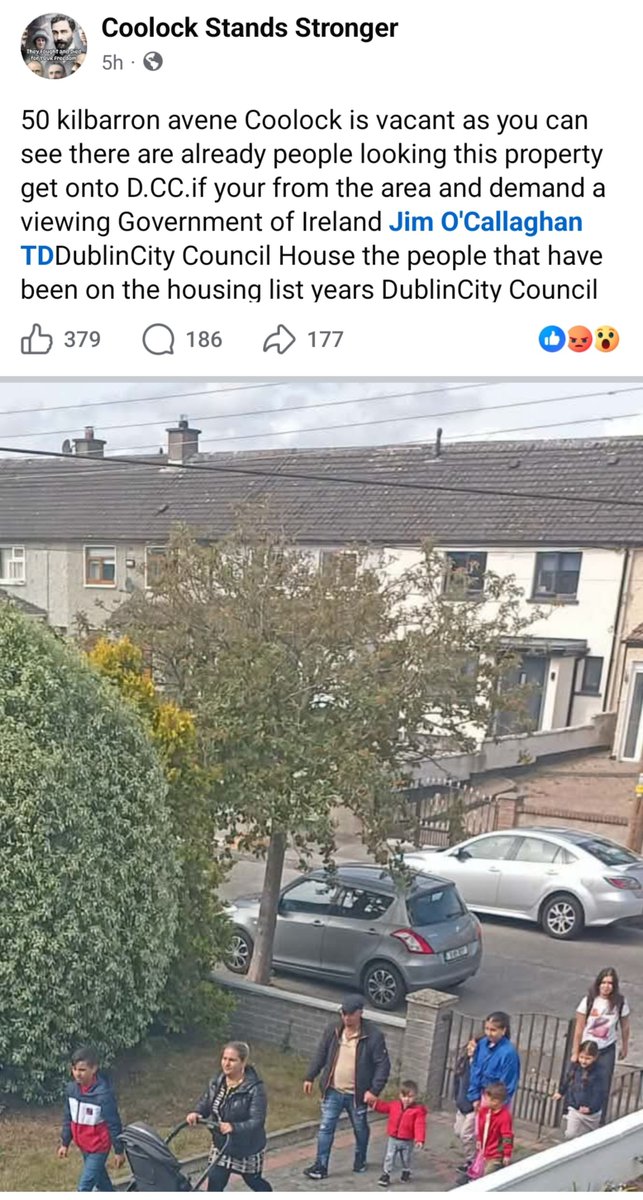
Justice Minister Jim O'Callaghan says his department has identified about 1,000 children who are beyond the reach of youth diversion programmes. https://t.co/26O2LNNVgd
Settle a bet. You think that wall is load bearing? It’s the S wall of master bathroom. The master bathroom is mad small. Master bedroom is big. Master bath/bed/closet are an addition, that section of the house is not tied into central heat & air.