Nigerian politician Peter Obi will run for president in the West African nation’s January elections, ensuring that the opposition to incumbent Bola Tinubu will once again be fragmented https://t.co/xNczHDLYgC
@AkpiSpeed I didn't just teach my children igbo language,I made sure I sent them to school in the East to write the language. My priority is to ensure they communicate in my language both in writing and speaking. I am proudly Igbo!
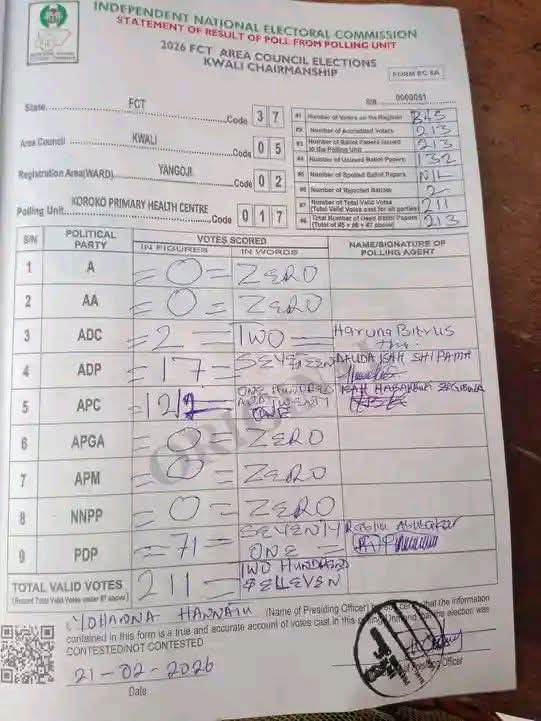
Total valid votes 211. But one poltical party scored 1212 votes. Yet someone asked if I voted in the sham election. There is no decent politics in Nigeria. What Nigerian politicians practice in most cases is gangsterism. Politics does not mean unethical behaviour, indiscipline and sabotage of due process as we see in Nigeria.
I am not a member of any political parties in Nigeria. My party is Nigeria.Nigeria belongs to all of us. We must develop it through due process and the rule of law. We have fundamental rights to express our views. We see evil we call it what it is. No amount of baptismal name we give to wrongs that can make it right.
We keep decieving ourselves that we practice democracy. No we are not. It is gangestersm in practice. There is no need wasting humongous amount of money on electiins. Let us allow those in power to coronate those they want to coronate and then spare the lives of innocent people who are being decieved that their votes matter or count. Votes in Nigeria hardly count. See for yourself. Let us speak out. The world is watching us.
This is the face behind the hatchet job.
Meet the author of the narrative.
This is the face pushing narratives that could fuel a Rwanda style genocide against Igbos.
Taiwo Aina Adeokun, Igbos won’t forget in a hurry.
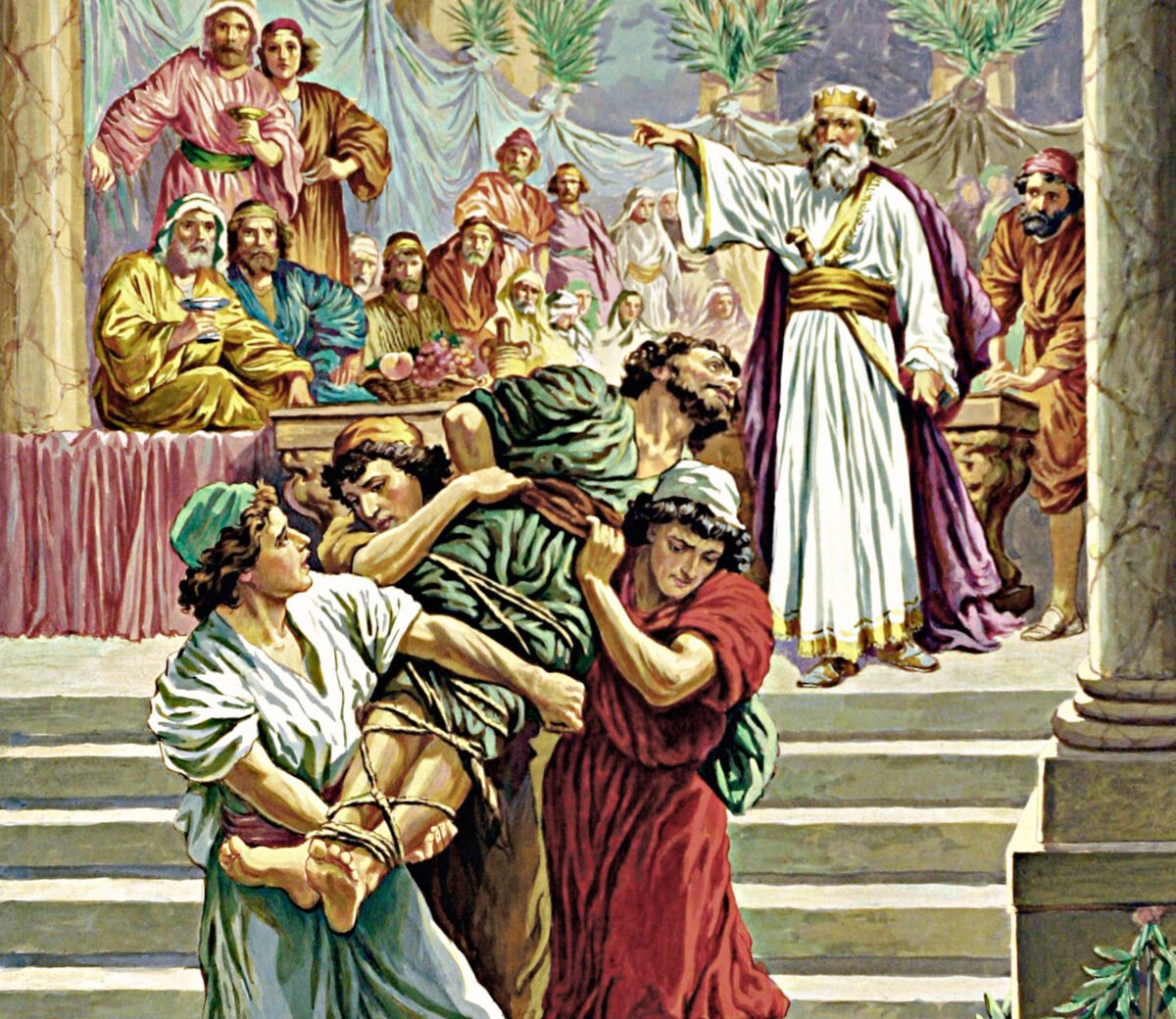
Title: The Parable of the Wedding Feast Explained Through Jewish Culture
Matthew 22:1–14
When we read the Parable of the Wedding Feast some of us feel confused, especially about the man who was thrown out for not wearing wedding garments. At first glance, it sound harsh or unfair. But when we read this parable through Jewish culture, everything becomes clear, logical, and deeply powerful.
Jesus was speaking to Jewish listeners, using Jewish wedding customs they understood very well. This parable is not about cruelty, it is about God’s grace, invitation, and righteousness.
Weddings in Jewish culture, especially the wedding of a king’s son, were among the most important and joyful events in society. Such a wedding was not a private ceremony. It was a public celebration that could last many days. The honor of attending was immense, and rejecting the invitation was seen as a serious insult.
In Jewish custom, invitations to a wedding were sent in two stages. The first invitation announced that the wedding was coming, and those invited agreed to attend. The second invitation was sent when everything was ready, telling the guests that it was time to come. When Jesus begins the parable by saying that a king prepared a wedding banquet for his son and sent servants to call those who had been invited, His Jewish listeners immediately understood that these guests had already accepted the first invitation. Their refusal to come was not ignorance, it was rebellion and dishonor.
This is why the response of the invited guests is so serious. Some ignore the invitation and go back to their farms and businesses. Others go even further and seize the servants, mistreat them, and kill them. To the Jewish mind, this clearly reflected Israel’s history. God had called Israel into covenant, and again and again He sent prophets to call them back to Him. Instead of listening, many ignored the message, and some even killed the prophets. Jesus was not telling a new story, He was retelling Israel’s story in parable form, and the religious leaders knew it.
When the king responds by judging those who rejected the invitation and destroying their city, this would not have sounded strange or cruel to a Jewish audience. In Jewish covenant theology, privilege brings responsibility. To reject a king’s invitation, especially after agreeing to attend, was an act of open rebellion. Many scholars understand this part of the parable as a prophetic warning about the coming destruction of Jerusalem, which happened in AD 70. Jesus was showing that persistent rejection of God’s grace eventually leads to judgment.
After this, the parable takes a shocking turn. The king tells his servants to go into the streets and invite everyone they can find, both good and bad. In Jewish society, especially at a royal wedding, this was unthinkable. A king’s banquet was for honored guests, not for strangers, outcasts, or morally questionable people. Yet Jesus deliberately includes this detail to show the radical nature of God’s grace. When those who were first invited rejected the call, the invitation did not disappear. It was extended to everyone. This is where the Gentiles enter the picture, along with sinners, the poor, and the socially rejected.
The wedding hall becomes full, and the story seems to end happily. But then Jesus introduces the most misunderstood moment in the parable. The king notices a man who is not wearing wedding clothes and asks him how he entered without them. The man is speechless. This detail is crucial. His silence shows that he has no excuse.
In Jewish royal weddings, it was common for the host to provide wedding garments. This was especially true when guests were invited unexpectedly from the streets. The garment was not a test of wealth or social status. It was a gift. To refuse to wear it was to dishonor the king and reject his authority. This man was not thrown out because he was poor or ignorant. He was thrown out because he deliberately rejected what the king had provided.
In Jewish thought, clothing often symbolized spiritual condition. Throughout the Old Testament, righteousness is described as a garment. Isaiah speaks of being clothed with garments of salvation and a robe of righteousness. Zechariah describes the removal of filthy garments from the high priest and the giving of clean ones. Jesus listeners would have immediately understood that the wedding garment represented a kind of righteousness that comes from God, not from human effort.
The man without the garment represents someone who accepts the invitation but refuses God’s terms. He wants to be present at the feast, but he does not want to submit to the king’s provision. In modern terms, he wants the benefits of the kingdom without honoring the King. This is why his punishment is severe. In Jewish culture, rejecting a king’s gift at his son’s wedding was a direct act of contempt.
This parable teaches that grace is free, but it must be received properly. The invitation costs nothing. The garment costs nothing. Everything is provided by the king. But it must be accepted. A person cannot stand before God on their own righteousness and expect to remain in His kingdom. The wedding garment points forward to the righteousness of Christ, which is given, not earned.
When Jesus concludes by saying that many are called but few are chosen, He is not saying that God invites many but only desires a few. In Jewish understanding, being “called” means being invited, while being “chosen” means responding rightly to the invitation. God’s call goes out to all, but only those who humble themselves and receive what He provides remain at the feast.
This parable fits perfectly with the wider biblical story. It connects with the Jewish wedding imagery found in John 14, where Jesus speaks as a bridegroom preparing a place for His bride. It connects with Revelation, where the marriage supper of the Lamb is described, and the bride is clothed in fine linen given to her. From beginning to end, Scripture presents salvation as an invitation to a wedding, where joy, covenant, and union are central.
In the end, the Parable of the Wedding Feast is not a message of fear but of honor and mercy. The door is open. The table is prepared. The garment is ready. No one is excluded because of background, past sin, or status. The only ones who are excluded are those who refuse the King’s gift and insist on standing before Him on their own terms.
The question Jesus leaves with His listeners, and with us today, is simple. Are we going to accept the invitation and humbly wear the garment the King has provided, or are we going to stand before Him clothed in our own righteousness and be found speechless?
@DavidHundeyin My question now is, what is the interest of France in Nigeria? They too are jostling for the same resource control. Will Nigeria ever rise beyond where we are today? I pray so, only with the right leadership.