Hey @Franklin_Graham, you & I are Christians. Jesus Christ is our Lord & Savior. And Donald Trump is EVERYTHING Jesus taught you & I NOT to be. Trump is the ANTITHESIS of how Jesus taught you & I to live. My God man, how dare you continue to support Trump. Shame on you.
The Princess of Wales is missing and the spare Prince is in exile and the King is treating his cancer with herbs. If this were the 1300s France would be looking to invade.
Top architectural styles
In software development, architecture plays a crucial role in shaping the structure and behavior of software systems. It provides a blueprint for system design, detailing how components interact with each other to deliver specific functionality. They also offer solutions to common problems, saving time and effort and leading to more robust and maintainable systems.
However, with the vast array of architectural styles and patterns available, it can take time to discern which approach best suits a particular project or system. Aims to shed light on these concepts, helping you make informed decisions in your architectural endeavors.
To help you navigate the vast landscape of architectural styles and patterns, there is a cheat sheet that encapsulates all. This cheat sheet is a handy reference guide that you can use to quickly recall the main characteristics of each architectural style and pattern.
–
Subscribe to our weekly newsletter to get a Free System Design PDF (158 pages): https://t.co/4QcX8btXGL
A picture is worth a thousand words: 9 best practices for developing microservices.
When we develop microservices, we need to follow the following best practices:
1. Use separate data storage for each microservice
2. Keep code at a similar level of maturity
3. Separate build for each microservice
4. Assign each microservice with a single responsibility
5. Deploy into containers
6. Design stateless services
7. Adopt domain-driven design
8. Design micro frontend
9. Orchestrating microservices
–
Subscribe to our weekly newsletter to get a Free System Design PDF (158 pages): https://t.co/4QcX8btXGL
Do you believe that Google, Meta, Uber, Twitter, and Airbnb put almost all of their code in one repository?
This practice is called a monorepo.
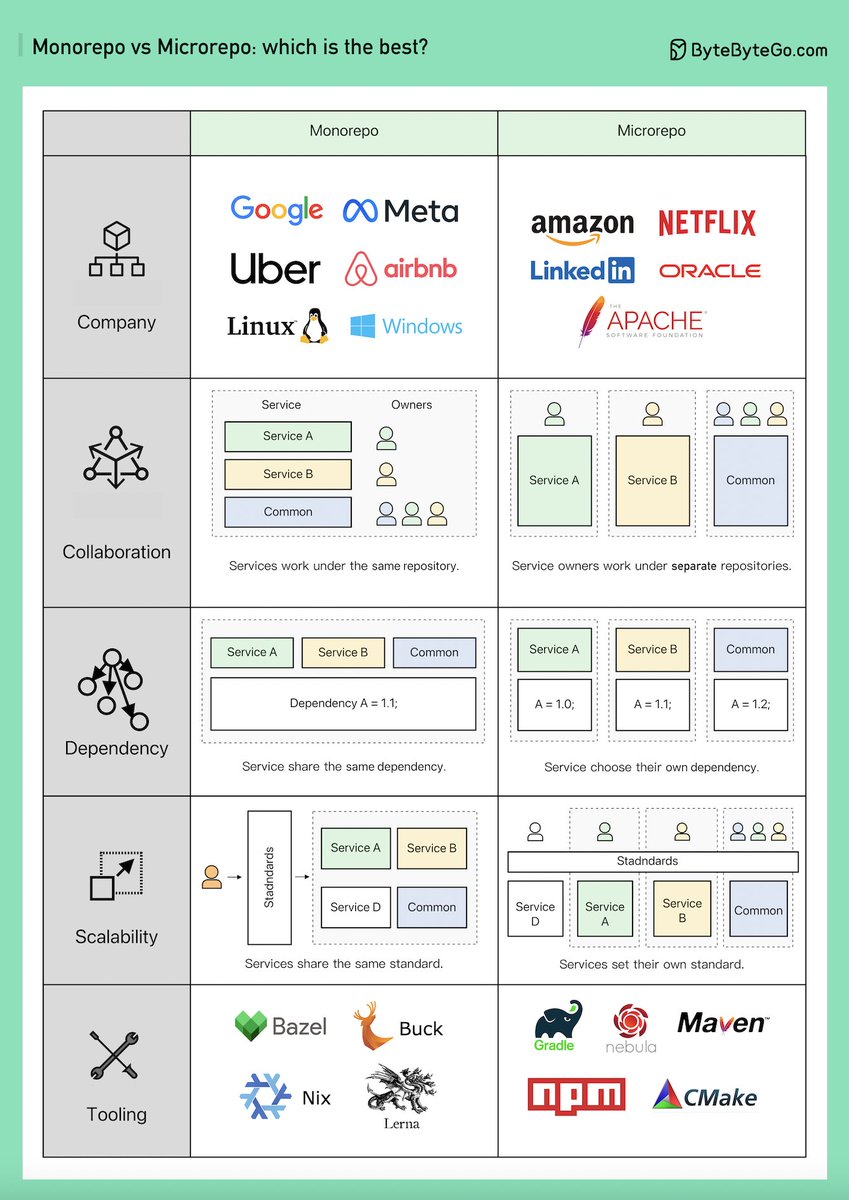
Monorepo vs. Microrepo. Which is the best? Why do different companies choose different options?
Monorepo isn't new; Linux and Windows were both created using Monorepo. To improve scalability and build speed, Google developed its internal dedicated toolchain to scale it faster and strict coding quality standards to keep it consistent.
Amazon and Netflix are major ambassadors of the Microservice philosophy. This approach naturally separates the service code into separate repositories. It scales faster but can lead to governance pain points later on.
Within Monorepo, each service is a folder, and every folder has a BUILD config and OWNERS permission control. Every service member is responsible for their own folder.
On the other hand, in Microrepo, each service is responsible for its repository, with the build config and permissions typically set for the entire repository.
In Monorepo, dependencies are shared across the entire codebase regardless of your business, so when there's a version upgrade, every codebase upgrades their version.
In Microrepo, dependencies are controlled within each repository. Businesses choose when to upgrade their versions based on their own schedules.
Monorepo has a standard for check-ins. Google's code review process is famously known for setting a high bar, ensuring a coherent quality standard for Monorepo, regardless of the business.
Microrepo can either set their own standard or adopt a shared standard by incorporating best practices. It can scale faster for business, but the code quality might be a bit different.
Google engineers built Bazel, and Meta built Buck. There are other open-source tools available, including Nix, Lerna, and others.
Over the years, Microrepo has had more supported tools, including Maven and Gradle for Java, NPM for NodeJS, and CMake for C/C++, among others.
Over to you: Which option do you think is better? Which code repository strategy does your company use?
--
Subscribe to our weekly newsletter to get a Free System Design PDF (158 pages): https://t.co/4QcX8btXGL
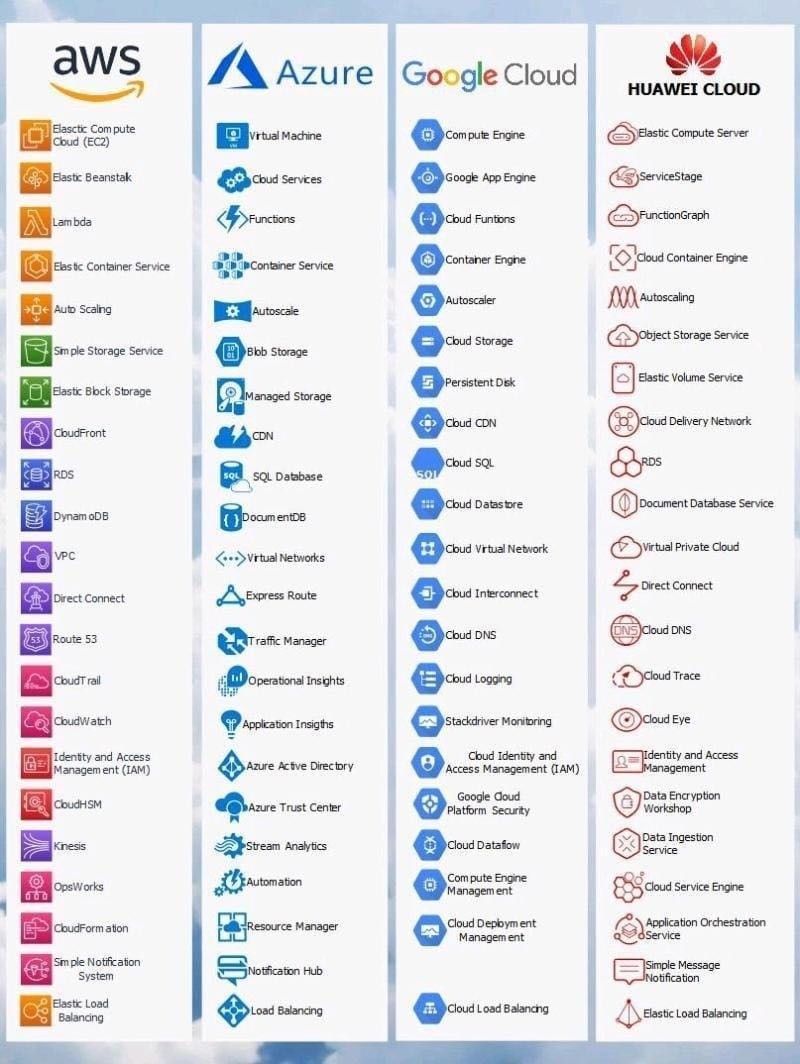
A nice cheat sheet of different cloud services.
--
Subscribe to our weekly newsletter to get a Free System Design PDF (158 pages): https://t.co/7ux5WHZMsr
🪄 Anatomy of a Spring Boot App with Clean Architecture by @svpember @ Spring I/O 2023
▶️ Video: https://t.co/CblX24ZnYd
🔗 Slides: https://t.co/naM2aYlS33
🛠️ GitHub Repo: https://t.co/HI5qmaLRJB
#springio23
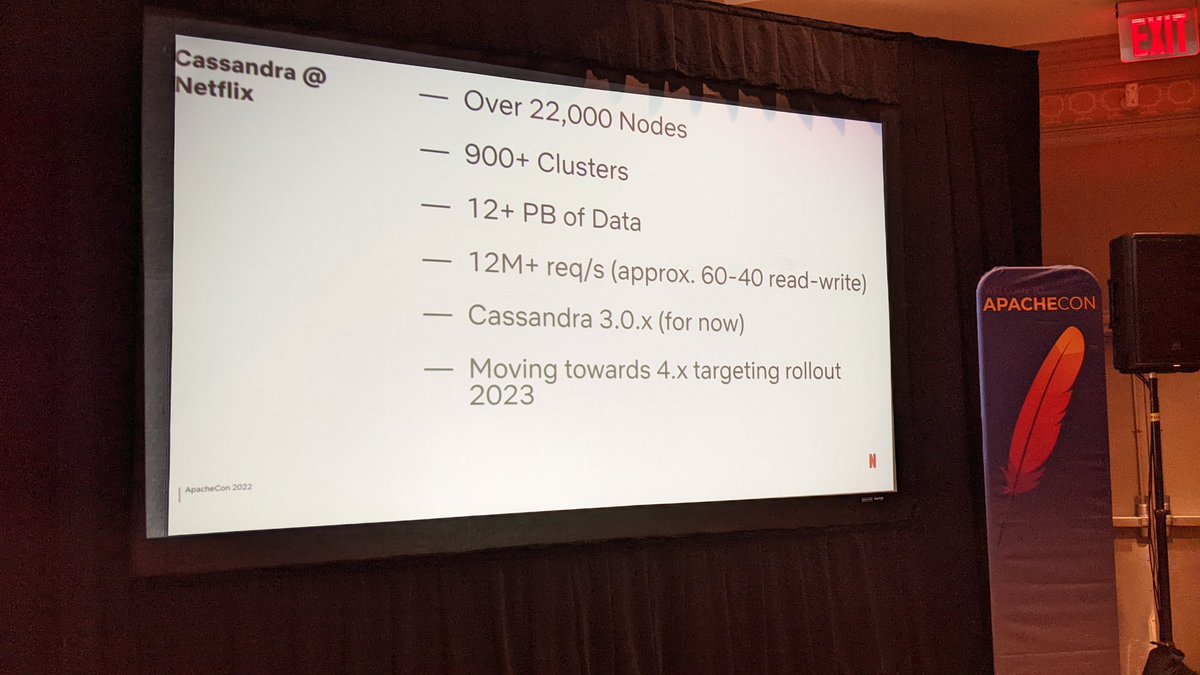
900 @Cassandra clusters + 12PB of data + 22000 nodes + 12M ops/sec = @Netflix operating at internet scale! 😮
Jordan West + Cheng Wang share how they deal with bad partitions at @ApacheCon. 👍
#ACNA2022#ApacheCassandra