Thanks so much for all the condolences for the loss of Isabelle.We're so grateful for offers of help but as we can't think straight at the moment,a colleague has kindly done a fundraiser page until we can function enough to know what we need.Thank you x https://t.co/lpt8dD15u3
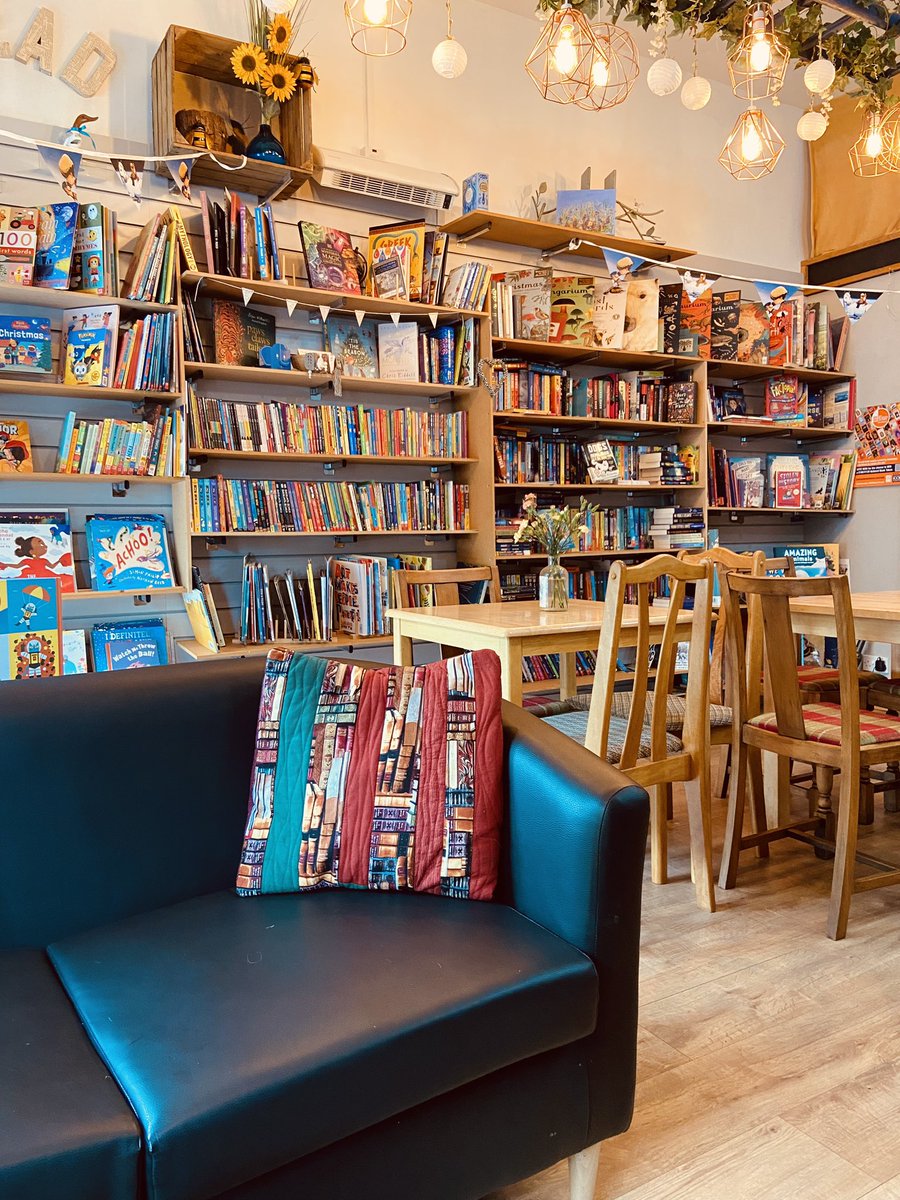
I haven’t had a good month, money-wise,at TT so far - I haven’t made the rent yet ( let’s skip over the fact I haven’t had a wage for five years 😆- I know, it’s my bad!) but if you could retweet my online shop I’d be every so grateful! I’ll link it in the comments. Thank you! 🙏🏻
‘They Just Don’t Care’
I’m seeing lots of posts bemoaning that the Year 11s just don’t seem to care about their upcoming GCSEs. They aren’t motivated or worried about their speaking exams starting in two weeks time and nothing seems to make a difference.
This is exactly what would be predicted by the science of motivation. Motivation can come from the inside or the outside (or a mixture of the two). Standard schooling works on a principle of controlling children’s motivation. From the moment that children start school, adults are working to motivate them through rewards, sanctions, grades and approvals. They tell children that what they want to do is less important than what adults want them to do. They make them learn things which have no purpose to them, because they will be ‘important later on’.
This changes the purpose of learning. Young children learn because they want to find out and they are driven to explore the world. They ask questions because they are curious and want to participate. It’s hard to stop young children learning, and their learning is very individualised and frequently messy.
Adults try to make this linear, to make them follow a formal process. This isn’t how children naturally learn, and so they have to be controlled in order to do what is required. When we take away their choices and instead give them stickers and certificates to make them do what we want, then we turn learning into an exercise in compliance.
Now they aren’t learning because they want to find out, they are learning because they are being told that they have to. They don’t read because they love stories, they read because they have to do 15 minutes every night to tick it off. They are helpful because they might get an Achievement Point, or a 'Caught Being Kind' sticker.
The research shows that over time, this will damage their internal drive to learn and this is exactly what we see. They don’t ask why any more, they ask what will be on the test. They don’t choose a topic because they are interested, they choose whatever they think will be easiest. And over time, the stickers and stars lose their sparkle. It’s easy to control a five-year-old with a sticker, but 15-year-olds will laugh in your face.
When we focus on the cognitive science of learning, it’s easy to miss that the science of motivation is as important. Experimental studies on how adults learn often don’t even address this issue, because adults have some level of choice in what they do and that is assumed.
For children and teenagers, it’s different. They often have no choice at all. What they want to learn doesn’t matter. Understanding the science of learning is futile if the learner doesn’t want to know. Cognitive science doesn’t apply to forced learning. What the learner thinks, matters.
It’s easy to blame teenagers, or their parents, or even the pandemic. It’s deeply frustrating when you are trying to help people who just don’t care. But what if this is actually the predictable result of our education system?
We ignore the science of motivation and our young people pay the price.
University of Cambridge is the 3rd-best university in the world.
And they have just released free online courses for everyone.
Here are 10 courses you don't want to miss in 2024: ↓
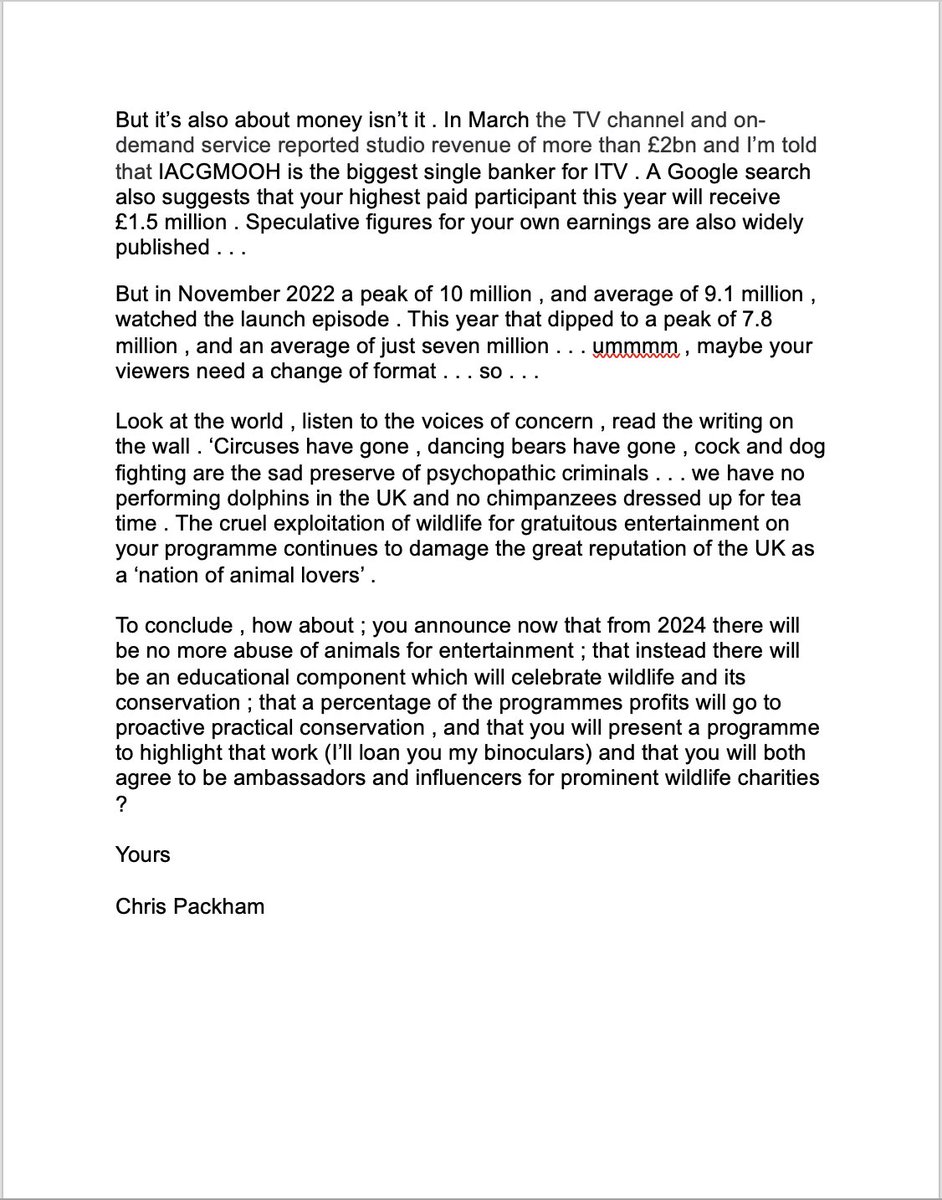
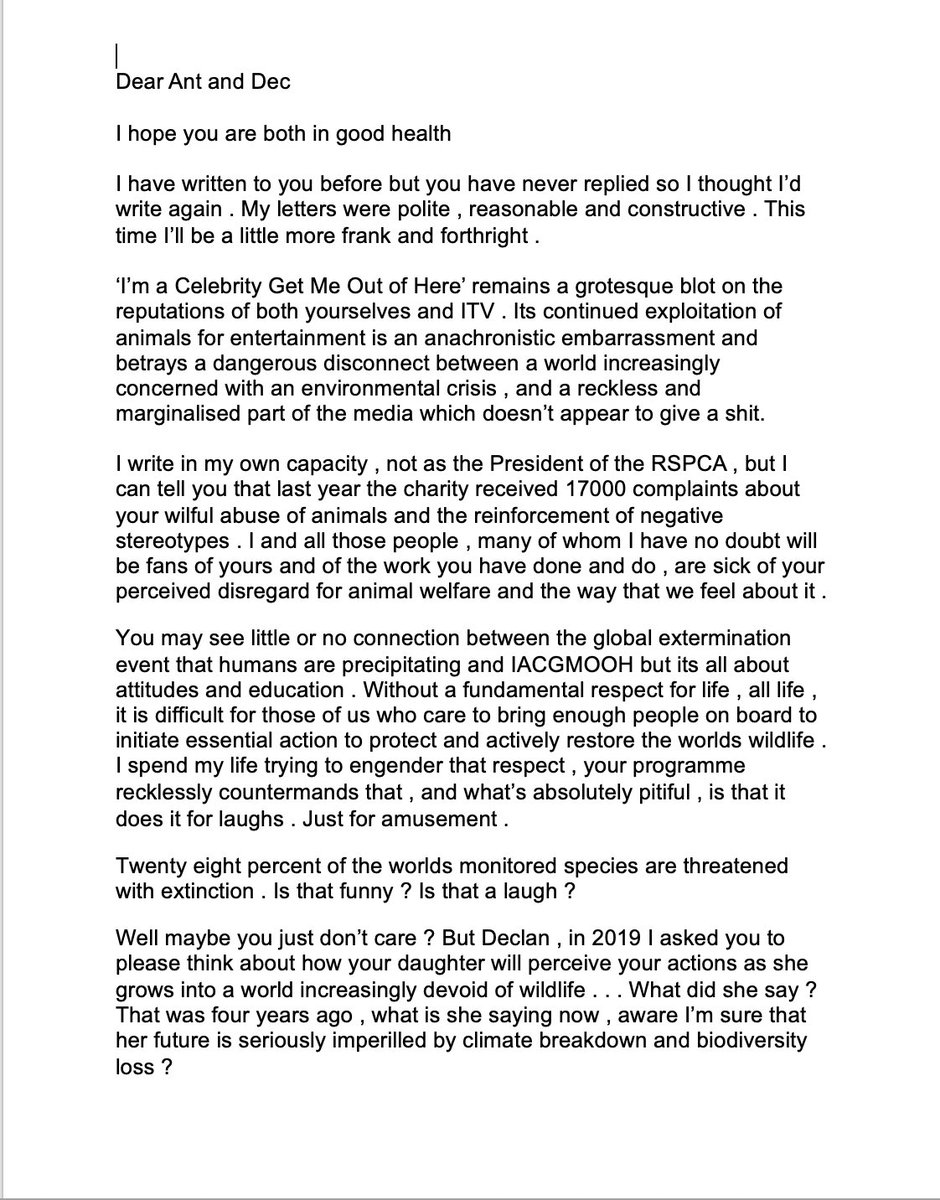
Hello , I’ve written another letter to @antanddec about the ongoing appalling abuse of animals on @ITV programme @imacelebrity . I’ve tried to be polite but my patience has run thin . If you agree with what it says please RT . #ImACeleb
Woooah!! 🌎🌍🌏💃🕺
First full tectonic plate reconstruction of the last billion years – spanning nearly a quarter of the Earth’s existence. Research & timelapse by an international team of scientists including experts from the University of Adelaide
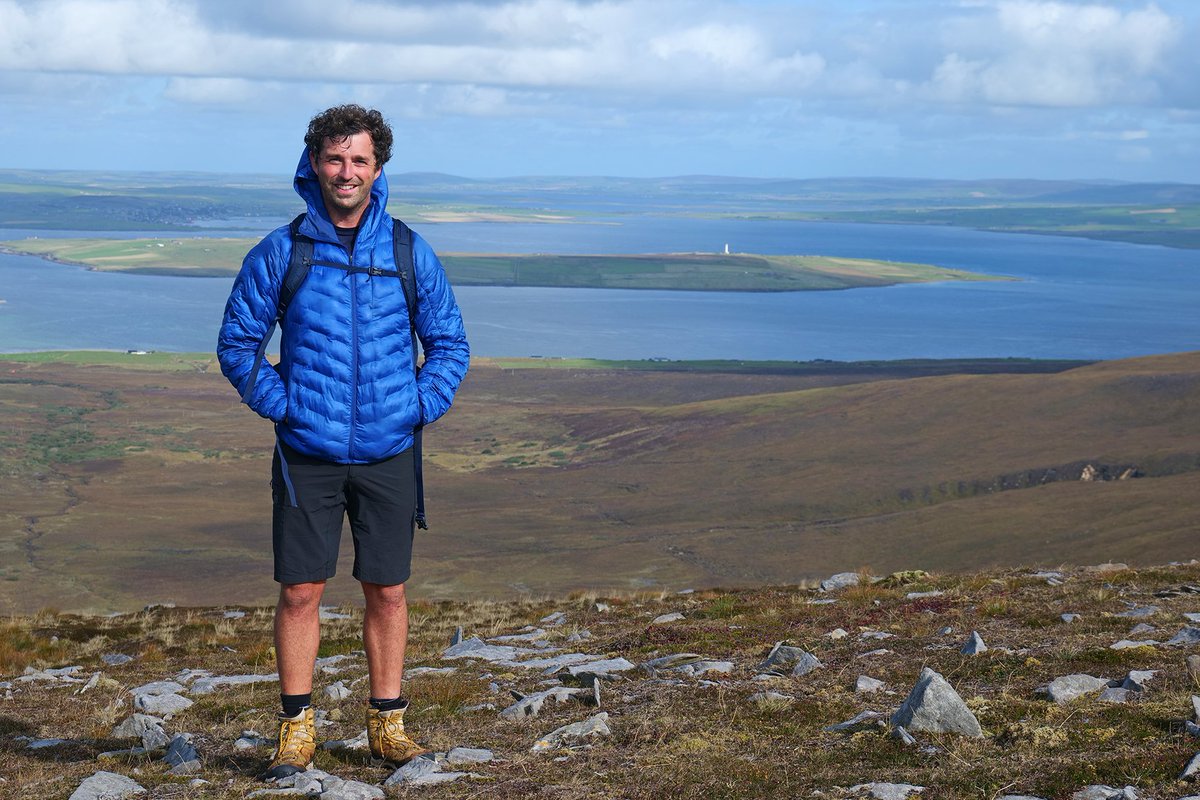
I’ve been living in #Orkney for the past fortnight and, for anyone interested, here’s some photo highlights and pieces of interest/facts I’ve picked up along the way - very much for folk unfamiliar with the islands and would like to learn more. 🧵
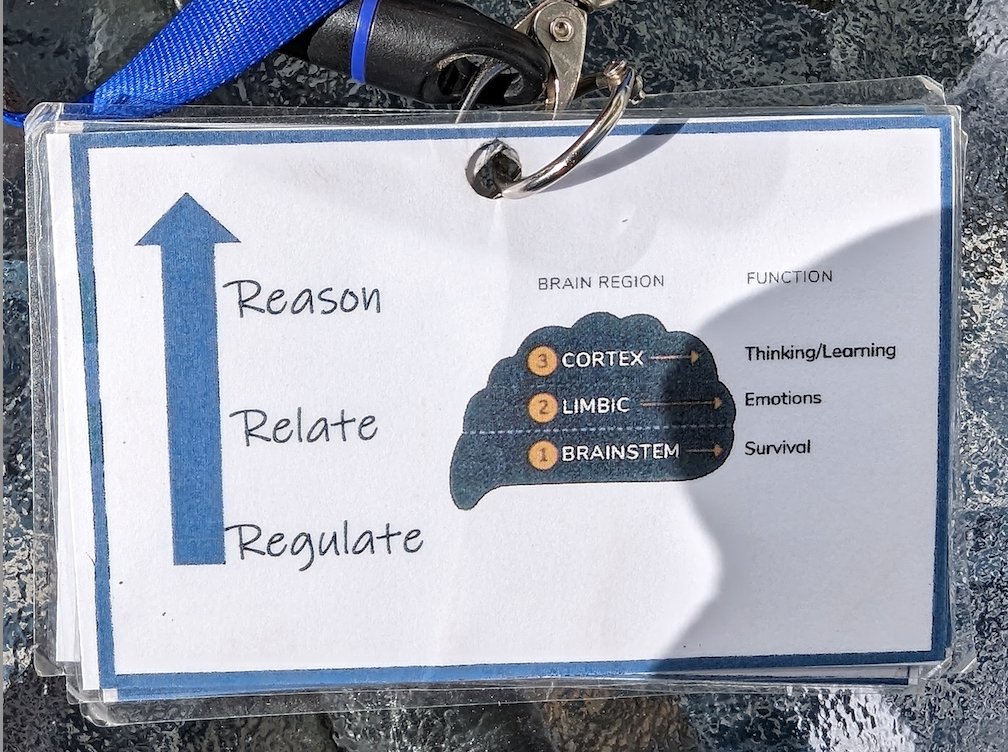
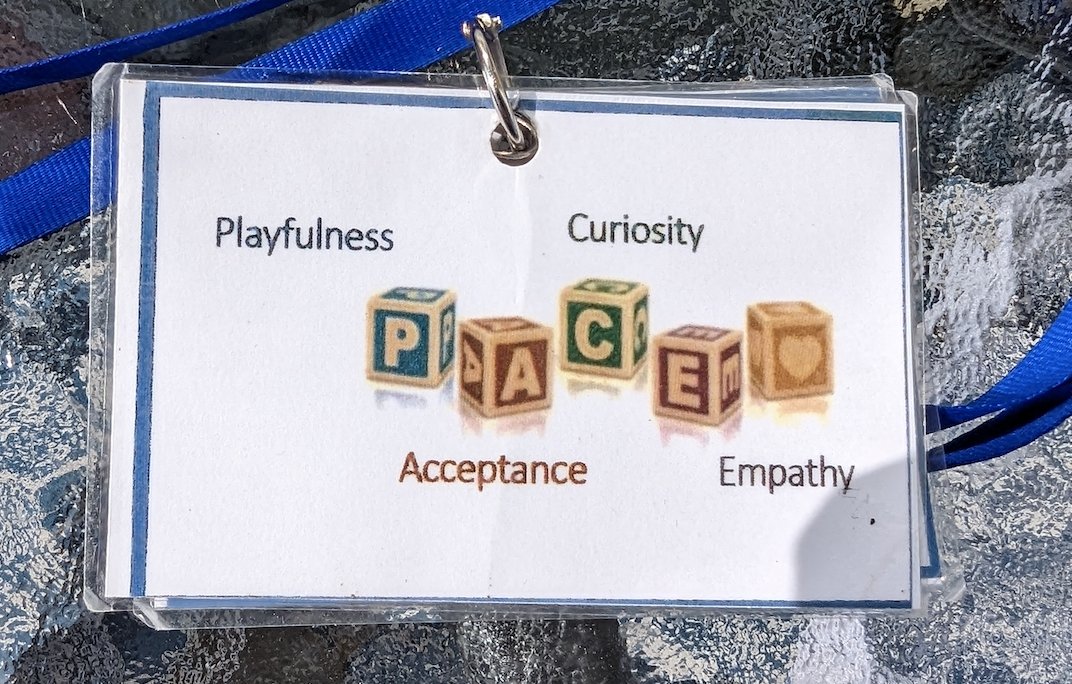
"But what can we do to help meet the needs of children when emotional regulation collapses?"
Here's what they did at @KirnPrimaryScho. They created these reminder cards of Regulate-Relate-Reason. They can hang on staff lanyards & support staff when dealing w/ tricky moments.
I enjoyed the Horizons tour very much, so I decided to add in many of the cities across the U.K. that I missed on the Arena tour last year. Smaller venues, a bit more physics, new discoveries, starts in January. Presale here - https://t.co/VZF6Ui1ziB
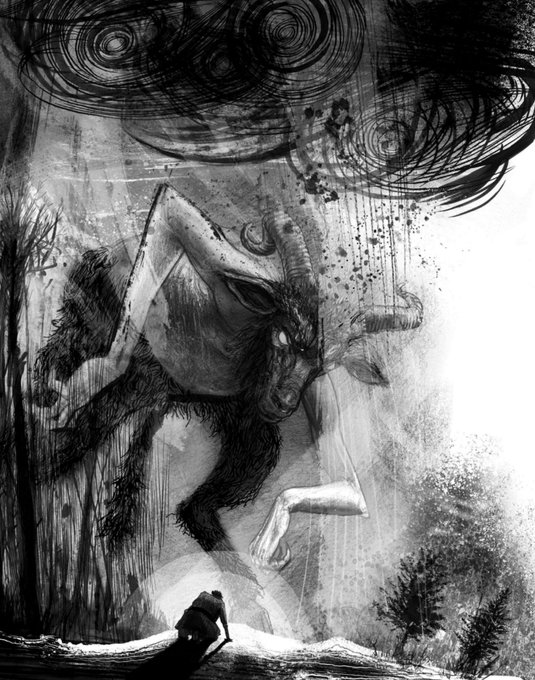
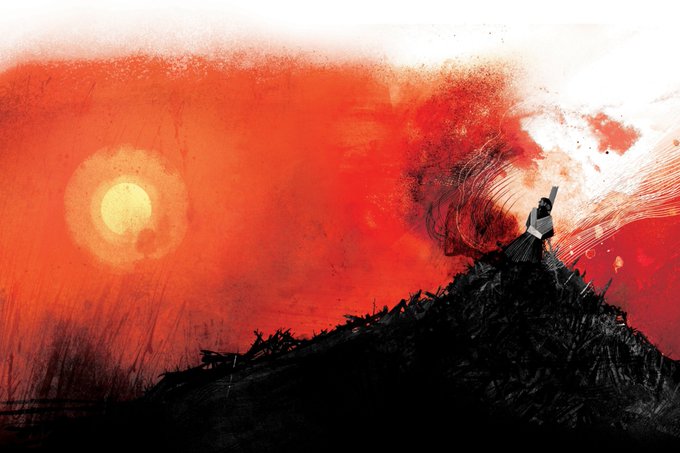
Thrilled that this week sees the publication of my 1st book for children.
It tells the story of the Persian invasion of Greece, & features gods, nymphs, girls turning into bears, boys turning into wolves, & the most gorgeous illustrations by @littlyellow
https://t.co/giYuT9adcN
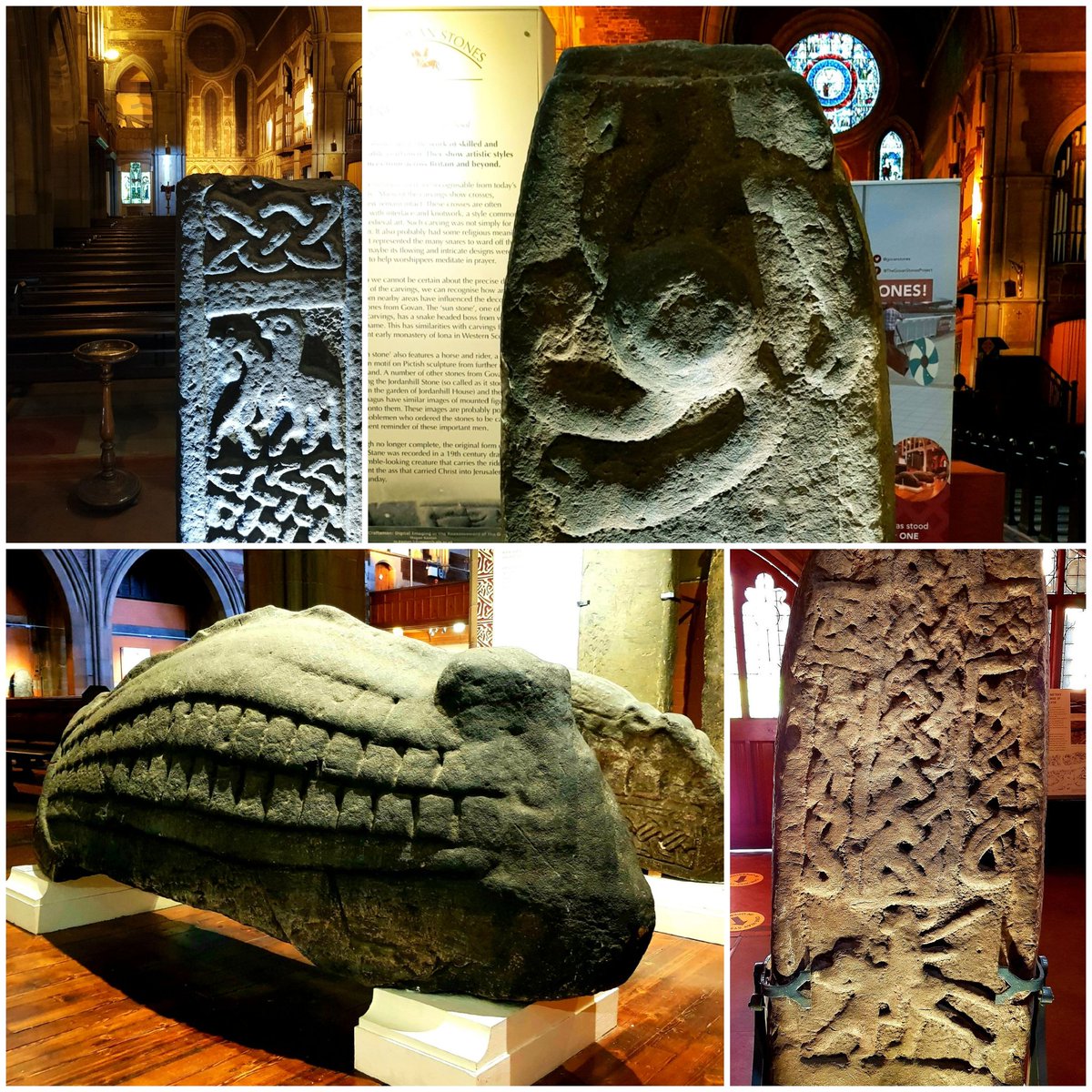
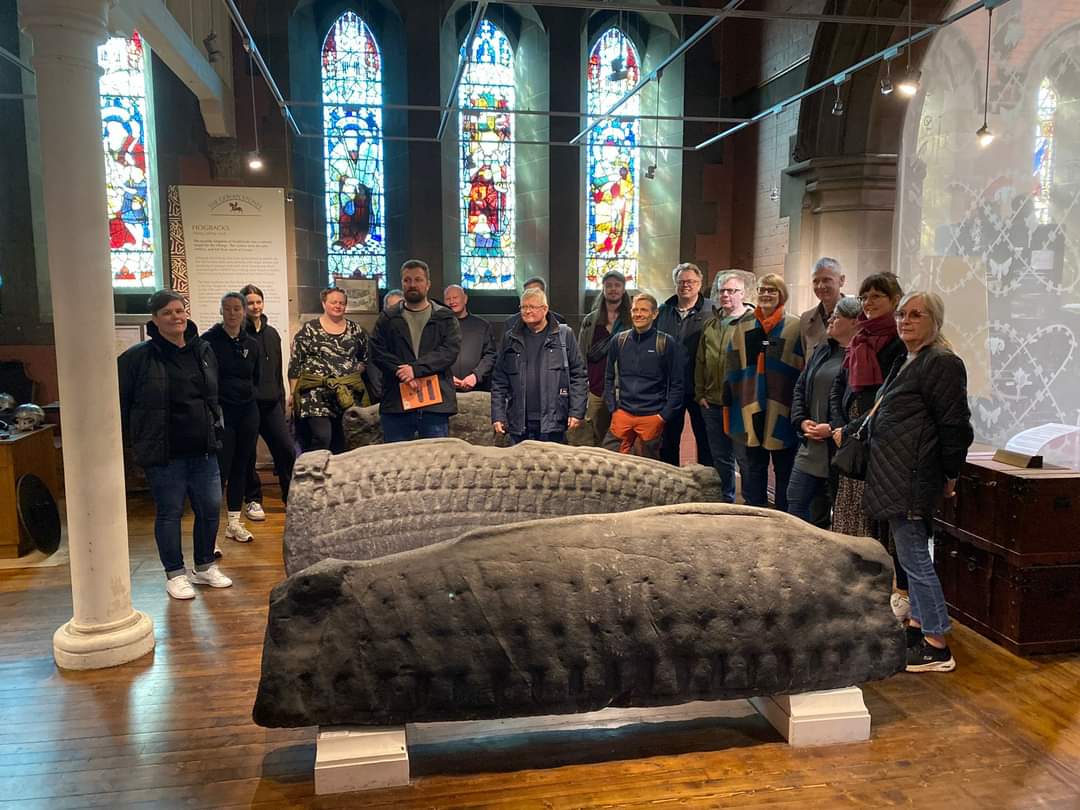
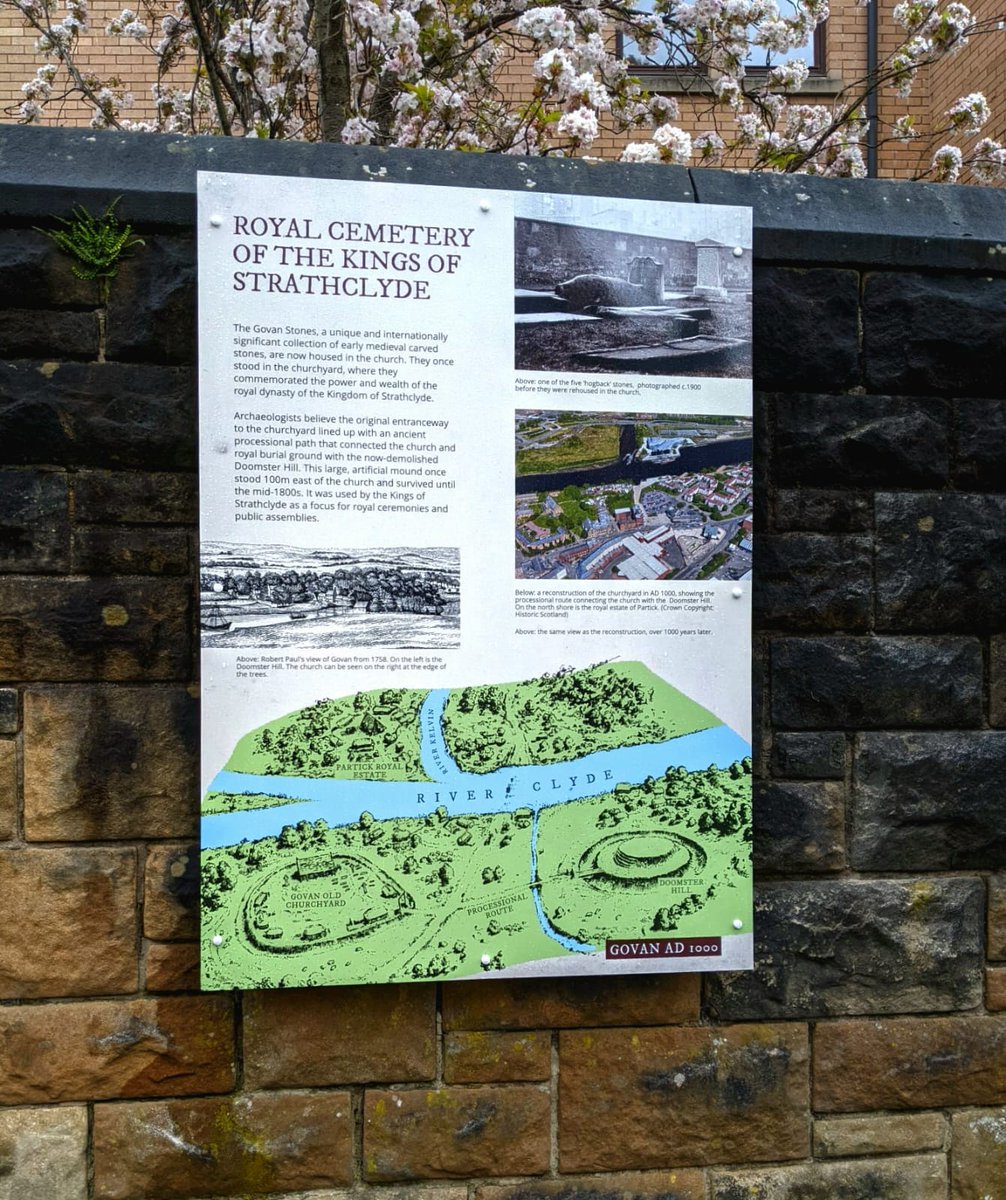
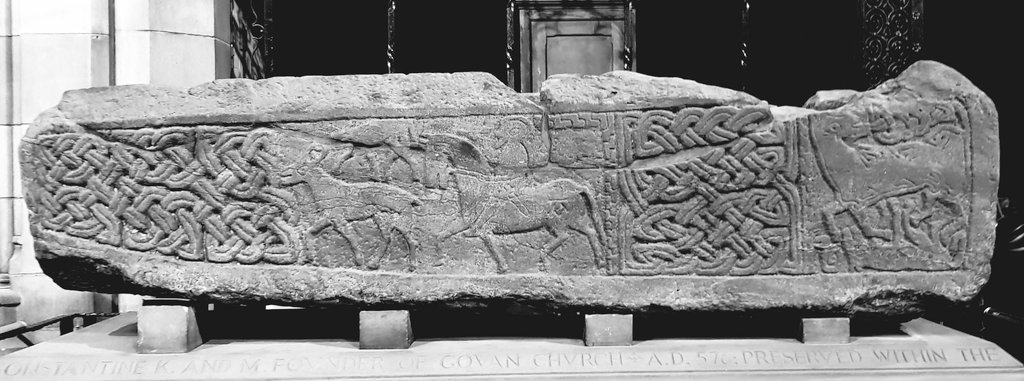
We would love to increase our follower numbers so we can reach more people - please RT and like this to help our free early medieval museum, its 1,500-year-old graveyard of kings and queens, and its stunning collection of carved stones from the Viking-Age Kingdom of Strathclyde!
In my book I describe how the British Nutrition Foundation is funded by almost every food company you can think of, including Coca-Cola, Nestlé, Mondelēz, PepsiCo, Mars, Danone, Kerry and Cargil. It’s a great example of how these companies influence policy and your health…🧵