Physician-Scientist in Epilepsy, Neurostimulation, & Neuroimaging | Entrepreneur | Instructor @harvardmed @mghneurosci | President, New England Epilepsy Society
@EpilepsyFdn We would also like to thank @MGHNeuroSci@UCSanDiego for their help along the way. We are thrilled to take our venture to the next level and translate the most advanced EEG technology from bench to bedside for our patients!
I am excited to share that our venture, NeuroWeaves, won the @EpilepsyFdn Shark Tank Competition!
NeuroWeaves are minimally-invasive EEG electrodes, thinner than hair, that can be easily placed in the scalp for days, weeks, or months with minimal maintenance.
#Neurotech#medtech
@EpilepsyFdn The goal is to streamline EEG placement, enhancing efficiency and reliability for outpatient settings, ICUs, EMUs, and long-term home use.
Our incredible team, Including Drs. Sydney Cash & Shadi Dayeh, are incredible honored to have the support of EF in our endeavor.
A new CNTR podcast episode has just dropped!
We explore how neuroimaging 🧠, signal processing ⚡️, and machine learning 🤖are advancing a network-based understanding of epilepsy and more precise interventions.
https://t.co/YAzdrmWrWO
@PeterNHadar@andrewli1127@NEEpilepsySoc
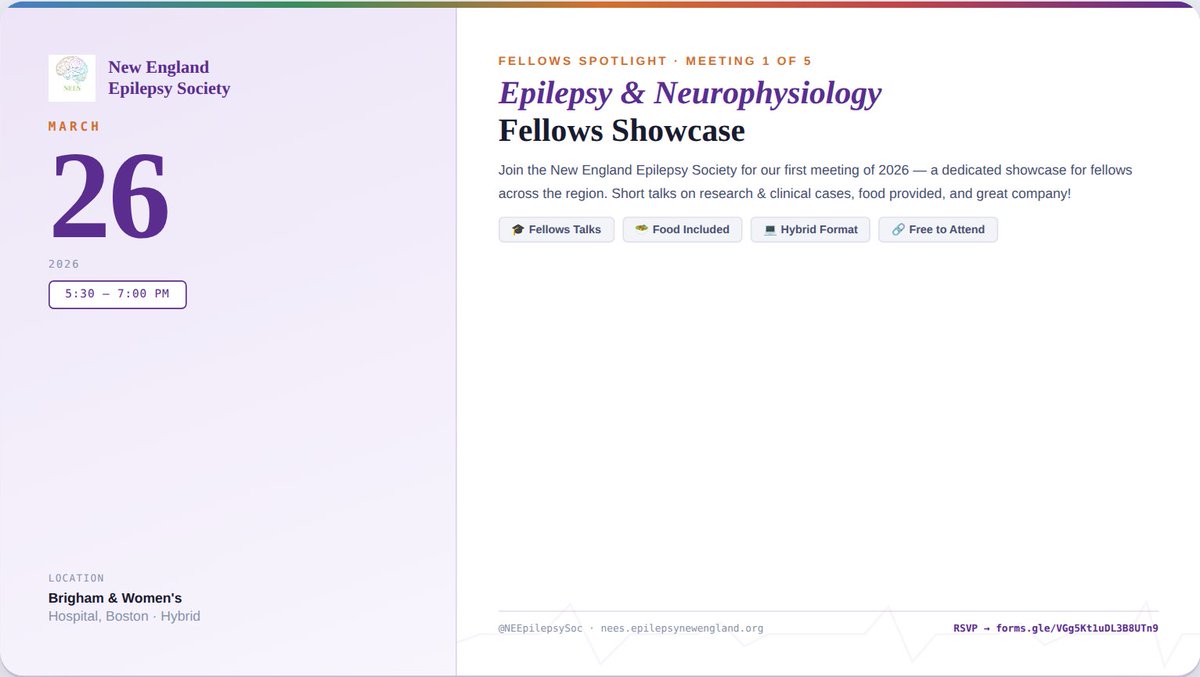
🧠 NEES Meeting #1 — Fellows Spotlight!
March 26 · 5:30–7 PM · Brigham & Women's Hospital, Boston (hybrid )
Spotlighting epilepsy & neurophysiology fellows across New England. 10–15 min talks on research & cases. Food included!
RSVP 👉 https://t.co/pkc9dlZnfu #Epilepsy
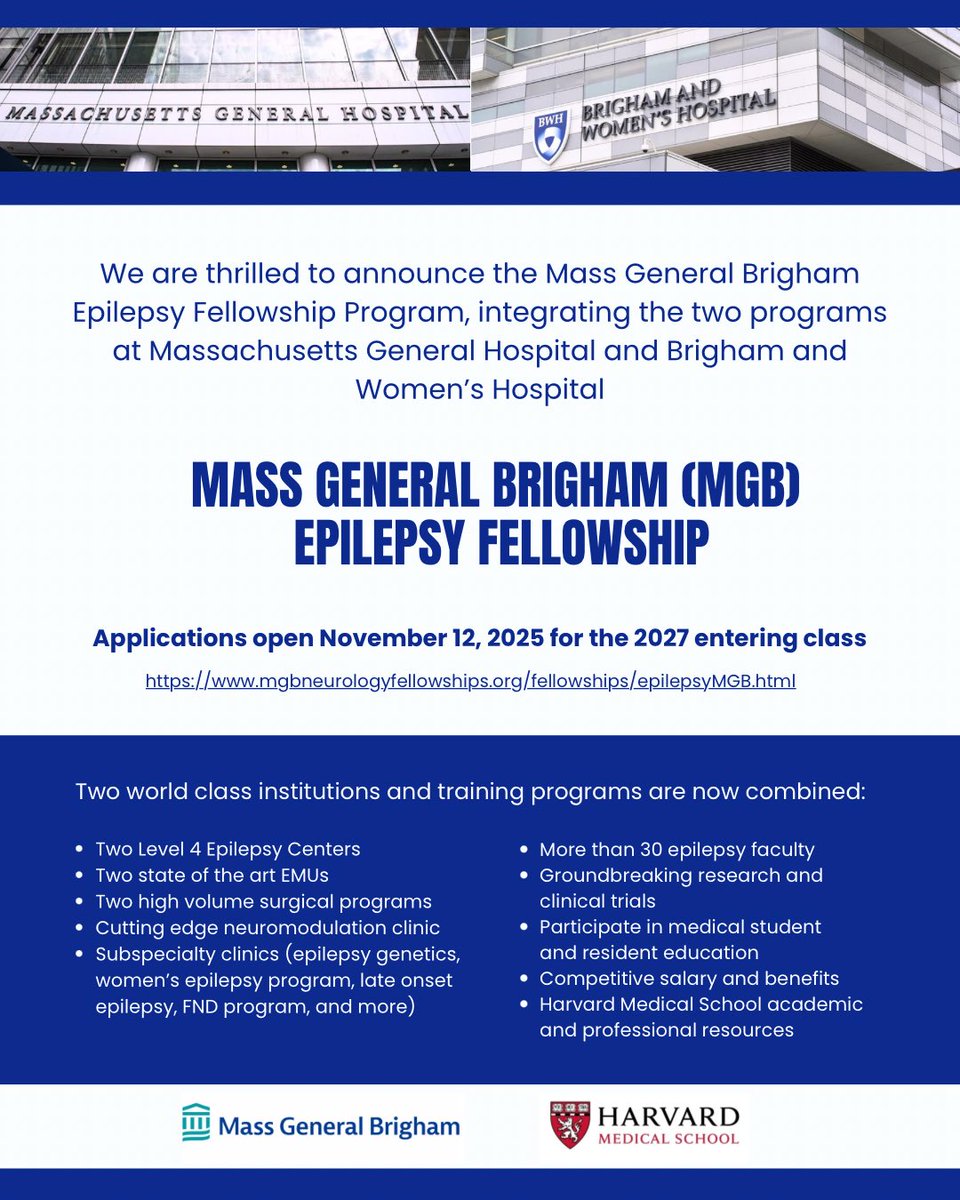
We are so excited to announce the combined MGB Epilepsy and Clinical Neurophysiology Fellowships! Applications open November 12. Click on the link to learn more about our programs.
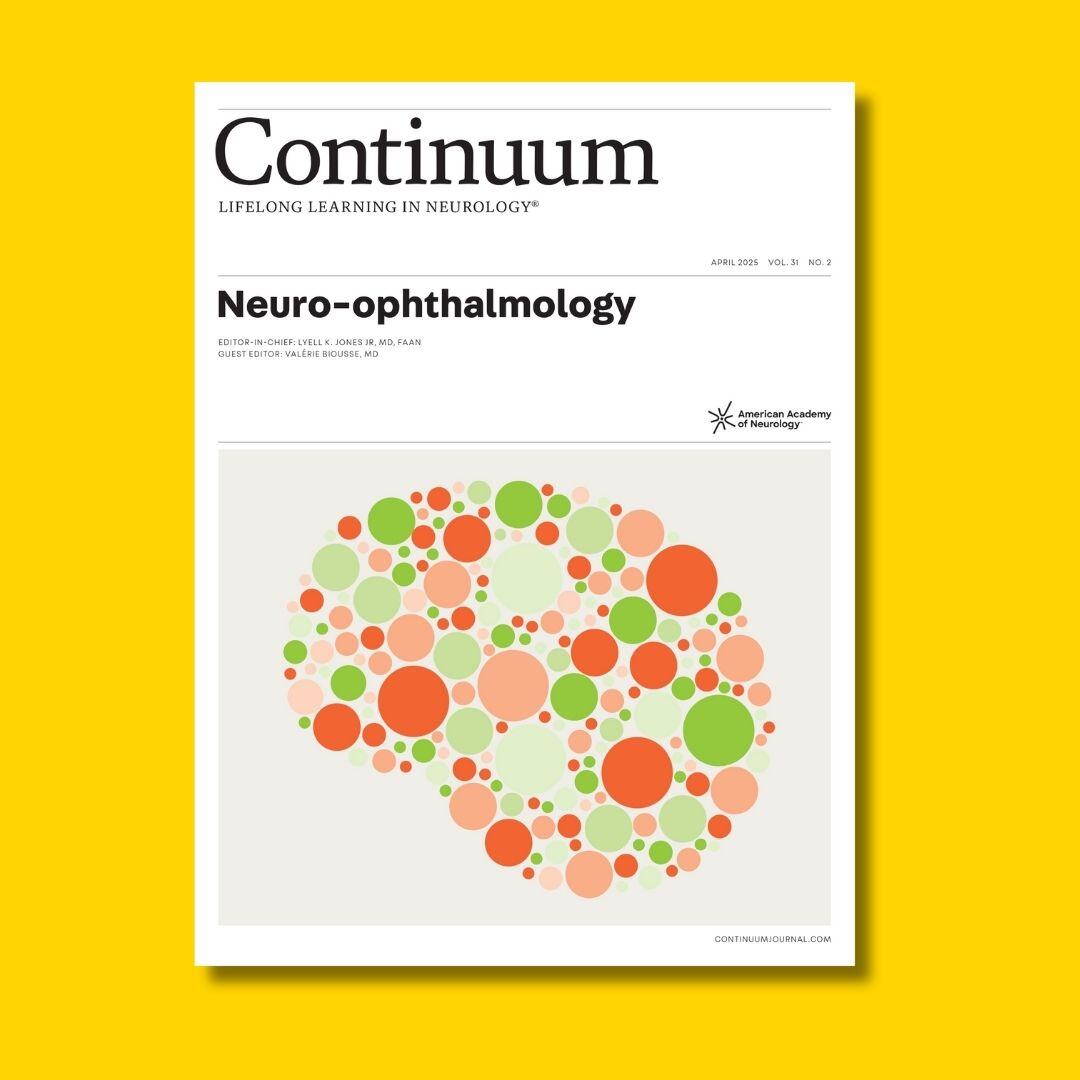
Listen to Drs. Katie Grouse and Peter Hadar discuss his article from the latest #Neuroophthalmology issue. This BONUS episode is available on all podcast platforms or at https://t.co/Z7K29sVfYU.
@PeterNHadar#Neurology
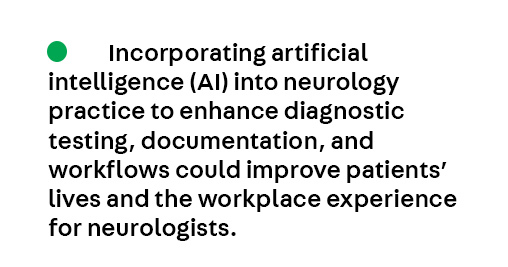
Key Point 3 from the article Clinical Applications of Artificial Intelligence in Neurology Practice by Drs. Peter Hadar and Lidia Moura, from the April #Neuroophthalmology issue, which is available to subscribers at https://t.co/PiELAtvcmf
#Neurology#NeuroTwitter#MedEd#AI
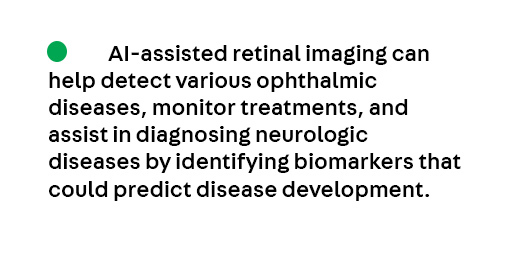
Key Point 2 from the article Clinical Applications of Artificial Intelligence in Neurology Practice by Drs. Peter Hadar and Lidia Moura, from the April #Neuroophthalmology issue, which is available to subscribers at https://t.co/NYePtkVQr7
#Neurology#NeuroTwitter#MedEd#AI
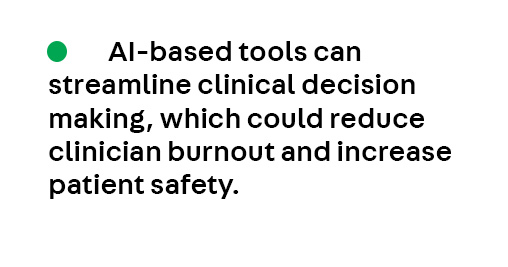
Key Point 1 from the article Clinical Applications of Artificial Intelligence in Neurology Practice by Drs. Peter Hadar and Lidia Moura, from the April #Neuroophthalmology issue, which is available to subscribers at https://t.co/1MjXum4BNQ
#Neurology#NeuroTwitter#MedEd#AI
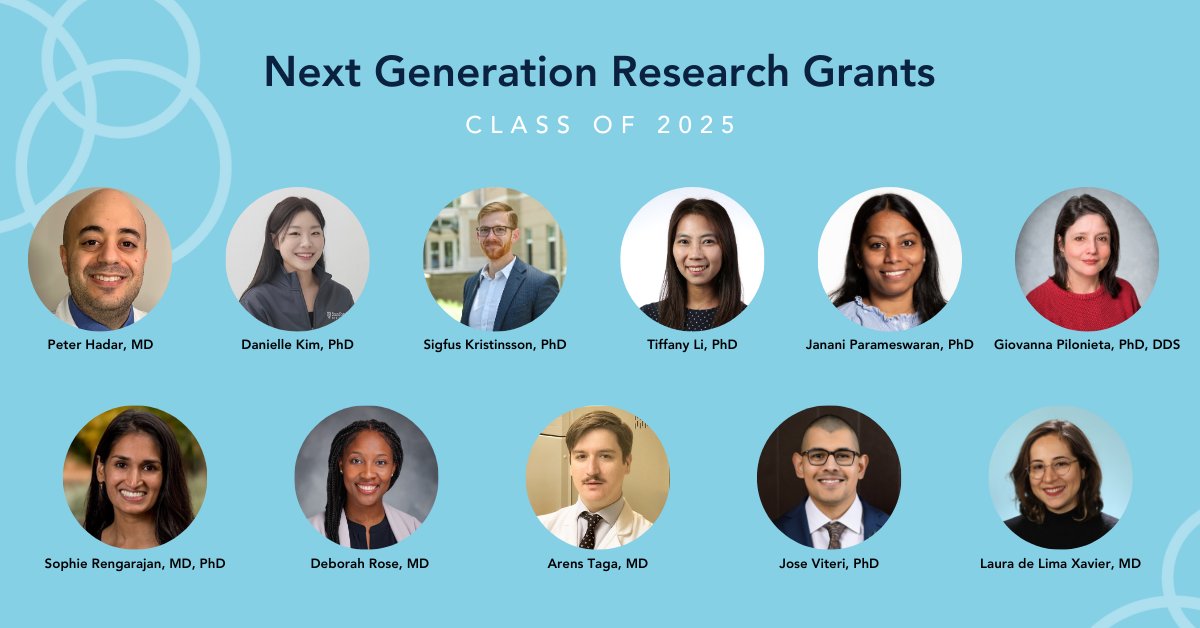
Announcing this year’s class of Next Generation Research Grant recipients! These eleven early-career researchers will each focus on brain disease research that will lead to important insight, improved treatments, and potentially significant breakthroughs. https://t.co/8S1DXHM73I
Dr. Lidia Moura and I are glad to share our recent article in Continuum Neurology on "Clinical Applications of Artificial Intelligence in Neurology Practice!" 🧠🤖https://t.co/7TuCer1PhA #neurology#neurotwitter#meded
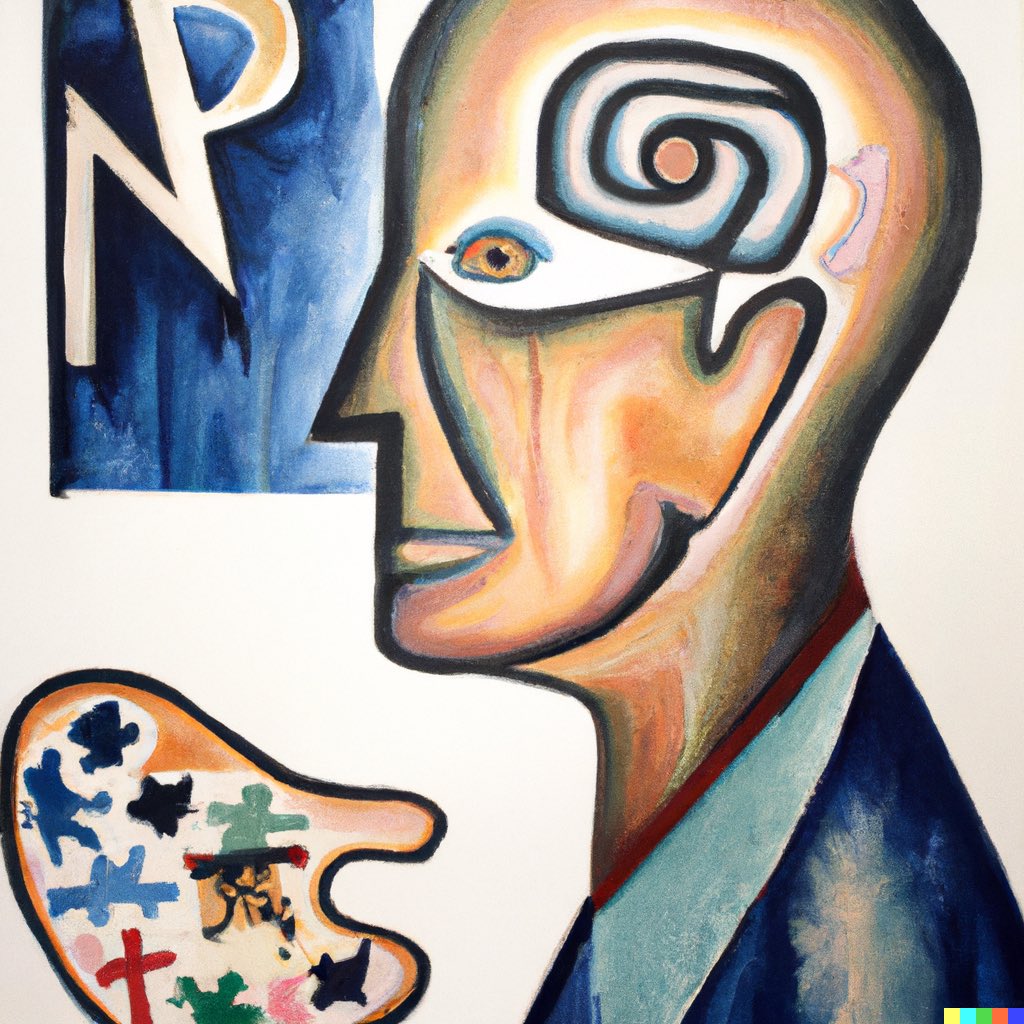
AI-generated paintings derived from “Painting in the style of Picasso depicting neurology and neurosurgery.” Take a look at DALL-E! https://t.co/pTiuDYxTpr
On this Valentine’s Day, a summary our Table of Contents in valentine form. Hopefully our love for cell and developmental biology and all of our authors and reviewers shines through.
Santiago Ramón y Cajal (1852-1934) made some 2,900 scientific drawings. His intricate pencil and ink drawings told the world: this is how your brain is put together. #neuroscience
https://t.co/vdJeot1EUa