Updated and refined articles on pre-2000 graphics for modern video games: 640x480 or smaller, 12800 triangles per frame or fewer, tile- and sprite-based graphics, software rendering, MIDI music. https://t.co/a2oHKtguDu #gamedev
@dunkatog: Can you resolve the issue of Neyith of the Dire Hunt's first ability when multiple players declare blockers in the attack multiple players option? For details, see my comment at: https://t.co/jdQ7hFb2I3
Suppose you have a coin that shows heads with #probability p. Can you get heads with probability exactly sqrt(p)? What about min(p, 1-p)? This is the "Bernoulli factory problem"; see my page for ways to solve it: https://t.co/JDFhtWcexw
Visit and comment on my articles on traditional computer graphics, especially the kind before 2000, and try adopting them in modern games and applications. #gamedev#retrogaming#indiedev
@learnwithSAP "Students learn language by using it." → Not only, but also by practicing it.
"...explain their thinking before introducing new vocabulary" → Explain their thinking about what?
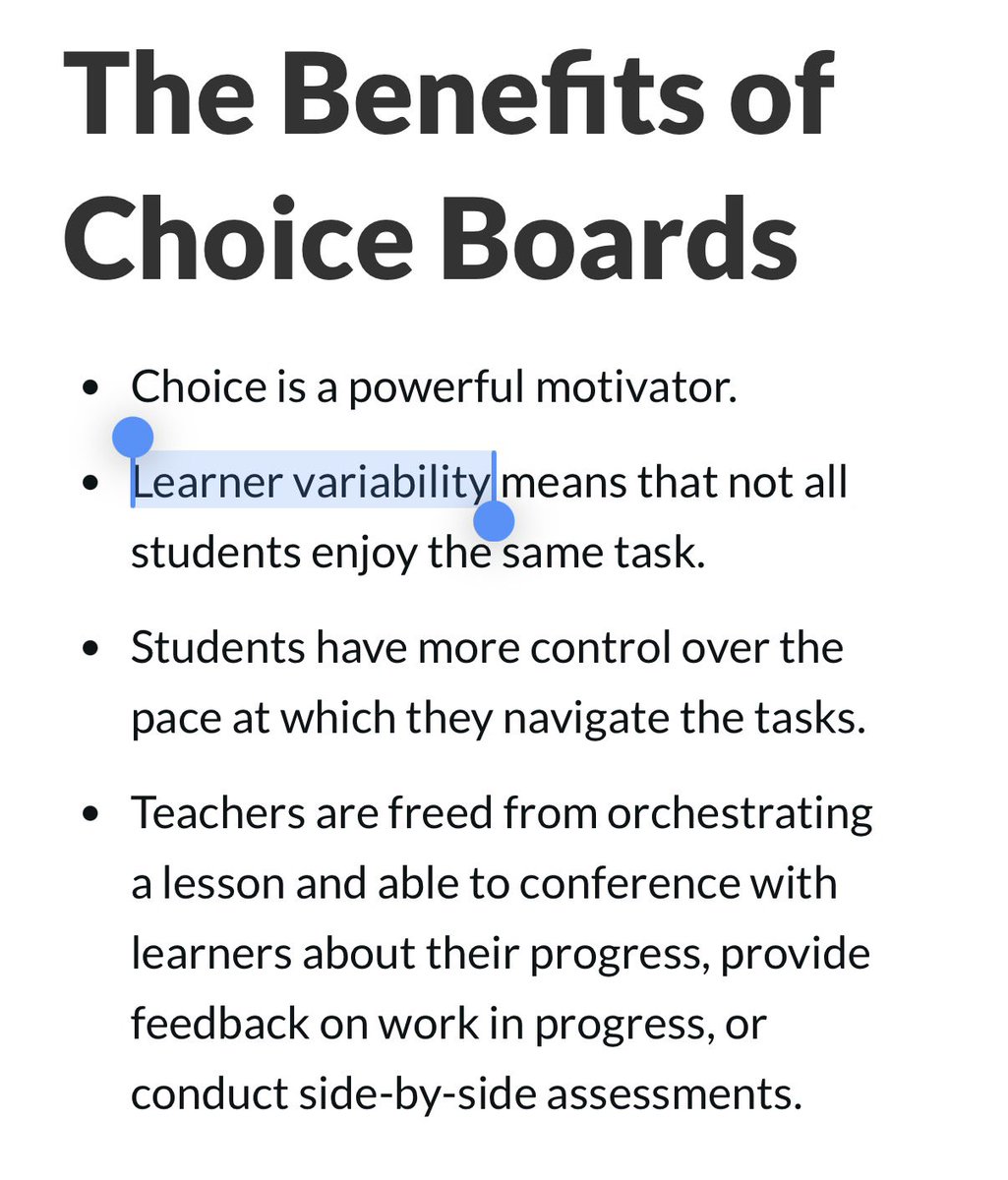
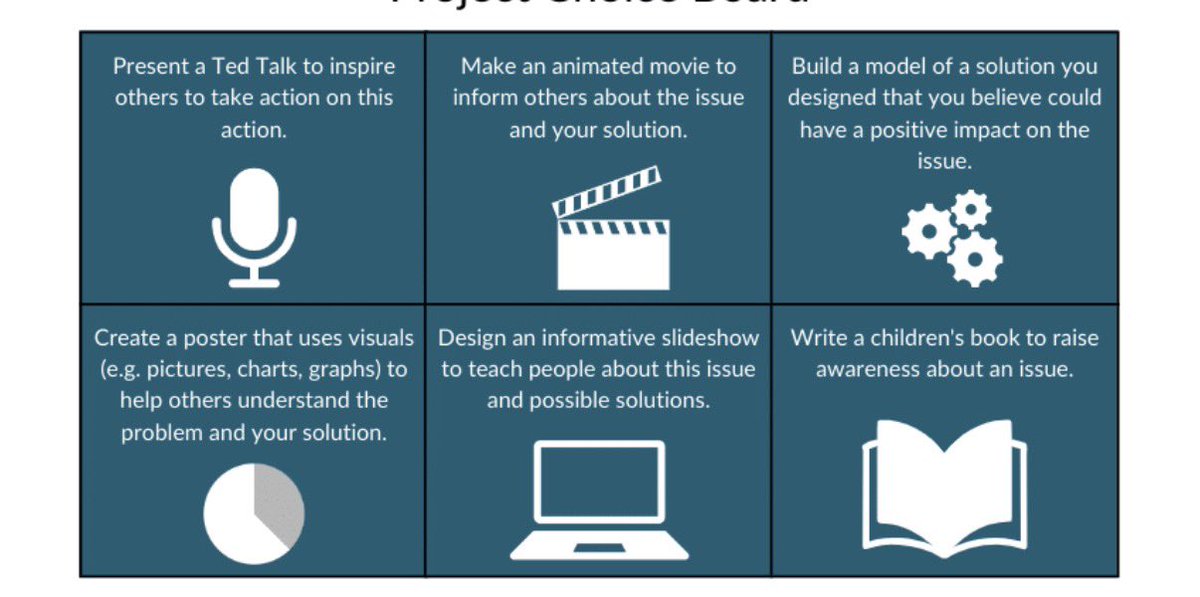
This is a classic “learning styles” dog whistle you see tied to choice and choice boards. What students enjoy shouldn’t dictate how they show and demonstrate learning. Our expert decisions about content should.
Proponents will say this removes barriers to learning. What barrier is actually being removed by preference-based choice? And what new barriers are we creating?
When we give students choice, we often let them opt out of important cognitive processes in favor of what they enjoy. I wrote up my thoughts—the right move is integration, not selection. 👇🔗
@jnvcia For your information I have a specification on pre-2000 computer graphics, which include 640×480 or smaller frame buffer, 12800 triangles (or far fewer), and tile- and sprite-based graphics. More details and challenges: https://t.co/l0qHT9cMwU
@Dunkatog@ringdingdingo This is one instance of a general problem: I hope a future version of the comprehensive rules will shore up the many loose ends in them; I have compiled the many issues with those rules at: https://t.co/Y04RBZhA4U
@Dunkatog@ringdingdingo C.R. 406.3b seems not to apply in all cases where something would have a player cast or play a card in exile that may or may not be face down. A remedy may be a simple rule like:"A player can play or cast a face-down card in exile only if they are allowed to look at that card."
Something for game developers to try: Program a nontrivial game where the graphics are rendered in software (w/o GPU or graphics API) in a 320×240 or smaller frame buffer with a fixed 254-color palette. More details and challenges: https://t.co/l0qHT9cMwU #gamedev
@learnwithSAP "Engagement" might have little to do with learning outcomes, especially if it is equated with fun, enjoyment, or stimulation. "Engagement", though, might also mean hard thinking; here is an example: https://t.co/sxtBJrsZhF
@jendrikillner For your information I have several articles on computer graphics, especially of the kind seen before 2000, that may interest you. https://t.co/4aNO3Djuon
The replies that follow list my articles on #computergraphics and music, mostly devoted to pre-2000 time. Some of them make challenges on such topics that I encourage anyone interested to take. Review and comments are welcome. 1/*
Something for game developers to try: Program a nontrivial game where the graphics are rendered in software (w/o GPU or graphics API) in a 320×240 or smaller frame buffer with a fixed 254-color palette. More details and challenges: https://t.co/l0qHT9cMwU #gamedev
@learnwithSAP I should note that even four-year-olds can be taught to read (not just be exposed to language; e.g., https://t.co/qHyjyHnnlp) and do arithmetic (not just "early numeracy"). Instruction in each can take just 20 minutes a day, leaving ample time for play.