European Union's Horizon programme. Partners: UBFC🇷🇸, IQOG-CSIC🇪🇸 and BRGM🇫🇷 team. 📍Serbia. IG➡️@PFAStwin. LinkedIn➡️PFAStwin project. Facebook➡️PFAStwin
Read more about it in the new article published in Klima101, the leading popular science portal in Serbia and the region dedicated to climate change, environmental protection and sustainable development
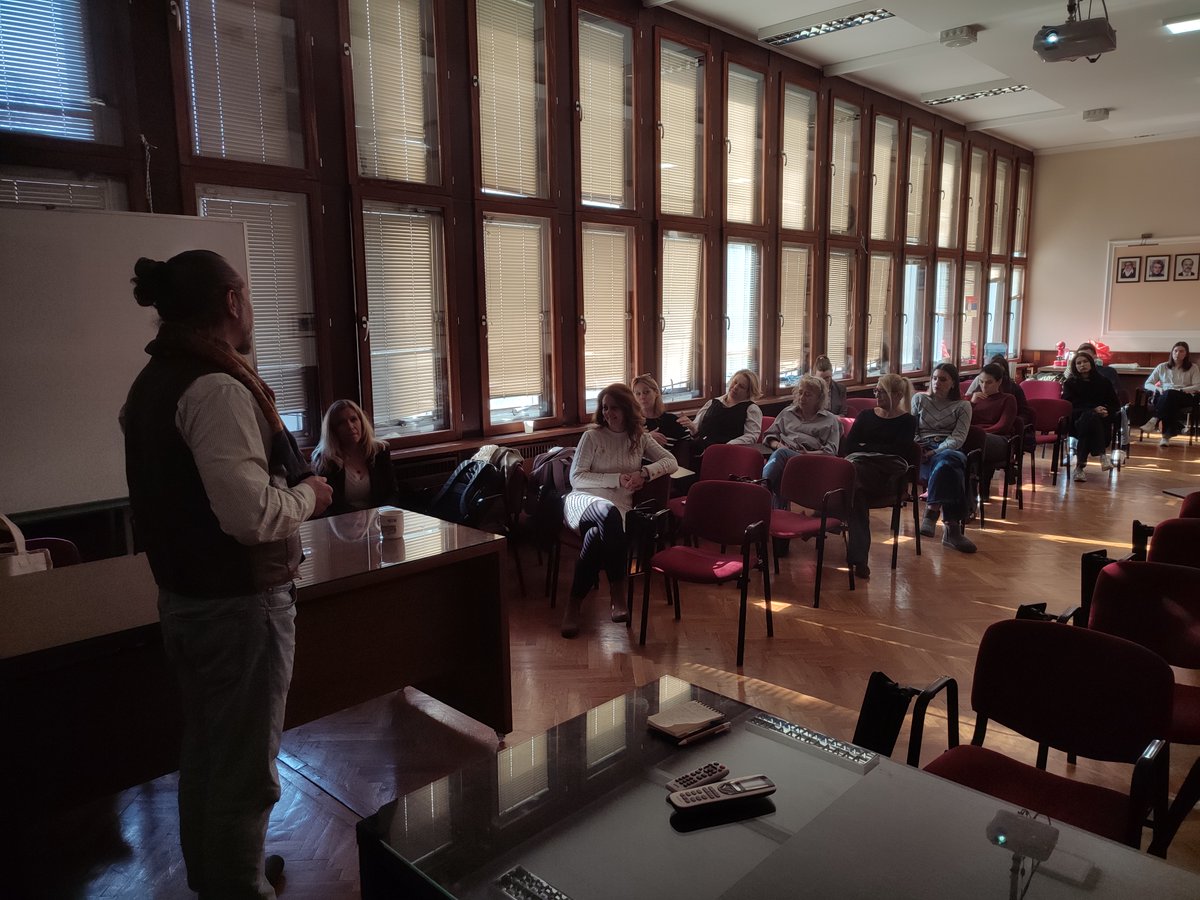
At the end of the seminar, Prof. Beškoski invited all participants to continue the discussion over the provided refreshments and snacks and to ask the lecturers any additional questions they might have.
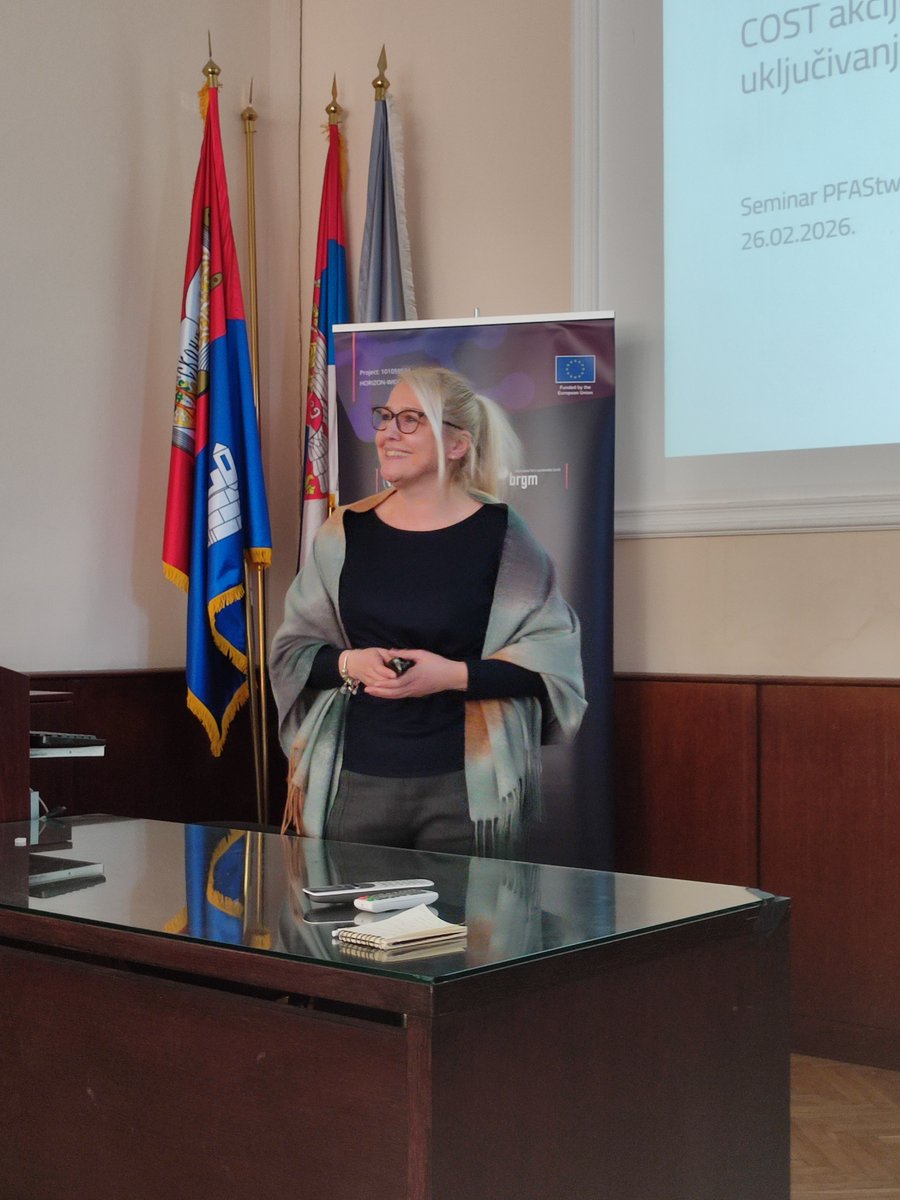
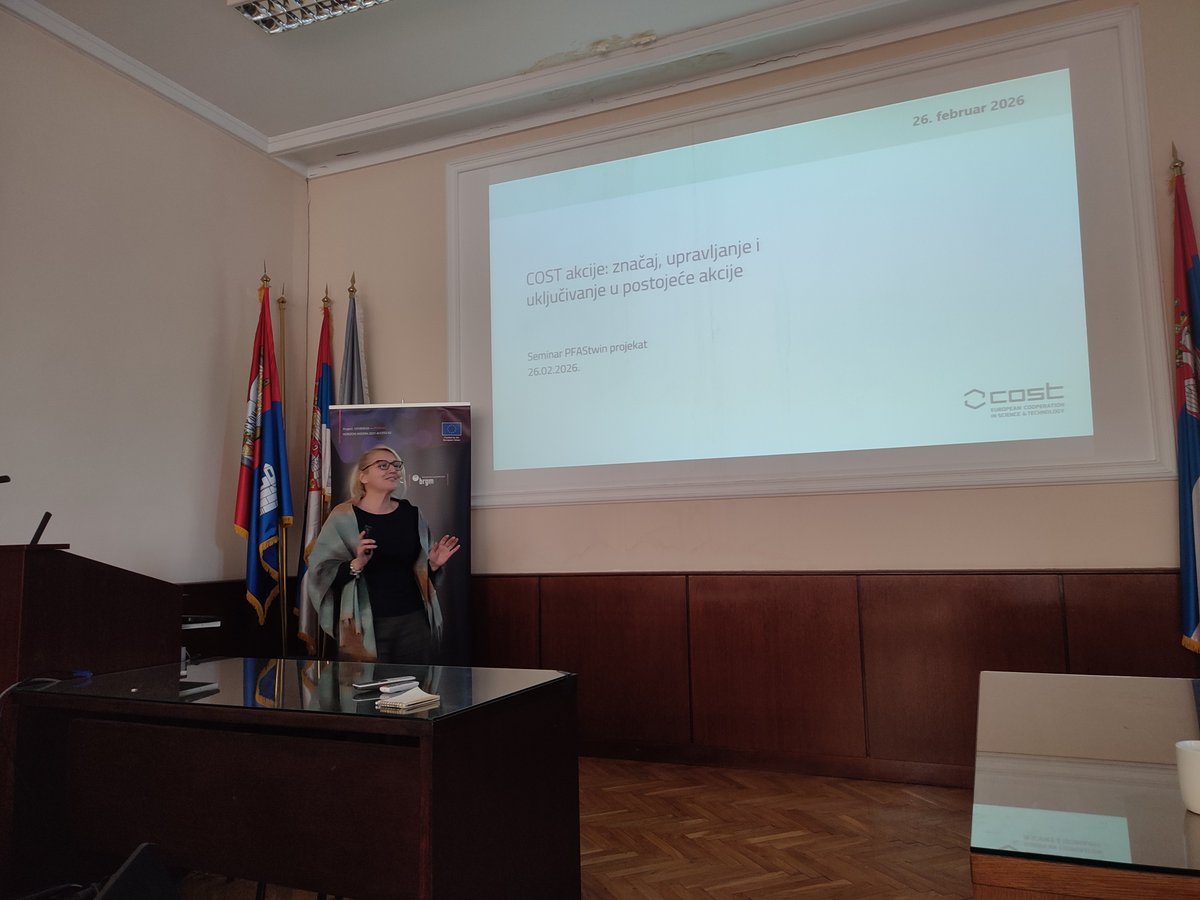
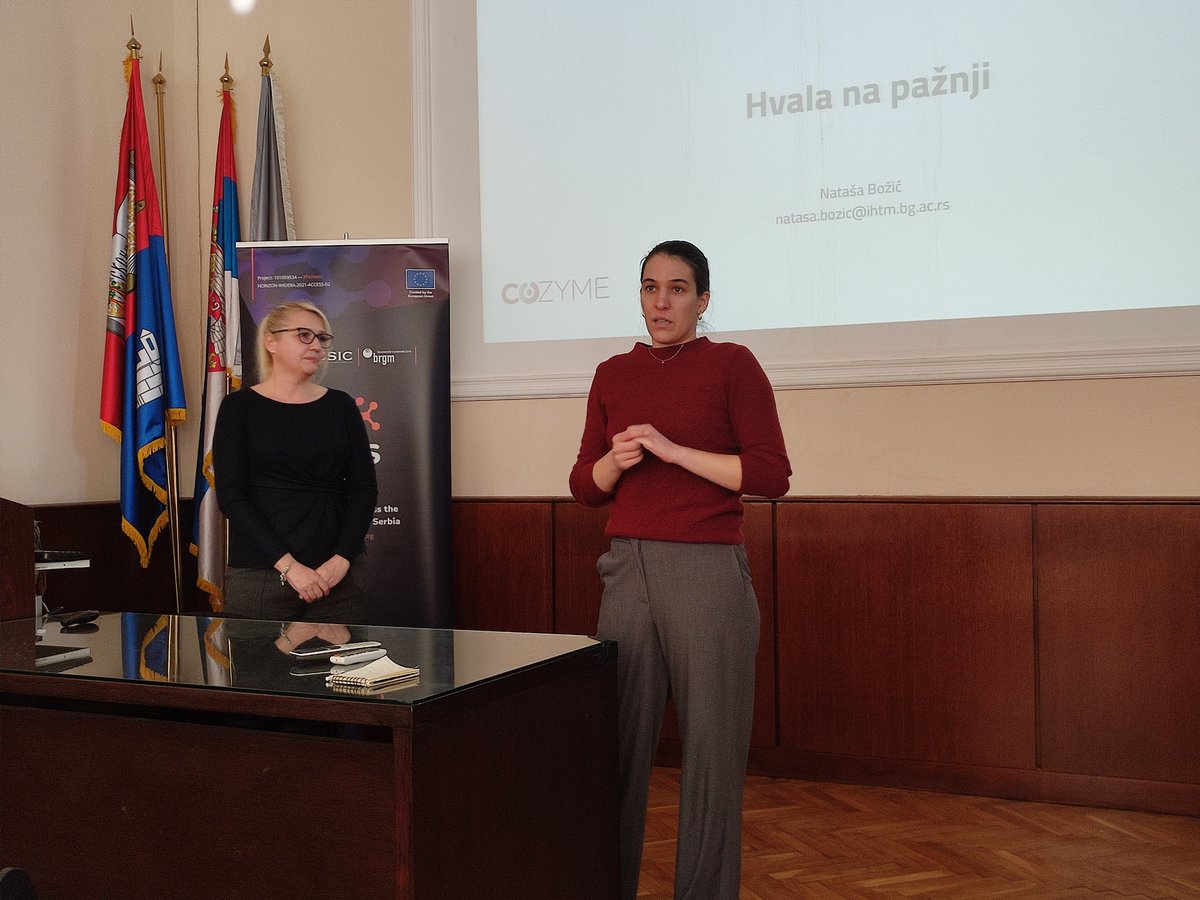
Dr. Nataša Božić, Principal Research Fellow at the Institute of Chemistry, Technology and Metallurgy, University of Belgrade, spoke about the importance and opportunities provided by COST, European Cooperation in Science and Technology
She generously offered her assistance to colleagues not only during the seminar but also afterwards, expressing her readiness to provide advice and support to anyone interested in engaging with COST
In addition, Višnja Kosić from the Institute of Chemistry, Technology and Metallurgy shared her personal experience with COST, providing practical insights into participation, networking opportunities, and the benefits of active involvement in COST Actions
Strong proposals reflect authentic enthusiasm and intellectual ownership—clearly showing that a real researcher stands behind the idea with a clear vision and determination. Overreliance on AI can dilute this authenticity and indicate lack of passion among researchers.
Dr. Milena Čavić, Principal Research Fellow at the Institute of Oncology and Radiology of Serbia and President of the Managing Board of SDIR, shared valuable insights based on her experience in evaluating Marie Skłodowska-Curie Actions Individual Fellowships and COST projects
Regarding artificial intelligence, Dr. Čavić advised caution. AI tools may be used for language polishing, but should not for developing the core scientific ideas. Evaluators can recognize when a proposal lacks a genuine human voice
Prof. Dr. Mirjana Pešić from the Institute of Food Technology and Biochemistry, Faculty of Agriculture was the first lecturer within our “Evaluation of Horizon Europe and COST Projects” seminar
She provided invaluable insight into how project applications are assessed from the evaluator’s perspective, how evaluation criteria are applied in practice, and what distinguishes a good proposal from an outstanding one