Weirdly, I want to buy a warehouse, set it up with internet access via starlink, and make people access it for free, as long as you have a verifiable project you are working on.
Femi shipped the company's new marketing platform on a Friday night, around 11pm, on hotspot, because NEPA had taken light and the inverter was beeping.
It took three months. It's an AI platform that writes campaign copy, schedules it, and reports what worked. He built most of it alone. Two of the engineers he started with had japa'd by June, so he was also the one fixing production, answering support, and joining the calls where the bank partner asked "is it secure?"
On Saturday morning, Oga posted in the company WhatsApp group: "Big congrats to Femi! 🎉🔥" Forty people replied with the clapping emoji.
Nobody mentioned the other 40.
That was how many Dependabot pull requests were open in the company's GitHub. Some had been there since March.
Everyone knew why. In April, someone finally merged one. By 9am the next day, the main product was down. Customers were tagging the company on X. Oga was calling Femi every ten minutes. The framework's new version expected its parameters in a slightly different shape. The dependency had changed, but the code that called it hadn't. It took a full day to find and fix.
After that, the rule was simple, even if nobody wrote it down: don't touch the upgrades. "We'll do it later."
"Later" usually means the next PHP2Shell. Last month, two critical PHP flaws went public and were attacked in the wild within days. That's when every engineer drops everything and goes through the whole codebase at once, under pressure, at the worst possible time.
I don't blame Femi's team. When three people are doing the work of eight, an upgrade that might break production loses to the feature the client is waiting for. Every single time.
But that isn't really a dependency problem. It's a trust problem. The team doesn't trust the upgrade, because nothing tells them what it will break.
That's the question we built SecureGraph's autofix to answer. It doesn't just bump a version number. Before it suggests a new version of a framework, it studies that framework's documentation to see what changed, and tests how the upgrade will affect your code.
The goal isn't 40 merged pull requests in one day. It's an upgrade your team can merge on a Tuesday afternoon without anybody's phone ringing.
Femi isn't one person. If you've worked in tech in Lagos, you've met him. You might be him.
How many open Dependabot pull requests does your team have right now?
If you want to see the autofix on your own code, the beta is open: https://t.co/s862azwTVV
DM me your number. No company names needed. I'm collecting them, and next Wednesday I'll share the anonymous tally, with a checklist for clearing them without taking production down.
Myth: security has to slow down shipping.
Fact: only when it arrives once a quarter as a PDF.
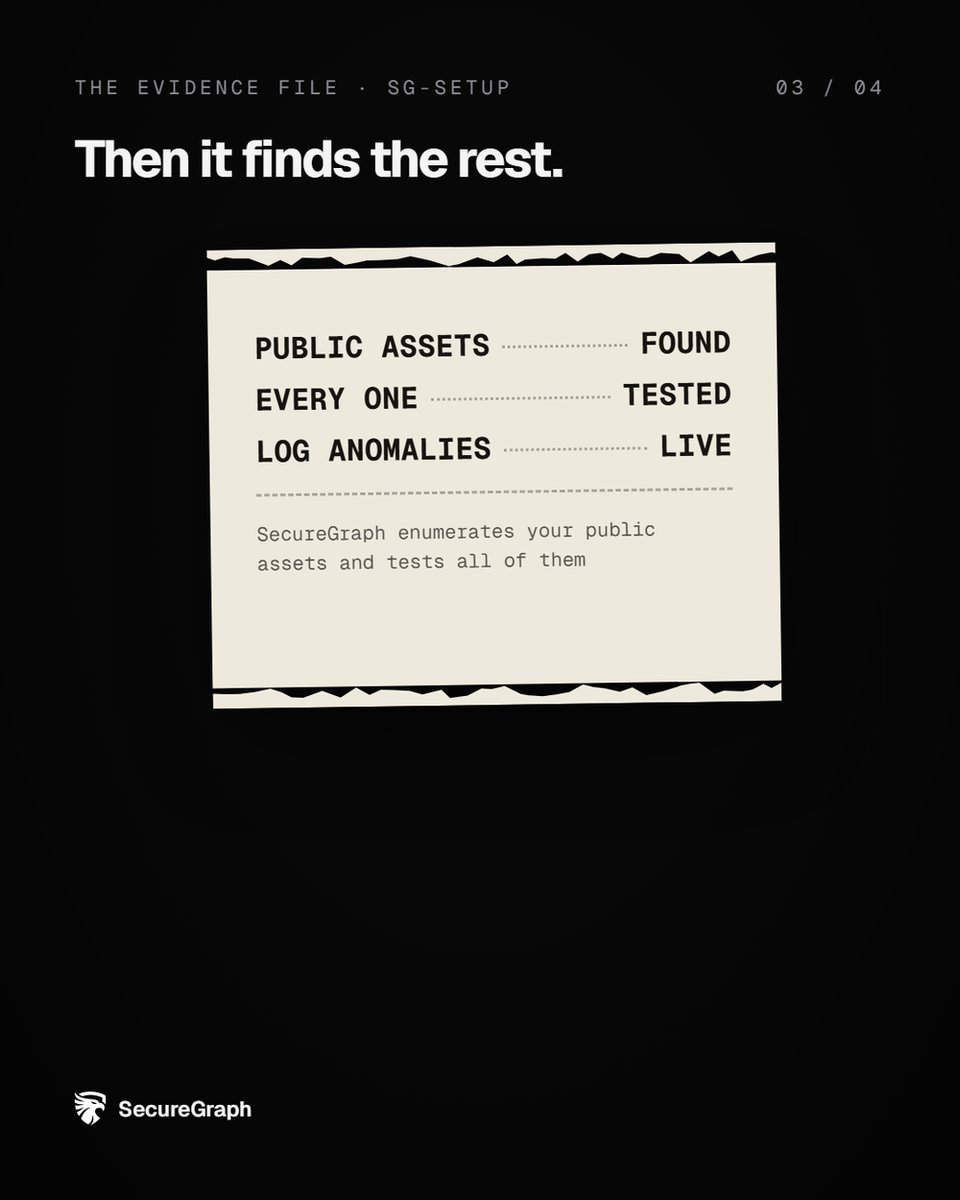
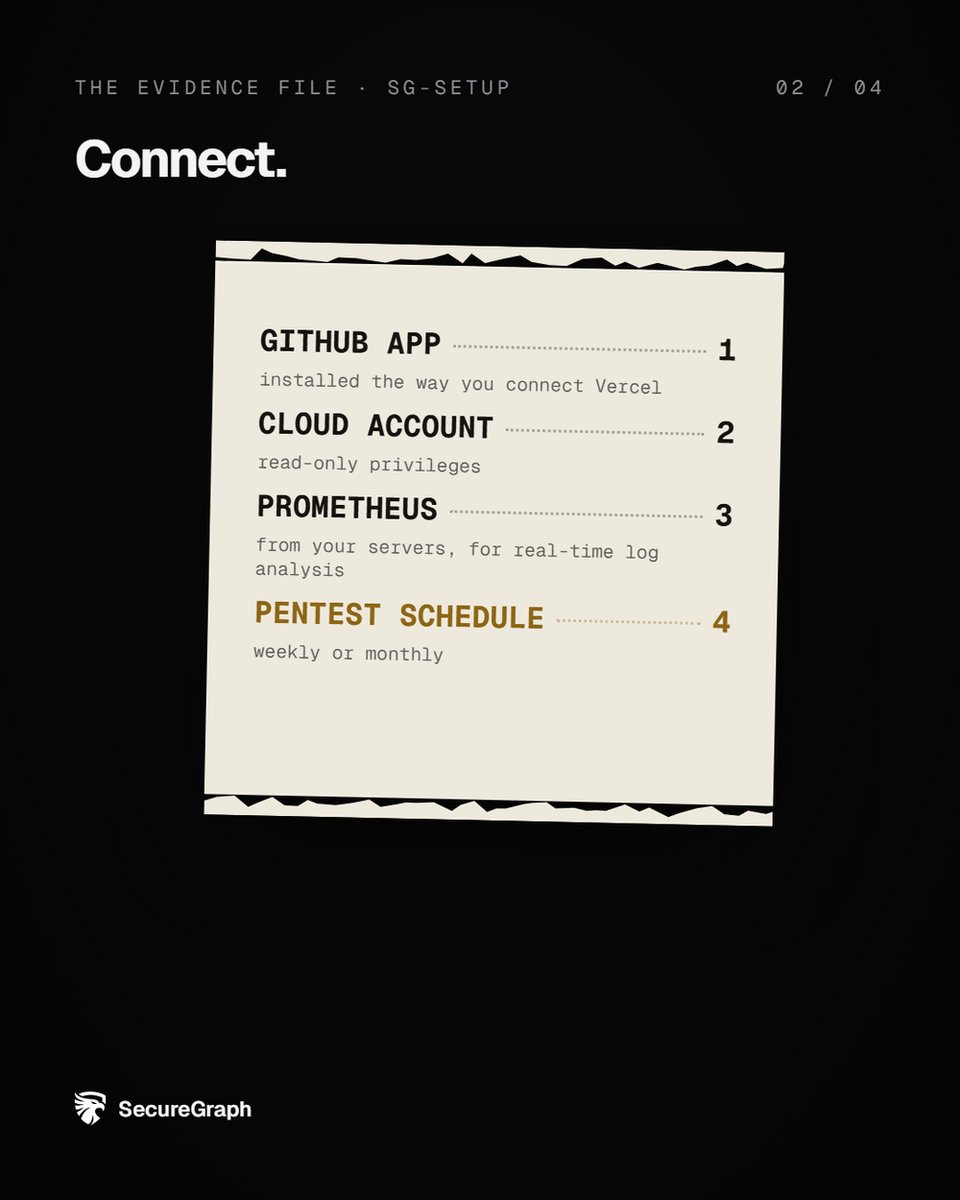
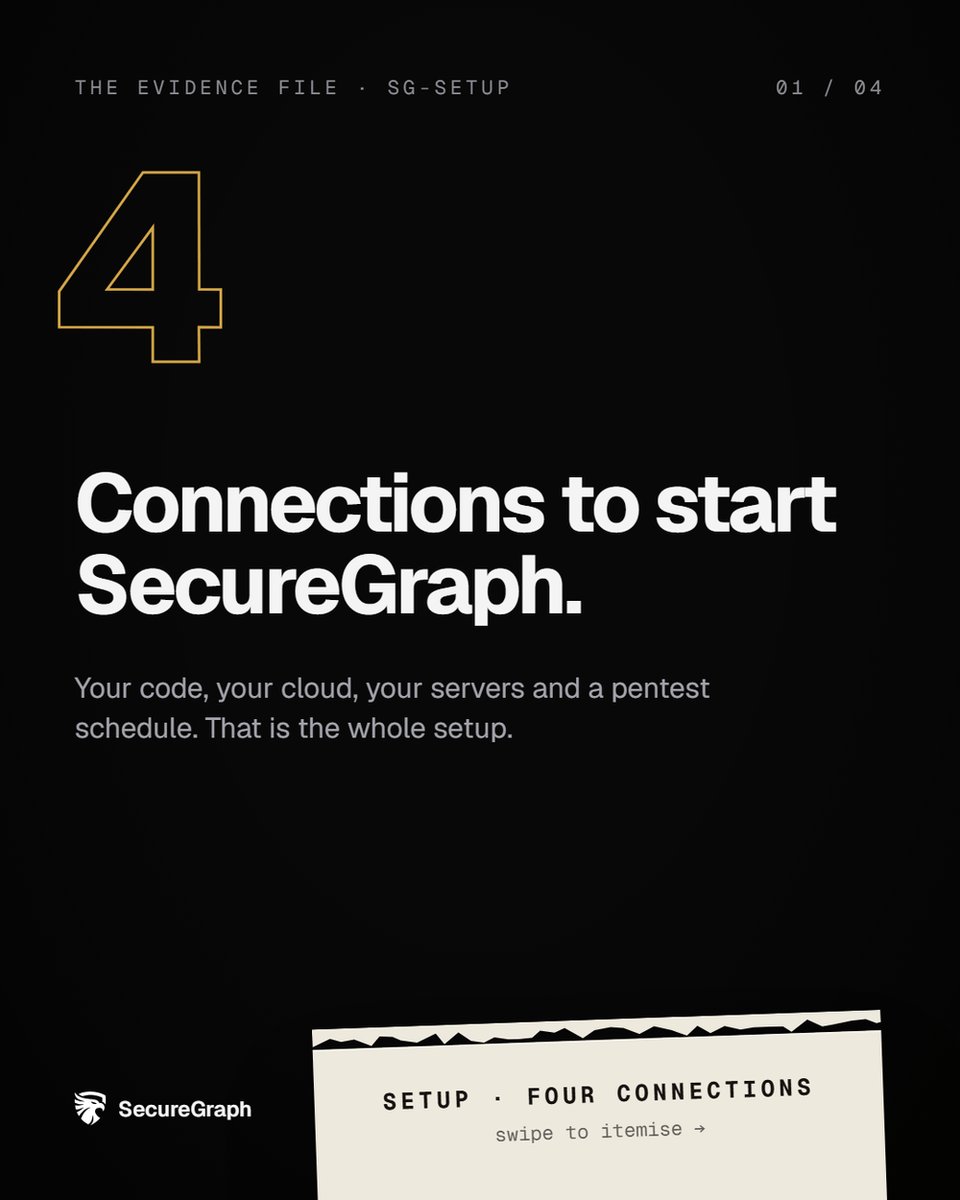
SecureGraph checks on a schedule: https://t.co/sIozPMWHBV
AI writes your login endpoint. It compiles, passes the demo, ships.
Veracode: in 45% of cases the model adds a known flaw. Who checks it?
https://t.co/CHUlXL5z3n
The SecureGraph beta has 25 places. Registering does not hold one; connecting your security database does.
That keeps them for teams who run it: https://t.co/9G5euq2bkn
We reviewed SecureGraph's pricing for the African market, so security is affordable for every startup and SME.
Each beta place now gets over $100 in credits over two months: https://t.co/9G5euq2bkn
NOT A SINGLE OUNCE OF DOUBT.
BE SO FUCKING CONVINCED OF YOUR OWN ABILITY TO MAKE SOMETHING HAPPEN THAT THE POSSIBILITY OF FAILURE CAN STARE YOU DIRECTLY IN THE FACE AND YOU STILL FEEL NOTHING RESEMBLING SURRENDER.
@newsbridgeai@SemudaraAbayomi We will like to help with your products infrastructural security and other forms of security.
We are offering free $200 credit for your first 2 months.
@SecureGraph_AI