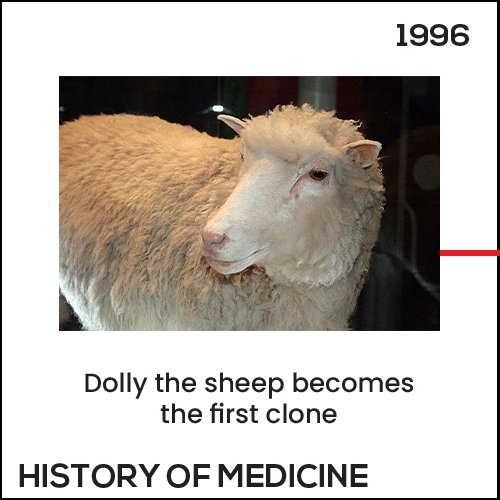
On July 5, 1996, Dolly the sheep—the first mammal to have been successfully cloned from an adult cell—is born at the Roslin Institute in Scotland. Originally code-named “6LL3,” the cloned lamb was named after singer and actress Dolly Parton.
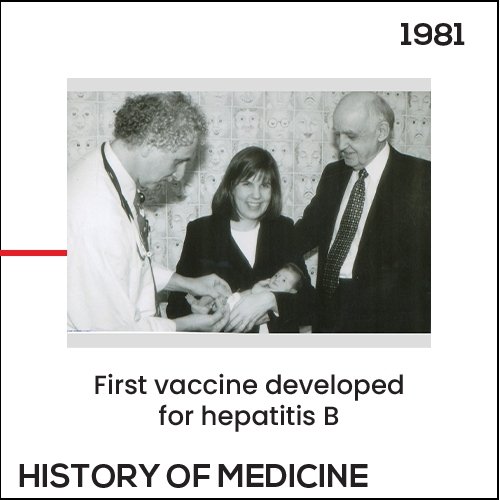
The hepatitis B vaccine is the first anti-cancer vaccine because it can help prevent liver cancer. Worldwide, chronic hepatitis B and C causes 80% of all liver cancer, which is the second most common cause of cancer death.
Louise Joy Brown, the world's first baby to be conceived via in vitro fertilization (IVF) is born at Oldham and District General Hospital in Manchester, England, to parents Lesley and Peter Brown.
The first pneumococcal polysaccharide vaccine was licensed for use in the United States in 1977. It contained purified capsular polysaccharide antigen from 14 different types of pneumococci.
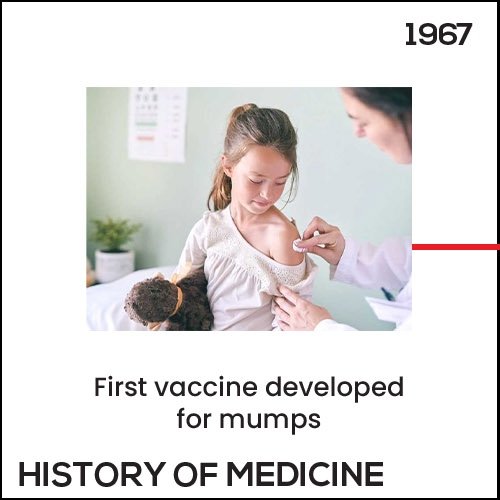
On 30 March 1967, the US Food and Drug Administration (FDA) licensed Mumpsvax, a vaccine developed by Maurice Hilleman created from the mumps virus infecting his five-year-old daughter, Jeryl Lynn Hilleman.
Joseph Edward Murray was an American plastic surgeon who performed the first successful human kidney transplant on identical twins Richard and Ronald Herrick.
The discovery of the deoxyribonucleic acid (DNA), by James Watson and Francis Crick marked a milestone in the history of science and gave rise to modern molecular biology, which is largely concerned with understanding how genes control the chemical processes within cells.
American medical researcher Dr. Jonas Salk announces on a national radio show that he has successfully tested a vaccine against poliomyelitis, the virus that causes the crippling disease of polio.
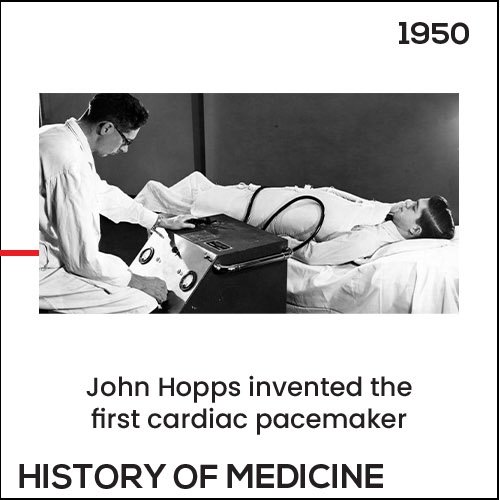
John A. Hopps from the National Research Council of Canada, who created a portable artificial external pacemaker. It was designed to send electric pulses to the heart, which caused the heart to contract and pump blood to the body.
Waksman had been studying the Streptomyces family of organism since his college student days and had, for a time, been studying the organism Streptomyces griseus.
Dr. Bernard Fantus established what is now recognized as the world's first blood bank when he opened a blood preservation laboratory at Chicago's Cook County Hospital.