The Weight of a Lie
The truth may set you free, but lies put you in chains. Every lie demands another lie to protect it, and before long you’re carrying the weight of a story that never happened. Truth simplifies life. Lies complicate it. Truth builds trust. Lies erode it. The truth can hurt for a moment; a lie can cost you for a lifetime.
The Winners After the Catastrophe
Scientists recently uncovered a remarkable fossil site in Egypt containing nearly 500 fish preserved from 62 million years ago-just four million years after the asteroid impact that ended the age of the dinosaurs. What makes the discovery so fascinating is not simply what survived, but what happened next.
Among the fossils are early members of fish groups that would eventually come to dominate the world's oceans. Before the extinction event, these fish were relatively minor players. Afterward, with competitors gone and ecological niches suddenly vacant, they rapidly diversified and expanded. The catastrophe that ended one world created the conditions for another.
This pattern appears repeatedly throughout history. As Will and Ariel Durant observed in The Lessons of History, civilization is a contest between creation and destruction, and periods of upheaval often become the seedbed of future growth. The same principle appears in nature. Extinction events, while devastating, can create opportunities that would never exist in a stable environment.
Nassim Taleb describes this phenomenon as antifragility-the ability to gain from disorder. The species that inherited the post-dinosaur world were not necessarily the strongest or most dominant before the impact. They were the ones adaptable enough to exploit the new reality after it.
The lesson extends far beyond paleontology. Whether in nature, business, technology, or society, the future is often shaped less by those best adapted to the old world than by those most capable of adapting to the new one.
Sometimes the most important story is not what was destroyed. It's what emerged from the ruins.
The Things We Should Never Automate
Artificial intelligence is rapidly becoming part of everyday life, and I don't think the question is whether we should use it. We should. The real question is where we draw the line. If AI can handle repetitive tasks, summarize information, organize data, and save us time, that's a powerful tool. But we need to be careful about what we're giving up in exchange. Some of the most valuable parts of life aren't efficient. Learning comes from struggling through a problem. Creativity comes from wrestling with ideas. Relationships are built through conversations, not shortcuts. The danger isn't that AI becomes smarter than us. The danger is that we slowly stop doing the very things that make us thoughtful, capable, and human. Every major technology has improved our lives while taking something away. AI will be no different. The challenge isn't rejecting it or embracing it blindly. The challenge is using it intentionally, paying attention to what we're gaining and what we're losing. The people who thrive in the AI era won't be the ones who automate everything. They'll be the ones wise enough to know which parts of life are still worth doing themselves.
The View Gets Bigger
Most human arguments feel permanent when viewed from ground level. Borders look absolute. Ideologies feel immovable. Egos dig trenches and call them principles. Then you look up.
From orbit, there are no fence lines, no campaign signs, no visible lines separating one belief from another. Just a thin atmosphere wrapped around a fragile rock, keeping every rival, skeptic, patriot, and dreamer equally alive.
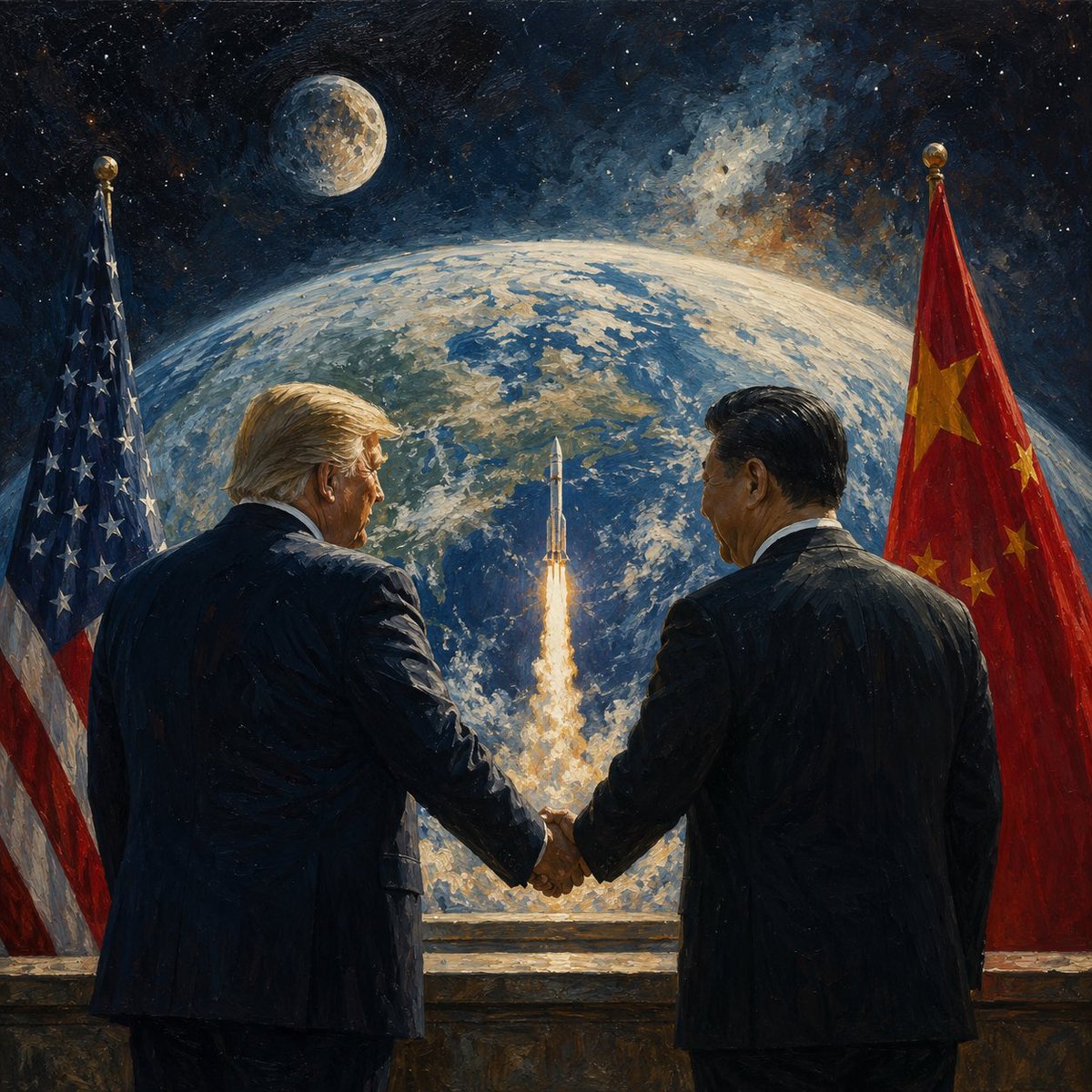
This week, President Trump is in Beijing meeting with Xi Jinping at a moment when the world feels especially tense, with trade friction, war concerns, and two superpowers measuring each other across every headline.
No, there’s no announced U.S.-China space unity pact sitting on the agenda.
But imagine if there were.
Imagine the two most powerful nations on Earth standing at a podium and saying: We’re going up together.
Not because they suddenly agree on everything. Not because human nature changed overnight. But because some goals are bigger than ideology.
The moon never cared about the Cold War. Physics has never picked a side.
Maybe the next real sign of intelligence won’t be building something that can destroy the planet faster.
Maybe it’ll be deciding to build something together beyond it.
The Quiet Voice
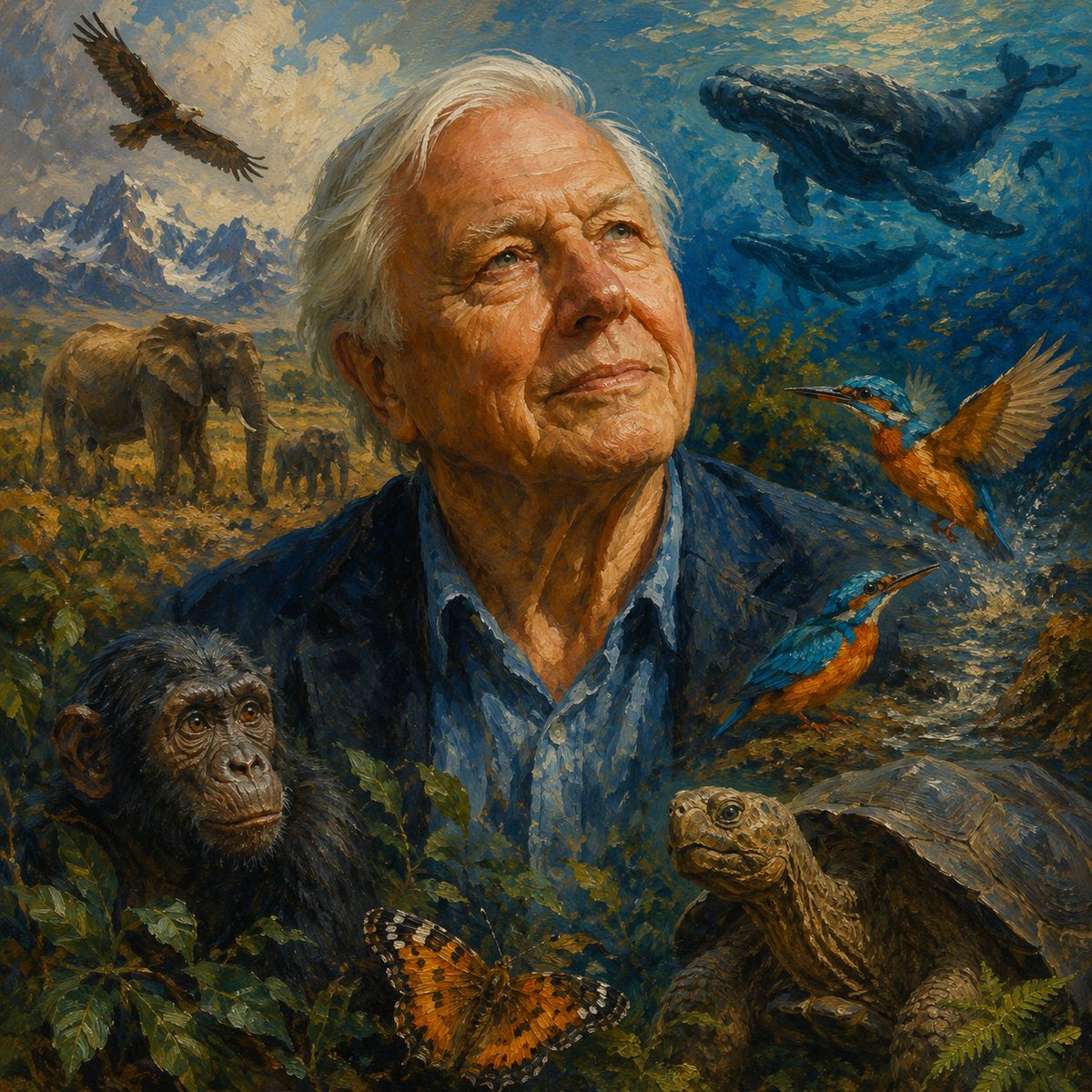
Most people spend their lives trying to be louder. David Attenborough spent his teaching people how to listen. No screaming. No outrage. No constant need to remind the world he mattered. Just patience, observation, and wonder. And somehow that quiet voice outlived empires, trends, politicians, and entire generations of television.
A man kneeling beside insects, fossils, birds, and rivers ended up showing millions of people that the world was far stranger, more violent, more beautiful, and more connected than they ever realized. That’s the part people miss. Real influence rarely looks aggressive in the moment. Sometimes it’s just someone paying close attention for a very long time while everyone else is busy performing.
The Same Bed Count
A man who used to run a country now sleeps a few feet from someone else just waiting for the day to end. Same routine. Same food. Same small window. No cameras. No speeches. Just time moving slow. Power doesn’t disappear, it just stops showing up the way it used to. Titles don’t mean much when every day looks the same. Wake up. Eat. Sit. Think. Try to sleep. Do it again. He spends his time reading now. Not to lead anything. Just trying to make sense of things. When there’s no crowd, no pressure, no one expecting anything from you, it gets real quiet. And that’s when something honest shows up. What’s left when nobody’s listening?
Quiet Intelligence
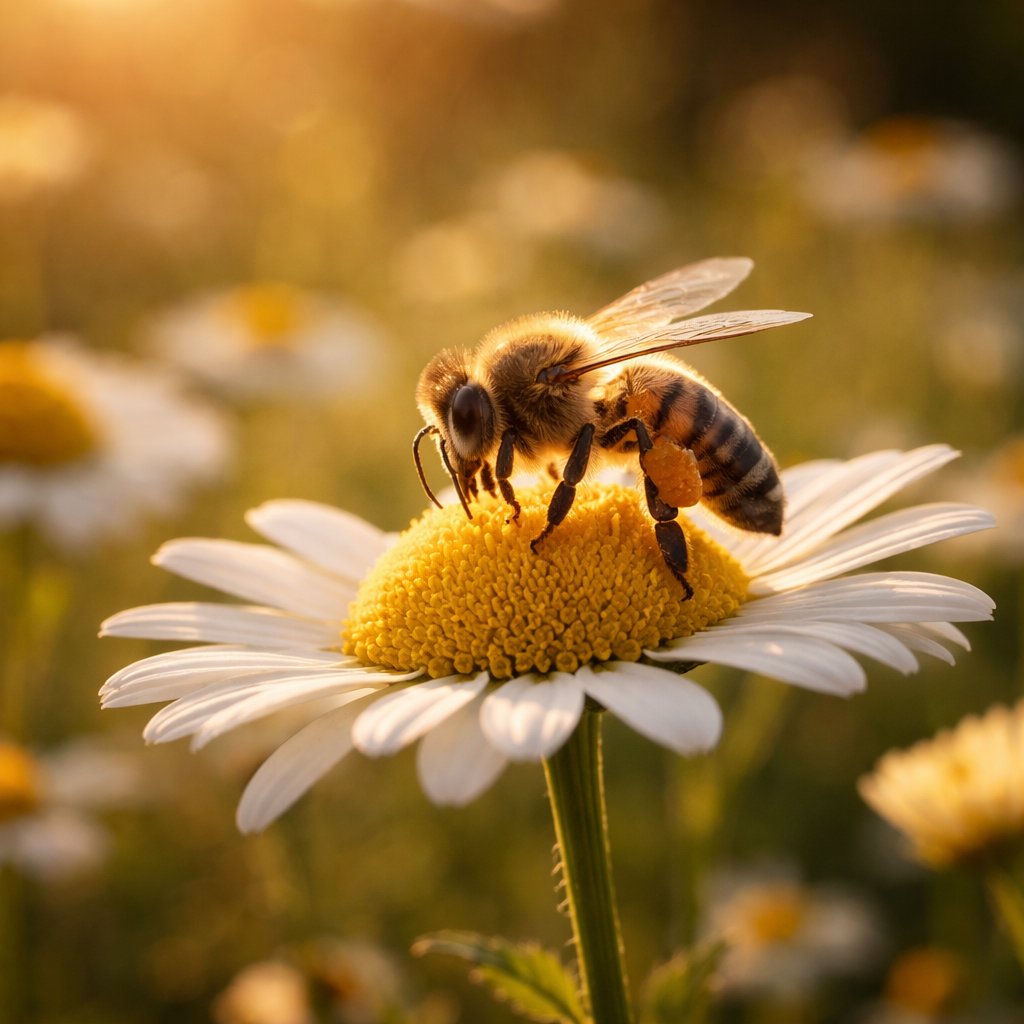
Bees don’t announce intelligence. They move, adjust, remember, and try again. A brain the size of a seed still finds efficient paths, weighs effort against reward, and changes behavior when the world shifts. It learns without needing to prove anything. We used to call that instinct. Now it looks more like quiet understanding. Most people think control is the answer, but the bees suggest otherwise. The strongest ones are not the most managed. They are the ones that adapt, season after season, without intervention. They don’t argue with the environment. They read it, then respond. There’s something steady in that. No noise. No performance. Just attention, memory, and action. If something that small can navigate a changing world without forcing it, the lesson is hard to ignore. Do less. Pay closer attention. Adjust when needed. Let the work speak.
Pressure Creates Pathways
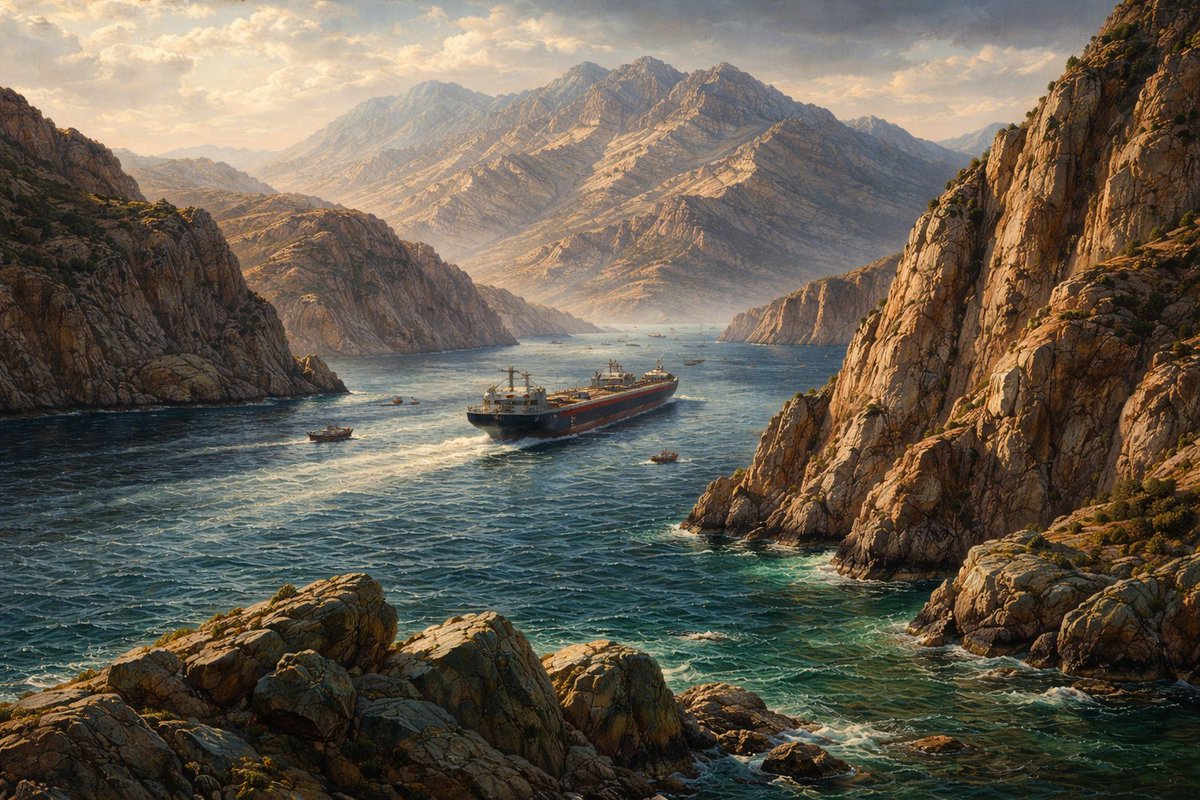
Two continents kept pushing for millions of years. No hesitation, no noise, just steady force. Over time, that pressure carved something narrow but powerful into the Earth, a passage the world now depends on. Most people only see the surface: ships, water, trade. They don’t see what built it. The same force that raised mountains also trapped energy deep below, creating both value and tension in the same place. Nothing meaningful comes without pressure. Not strength, not clarity, not direction. The mistake is trying to escape it. Pressure isn’t the enemy, it’s the process. Handled right, it doesn’t break you. It shapes you into something everything else has to move through.
Back to the Moon
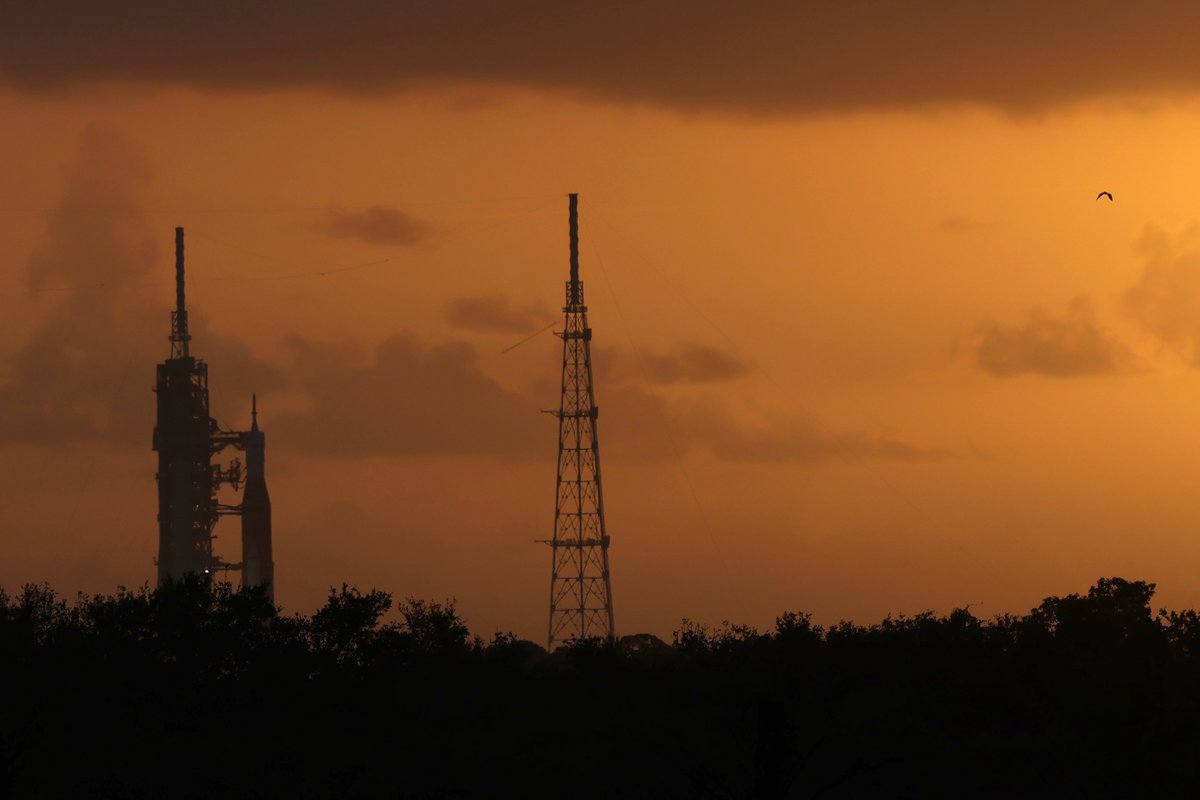
It’s been over 50 years since humans last went this far-since Apollo 17 in 1972. A whole generation grew up never seeing it. Now we’re not just going back, we’re starting again-testing the path and setting the stage for what comes next. Good luck Artemis, we'll be watching and cheering you on!!
The launch team at @NASAKennedy are GO to begin filling the Artemis II rocket with fuel.
The official launch broadcast begins at 12:50pm ET (1650 UTC). Liftoff is scheduled for no earlier than 6:24 pm ET (2224 UTC). Tanking coverage can be found here: https://t.co/VVJqQrRz4a
The Reef Doesn’t Compete
A coral doesn’t survive on its own. It carries algae inside it, trades nutrients, hosts millions of microbes, and lives in constant exchange with everything around it. When the water heats up, some corals don’t make it. But something strange happens in mixed reefs. The stronger ones don’t just survive. They steady the weaker ones. They share what they can’t produce alone.
For a long time, we told the story wrong. We said survival belongs to the toughest, the fastest, the most dominant. Nature keeps showing a quieter pattern. Strength that isolates breaks. Strength that connects adapts.
The reef holds because it’s not one thing. It’s a system that doesn’t announce itself, doesn’t compete for attention, just keeps exchanging, adjusting, staying in rhythm with what’s around it.
Most people try to outwork, outfight, outlast everything. That works for a while. Then something shifts. Pressure rises. Conditions change.
The ones that last aren’t always the strongest on their own. They’re the ones tied into something deeper. Something shared. Something that doesn’t collapse when things get hard.
The reef doesn’t win by being the best coral. It survives by not being alone.
Transfer
Nothing moves. The pattern does. The original collapses, and the state appears somewhere else. Physics figured out what most people resist. You don’t carry every version of yourself forward. The part that hesitates has to go quiet so something clearer can take its place. Nature doesn’t duplicate. It transforms. What feels like loss is often just the system updating.
Moon Dirt
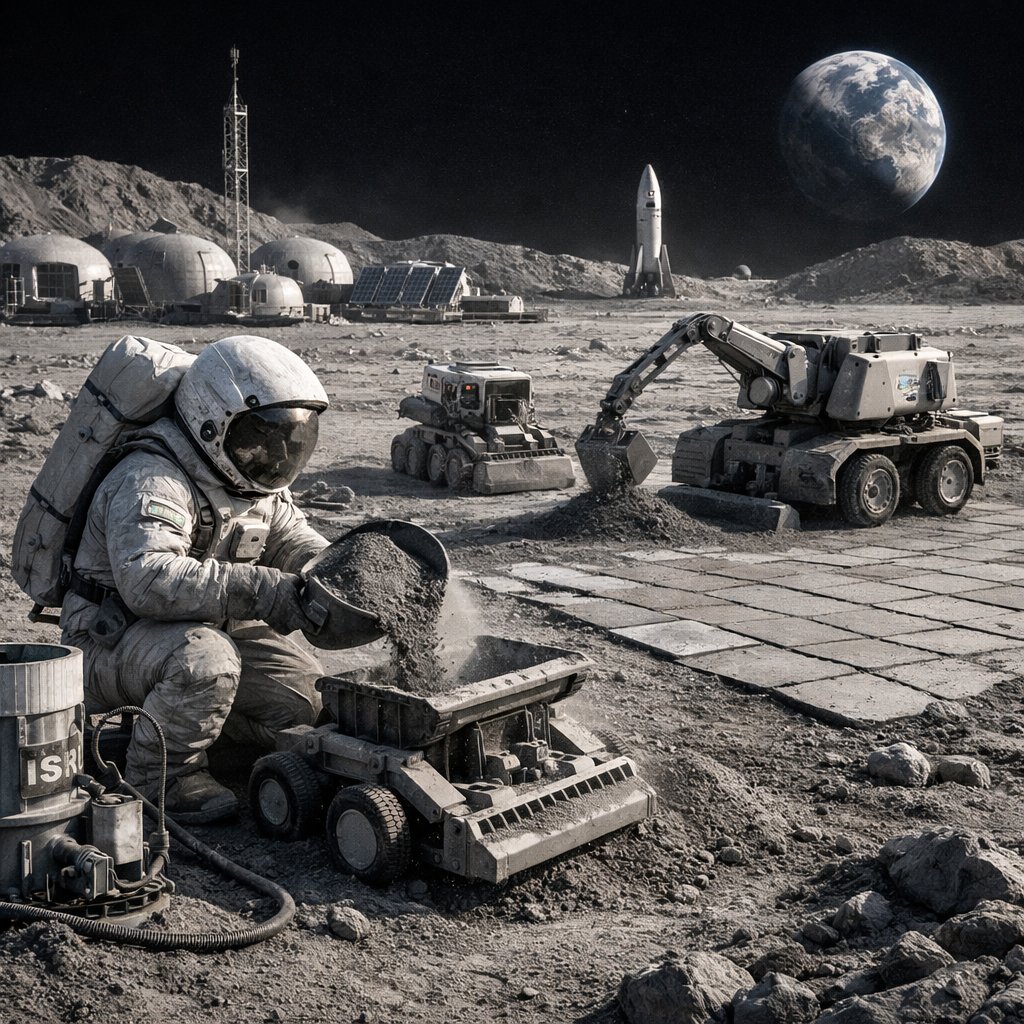
Everyone talks about rockets, astronauts, and the next giant leap, but the future of the Moon might come down to dirt. Gray, lifeless, abrasive dust, the kind of thing you would brush off your boots without thinking twice. That same dust can become roads, landing pads, oxygen, even fuel. It can power machines, sustain life, and build an economy millions of miles from home, not because it is special, but because someone decided to use what was already there. Most people wait for better conditions, more resources, the perfect setup. The ones who move forward look at what they have, no matter how ordinary, and start building. The difference is rarely opportunity. It is perspective.
Borrowed Fire
Most people think plagiarism is theft, but it’s not that simple. For most of history, copying was how you learned. You studied the masters, borrowed their rhythm, and slowly found your own voice inside it. No outrage, just craft being passed down. Then we started worshiping originality, and now everyone is afraid of sounding like someone else while quietly being shaped by everything they’ve ever seen, read, or heard. Even the mind doesn’t draw clean lines. It remembers, blends, and returns ideas without asking permission. AI just made that reality obvious. It pulls from the same ocean we all do, just faster. The real line isn’t between influence and imitation, it’s between honesty and disguise. Taking something and claiming it as yours is the problem, not because it’s illegal, but because it’s hollow. And the strange part is, when someone borrows from themselves long enough, we stop calling it copying. We call it style.
Still Standing
Pressure reveals what’s real.
When systems fail and power plays its games, what’s left isn’t ideology. It’s people finding a way. Sharing food. Fixing what’s broken. Enduring one more day without knowing how the next one works.
That’s where strength actually lives.
History shows it over and over. Not in leaders or slogans, but in quiet resilience. The kind that adapts, survives, and rebuilds without asking permission.
Hard times strip things down. What remains is what matters.
And as long as people are still standing, the story isn’t over.