Our first episode of Hungry Planet is live! We talk about rice, it’s cultural importance, where it originated from, and if we can make it healthier to address anemia.
Please give it a watch! https://t.co/uDpFkH33mj
@STEMedia@AlexDainis@NotesByNiba
If you are not able to join us in Boston this year, tune into our YouTube channel for meeting highlights, including interviews from Sci-Mic Stage with host @PhutureDoctors and Plenary Sessions in the evening. #AAASmtg
https://t.co/gzCW6XB2H6
Wish I could be at #Evol2024 this year! For anyone doing evolution outreach or interested in teaching about adaptations through a creative design challenge, check out this video @GalacticPM created w/ @SnellRoodLab!
https://t.co/44mtI4Tl0M 👏edited by @PhutureDoctors
"What software can I use to make 3D scientific illustrations?"
I receive this question almost every day and below is my answer (long read)🧐
#sciart
When it comes to creating scientific illustrations, 3D design software can be a powerful tool for creating accurate and visually engaging images. However, with so many different 3D design software options available, it can be challenging to decide which one is the best fit for your needs. Below I will discuss the pros and cons of some of the most popular 3D design software options for scientific illustrations.
Blender
Blender is a free and open-source 3D design software that is widely used in the scientific community. It offers a wide range of features, including modeling, animation, and rendering. One of the biggest advantages of Blender is its community support, which is highly active and constantly improving the software. Additionally, Blender can be used on a wide range of platforms, including Windows, macOS, and Linux.
Pros:
Free and open-source
Wide range of features
Community support
Cross-platform compatibility
Cons:
Steep learning curve
User interface can be overwhelming for beginners
Limited compatibility with other software
Maya
Maya is a popular 3D design software used in the film and gaming industries, but it is also used in scientific illustration. It offers a range of features, including modeling, animation, and simulation. Maya is highly customizable and can be integrated with other software, making it a versatile tool for scientific illustrators.
Pros:
Wide range of features
Highly customizable
Integration with other software
Strong community support
Cons:
Expensive licensing fees
Steep learning curve
Can be overwhelming for beginners
Cinema 4D
Cinema 4D is a 3D design software that is widely used in the advertising and motion graphics industries. It offers a range of features, including modeling, animation, and rendering. Cinema 4D has a user-friendly interface that is easy to navigate, making it a good option for beginners.
Pros:
User-friendly interface
Wide range of features
Integration with other software
Strong community support
Cons:
Expensive licensing fees
Limited features compared to other software
Not as widely used in the scientific community
SketchUp
SketchUp is a 3D design software that is widely used in architecture and engineering, but it can also be used for scientific illustration. It offers a range of features, including modeling and rendering. SketchUp is known for its user-friendly interface and ease of use, making it a good option for beginners.
Pros:
User-friendly interface
Easy to use
Integration with other software
Large library of 3D models available
Cons:
Limited features compared to other software
Not as widely used in the scientific community
Limited community support
3ds Max
3ds Max is a 3D design software that is widely used in the architecture, gaming, and visual effects industries, but it can also be used for scientific illustration. It offers a range of features, including modeling, animation, and rendering.
Pros:
Wide range of features
Highly customizable
Integration with other software
Strong community support
Cons:
Expensive
Steep learning curve
Can be overwhelming for beginners
ZBrush
ZBrush is a 3D design software that is widely used in the film, gaming, and digital sculpting industries, but it can also be used for scientific illustration. It offers a range of features, including digital sculpting and painting. ZBrush is known for its advanced sculpting tools and the ability to create highly detailed shapes.
Pros:
Advanced sculpting tools
Integration with other software
Strong community support
Large library of 3D models available
Cons:Expensive licensing fees
Limited features compared to other software
Can be overwhelming for beginners
Each software option has its own unique pros and cons, so be sure to do your research and choose the software that best fits your needs.
#UniteToFight2024
On May 15th - 16th, an international online #LongCovid & #MECFS Conference will take place, featuring over 18 hours of world-class speakers.
The conference offers free access and is entirely community-driven.
Please assist us in spreading the word about this crucial conference.
Follow @U2Fight_world for updates and registration
(Tweeted by Kyle for Dianna)
The DC Science Writers Association (@DCSWA) is having our professional development day on Saturday, May 4th at GW. I’m helping organize a panel on ethical use of AI in newsrooms and am looking for panelists!
🤖 Any suggestions for people in the DC area? Let me know!
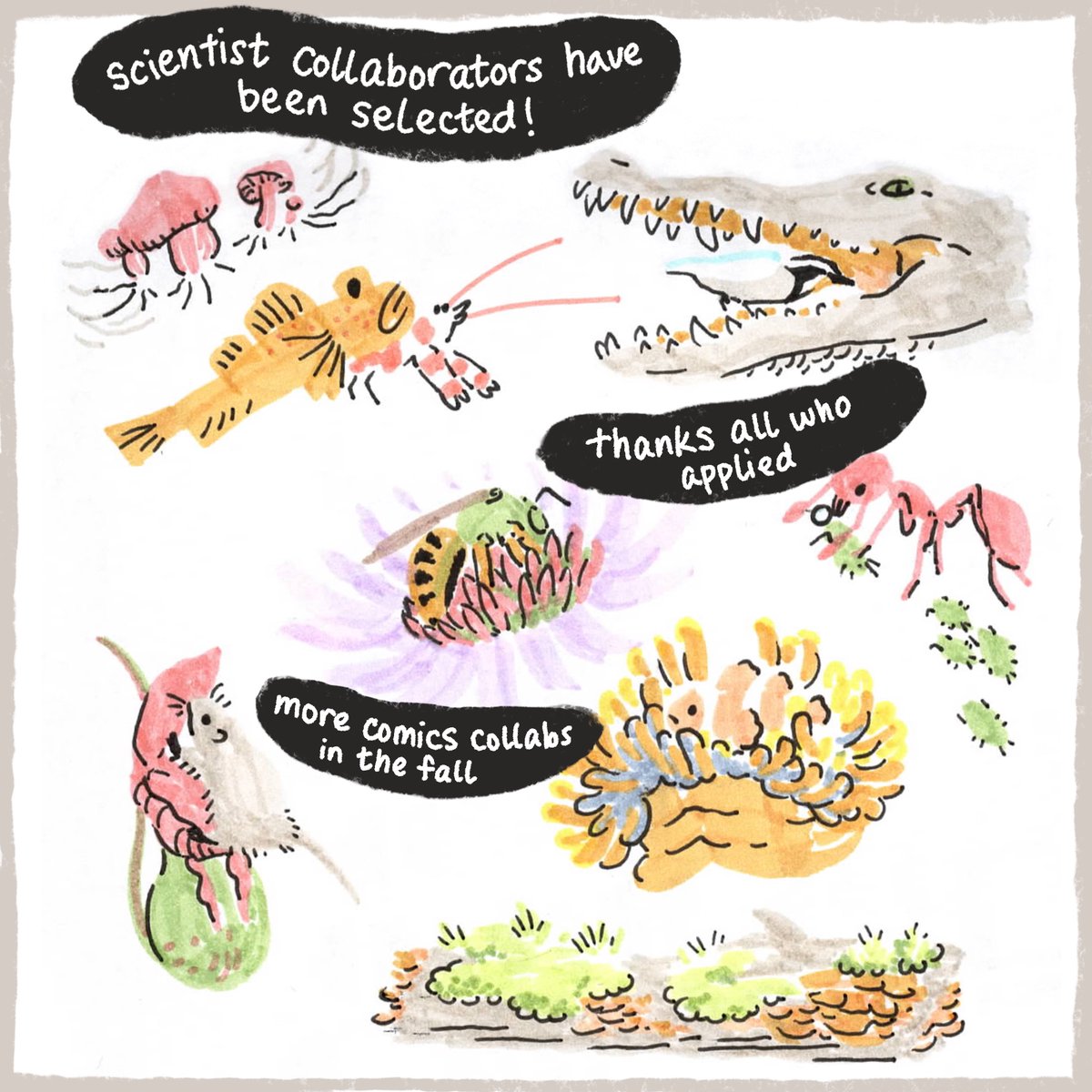
Scientist collaborators have been selected for this spring semester's comics collabs! Thanks all who applied. The volume of apps made it loud & clear--scientists want to visually communicate their research!!
An easy way to support #NationalSTEMChampions!
🌟 Celebrate young innovators & solution-seekers by recognizing their achievements. I'll keep sharing their stories & press.
📣 Boost their voices across your channels! Let's elevate our youth! #STEM@ExplrMedia@national_stem
When it comes to the catalysts that chemists rely on to assemble organic molecules, some metals are just greener than others...right?
In my latest C&EN feature, I attempt to explain why that question doesn't (yet) have a simple answer:
https://t.co/oxjCgpy5SL
Some of my favorite black chemists. Some mentors, friends, inspirations, influences. Welcome to black history month, we celebrate black excellence all year round but this month we’re a little more direct about it 🙌🏽
Who Speaks for Earth is looking for a scriptwriter to write a series of short educational videos connecting music to conservation and biodiversity. $2k for the gig. Check the link for more info and to apply.
https://t.co/kvCS2IQ78J
#scicomm#freelance
I AM HIRING AN ASSISTANT 3 hrs/week. Applicants must:
Have a masters or PhD in life sciences.
Cite Sexxy Redd lyrics bar for bar.
Do the Tamia Shuffle.
Be an email/Canva/socials QUEEN.
Email [email protected] w/ a 3 slide deck showcasing qualifications and interest.
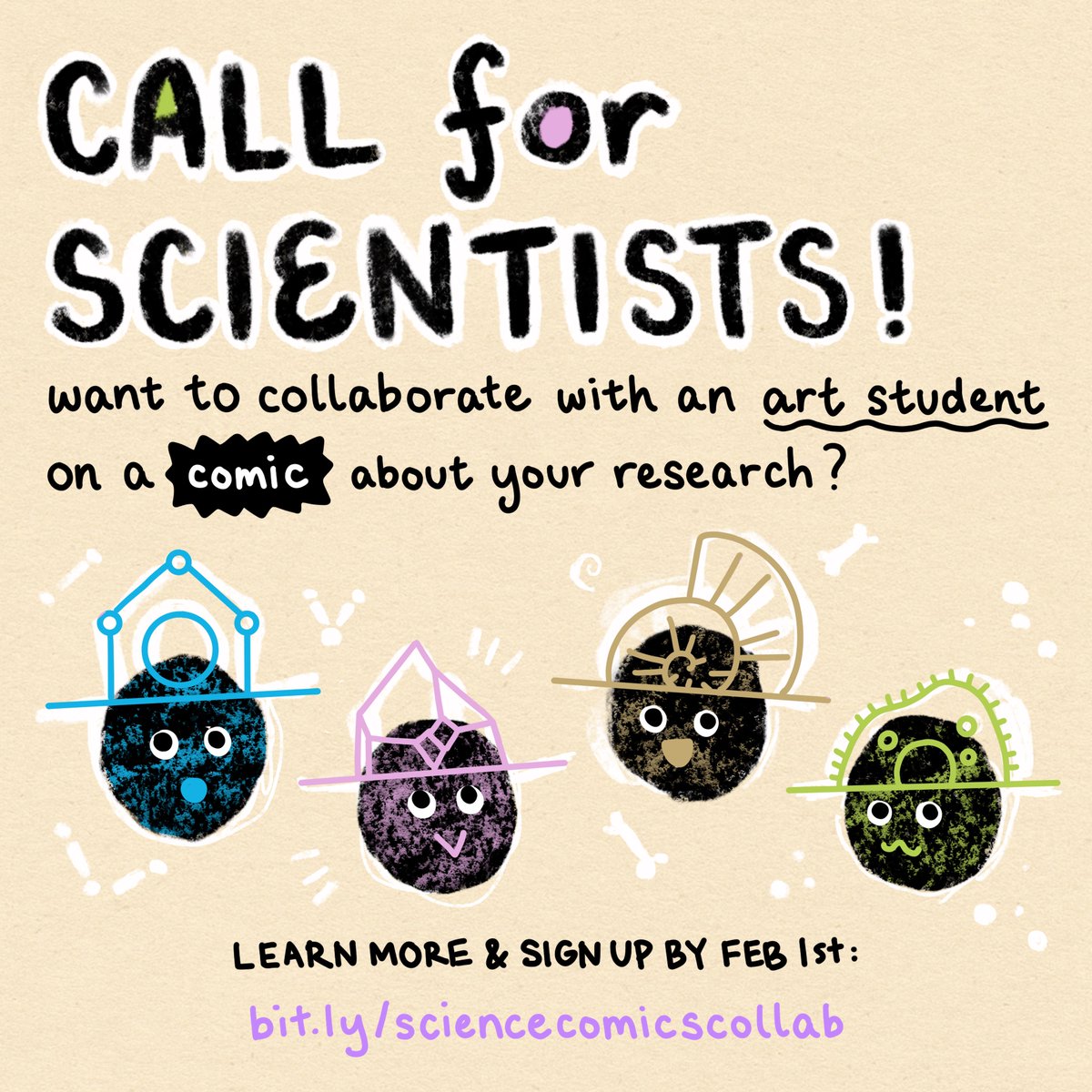
Seeking scientist volunteers! Want to practice science communication and help author a ✨comic✨ about your research? I need collaborators for this spring's cohort of SciComm & Comics art students! Please share widely. #STEMeducation#Science#sciart
An incomplete list of science and climate newsrooms/ desks that have been wiped out in the past half year (UPDATED 12/12):
Southerly
National Geographic
CNBC
Vox
Popular Science
Gizmodo
WIRED
... This is bad
Resident @AdrianaBankston has recently published an article on why Congress should fund professional development for #gradstudents and #postdocs. She further explains universities' vital role in advocacy for the STEM pipeline. read: https://t.co/hf2BnxXDLV