Thank you for having us!
Our current food system is working in the way it was designed.
We need to rethink and redesign food systems that work for the long term.
And with that, we have come to the end of our tweet chat on 'Food and #climatechange'.
Thank you @PickIt_UI for your insightful and detailed responses and thank you to all who have participated in the chat.
#foodandclimatechange#climatelearn
Yes! There are a lot of other benefits as well 😁😁
We get to live healthier, solve malnutrition and reduce the risk of diseases related to the harmful effects of our current food system.
More importantly, we preserve conditions for future generations to thrive!
Adjusting our habits as much as we can to tackle climate change is certainly the right thing to do, but it's easy to lose sight of the advantages of these actions. What else do we stand to gain from adopting these changes?
@PickIt_UI#foodandclimatechange#climatelearn
We need to shift towards eating healthy meals, not just in nutritional value but also in the way they are produced.
A circular economy for food helps us achieve that by:
Seeing as our current food systems negatively impact the climate in different ways, what are your suggestions on what the average person can we do to reduce these impacts?
#climatelearn#foodandclimatechange
Lastly, we need enlightenment campaigns to change the behaviours of consumers.
We need ambitious policies, incentives, interdisciplinary collaboration.
And a sense of urgency!
In Nigeria, we waste about 30 - 40% of the food we produce.
A lot of it due to poor infrastructure, storage, distribution and other factors. Yet, data gaps exist on the actual amount of food waste in the country.
Our current food system today is wasteful.
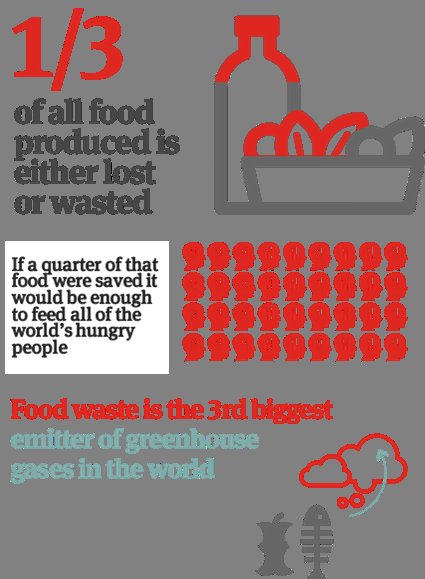
From production to consumption of food, a lot of it is wasted. Globally, we waste one-third of the food we produce.
Well, enough to feed 780 million hungry people in the world and others who are food insecure.
Crucial point about food waste in your last response! Our next question is: how much of a problem is food waste globally and in Nigeria especially?
@PickIt_UI#foodandclimatechange#climatelearn
For instance, livestock farming is resource-intensive. It uses one-third of cropland, contributes 15% of global emissions and uses up water too.
#climatelearn#foodandclimatechange
Food is the recipe that binds us together. We all love food. However, our current food system is wasteful, polluting and unhealthy.
As the world population grows, demand for food is increasing. Industrialization of agriculture is helping us meet this need but at a cost.
Thank you for the detailed response! Really interesting points. Conversely, can you shed light on how our current food systems affect the climate?
#climatelearn#foodandclimatechange
Our current food system contributes between 21% - 37% of global greenhouse gas emissions.
It is also responsible for deforestation, biodiversity and water loss.
Another personal story...
“In the past five years, climate change has affected us. Rain is uncertain. Crops have been damaged by fog and hail stones,” explains Laxmi. “The yields from our crops are a lot less and we don’t have enough food.”
https://t.co/Nlolk36v2C
Awesome!
We know that climate change leads to extreme weather conditions, temperature changes, droughts, flooding, heavy and low rainfall, and other drastic effects on the environment.
But how does this affect food production?
For instance, this report shows how smallholder farmers in Nigeria are affected by extreme weather conditions.
https://t.co/MgYXiUyNwV
Check out this documentary, to understand how climate change threatens food insecurity in Nigeria
https://t.co/Dr1Wi7eyY4